



AI Governance Crisis: $150B Musk-OpenAI Trial Reshapes Tech Regulation & E-Commerce AI Tools
- Federal court ruling on nonprofit-to-profit conversion could establish precedent affecting 50,000+ AI-powered seller tools and ChatGPT-dependent e-commerce platforms by Q3 2026












Overview
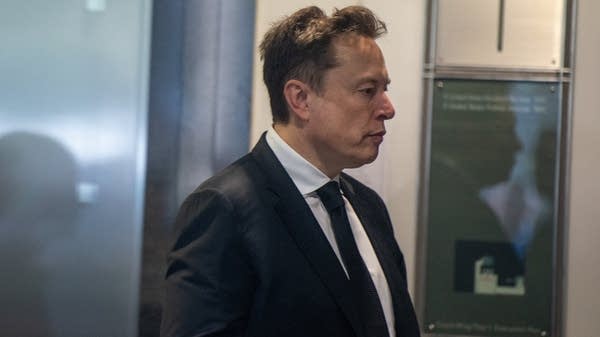
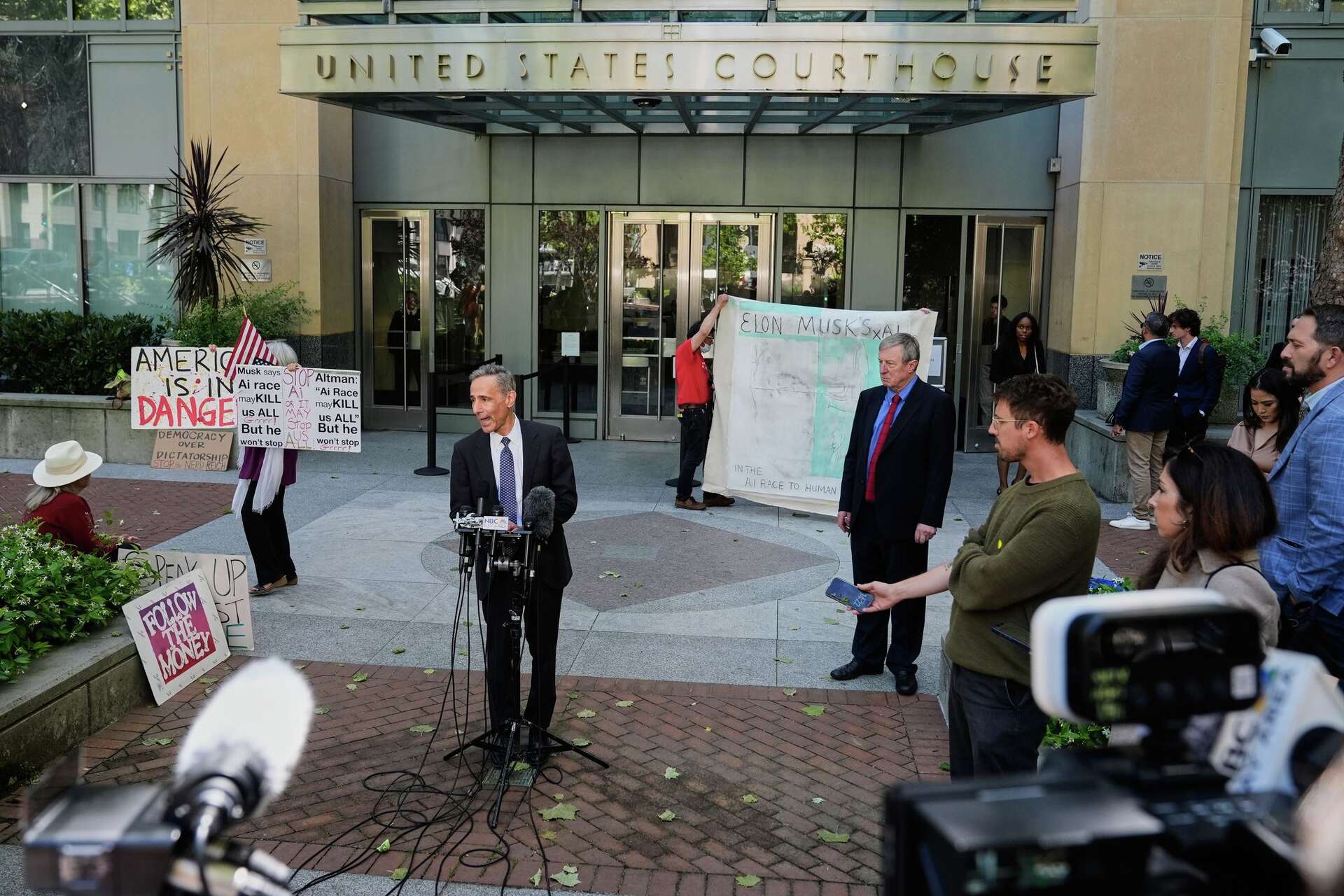
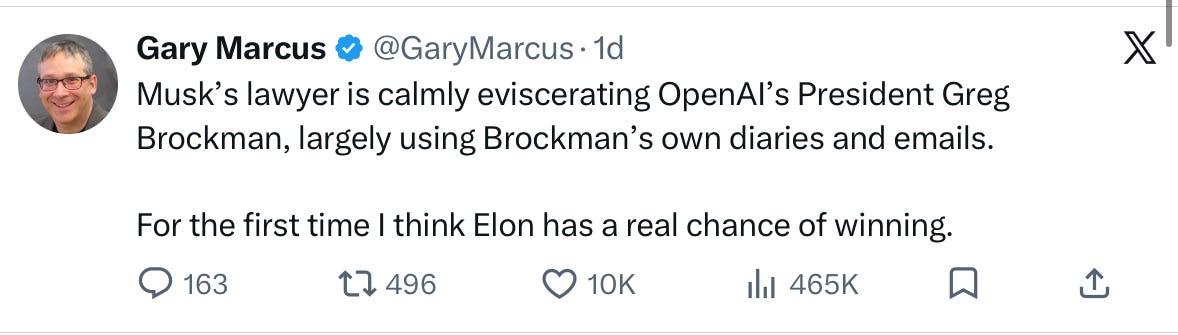
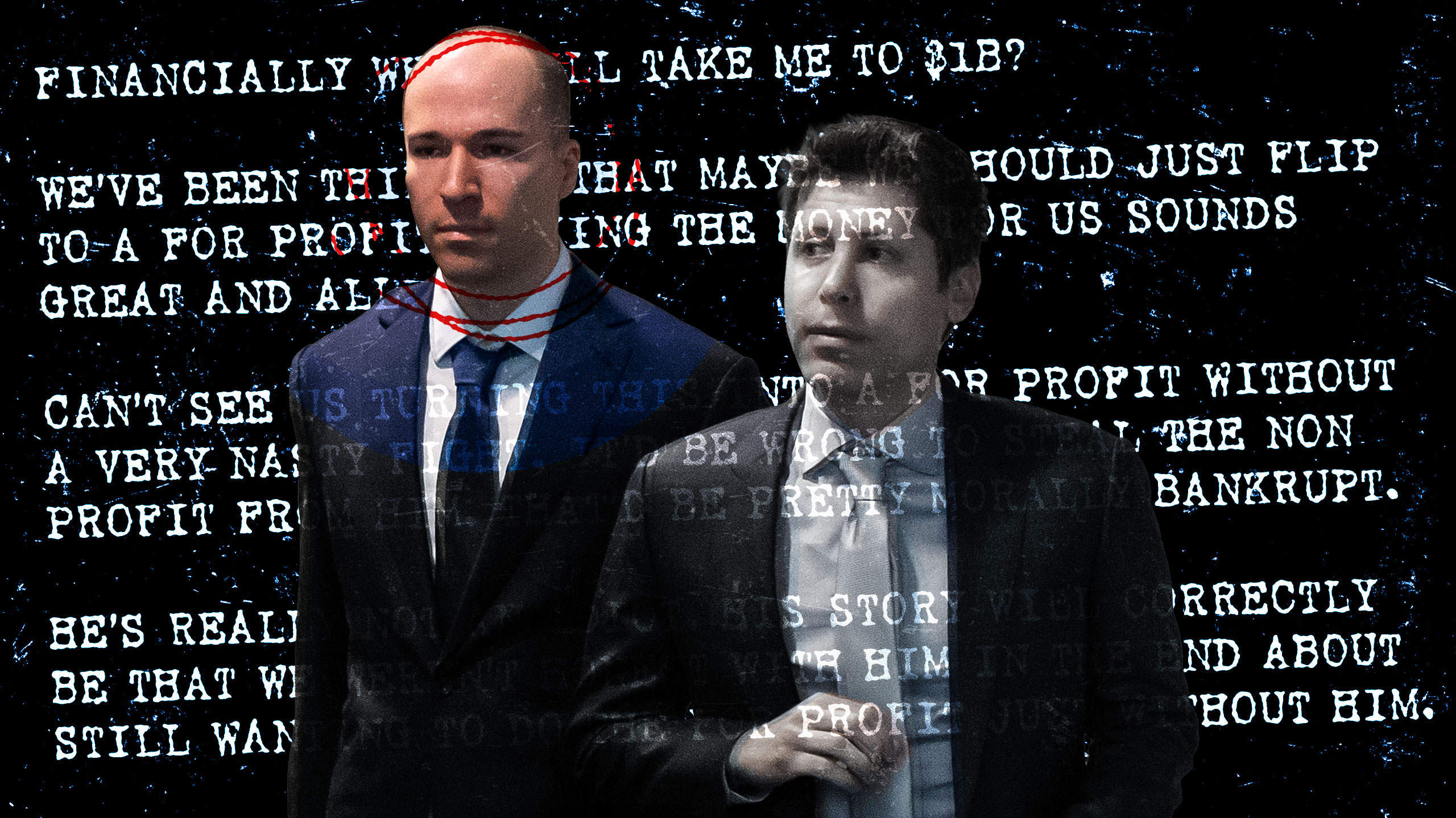
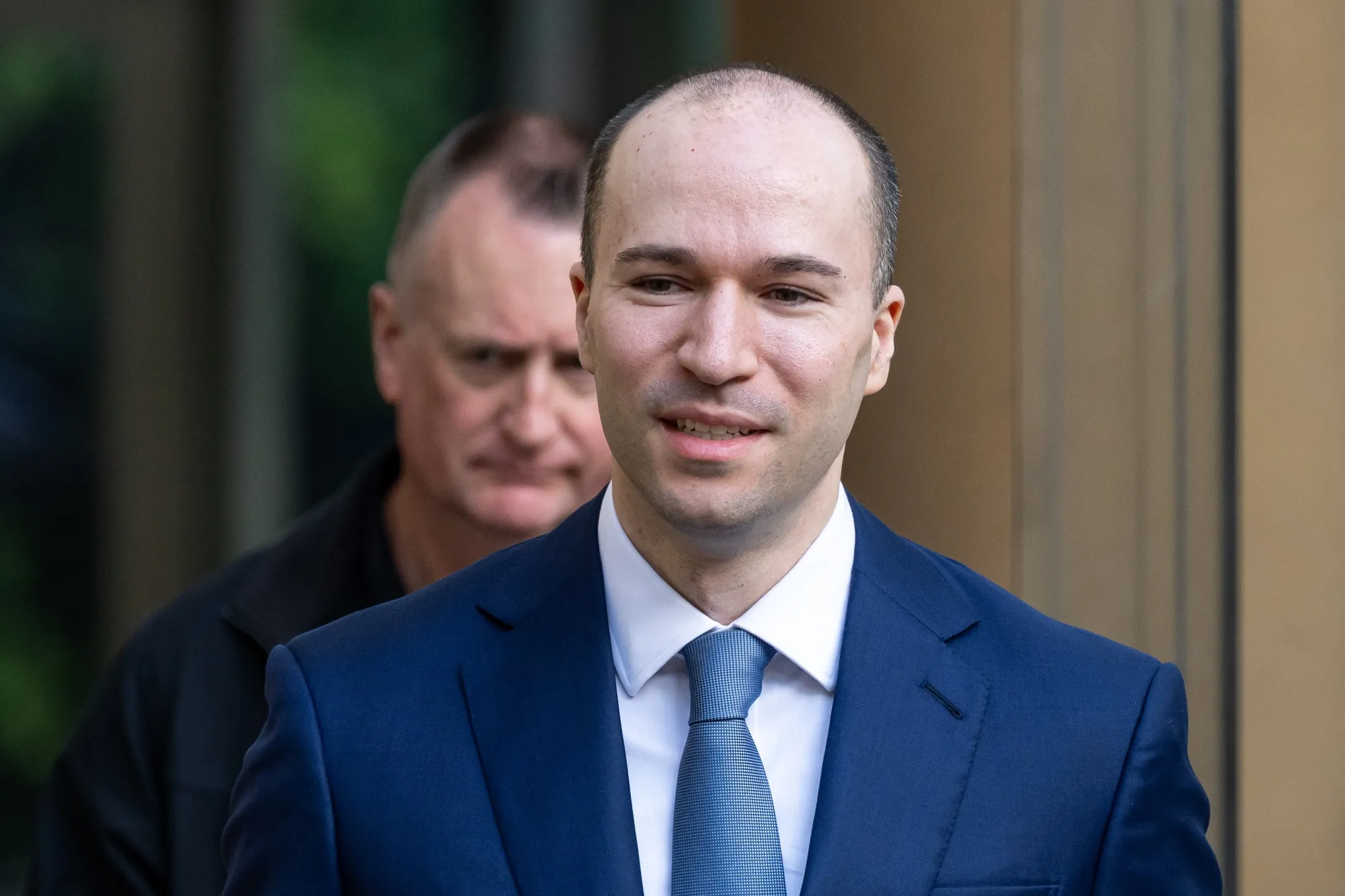
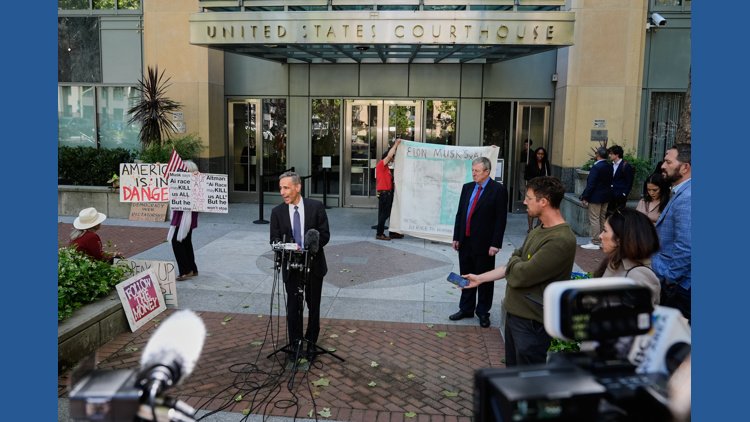
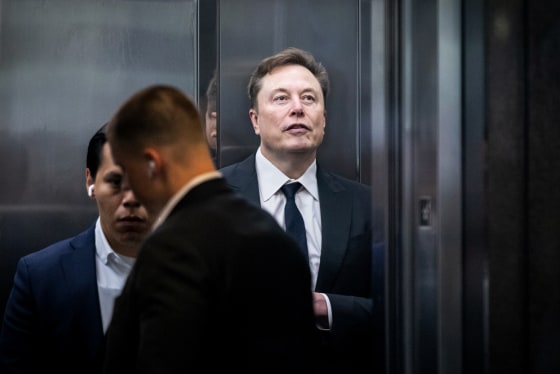
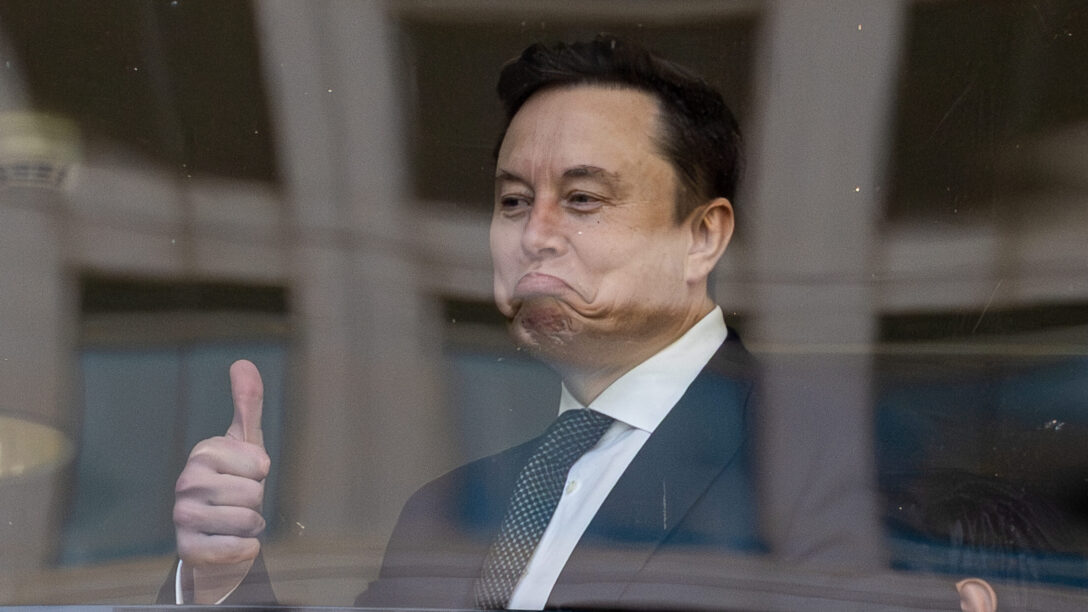
The $150 billion legal dispute between Elon Musk and OpenAI leadership, presided over by US District Judge Yvonne Gonzalez Rogers in Oakland federal court (trial began late April 2026), represents a watershed moment for AI governance that directly impacts e-commerce sellers relying on AI-powered tools. The case centers on OpenAI's 2019 conversion from nonprofit to for-profit subsidiary—three years before ChatGPT's commercial launch—with Musk alleging breach of charitable trust while OpenAI counters that Musk seeks to sabotage ChatGPT development to benefit his competing xAI startup.
Critical e-commerce implications emerge from three angles: First, the trial outcome will establish legal precedent for how AI companies can transition from public-good missions to commercial operations, directly affecting 50,000+ sellers using ChatGPT, Claude, and other AI tools for product research, listing optimization, and customer service. A favorable verdict for Musk could derail OpenAI's planned IPO, potentially destabilizing the AI tool ecosystem that sellers depend on. Second, expert testimony from AI pioneer Stuart Russell outlined critical risks including workforce displacement, racial/gender discrimination in algorithms, and misinformation—concerns that will likely trigger regulatory frameworks affecting how sellers can use AI for content generation and customer targeting. Third, Judge Gonzalez Rogers' strict courtroom protocols (8 AM daily starts, no lunch recess, social media restrictions) and her track record overseeing Epic Games v. Apple and Meta/Snap/TikTok litigation signal she will impose rigorous standards on tech companies, potentially establishing precedent for seller platform accountability.
For cross-border sellers specifically, the trial's focus on nonprofit mission betrayal raises questions about platform governance that could reshape Amazon, eBay, and Shopify policies. If courts rule that companies cannot abandon public-interest missions for profit maximization, it could trigger regulatory requirements for seller protection clauses in platform terms of service. The jury composition (nine San Francisco Bay Area residents) and Musk's request for Altman's board removal suggest the verdict will reflect Silicon Valley's growing skepticism of unchecked AI commercialization—sentiment that could translate into stricter seller compliance requirements around AI tool usage, content authenticity, and algorithmic transparency. Additionally, the trial's emphasis on AGI risks and workforce displacement may accelerate regulatory frameworks requiring sellers to disclose AI-generated content, similar to emerging EU AI Act provisions affecting product descriptions and customer communications.
The verdict's timing (jury recommendations expected by month's end) coincides with critical Q2-Q3 2026 platform policy cycles, meaning any ruling could immediately affect seller tool access, pricing, and compliance obligations. Sellers should monitor the trial's outcome as a leading indicator for broader tech regulation that will reshape AI tool availability and cost structures across e-commerce platforms.
Questions 8
How does Judge Gonzalez Rogers' track record affect the trial's outcome for sellers?
Judge Yvonne Gonzalez Rogers has established a reputation for rigorous oversight in high-stakes tech litigation, including Epic Games v. Apple and Meta/Snap/TikTok social media addiction cases. Her strict courtroom protocols (8 AM starts, no lunch recess, social media restrictions) and consistent enforcement of legal standards suggest she will impose accountability on both parties and likely establish precedent for tech company governance. For sellers, this means any ruling will reflect serious judicial scrutiny of platform practices, potentially triggering stricter seller protection clauses, transparency requirements, and algorithmic accountability measures across Amazon, eBay, and Shopify platforms.
What does the trial's focus on AI safety risks mean for seller compliance obligations?
Expert testimony from AI pioneer Stuart Russell highlighted workforce displacement, racial/gender discrimination, and misinformation risks—concerns that will likely trigger regulatory frameworks requiring sellers to disclose AI-generated content in product descriptions and customer communications. The EU AI Act already mandates transparency for AI-generated content; this trial could accelerate similar requirements in US and UK markets. Sellers should audit their current AI tool usage (ChatGPT for descriptions, automated customer responses, pricing algorithms) and prepare documentation showing human review processes, as regulators may soon require proof that AI-generated seller content meets authenticity and fairness standards.