




Global Motorsport Converges in Tashkent: A Celebration of Championship Excellence and Diplomatic Soft Power
- Motorsport diplomacy emerges as a strategic platform for international cultural exchange and national branding

Overview
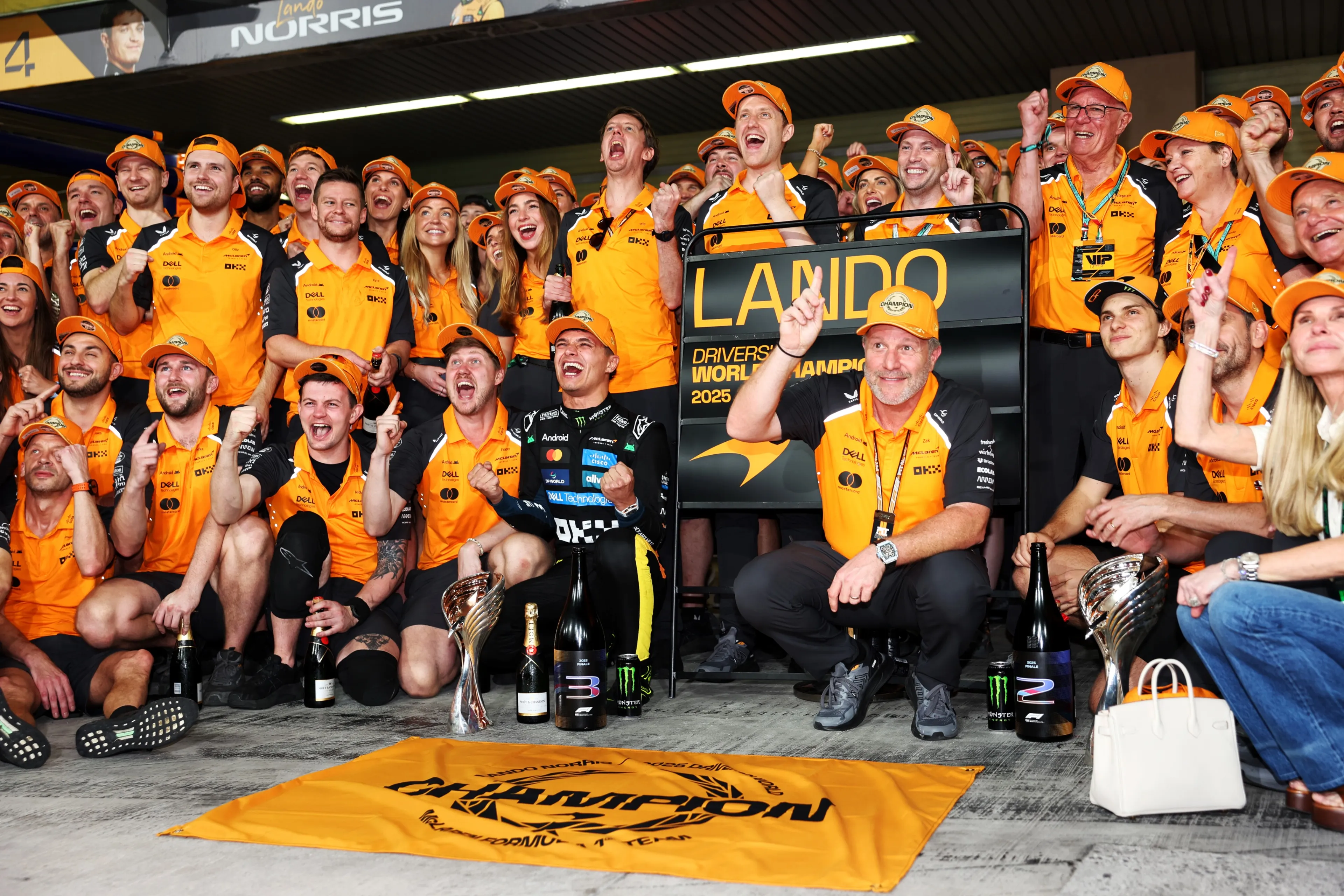
The FIA Awards ceremony in Tashkent represents more than a mere sporting celebration—it's a sophisticated intersection of athletic achievement, international diplomacy, and strategic soft power positioning. At the heart of this year's event, Lando Norris's Formula One World Championship victory symbolizes a pivotal moment of competitive excellence, transcending traditional sporting boundaries.
McLaren's triumph is particularly noteworthy, highlighting the team's strategic resurgence in global motorsport. With eight Constructors' Cup victories and a legacy featuring legendary drivers like Ayrton Senna and Lewis Hamilton, the team's current success is not just about racing, but about maintaining a prestigious international brand. Norris's championship, secured through intense battles with rivals like Max Verstappen and Oscar Piastri, demonstrates the increasingly sophisticated competitive landscape of modern Formula One.
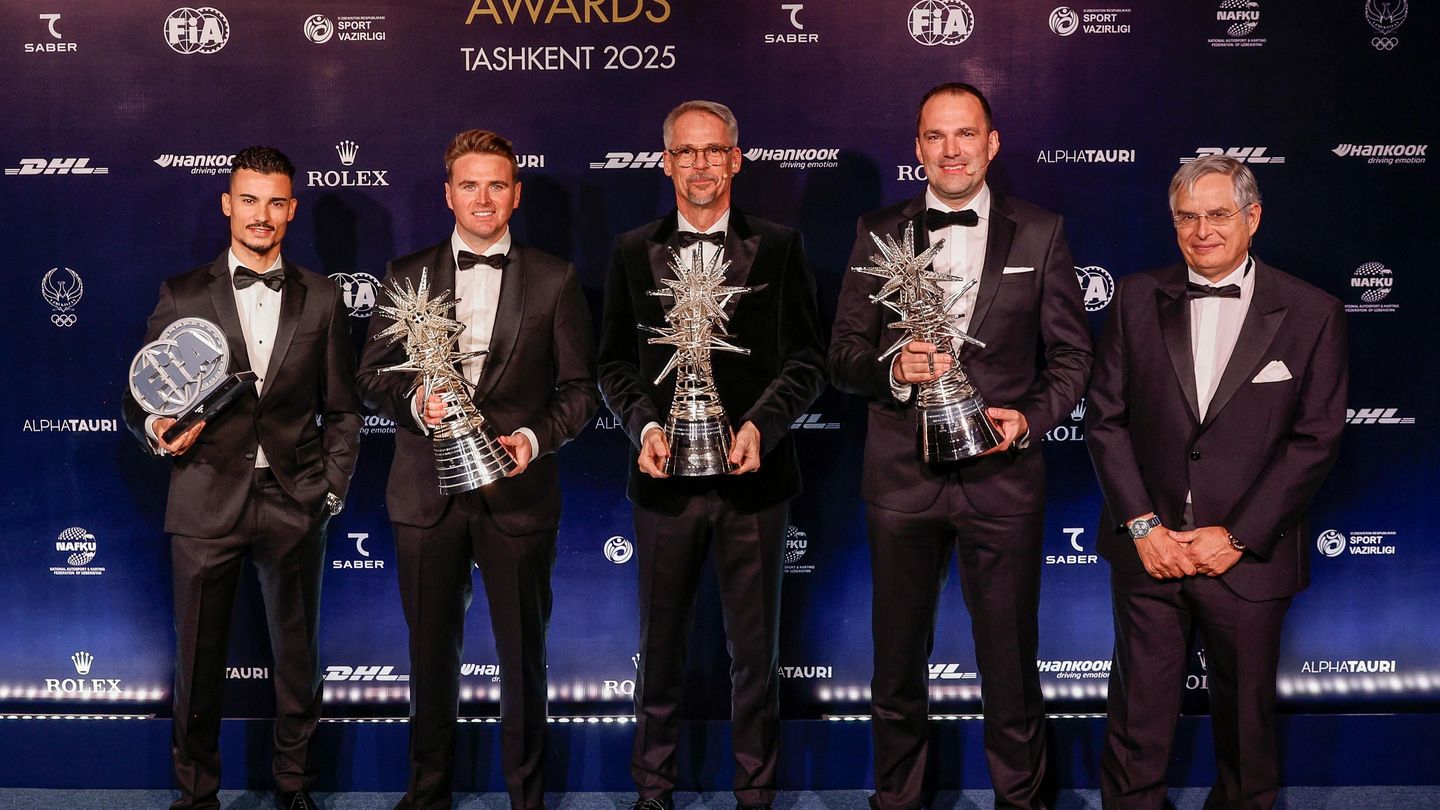
The ceremony's location in Uzbekistan is itself a strategic narrative. By hosting this high-profile international event, the country positions itself as an emerging player in global sports diplomacy. The presence of high-profile figures like Piero Ferrari, Stefano Domenicali, and the Prime Minister of Uzbekistan underscores the event's significance beyond mere sporting achievement. It represents a calculated effort to leverage international sporting events as platforms for cultural exchange, national branding, and potential economic opportunities.
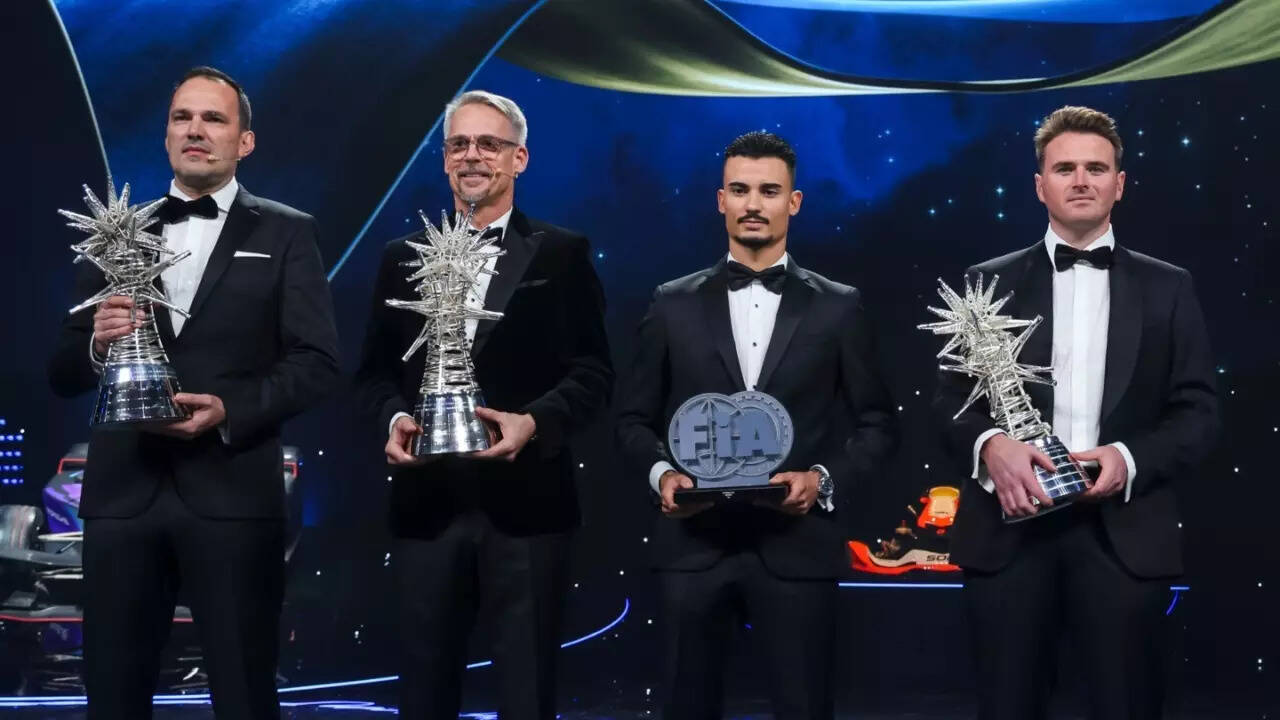
Moreover, the event's multidisciplinary nature—featuring champions from Formula One and Formula E—reflects the evolving ecosystem of motorsport. Oliver Rowland's Formula E championship and Porsche's comprehensive success in electric racing signal a broader transformation in automotive technology and competitive motorsports. This convergence of traditional and electric racing disciplines suggests a dynamic, forward-looking approach to motorsport that extends far beyond mere competition.
The Tashkent ceremony thus emerges as a microcosm of contemporary global dynamics: where sporting excellence, technological innovation, and diplomatic soft power intersect to create narratives that resonate far beyond the racetrack.
Questions 3
What makes the FIA Awards in Tashkent significant beyond sporting achievement?
The ceremony represents a strategic platform for international diplomacy, allowing Uzbekistan to showcase its global engagement and positioning itself as a sophisticated host for international sporting events. By bringing together champions from multiple racing disciplines and high-profile global figures, the event transcends traditional sporting boundaries.
What strategic opportunities does hosting such an international event create for Uzbekistan?
By hosting the FIA Awards, Uzbekistan creates opportunities for soft power projection, potential sports-related marketing collaborations, and international networking. The event positions the country as an emerging player in global sports diplomacy, potentially attracting future international sporting events and business opportunities.