




College Football's Strategic Playbook: Mapping the 2025-26 Bowl Season Landscape
- Revealing the Complex Scheduling Dynamics Driving Collegiate Athletic Competition and Media Engagement












Overview
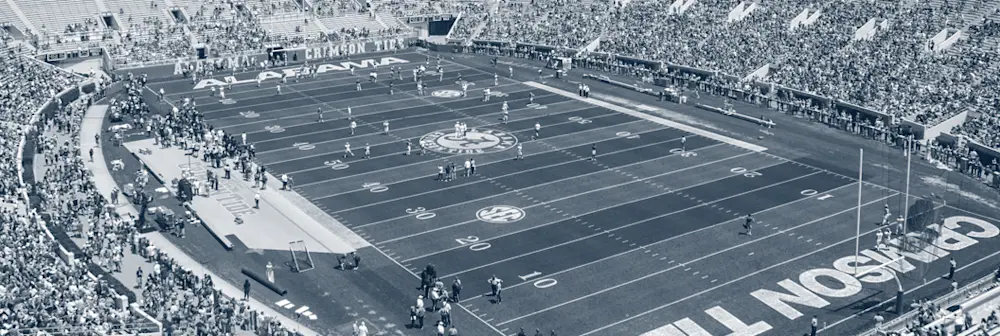
The 2025-26 college football bowl season represents a meticulously orchestrated sporting ecosystem that transcends mere athletic competition, revealing intricate strategic planning across conferences, broadcast networks, and regional markets. With a comprehensive schedule spanning from December 13, 2025, to January 19, 2026, this season demonstrates the sophisticated infrastructure behind collegiate sports broadcasting and tournament logistics.
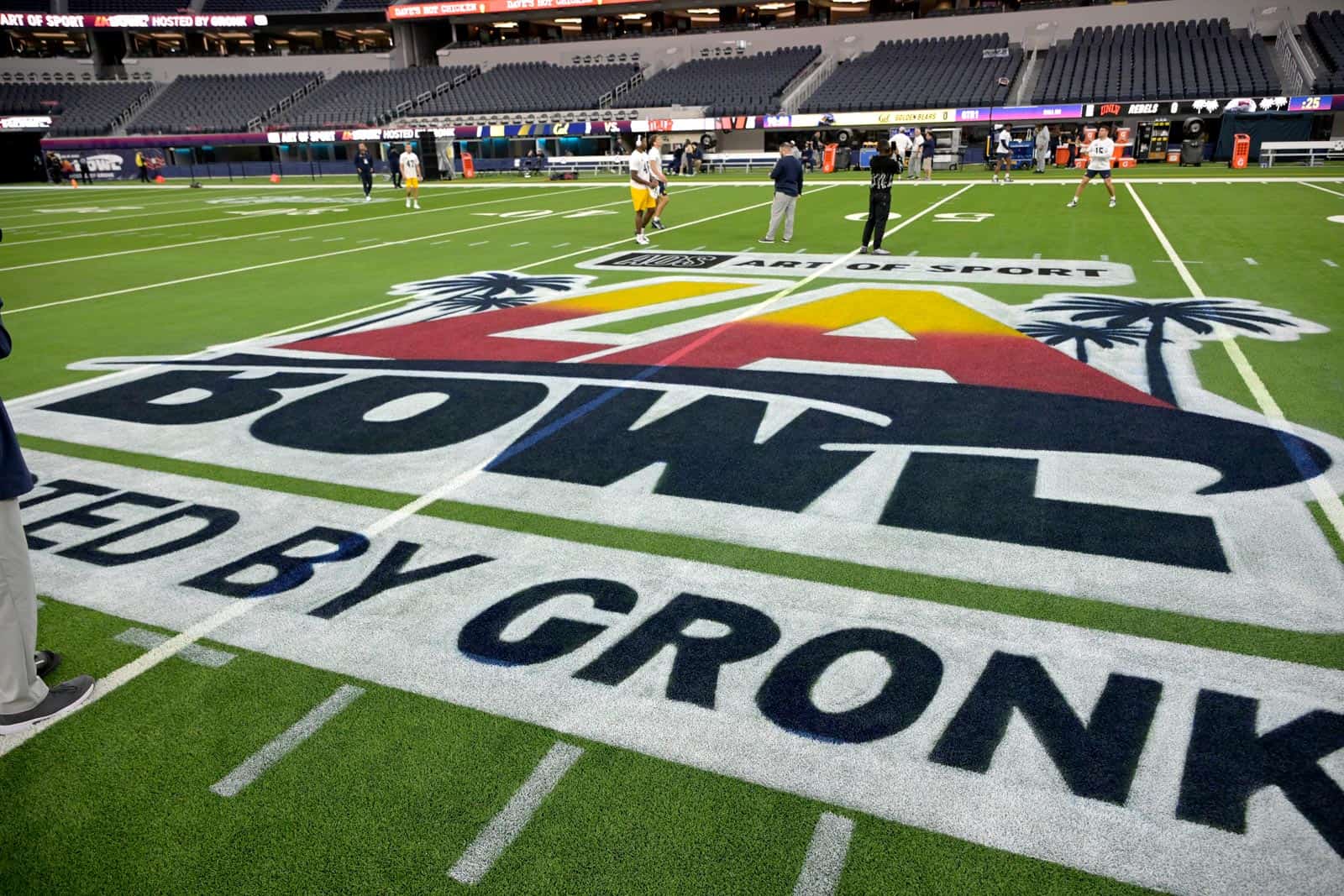
Game Distribution and Geographic Complexity emerge as a critical narrative. The schedule strategically disperses matchups across multiple locations, from the Celebration Bowl in Atlanta featuring South Carolina State vs. Prairie View A&M to the LA Bowl in Inglewood with Boise State vs. Washington. This geographic diversity isn't accidental but reflects calculated decisions about regional fan engagement, media market penetration, and competitive positioning.
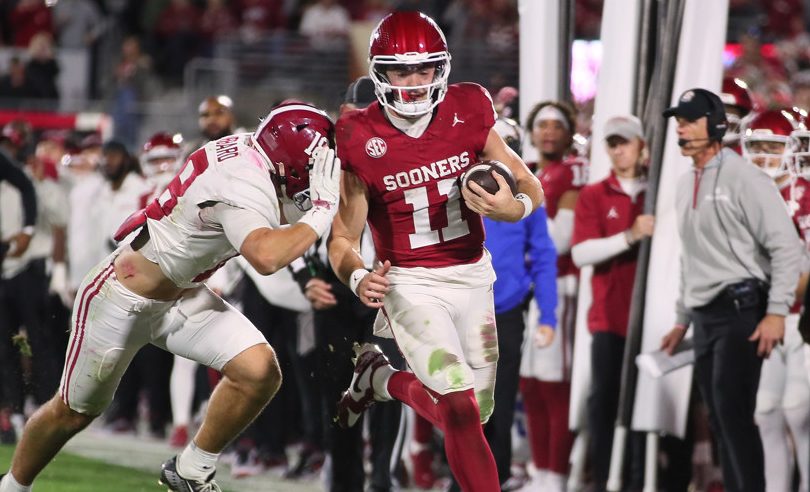
The Tournament Architecture reveals a multilayered competitive framework. First-round matchups like No. 8 Oklahoma vs. No. 9 Alabama and quarterfinal contests such as No. 2 Ohio State vs. the Texas A&M/Miami winner demonstrate a carefully constructed tournament progression. Each game is not just an athletic event but a strategic node in a complex network of team rankings, conference dynamics, and national positioning.
Notably, the inclusion of traditional matchups like the Army vs. Navy game alongside emerging regional bowls highlights the delicate balance between historical sporting traditions and modern tournament economics. The schedule becomes a sophisticated choreography of athletic performance, media rights, regional pride, and institutional branding.
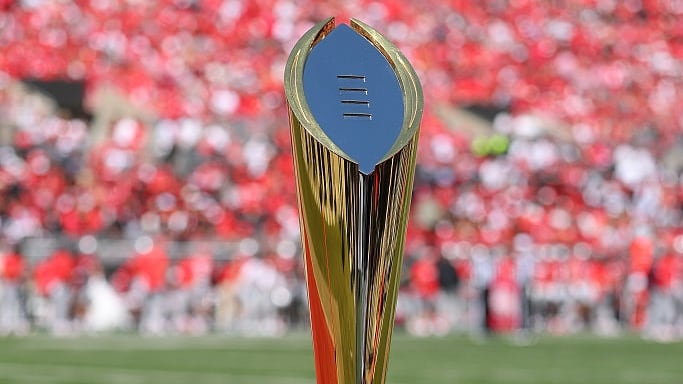
The culmination in the National Championship Game in Miami, Florida, represents more than a final match—it's the apex of a meticulously planned sporting narrative that has been unfolding through carefully sequenced regional and national competitions. This isn't just a tournament; it's a strategic platform for showcasing collegiate athletic talent, conference strengths, and institutional prestige.
Questions 3
How do broadcast networks and media rights factor into the bowl game schedule?
Media rights and broadcast strategies are crucial in determining game locations, timing, and matchups. The schedule is designed to maximize viewer engagement, regional interest, and potential national audience reach, transforming these sporting events into significant media properties.
What strategic considerations go into creating the bowl game schedule?
Scheduling involves multiple dimensions: geographic distribution of games, conference representation, team rankings, media market engagement, and creating a narrative progression from regional competitions to the national championship. Each game is a carefully placed piece in a larger strategic puzzle.