


Strait of Hormuz Geopolitical Tensions | Critical Shipping Route Stability Impacts Cross-Border Seller Logistics Costs
- 20% of global oil transits Hormuz; France-Iran negotiations signal potential shipping cost volatility affecting 3PL rates and delivery timelines for sellers shipping electronics, textiles, and heavy goods to Middle East and Asia-Pacific markets





Overview
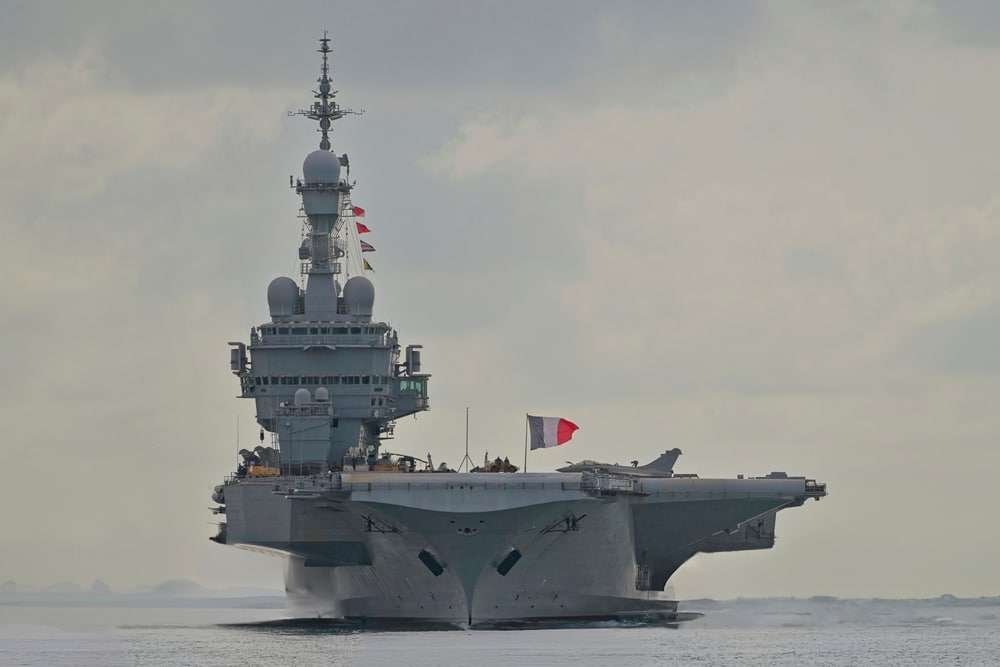
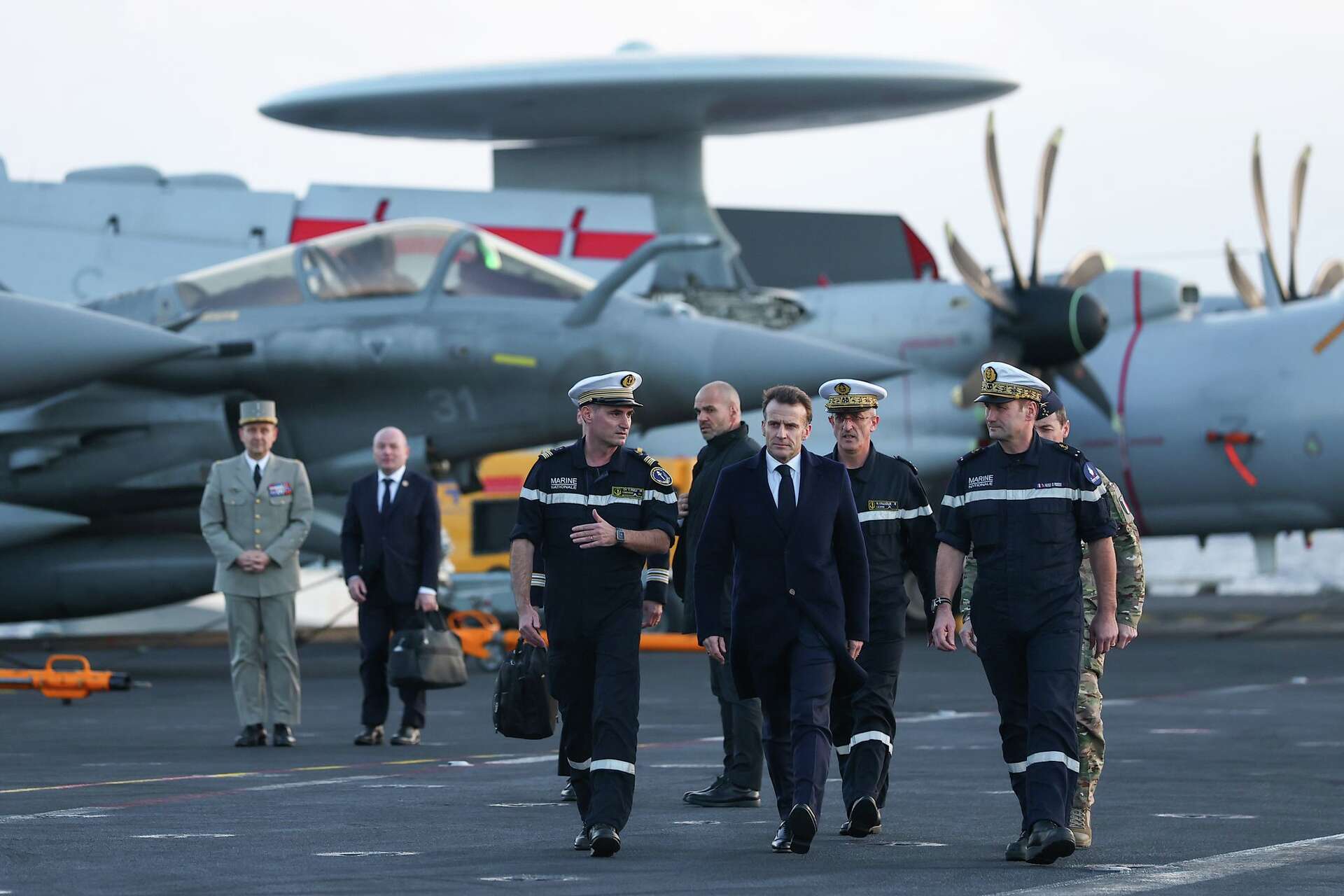
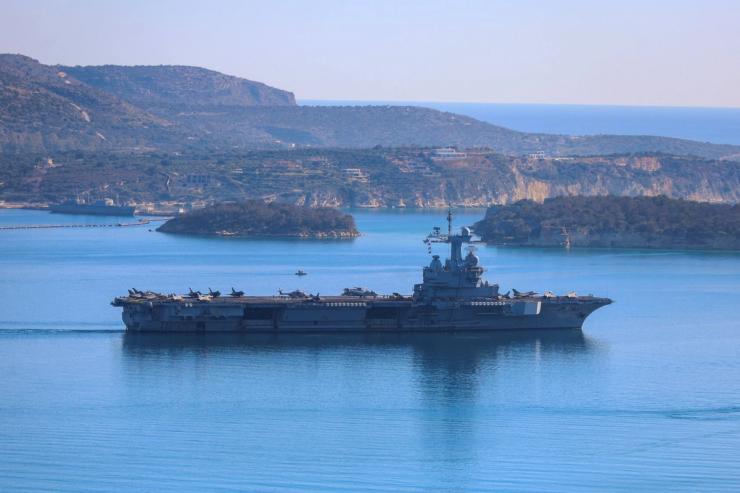
The deployment of France's nuclear-powered aircraft carrier Charles de Gaulle toward the Strait of Hormuz as part of a multinational defensive mission represents a critical geopolitical development with direct implications for cross-border e-commerce sellers relying on global maritime logistics. The Strait of Hormuz remains one of the world's most strategically vital shipping chokepoints, with approximately 20% of globally traded oil transiting through this waterway before recent conflicts disrupted normal operations. French President Emmanuel Macron's initiative, coordinated with British Prime Minister Keir Starmer, aims to restore freedom of navigation through negotiations with Iran—a development that directly affects shipping insurance rates, transit times, and fuel surcharges that cascade into fulfillment costs for sellers.
Immediate Logistics Impact for Sellers: The geopolitical uncertainty surrounding Strait of Hormuz navigation creates volatility in shipping costs for sellers using 3PL providers and international freight forwarders. Sellers shipping electronics, textiles, machinery, and heavy goods to Middle Eastern markets (UAE, Saudi Arabia, Qatar) and Asia-Pacific destinations (India, Southeast Asia) face potential 5-15% increases in ocean freight rates due to insurance premiums and longer routing alternatives. The ongoing negotiations between the US and Iran regarding nuclear materials and sanctions relief introduce timeline uncertainty—if resolved favorably, shipping costs could stabilize within 60-90 days; if tensions escalate, sellers should expect sustained cost increases through Q2 2025.
Strategic Seller Considerations: Cross-border sellers should monitor three key indicators: (1) Suez Canal transit times and alternative routing costs via the Cape of Good Hope (adding 10-14 days and 20-30% cost premiums), (2) shipping insurance rate changes published by major carriers (Maersk, CMA CGM, Hapag-Lloyd), and (3) diplomatic progress signals from Macron-Trump negotiations. Sellers with significant inventory in Asian manufacturing hubs (China, Vietnam, India) shipping to Western markets face compounded risk—disruptions at Hormuz force rerouting that increases both transit times (from 30 days to 45+ days) and costs. For sellers operating on Amazon FBA, eBay, or Shopify with tight inventory turnover requirements, these delays directly impact IPI scores and product availability metrics.
Risk Mitigation Strategies: Sellers should immediately review their 3PL contracts for force majeure clauses and fuel surcharge mechanisms, as carriers will likely implement temporary surcharges if Hormuz tensions escalate. Consider diversifying fulfillment networks—shifting 15-25% of inventory destined for Middle Eastern and Asian markets to regional 3PL providers in Dubai, Singapore, or India can reduce exposure to Hormuz-specific disruptions. Monitor freight rate indices (Baltic Dry Index, Shanghai Containerized Freight Index) weekly to anticipate cost changes before they hit invoices. For sellers with 500+ monthly shipments, the cumulative impact of 5-10% rate increases translates to $1,500-5,000 monthly cost increases depending on product weight and destination.
Questions 7
Should I shift inventory to regional fulfillment centers to avoid Hormuz shipping risks?
Yes, diversifying fulfillment networks reduces exposure to Hormuz-specific disruptions. Sellers with significant volume to Middle East and Asia-Pacific should allocate 15-25% of inventory to regional 3PL providers in Dubai, Singapore, or India. This strategy reduces transit time from 30+ days to 10-15 days and insulates you from Hormuz-related delays that impact Amazon FBA IPI scores and eBay seller ratings. Regional fulfillment costs 8-12% more per unit but provide insurance against 45+ day delays and associated inventory carrying costs. Calculate your break-even point: if delayed inventory costs you $500/day in lost sales, regional fulfillment becomes cost-effective at 10+ day delays.
How does Strait of Hormuz instability affect my shipping costs as a cross-border seller?
Geopolitical tensions at the Strait of Hormuz directly increase ocean freight rates through insurance premiums and carrier risk assessments. Sellers shipping to Middle Eastern and Asian markets typically see 5-15% rate increases during periods of heightened tension. For a seller shipping 100 containers monthly at $3,000 per container, a 10% increase equals $30,000 in additional monthly costs. Monitor freight rate indices (Freightos, Drewry) weekly and review your 3PL contracts for fuel surcharge mechanisms that pass costs to shippers. If Hormuz tensions escalate, consider rerouting via Cape of Good Hope, which adds 10-14 days but may offer competitive rates from alternative carriers.