



Winter's Viral Surge: How Cold Weather is Transforming Respiratory Disease Transmission
- Emerging health crisis signals critical public health adaptation across Northeastern United States















Overview
The 2025-26 winter season is unveiling a complex respiratory disease landscape that demands unprecedented public health attention. Across Connecticut and New York, flu transmission dynamics are revealing critical insights into how environmental conditions dramatically accelerate viral spread.
Viral transmission is experiencing a significant metamorphosis, driven by intricate physiological and environmental interactions. Scientific evidence from multiple sources demonstrates that cold weather creates a perfect viral transmission ecosystem. Lower temperatures cause the flu virus's lipid coating to stiffen, increasing infection probabilities while cooler, drier air allows respiratory droplets to remain suspended longer, expanding potential transmission windows.
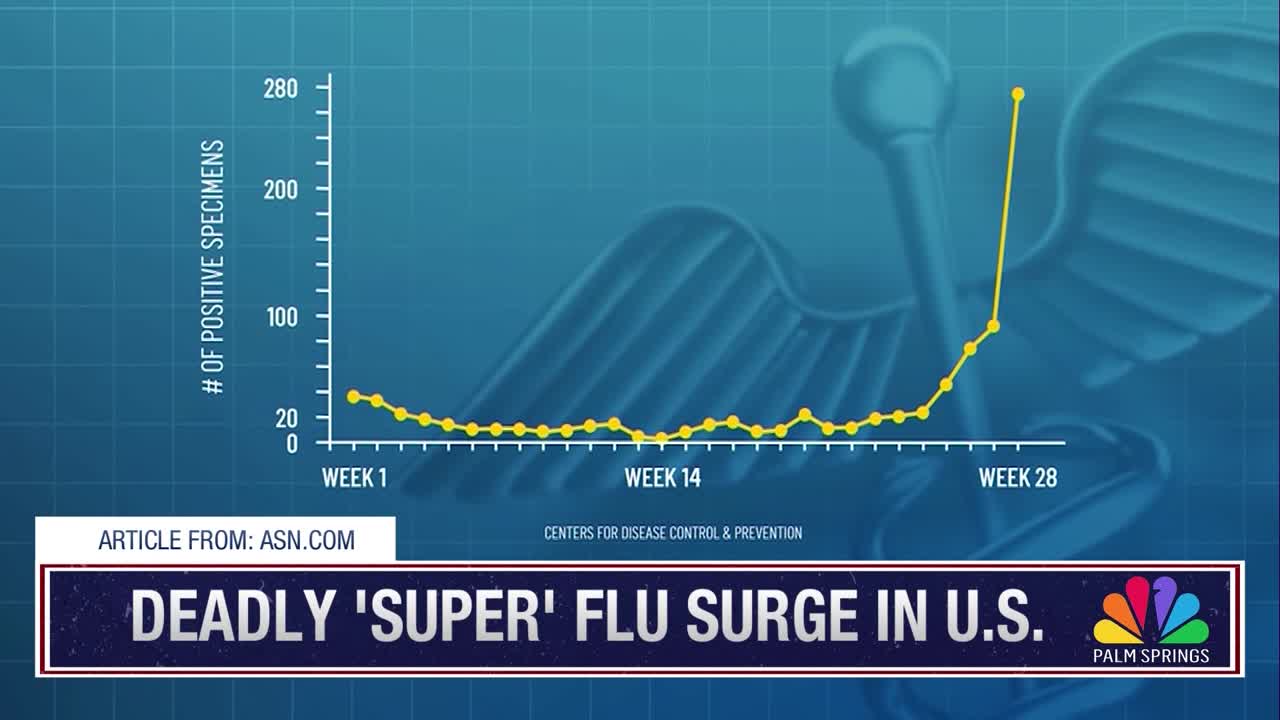
The data paints a stark picture of viral momentum. New York has witnessed a dramatic surge from 2,900 new cases last year to 14,506 weekly cases, totaling over 32,000 season-to-date. Connecticut mirrors this trend, with flu cases currently hovering around 2,000 statewide—a concerning precursor to potential widespread transmission. Vaccination rates are simultaneously declining, with New York showing a drop from 3.5 million to 3.4 million immunized individuals, creating a perfect storm for potential outbreak scenarios.
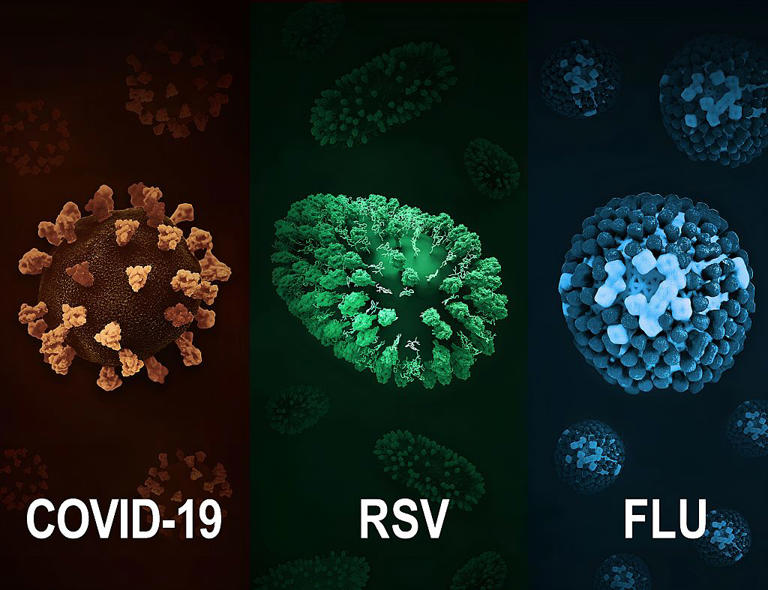
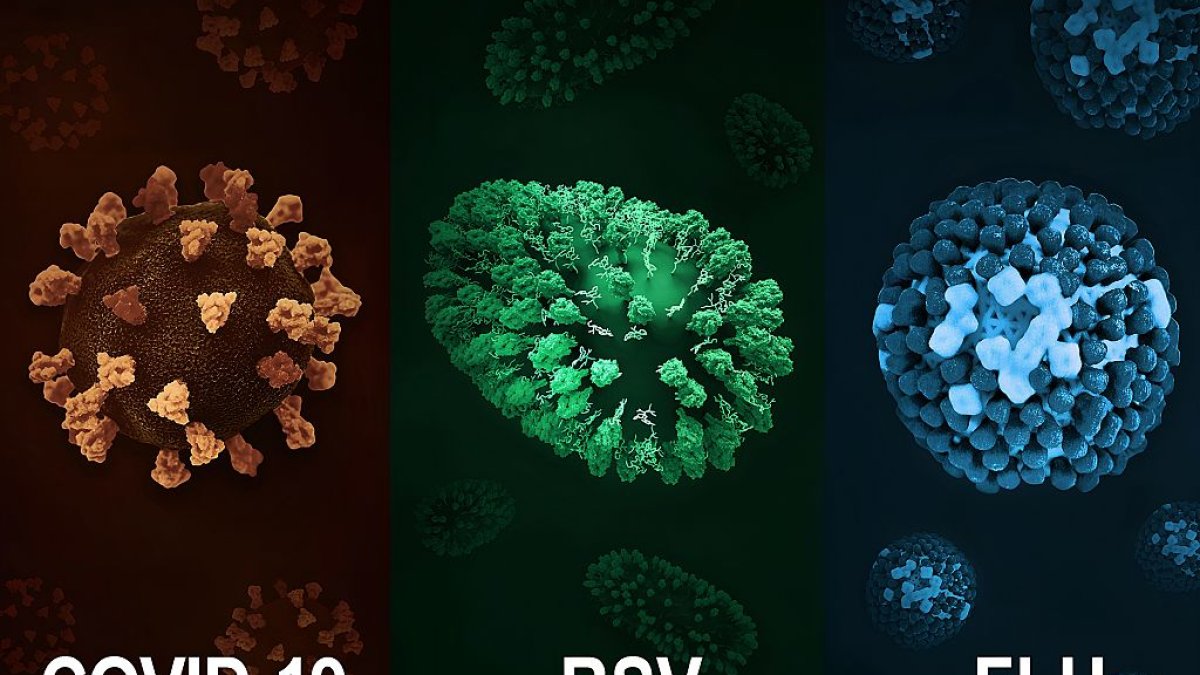
Critically, this isn't just about flu. The respiratory disease ecosystem includes concurrent RSV and COVID dynamics, with 13 hospital and 15 nursing home incidents reported. The interconnected nature of these viral transmissions suggests a broader systemic vulnerability that extends beyond individual disease management.
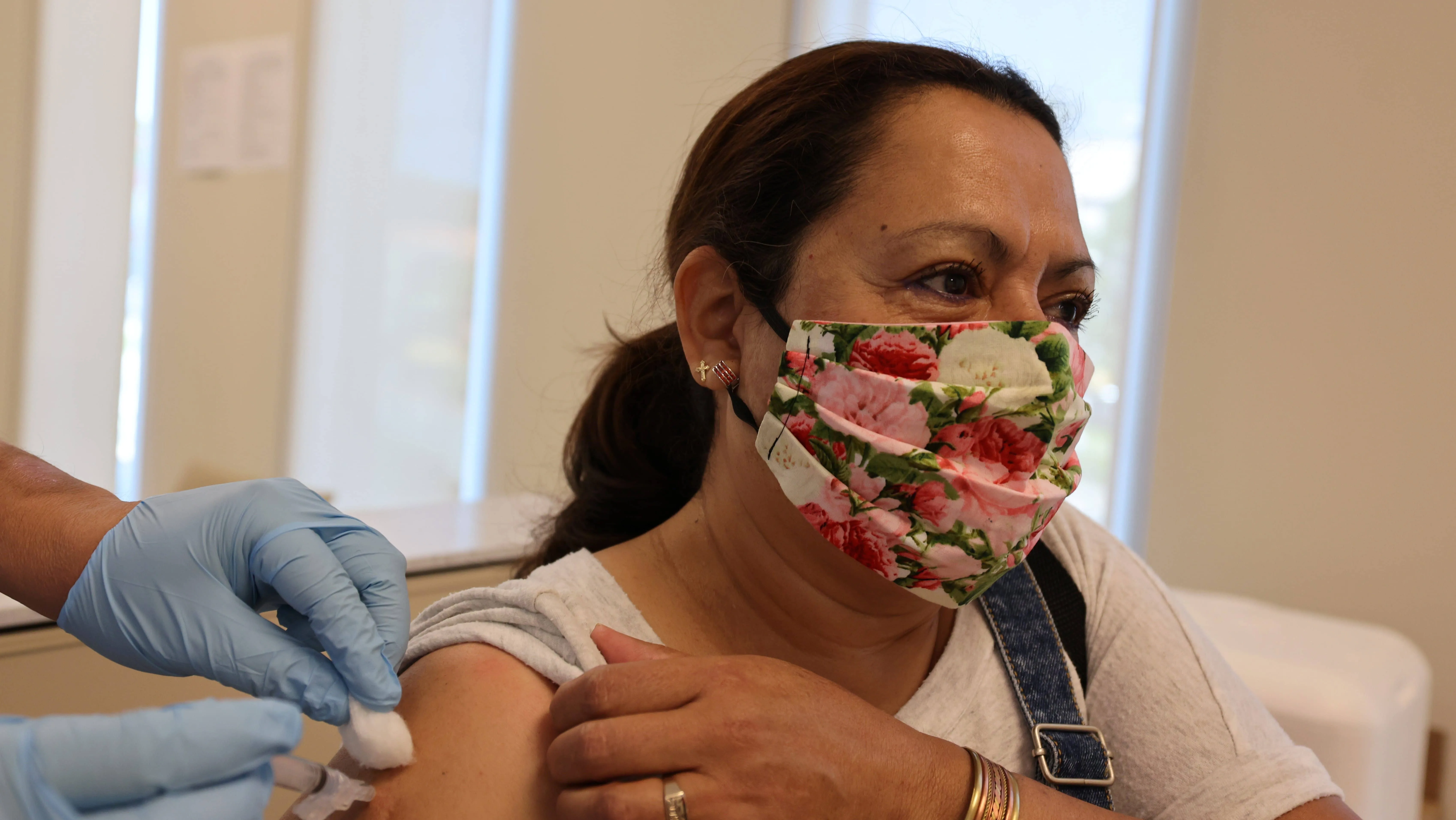
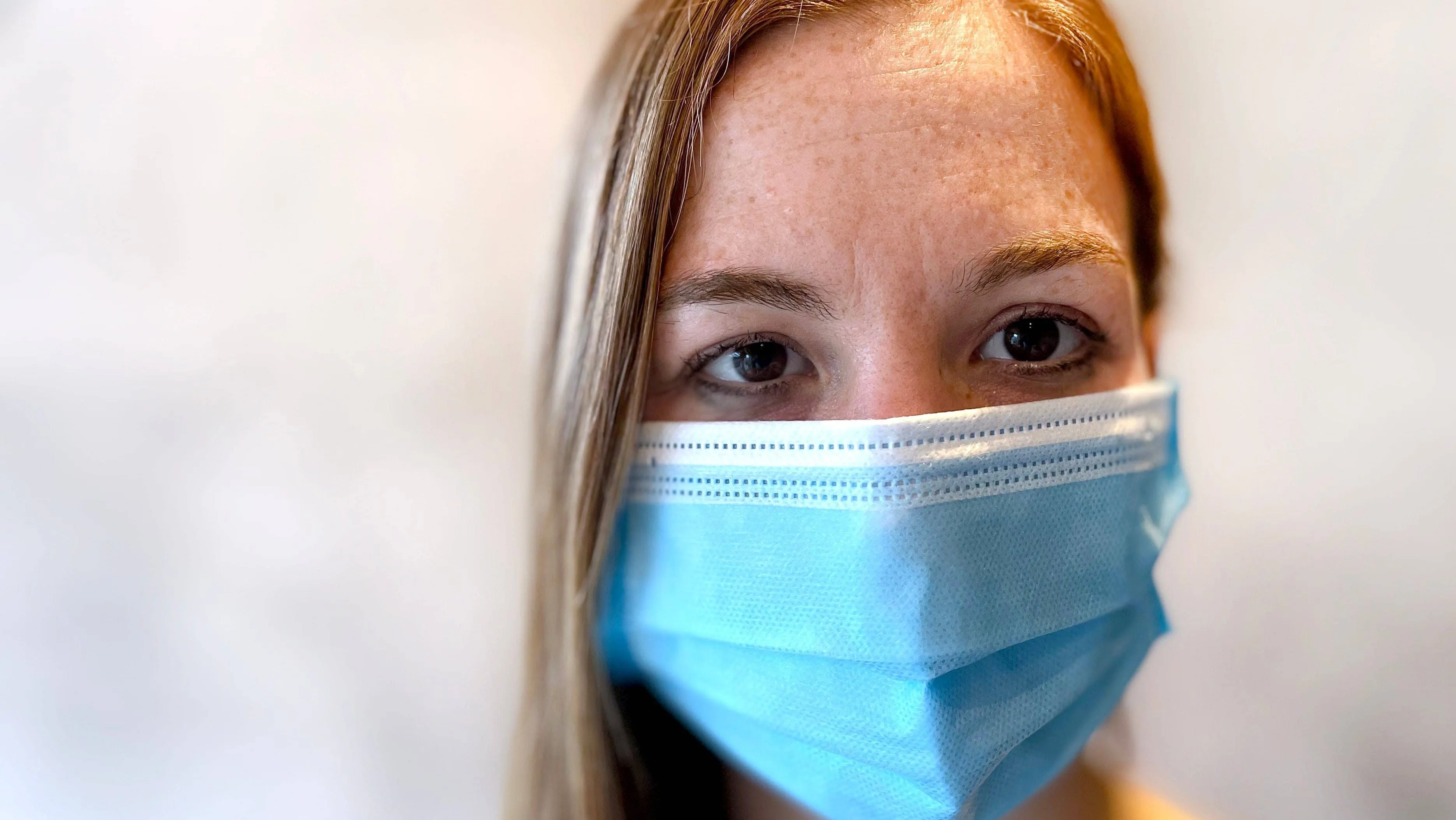
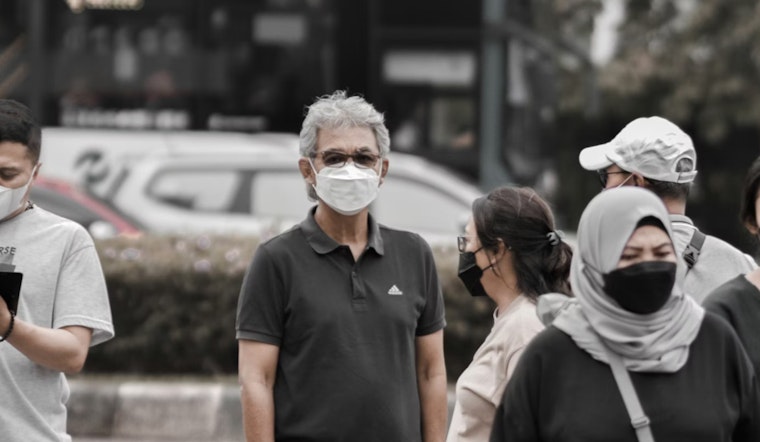
Health officials are sounding a clear alarm: preventive measures are no longer optional but essential. Recommendations span from targeted vaccination strategies to behavioral modifications like mask-wearing in crowded spaces and practicing rigorous hygiene. The emerging consensus is that public health resilience requires a holistic, proactive approach to managing seasonal viral risks.
Questions 3
What makes winter environments particularly conducive to virus spread?
Cold, dry air allows viral particles to remain suspended longer, indoor crowding reduces ventilation, and lower temperatures can temporarily weaken immune responses. Holiday travel and social gatherings further amplify transmission risks.
How effective are current vaccines against this season's flu strains?
While experts like Dr. Alan Weiner note this year's vaccine might be less effective than previous years, it still offers significant protection against severe outcomes. The recommendation remains to get vaccinated and practice additional preventive measures.