




Vaccine Mandate Rebellion Signals Emerging Public Health Battleground
- Regulatory Flexibility Challenges Decades of Standardized Immunization Policies















Overview
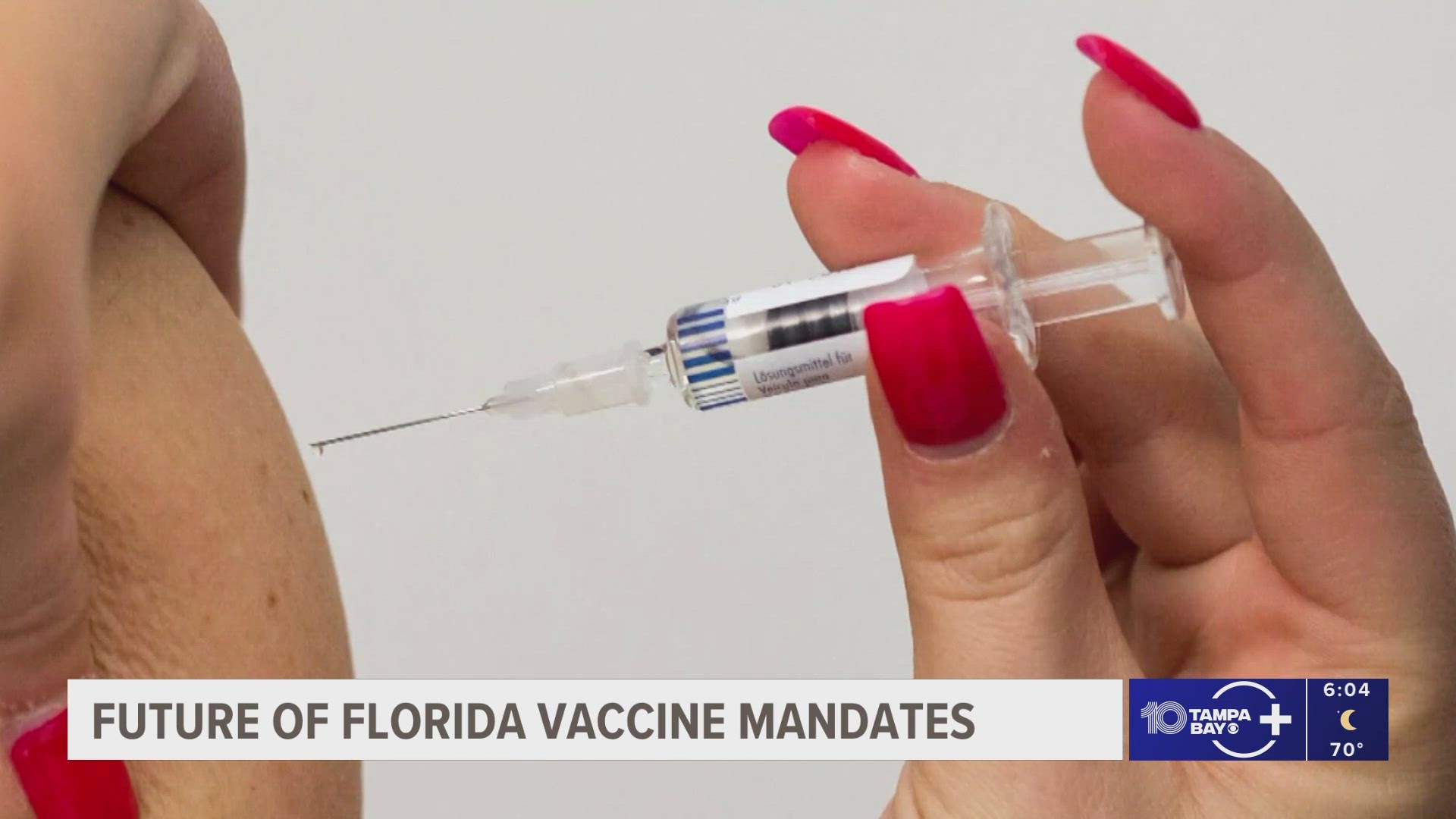
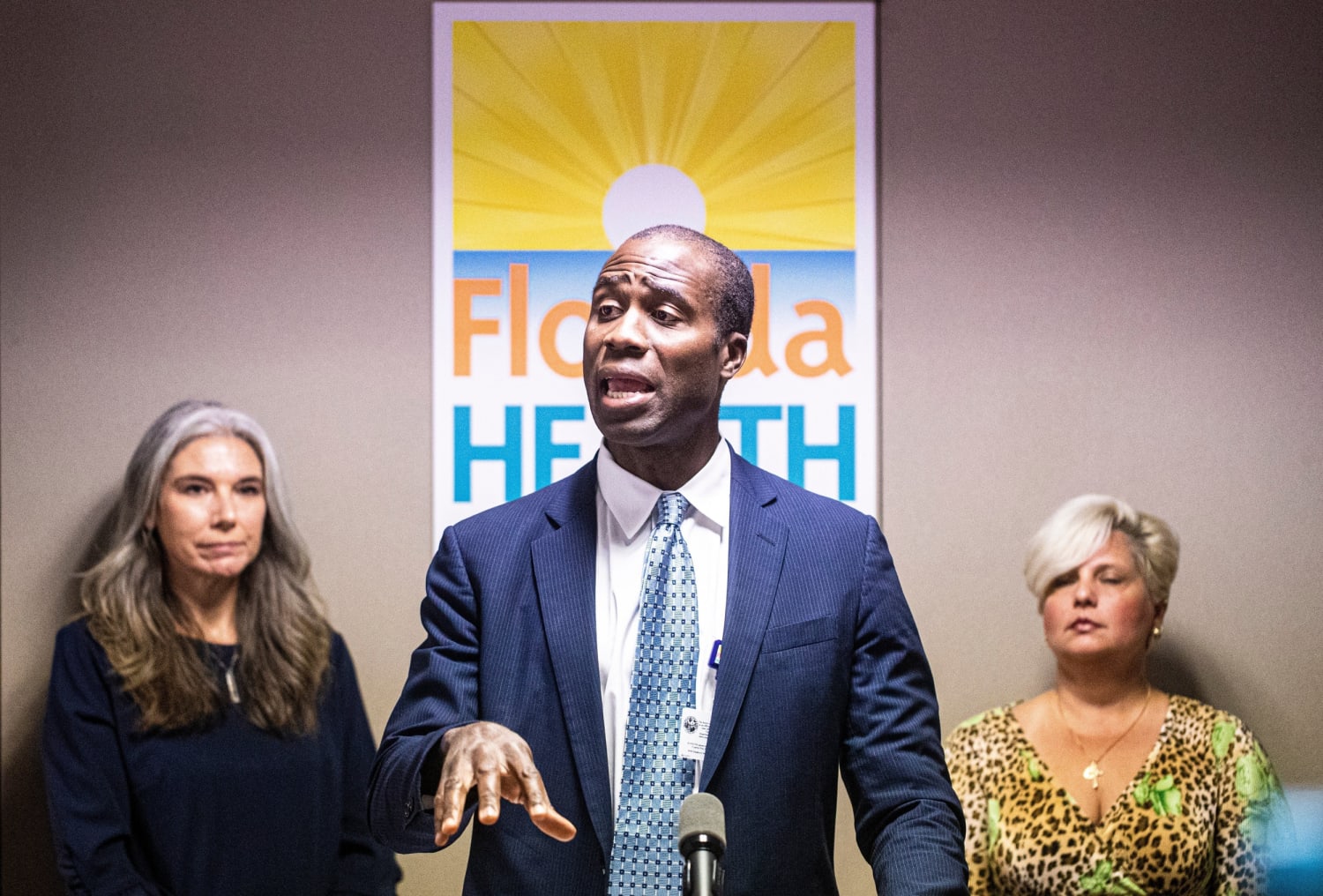
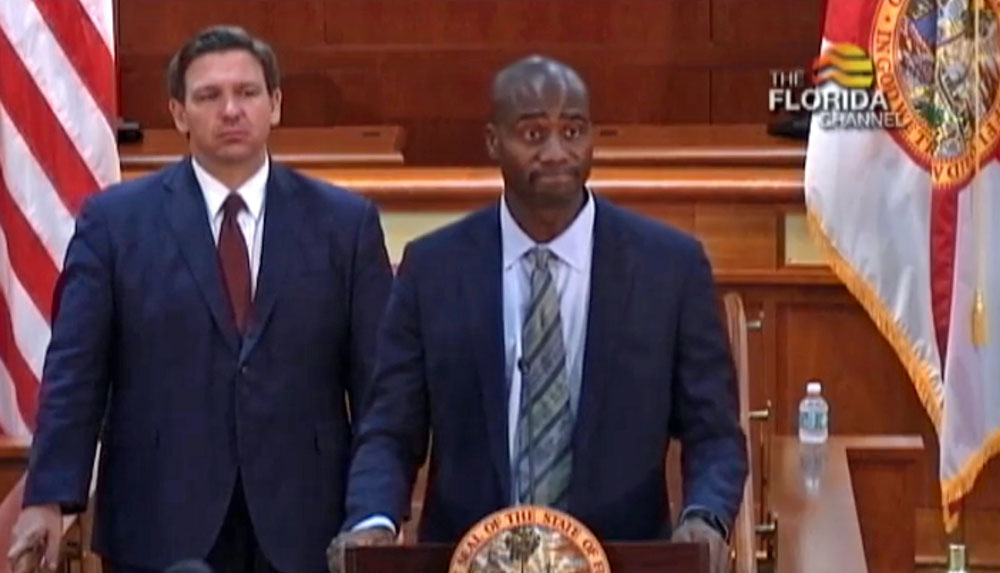
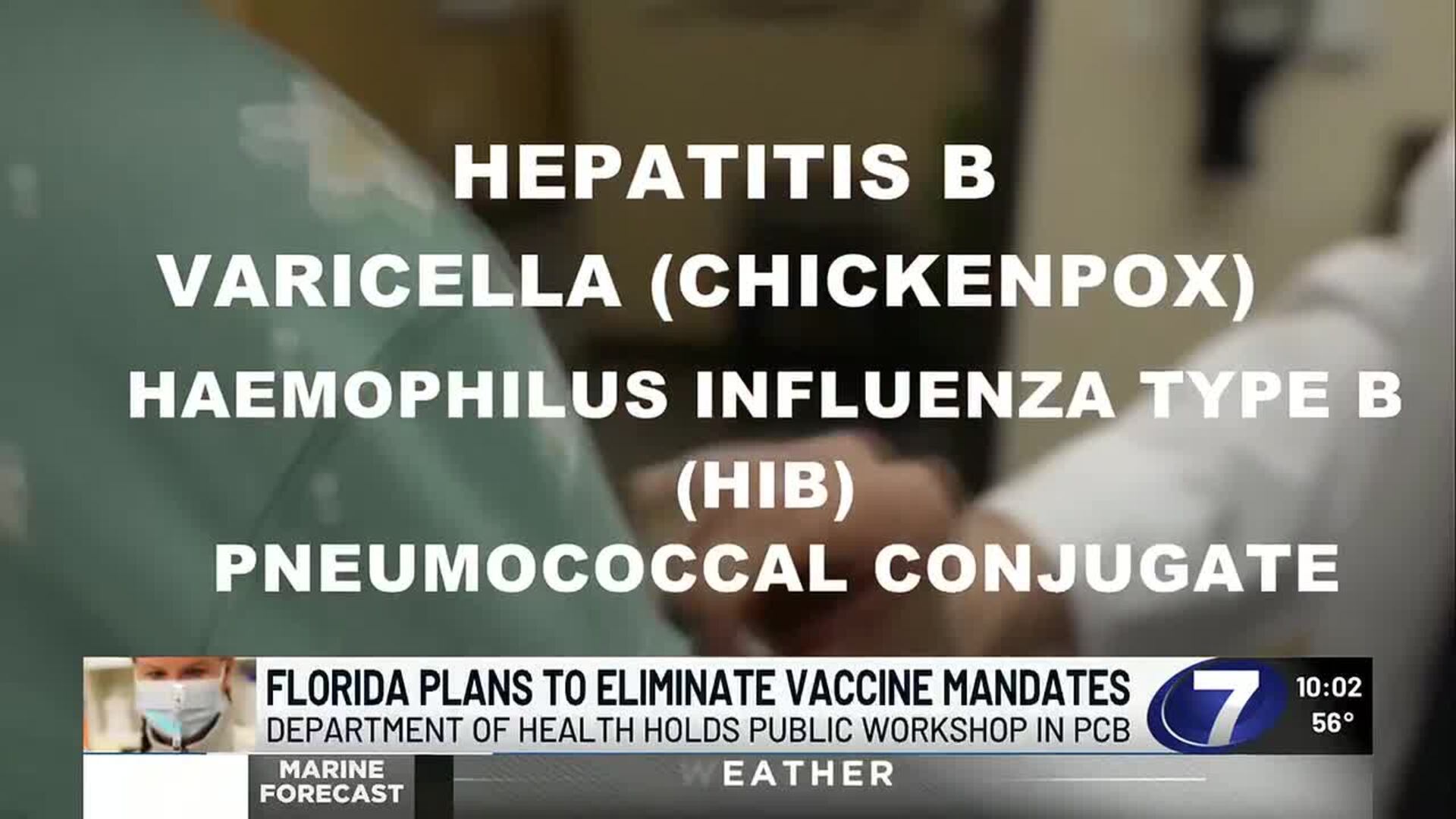
The vaccine mandate landscape is experiencing a profound regulatory disruption, with Florida emerging as a potential watershed moment in public health policy. At the core of this transformation, Governor Ron DeSantis and Surgeon General Dr. Joseph A. Ladapo are proposing a radical departure from established immunization requirements, targeting four critical childhood vaccines: chickenpox, hepatitis B, pneumococcal bacteria, and Haemophilus influenzae type B.
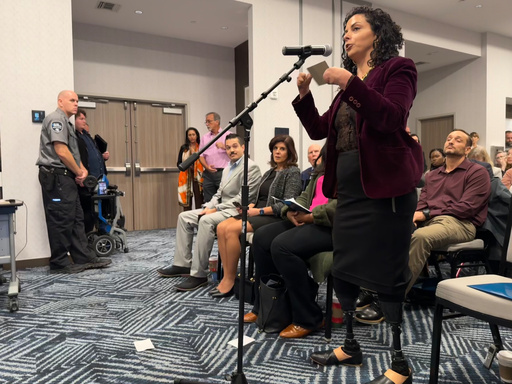
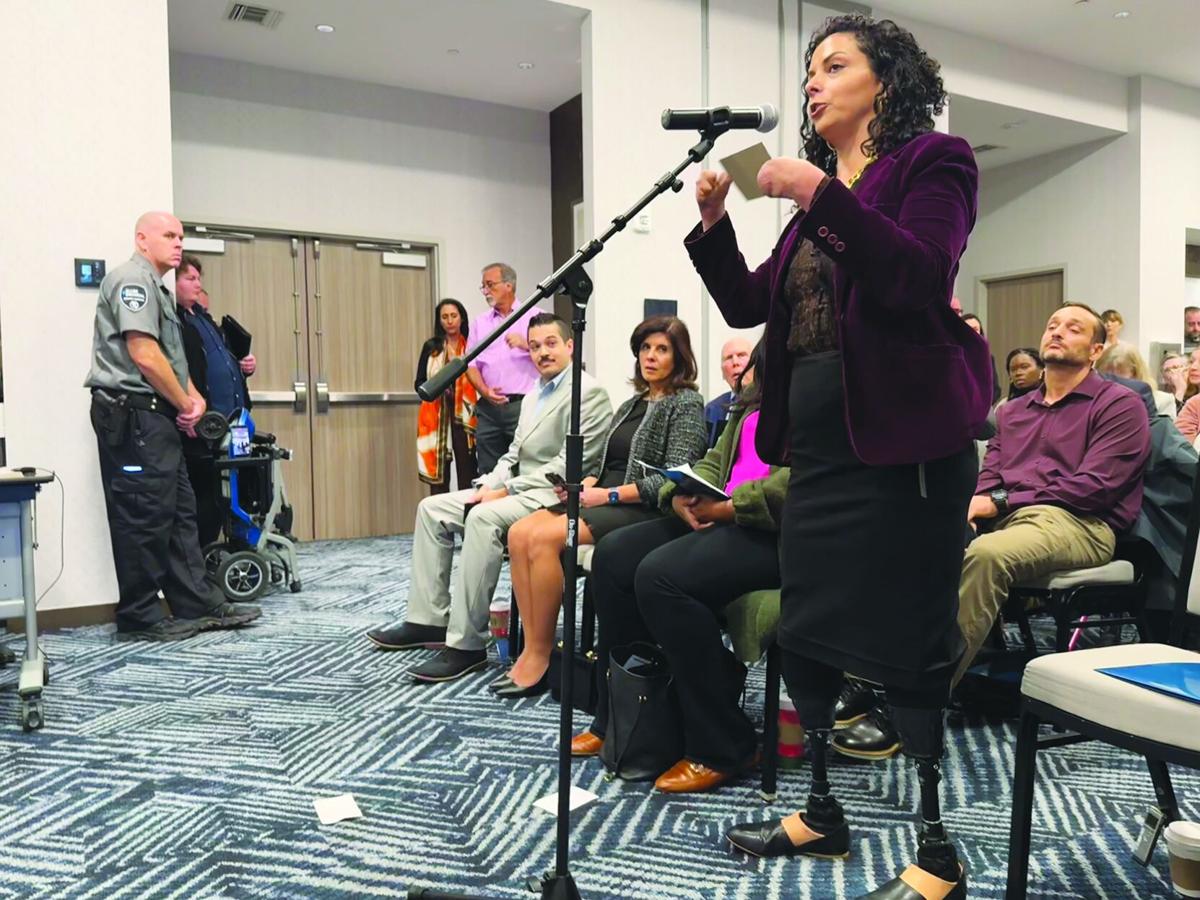
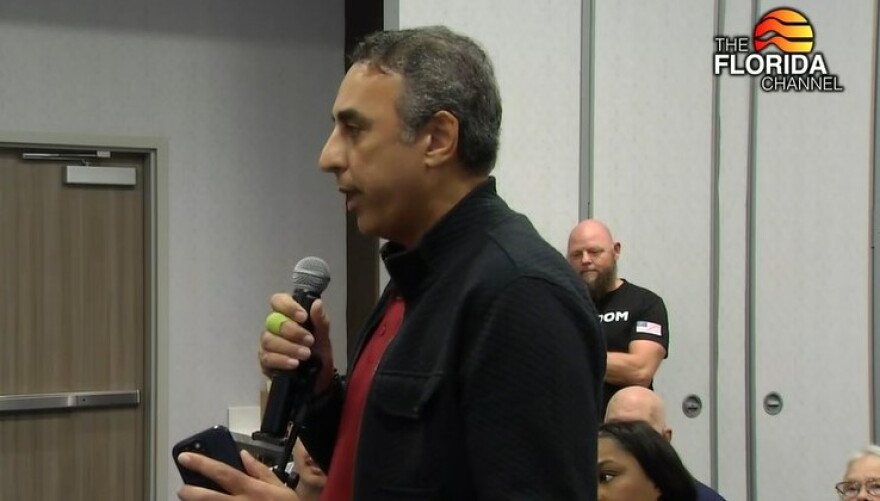
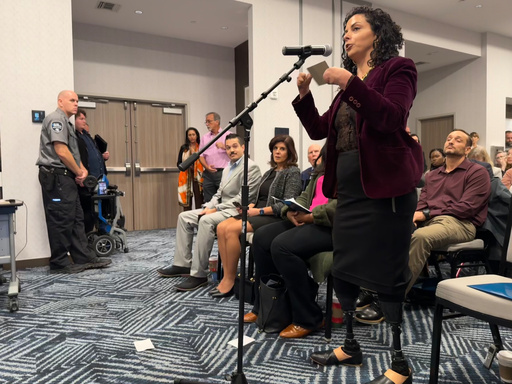
This policy initiative represents more than a local regulatory adjustment—it signals a broader national recalibration of individual medical autonomy versus public health protection. The September hearing in Panama City Beach, which drew approximately 100 passionate participants, crystallized the deep societal divisions. Parents advocating for personal freedom stood in stark contrast to medical professionals warning about potential disease resurgence, particularly against the backdrop of recent measles outbreaks in South Carolina and West Texas.
The strategic implications are profound. By potentially becoming the first state to completely eliminate school vaccine mandates, Florida is creating a regulatory experiment with national consequences. This move challenges the long-standing public health consensus that mandatory vaccination creates community-wide immunity. The proposal exposes a critical tension: the balance between individual choice and collective health risk mitigation.
Critically, this isn't just a local policy debate but a potential template for regulatory disruption in other states. The hearing represents an initial legislative probe that could reshape how states approach immunization policies. Medical experts emphasize the historical success of vaccine mandates in controlling infectious diseases, while proponents argue for expanded personal medical autonomy.
The broader context suggests a growing anti-vaccine sentiment intersecting with political movements prioritizing individual freedoms. This creates a complex regulatory environment where scientific consensus increasingly competes with personal choice narratives. For policymakers, healthcare providers, and public health strategists, Florida's initiative represents both a warning and a potential model for future regulatory approaches.
Questions 3
How might this policy change impact public health strategies nationwide?
Florida's proposal could serve as a potential regulatory template for other states, challenging the traditional public health approach of mandatory vaccination. It may accelerate debates about individual medical autonomy versus community health protection.
What specific vaccines are potentially being eliminated in Florida's proposed policy?
The proposed policy targets four childhood vaccines: chickenpox, hepatitis B, pneumococcal bacteria, and Haemophilus influenzae type B (Hib). This comprehensive elimination would be unprecedented in the United States.