



Vaccine Mandate Rebellion Erupts in Florida's Public Health Battleground
- Unprecedented policy shift challenges decades of established immunization protocols for school entry












Overview
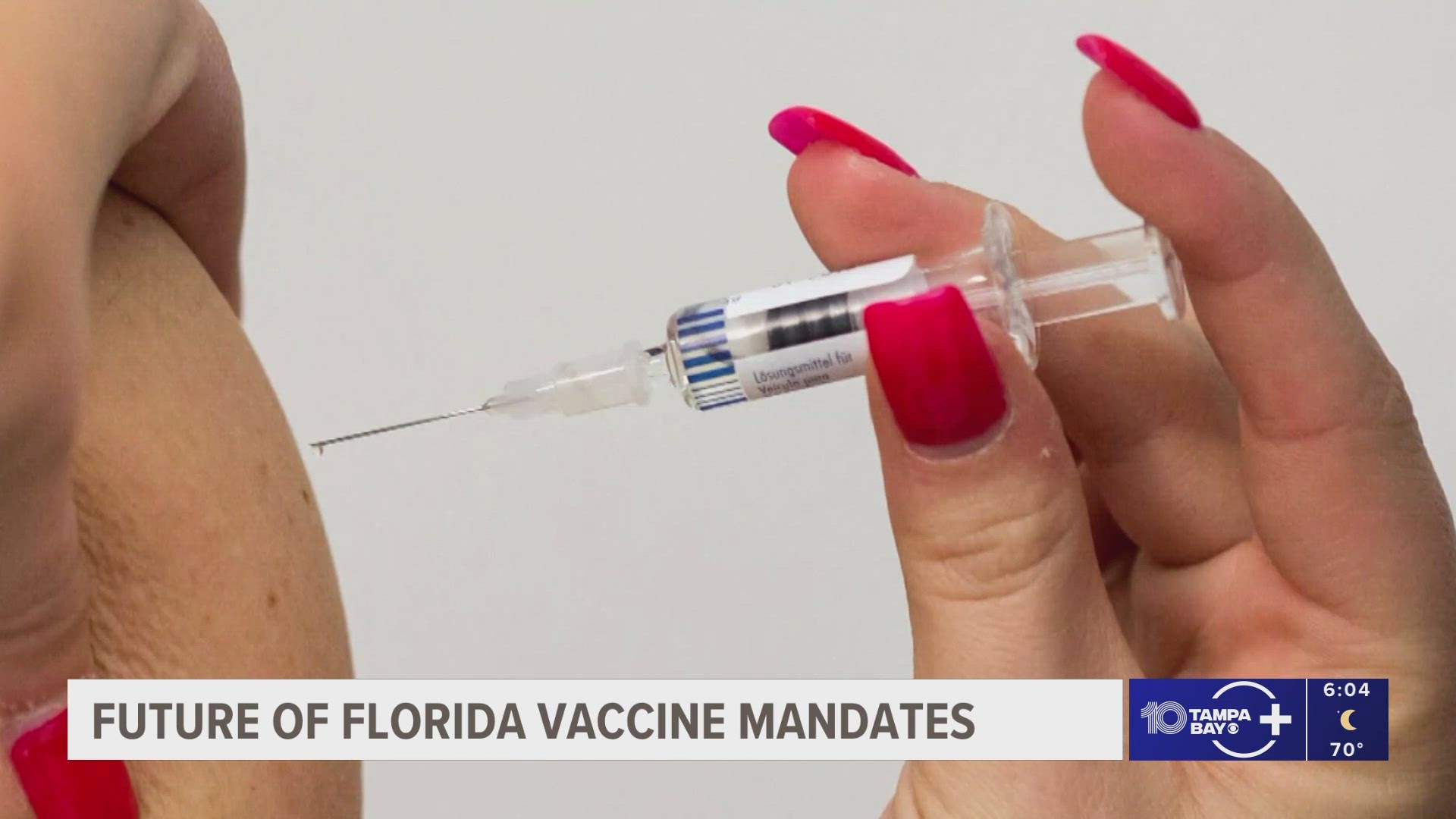
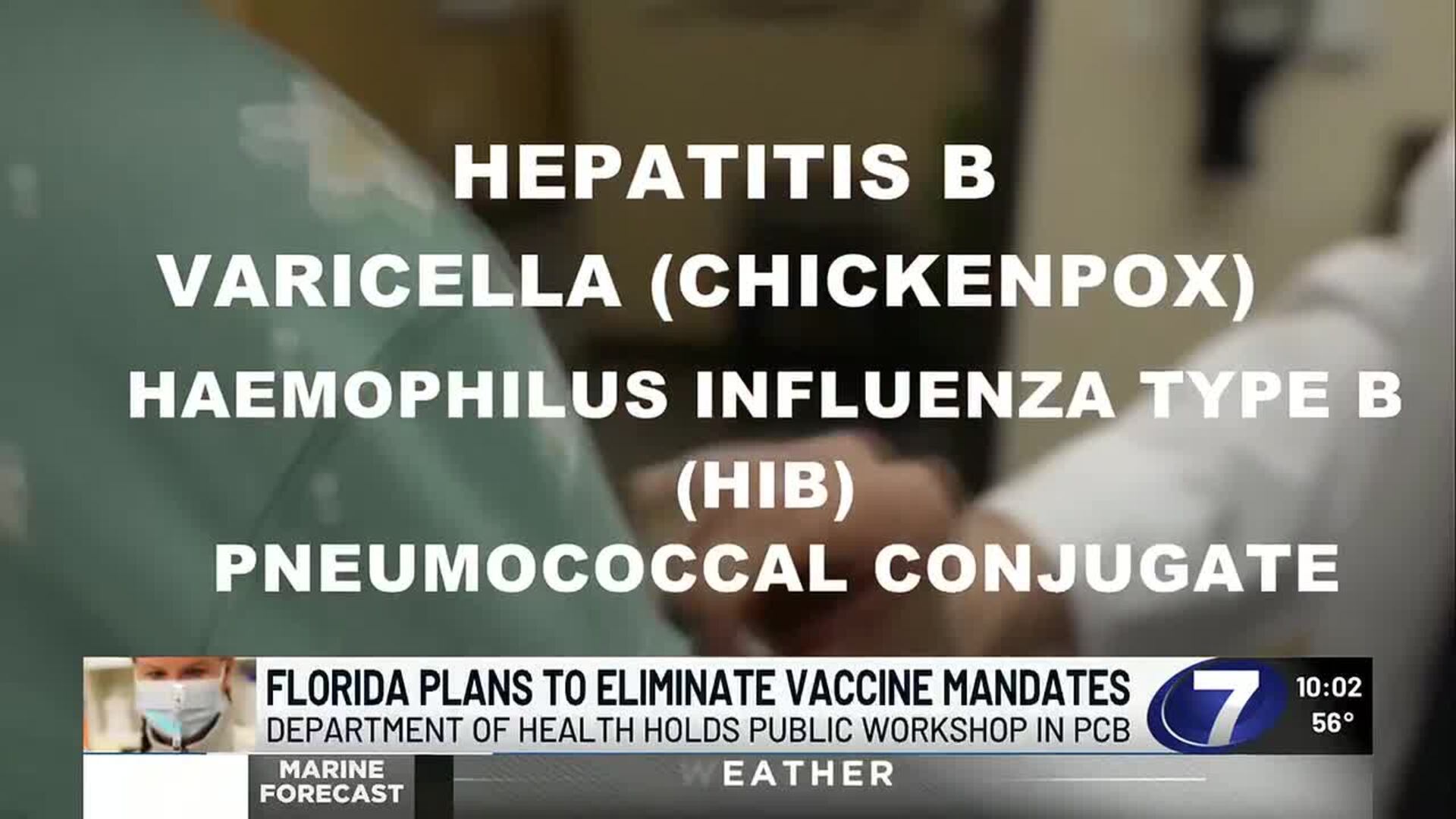
The vaccine mandate landscape is experiencing a seismic disruption in Florida, signaling a potentially transformative moment in public health policy. At the heart of this upheaval is a radical proposal by Florida's Department of Health to eliminate mandatory vaccinations for four critical childhood diseases: hepatitis B, chickenpox, Haemophilus influenzae type B (Hib), and pneumococcal bacteria.
Regulatory compliance dynamics are shifting dramatically, with an October poll revealing a significant surge in vaccine skepticism: 26% of U.S. adults now support ending school vaccine mandates, compared to just 19% in March. This represents more than a statistical blip—it's a fundamental challenge to established public health protocols.
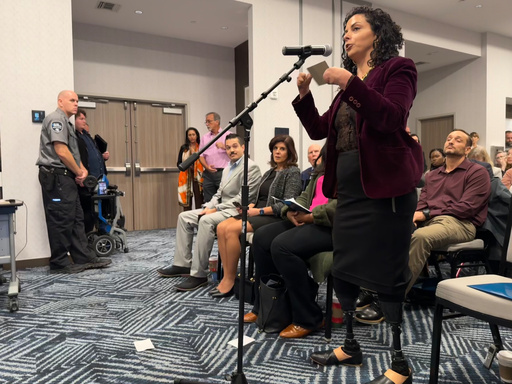
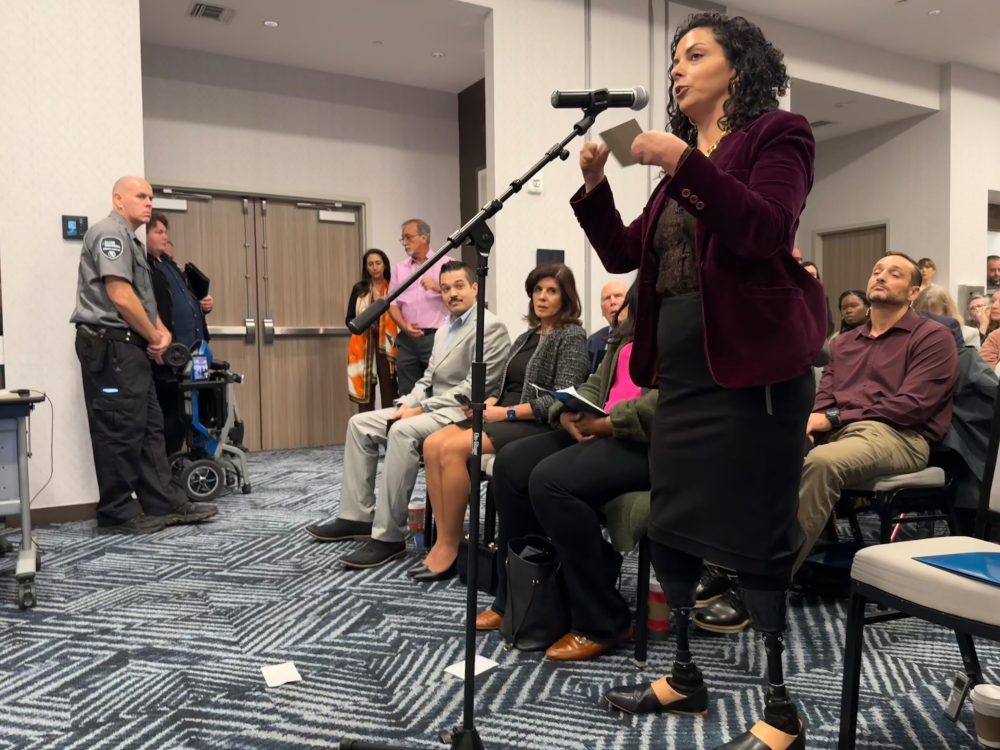
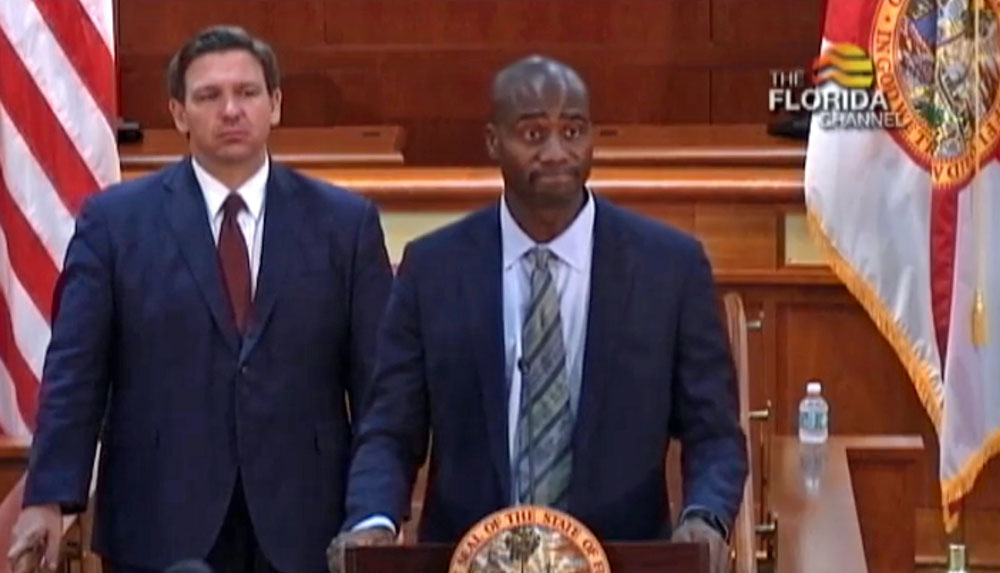
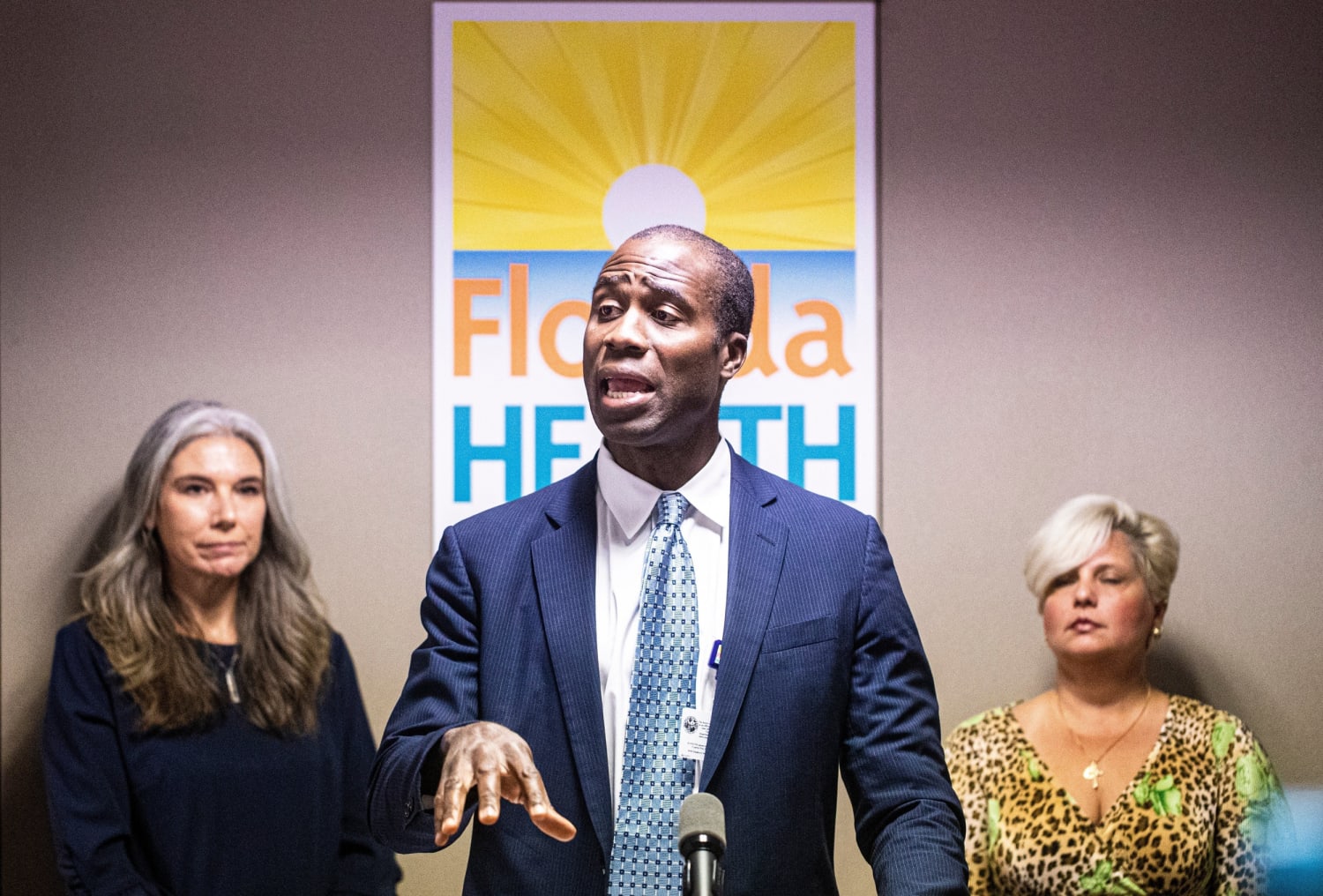
The proposed changes expose a deep ideological fracture. On one side, medical professionals like Dr. Paul Robinson passionately argue for vaccination, sharing firsthand experiences of treating preventable diseases. On the other, parent groups and political figures like Surgeon General Joseph Ladapo frame the issue as a personal freedom question, challenging decades of standardized public health approaches.
What makes this moment particularly significant is Florida's potential to become the first state to completely eliminate certain school vaccine requirements. This isn't just a local policy shift—it could establish a precedent for vaccine mandate challenges nationwide. The implications are profound: a successful implementation could trigger similar initiatives in other states, fundamentally restructuring how infectious disease prevention is approached in educational settings.
The broader context is equally critical. Recent disease outbreaks in South Carolina and West Texas underscore the potential public health risks of reduced vaccination rates. Yet, the growing anti-vaccine sentiment suggests a complex interplay between individual autonomy and collective health protection.
Strategically, this represents a regulatory compliance inflection point. For healthcare providers, educational institutions, and public health administrators, the proposed changes demand immediate strategic reassessment. The traditional compliance model is being challenged, requiring adaptive strategies that balance medical recommendations with emerging political and personal freedom narratives.
Questions 3
What specific vaccines are being considered for mandate removal in Florida?
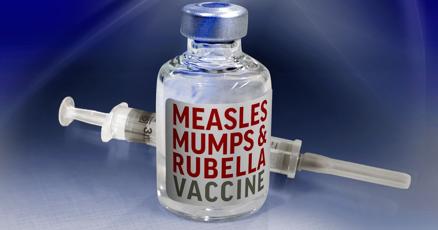
The Florida Department of Health is proposing to eliminate mandates for hepatitis B, chickenpox, Haemophilus influenzae type B (Hib), and pneumococcal bacteria vaccines. Importantly, mandates for polio, diphtheria, whooping cough, tetanus, measles, mumps, and rubella would require separate legislative action.
What is driving the push to eliminate vaccine mandates?
The movement is driven by a combination of factors: growing vaccine skepticism, a political emphasis on personal medical freedom, and challenges to traditional public health protocols. An October poll showed 26% of U.S. adults now support ending school vaccine mandates, up from 19% in March, indicating a shifting public sentiment.