


Diplomatic Chess: Erdogan's Nuanced Mediation in the Russia-Ukraine Conflict
- Turkey emerges as critical diplomatic bridge amid escalating geopolitical tensions

)










Overview
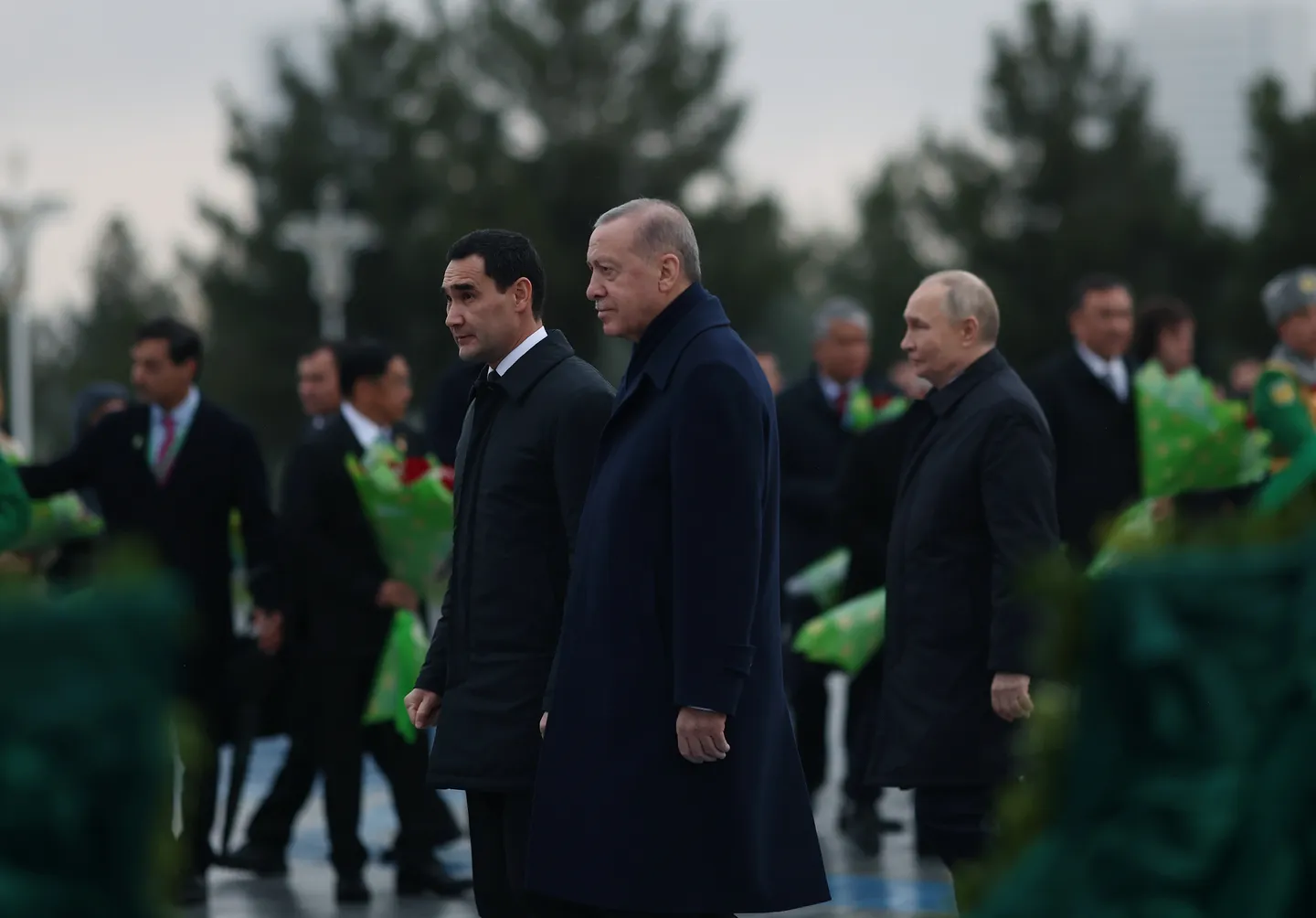
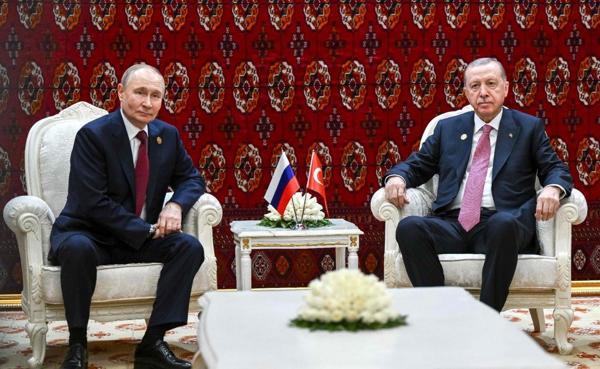
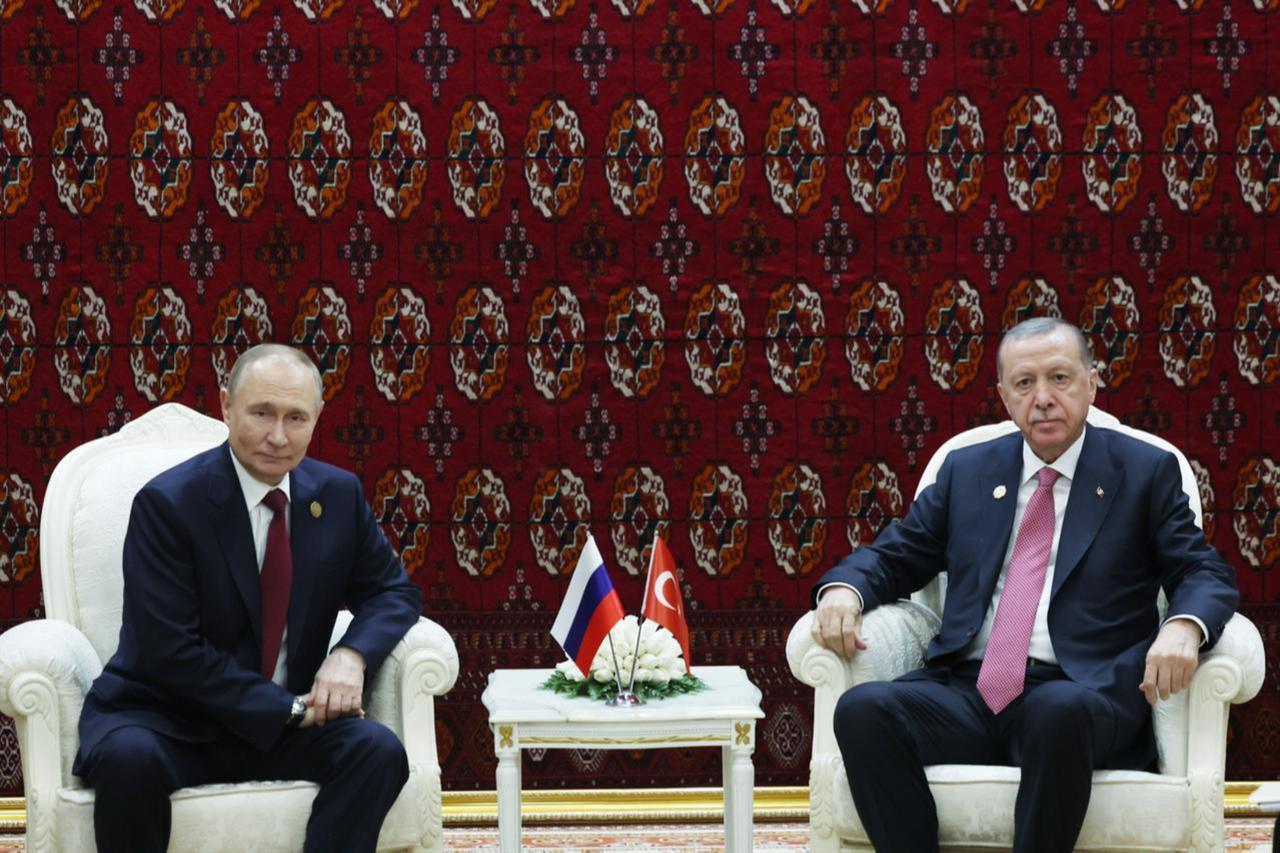
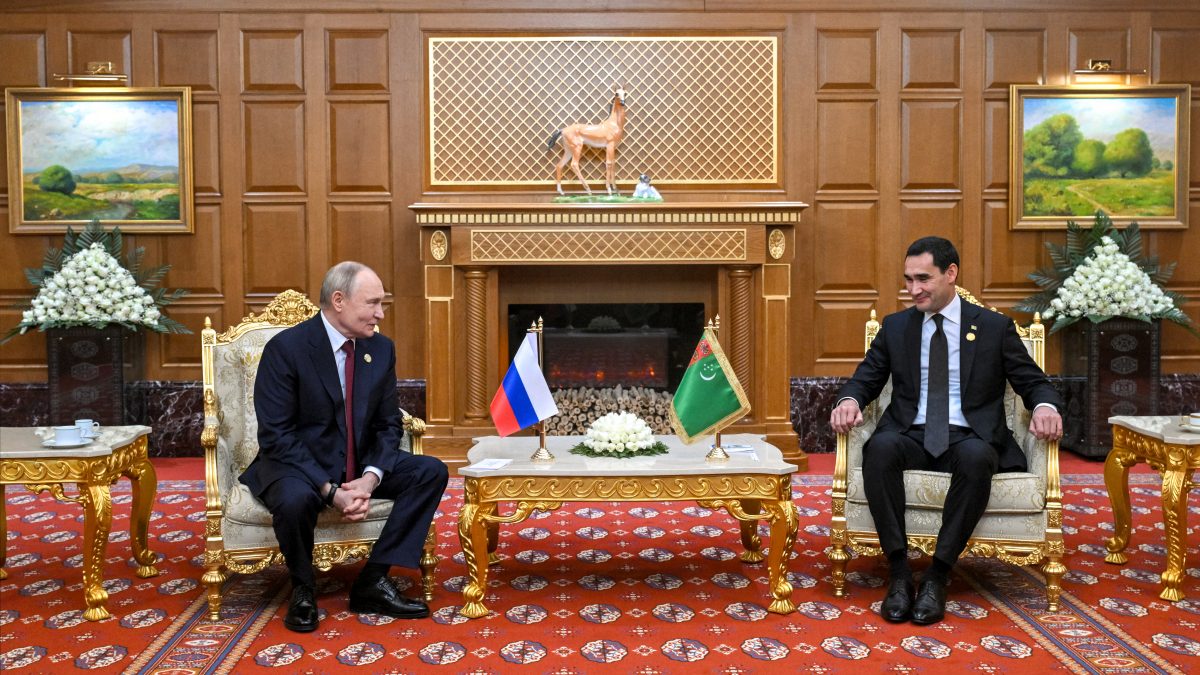
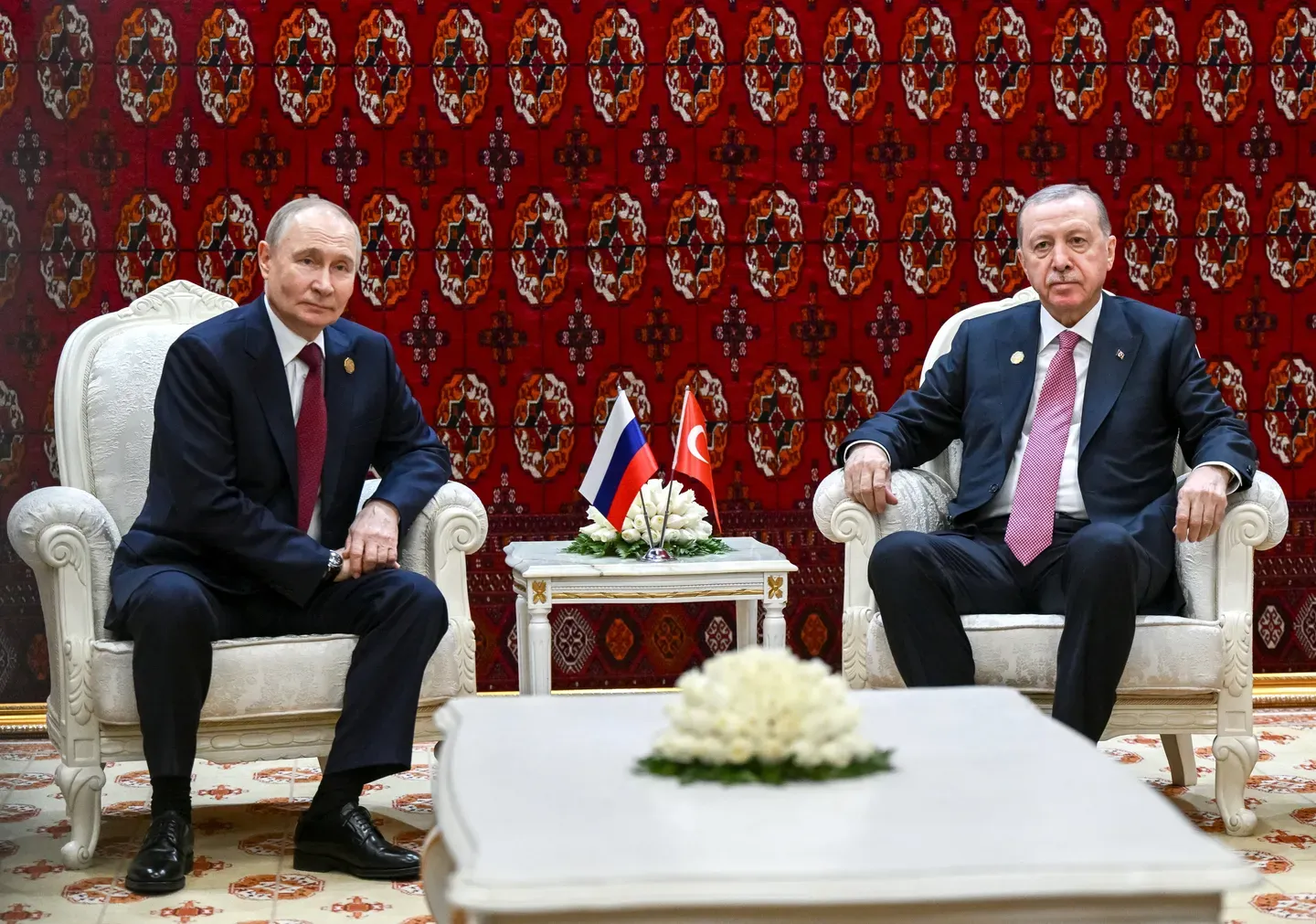
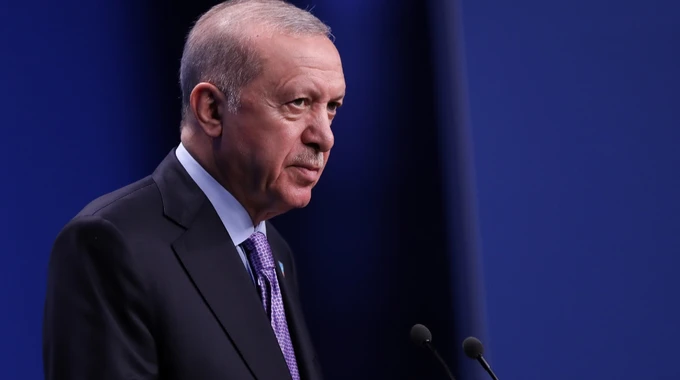
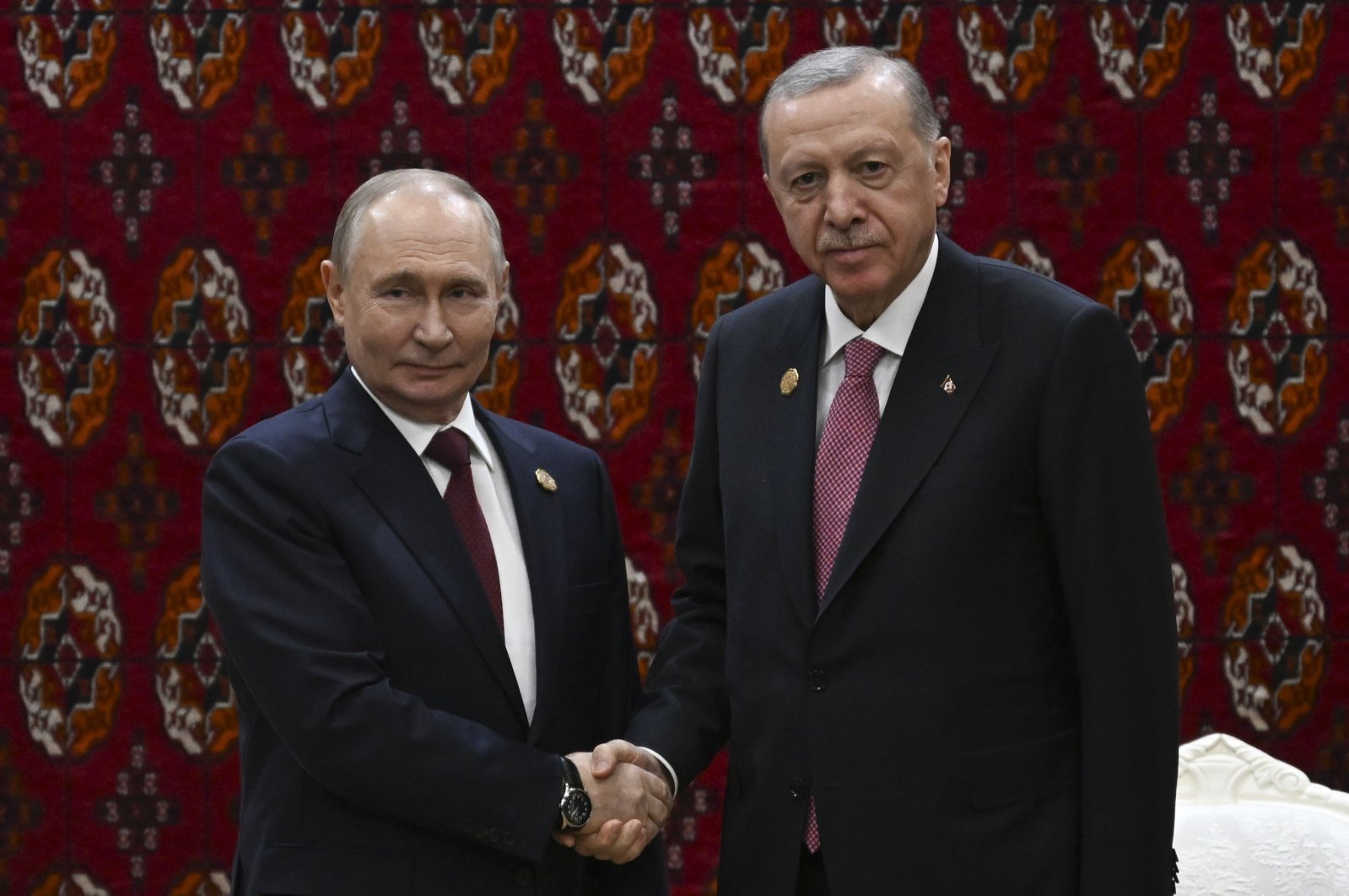
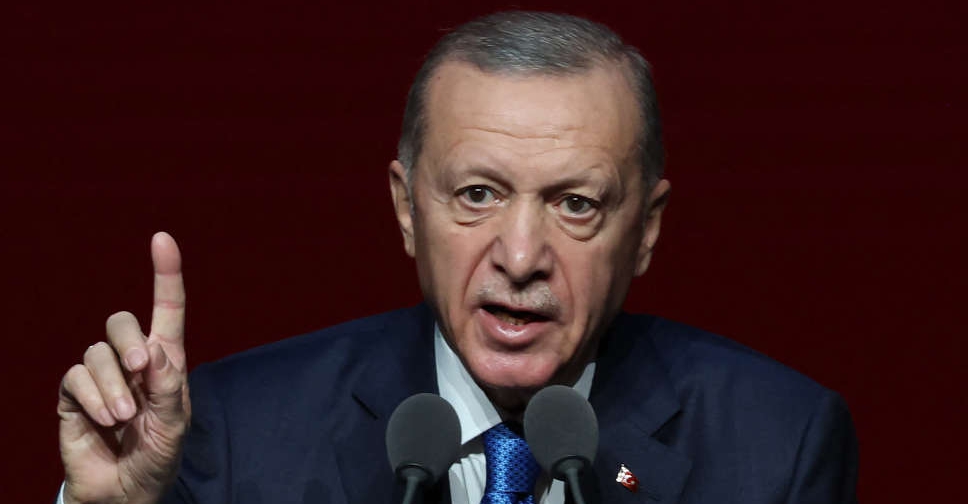
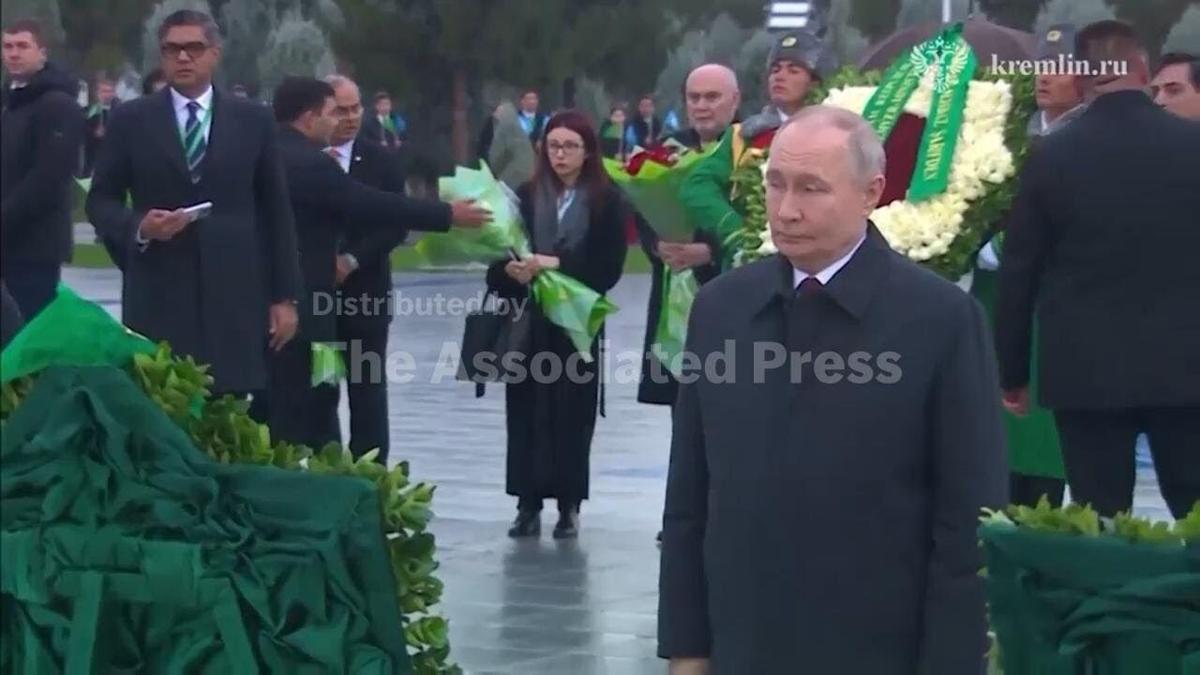
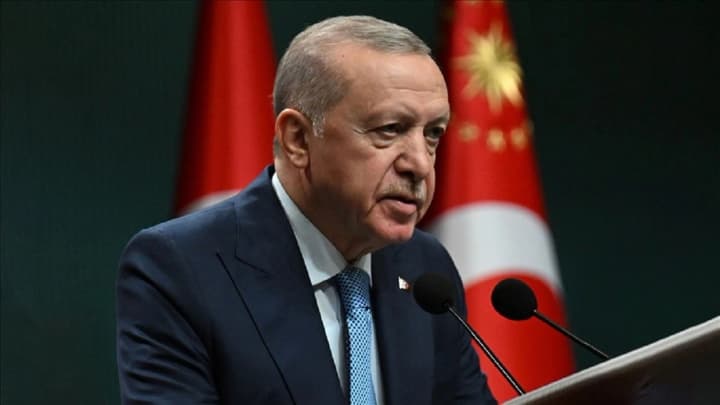
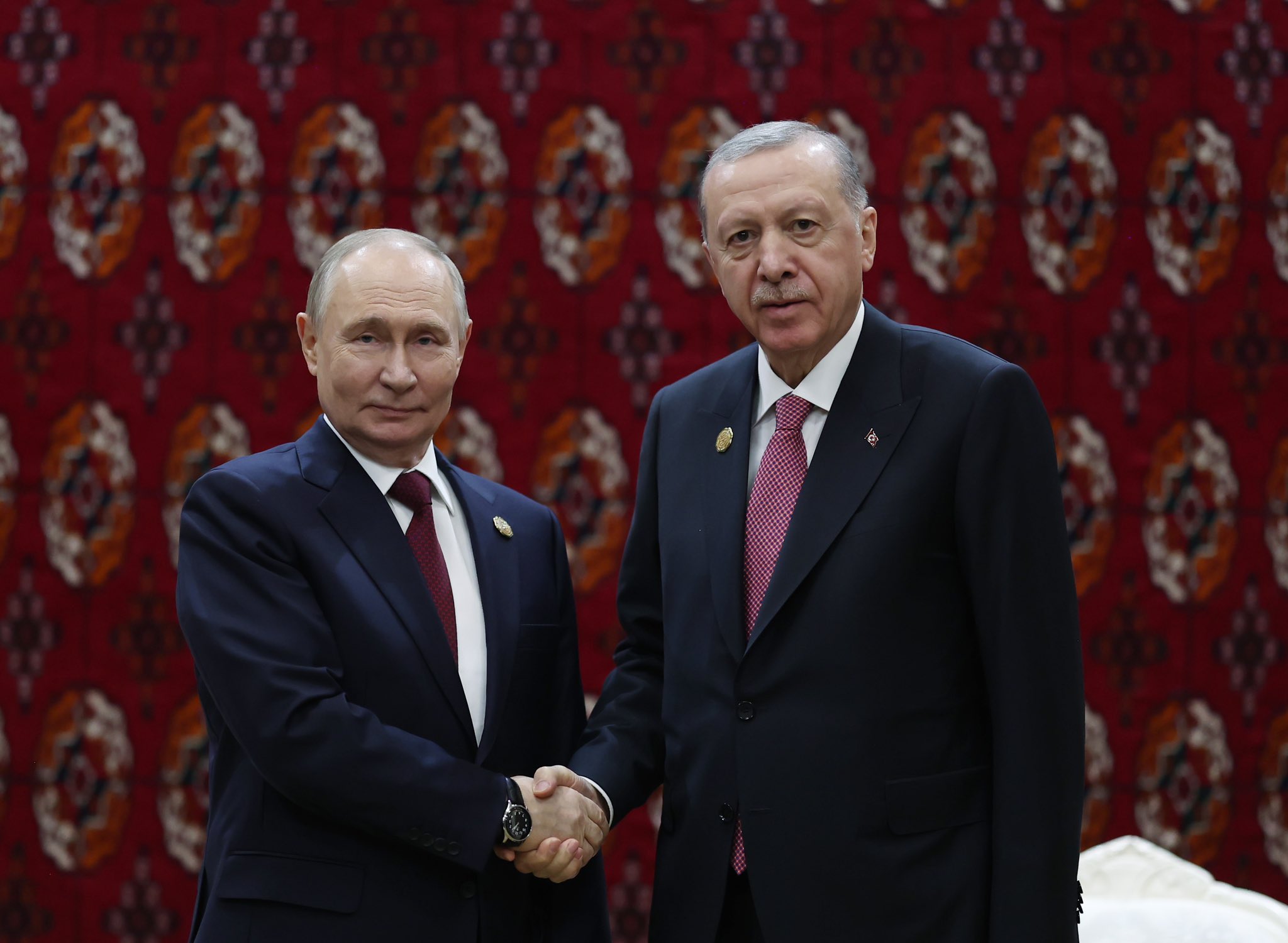
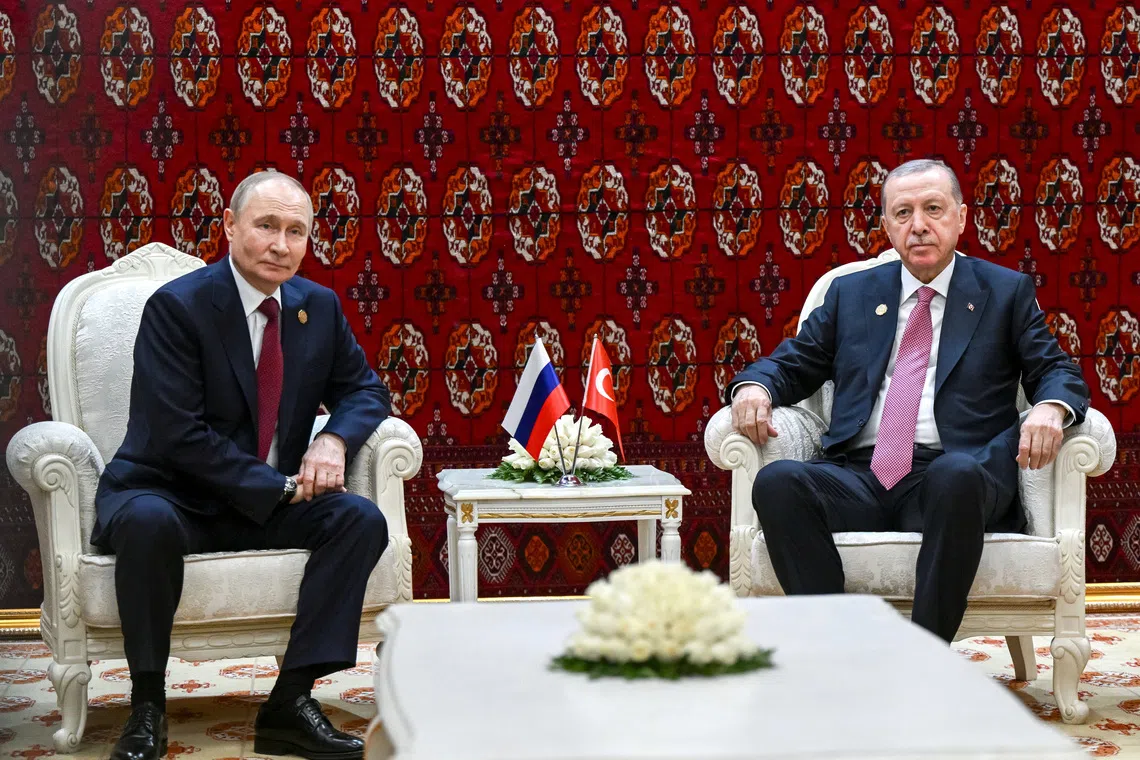
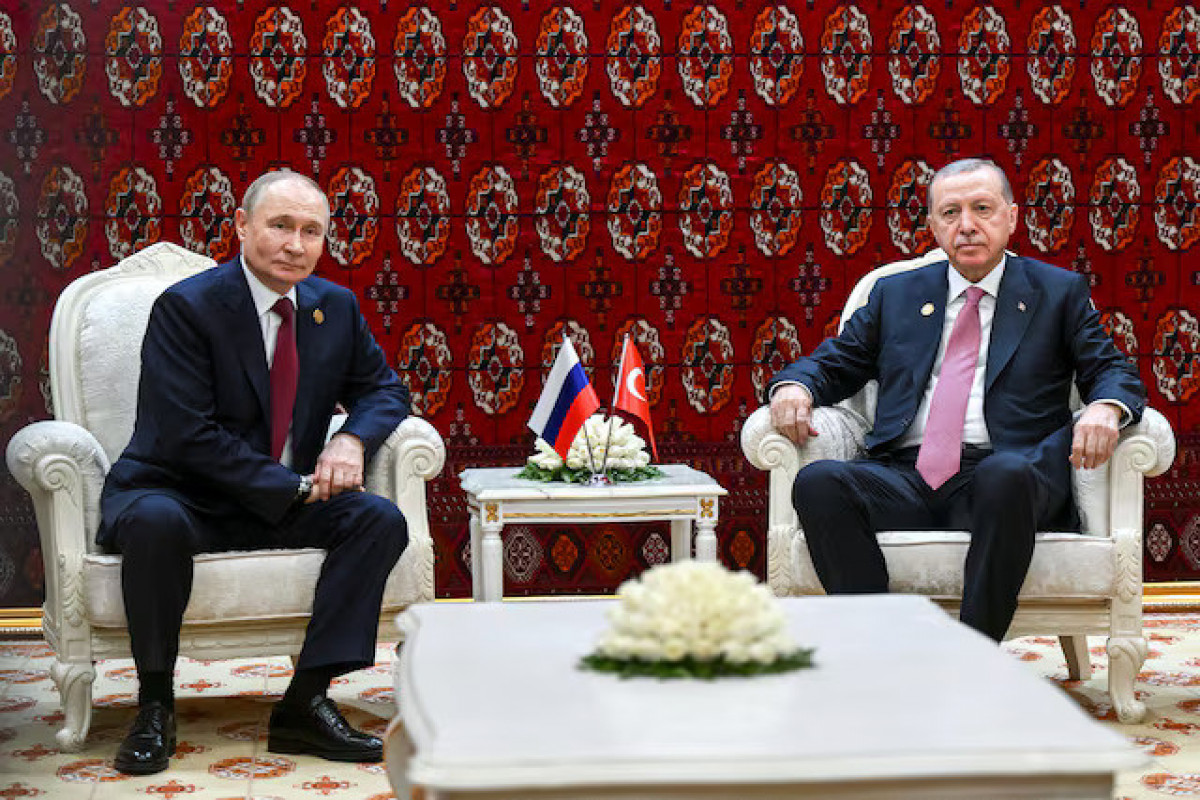
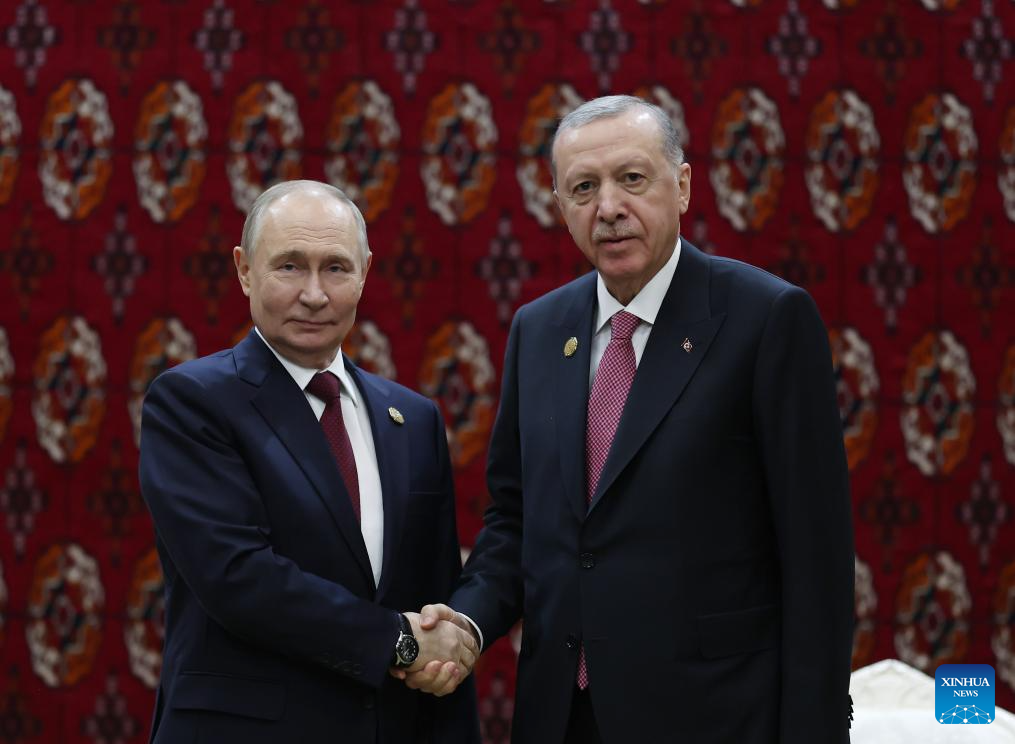
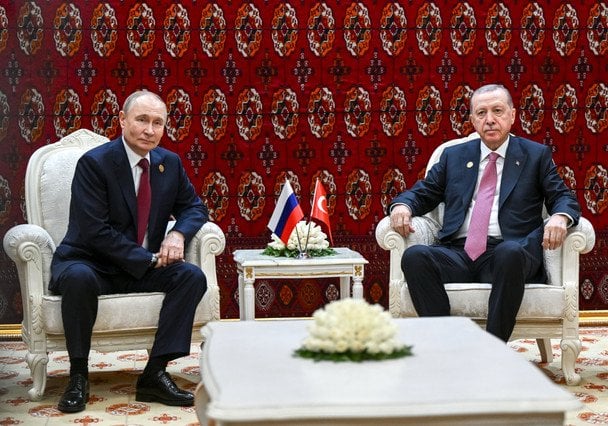
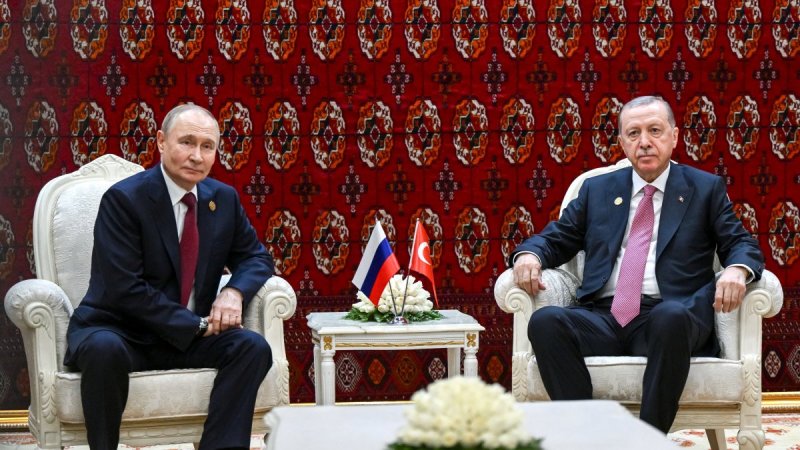
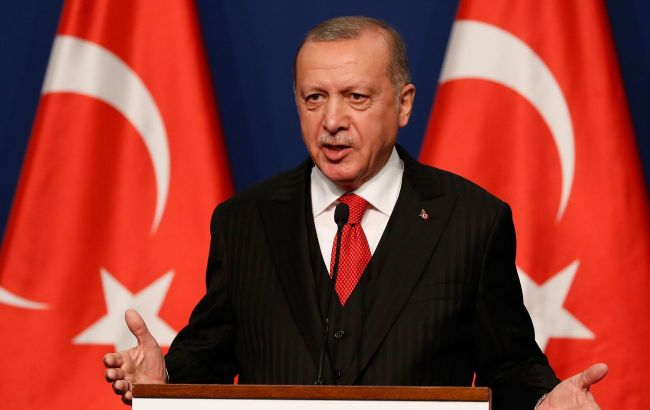
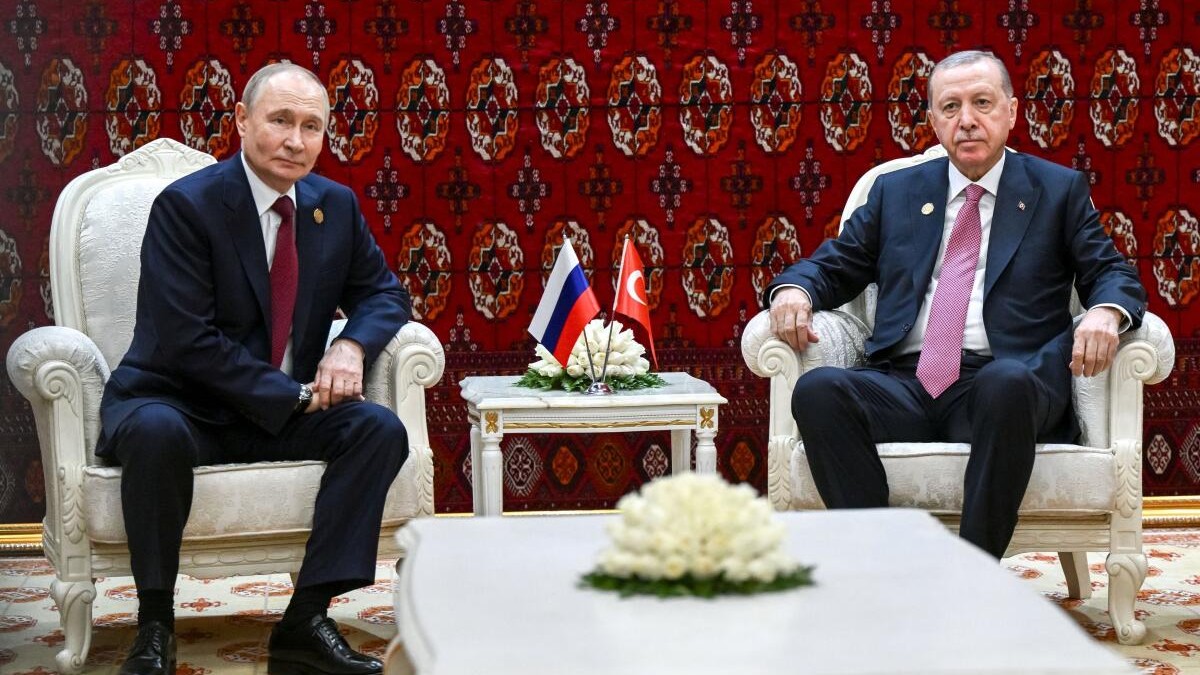
In a pivotal diplomatic moment, Turkish President Recep Tayyip Erdogan has positioned himself as a critical mediator in the Russia-Ukraine conflict, revealing a sophisticated geopolitical strategy that transcends traditional diplomatic approaches. The recent meeting with Russian President Vladimir Putin in Turkmenistan signals a nuanced intervention aimed at de-escalating tensions through targeted, strategic diplomacy.
Erdogan's peace proposal represents a groundbreaking approach to conflict resolution. By recommending a limited ceasefire specifically targeting energy infrastructure and maritime ports, he demonstrates an understanding of the conflict's economic and strategic dimensions. The proposal is not a blanket peace agreement, but a surgical diplomatic intervention designed to create breathing room for negotiations.
The strategic significance lies in Turkey's unique positioning. As a NATO member with strong economic ties to both Russia and Ukraine, Erdogan can navigate the complex geopolitical landscape with remarkable agility. His emphasis on preventing the Black Sea from becoming a confrontational zone reveals a deep understanding of regional dynamics. The maritime focus is particularly telling—by highlighting the potential disruptions to global trade and energy routes, Erdogan frames the conflict in economic terms that could motivate both sides to seek compromise.
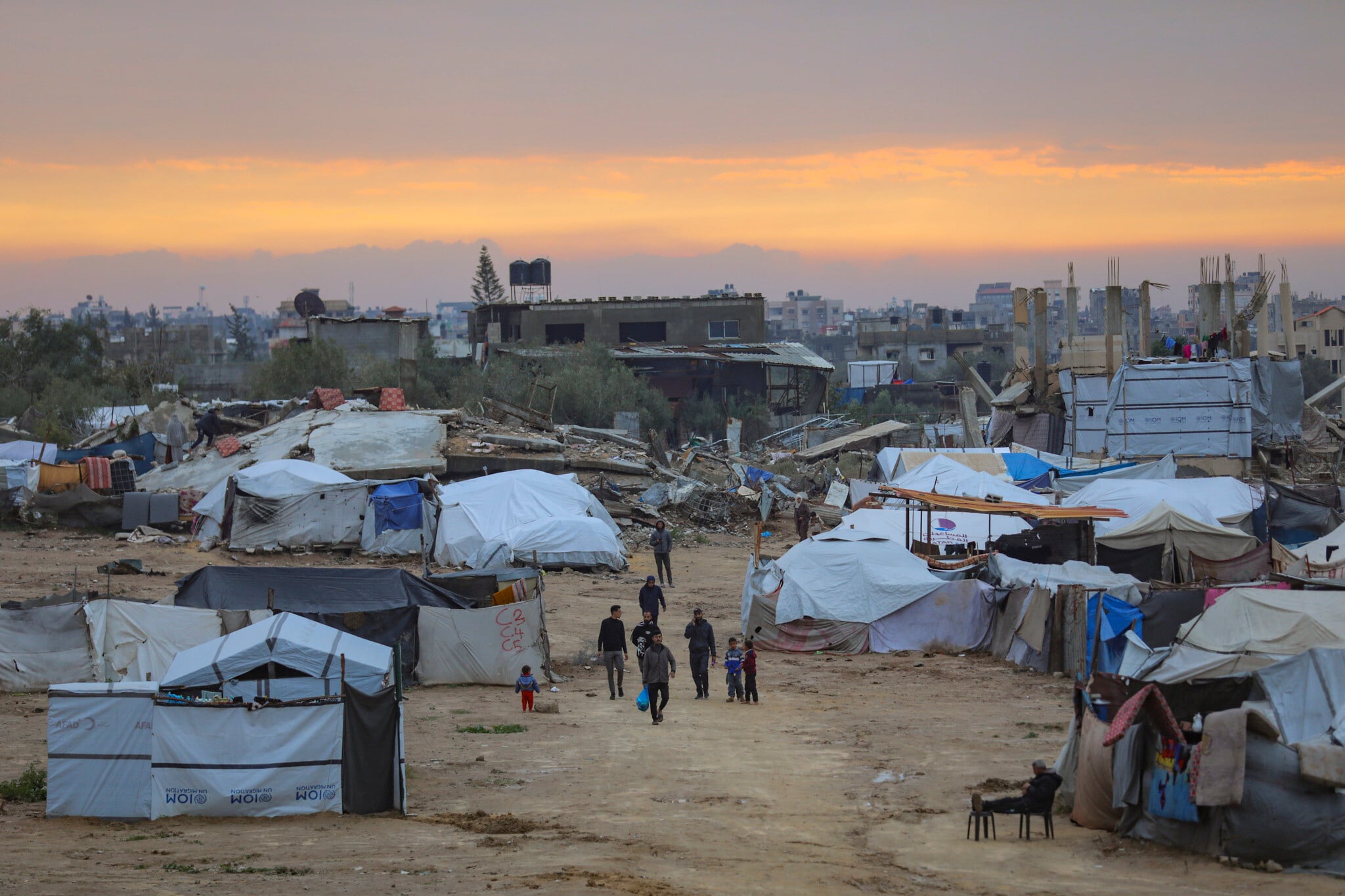
The diplomatic engagement comes with tangible risks and opportunities. Recent attacks on Turkish-owned vessels in Ukrainian ports underscore the volatility of the region. Yet, Erdogan's optimistic rhetoric—claiming "peace is not far away"—suggests a calculated diplomatic strategy. By maintaining open communication channels with both Putin and potential mediators like the US, Turkey is positioning itself as an indispensable diplomatic hub.
This approach represents more than traditional mediation. It's a sophisticated geopolitical chess move that transforms Turkey from a regional player to a potential global diplomatic catalyst. The proposed partial ceasefire is not just about stopping conflict, but about creating strategic pauses that could reshape the entire geopolitical landscape.
Questions 3
What are the potential risks of Turkey's diplomatic intervention?
The primary risks include potential backlash from either Russia or Ukraine if the mediation is perceived as biased. Additionally, the recent attacks on Turkish vessels demonstrate the volatile nature of the conflict, which could complicate diplomatic efforts.
What makes Erdogan's partial ceasefire proposal different from previous peace attempts?
Unlike broad peace proposals, Erdogan's strategy focuses on specific, strategic sectors like energy infrastructure and maritime ports. This targeted approach creates controlled de-escalation zones, potentially providing a practical pathway to broader negotiations.