



Marine Predators Rewrite the Rules of Survival Cooperation
- Groundbreaking study reveals unexpected collaborative strategies in marine ecosystems







Overview
In a remarkable scientific breakthrough, marine ecologists have uncovered a profound shift in understanding predator interactions that challenges fundamental assumptions about competitive behavior in nature. Interspecies cooperation between killer whales and dolphins represents more than just an isolated incident—it signals a sophisticated adaptive strategy that could revolutionize our comprehension of marine ecosystem dynamics.
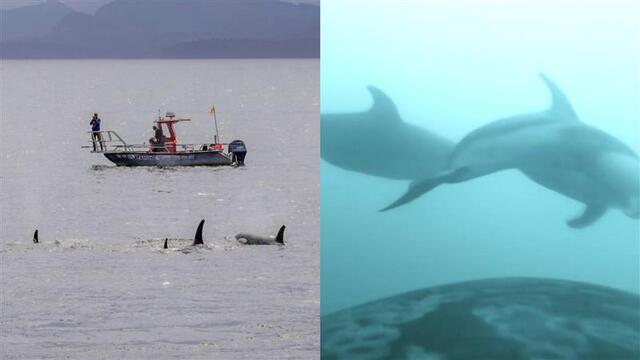
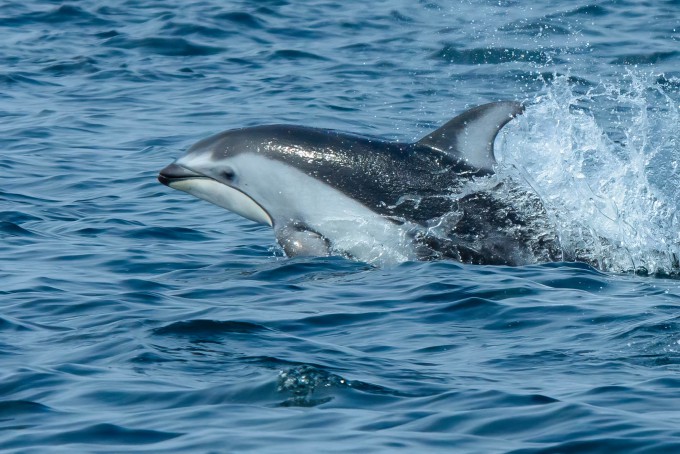
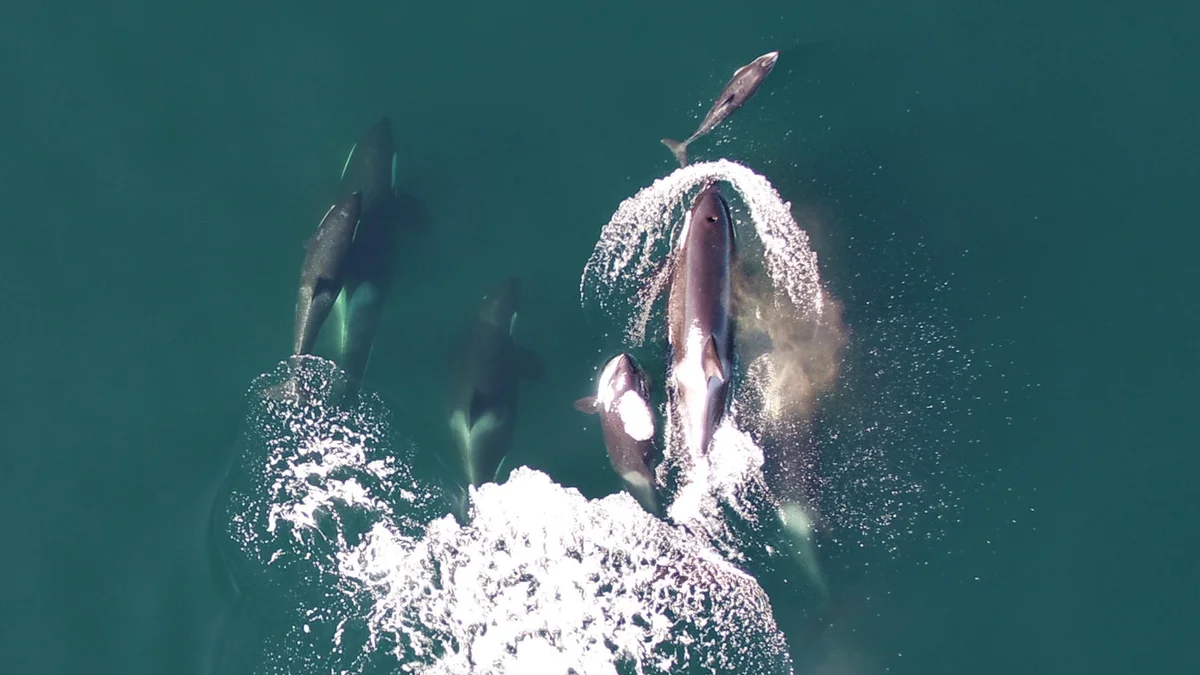
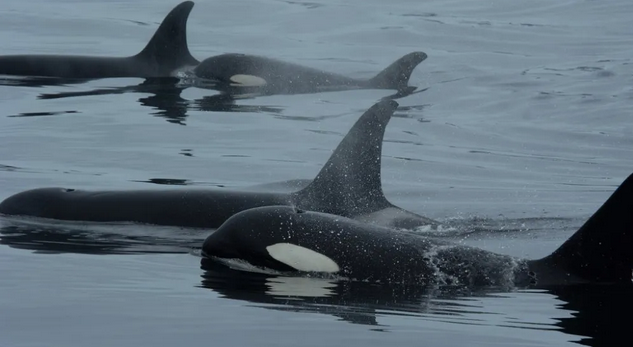
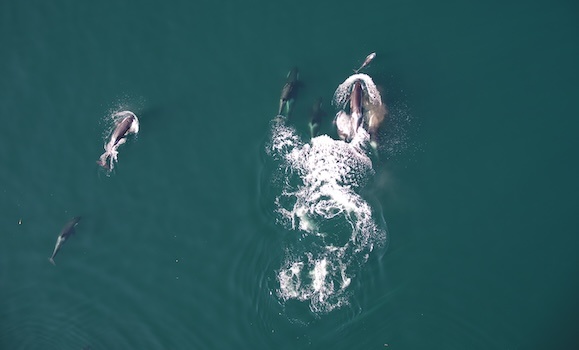
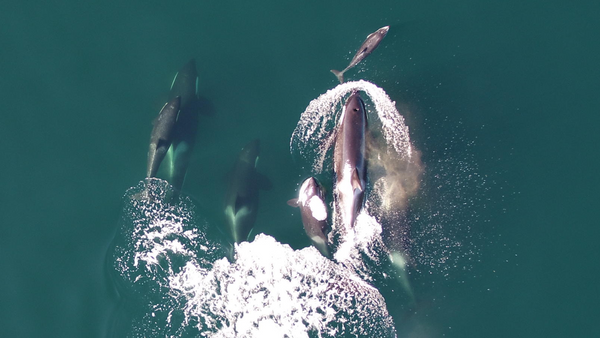
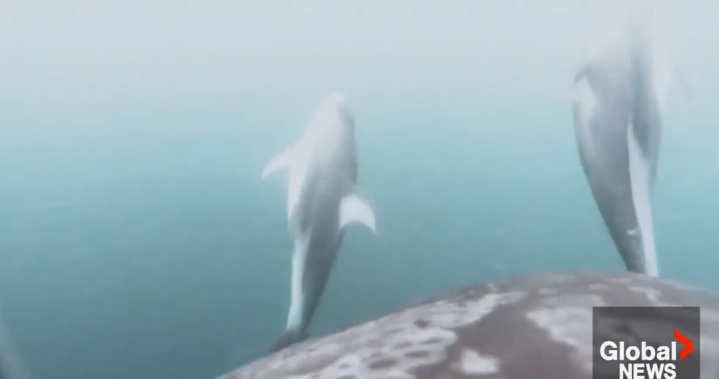
Unprecedented Collaborative Hunting Reveals Complex Ecological Intelligence The research, published in Nature, documented 25 distinct interactions where northern resident killer whales and Pacific white-sided dolphins strategically collaborated while hunting Chinook salmon. Using advanced tracking methods including acoustic data and underwater cameras, scientists observed these predatory species coordinating hunting efforts during seasonal migrations, demonstrating a level of strategic intelligence that defies traditional ecological models.
Breaking Competitive Paradigms What makes this discovery truly groundbreaking is how it subverts expected predatory behaviors. Typically, competing species exhibit territorial conflicts, yet these marine mammals showed no signs of aggression. Instead, they displayed a cooperative approach that suggests mutual ecological advantages emerge when traditional competitive boundaries are transcended. The collaborative hunting technique allows both species to more effectively target concentrated salmon populations, indicating that survival strategies can evolve beyond zero-sum competition.
The implications extend far beyond this specific marine ecosystem. This research challenges long-held scientific assumptions about interspecies interactions, suggesting that adaptive cooperation might be a more prevalent survival mechanism than previously understood. By revealing how intelligent predators can strategically coordinate despite apparent resource competition, the study opens new avenues for understanding complex ecological networks.
Researchers emphasize that further investigation is needed to determine whether this behavior represents a consistent pattern or a unique circumstance. However, the initial findings powerfully illustrate nature's capacity for nuanced, intelligent adaptation—where collaboration can emerge as a more effective survival strategy than pure competition.
Questions 3
What are the broader scientific implications of this discovery?
This research suggests that ecological survival strategies might be more complex than traditional competitive models. It indicates that intelligent species can develop cooperative approaches that provide mutual advantages, potentially reshaping our understanding of interspecies dynamics in marine ecosystems.
What technological methods enabled this groundbreaking research?
Researchers used advanced tracking technologies including acoustic data collection, aerial and underwater footage, and cameras directly attached to killer whales. These methods allowed unprecedented detailed observation of marine mammal interactions during hunting scenarios.