


Iran War Energy Crisis Drives 50-200% EV Sales Surge | Seller Logistics Impact
- Strait of Hormuz blockade affects 25-40 countries; shipping costs surge 8-15% for cross-border sellers; renewable energy investments create new product opportunities in EV components and battery technology


















Overview
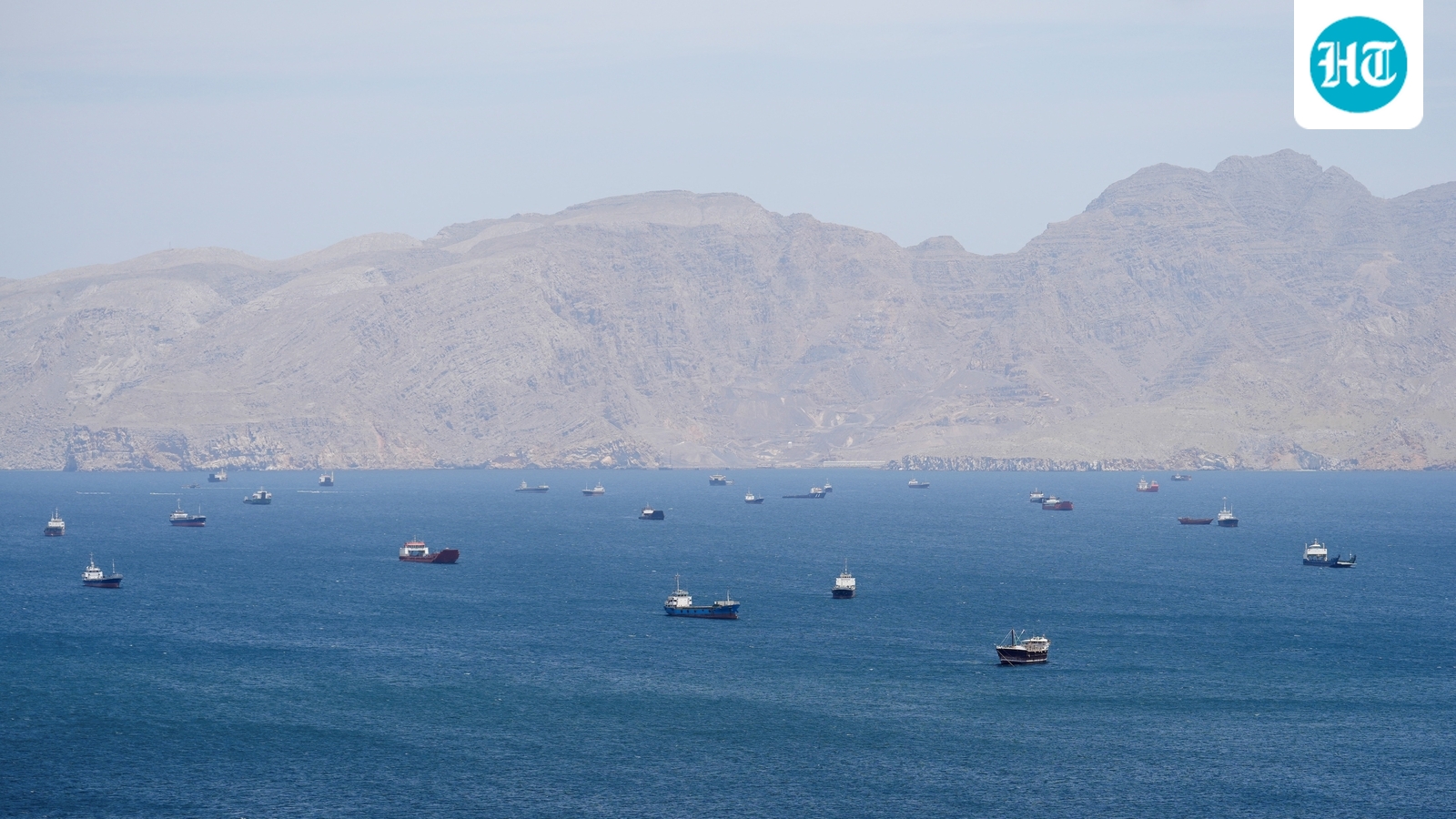
The Iran conflict beginning February 28, 2026, has triggered a geopolitical energy crisis with profound implications for cross-border e-commerce sellers. The blockade of the Strait of Hormuz—which handles 20% of global oil and natural gas supplies—has created critical fuel shortages affecting 25-40 countries and disrupting international shipping logistics that sellers depend on. Airlines across Europe, Africa, and New Zealand have cancelled hundreds of flights, with small carriers facing bankruptcy due to skyrocketing jet fuel prices. This directly impacts air freight logistics critical for time-sensitive cross-border deliveries.
Immediate Operational Impact for Sellers: Elevated shipping costs represent the most pressing concern. Fuel surcharges from logistics providers are expected to increase 8-15% for sellers shipping high volumes, with particular pressure on developing market sellers who operate on tighter margins. The crisis has forced Asian economies to implement emergency energy measures including speed limit reductions and remote work mandates, disrupting warehouse operations and fulfillment timelines. Sellers should expect 3-7 day delays in air freight deliveries and potential cancellations of time-sensitive shipments through Q2-Q3 2026.
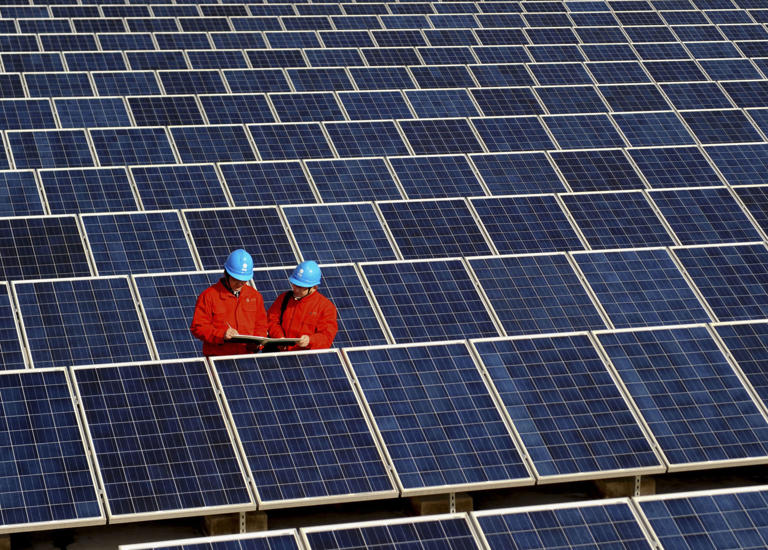
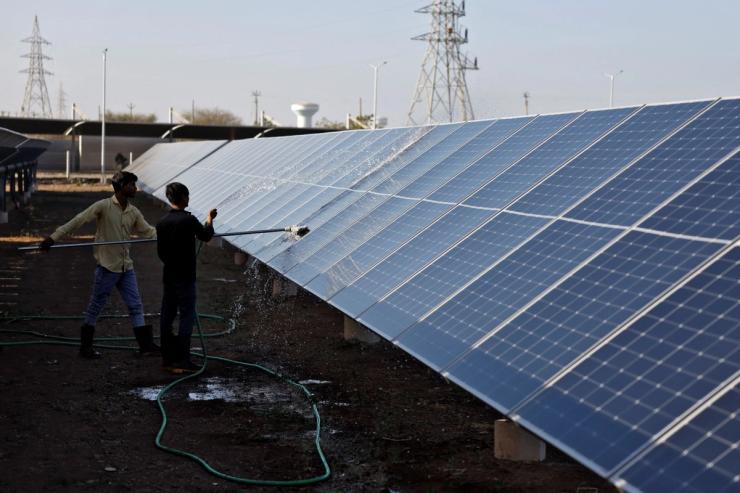
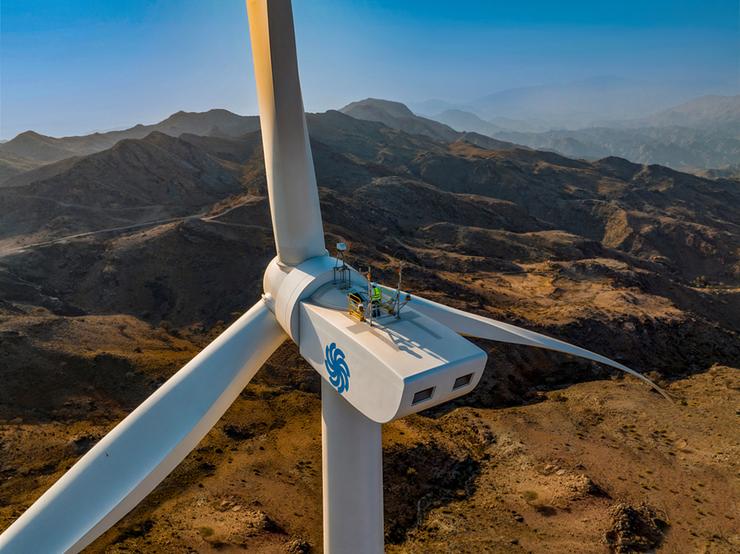
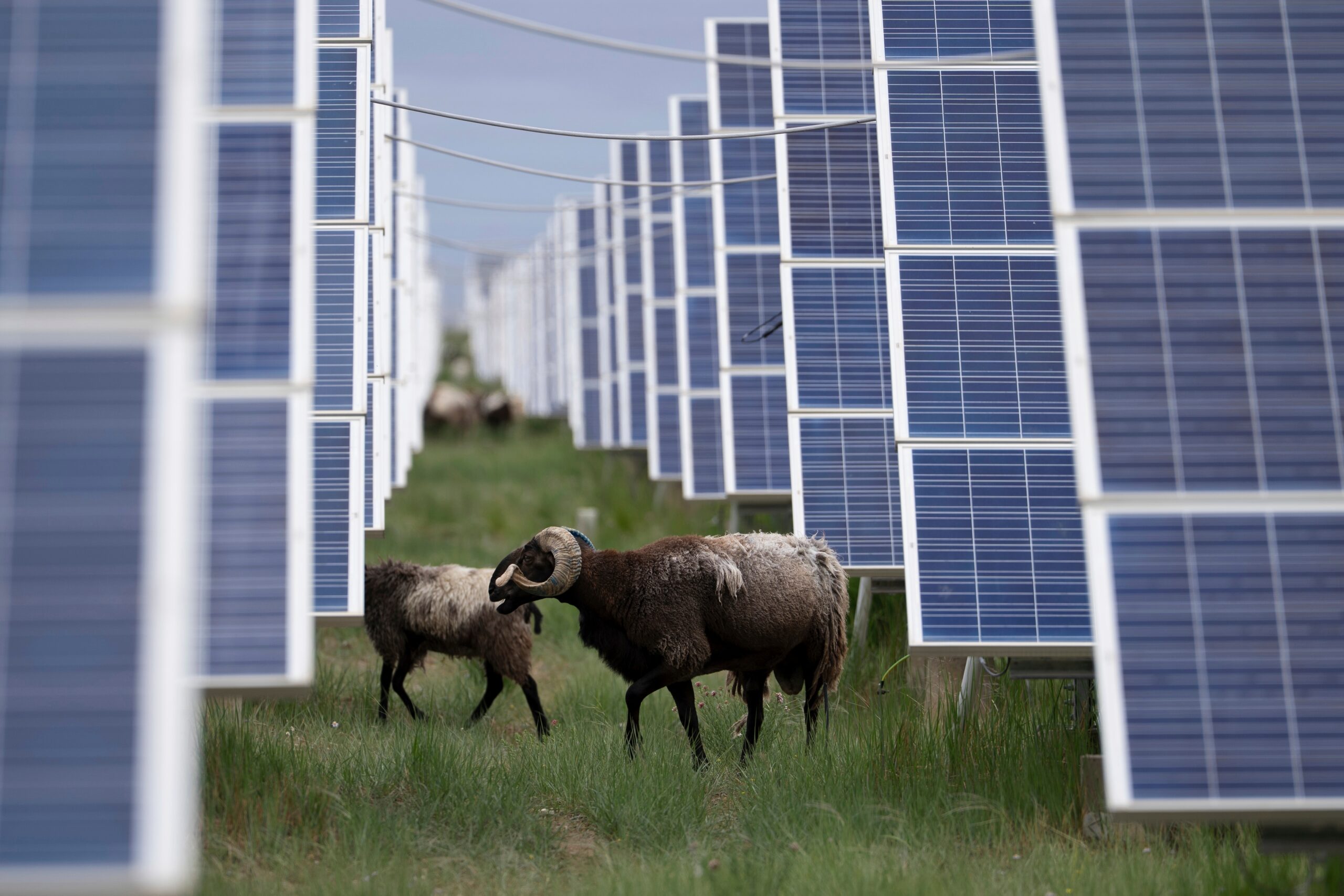
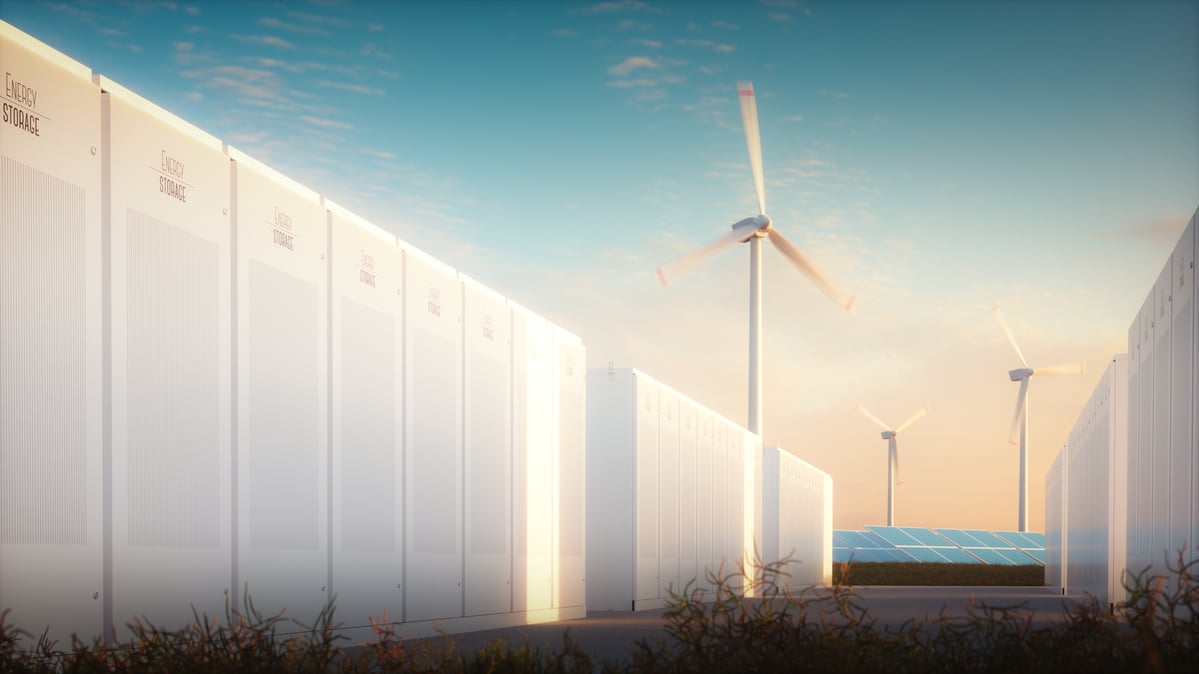
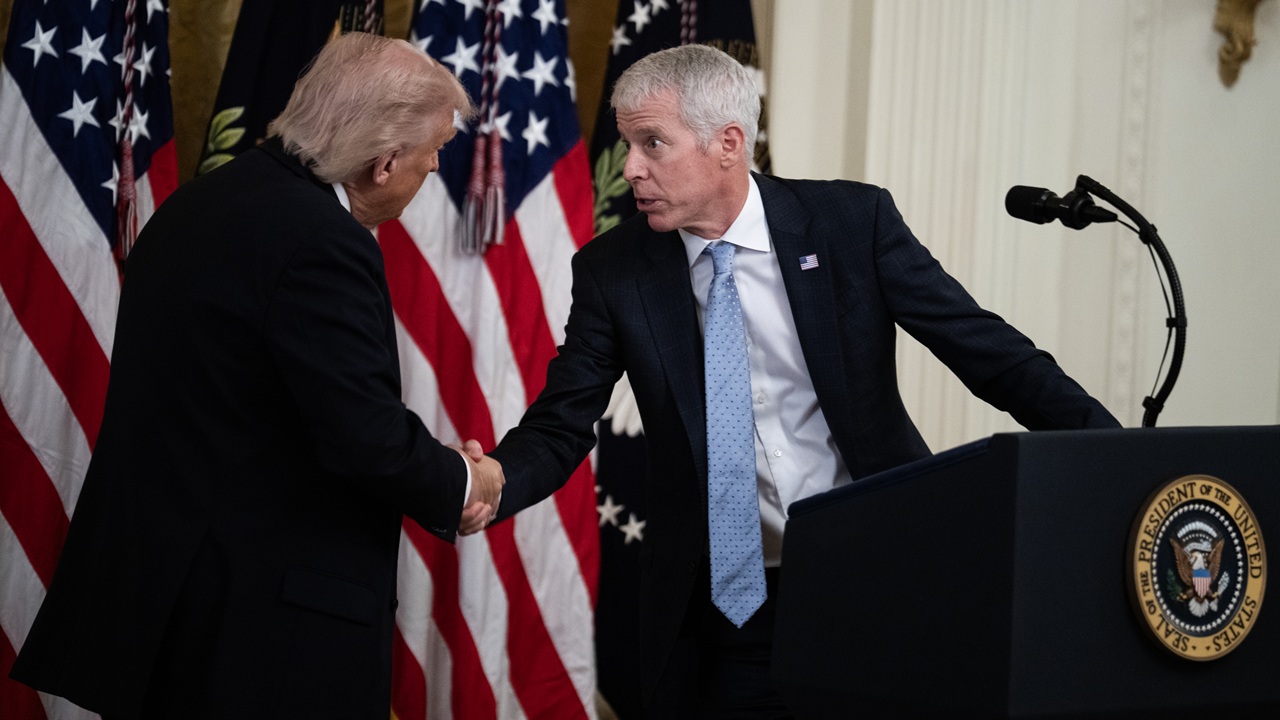
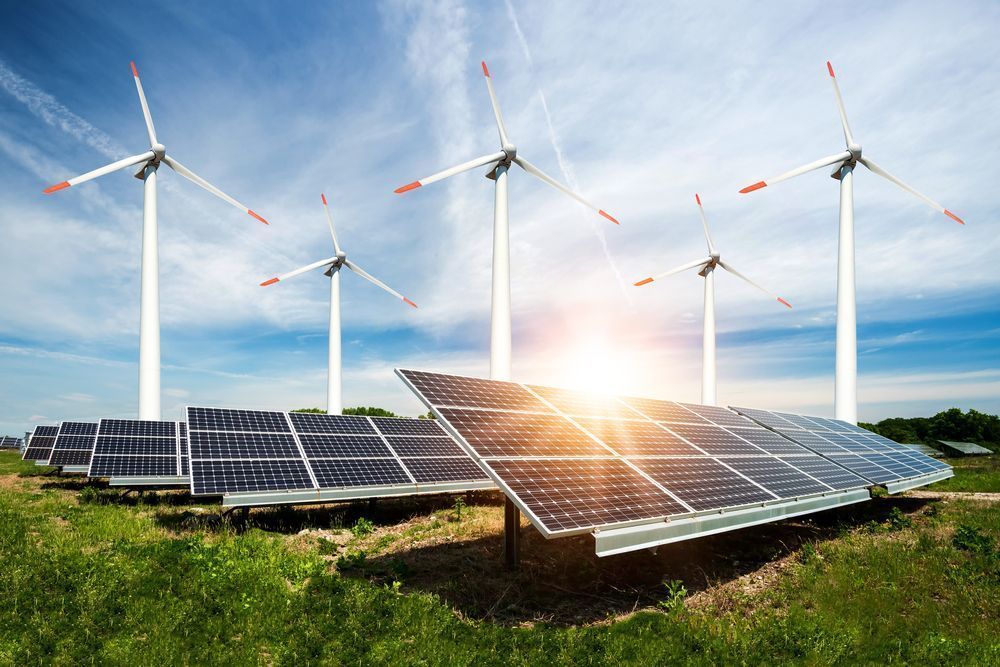
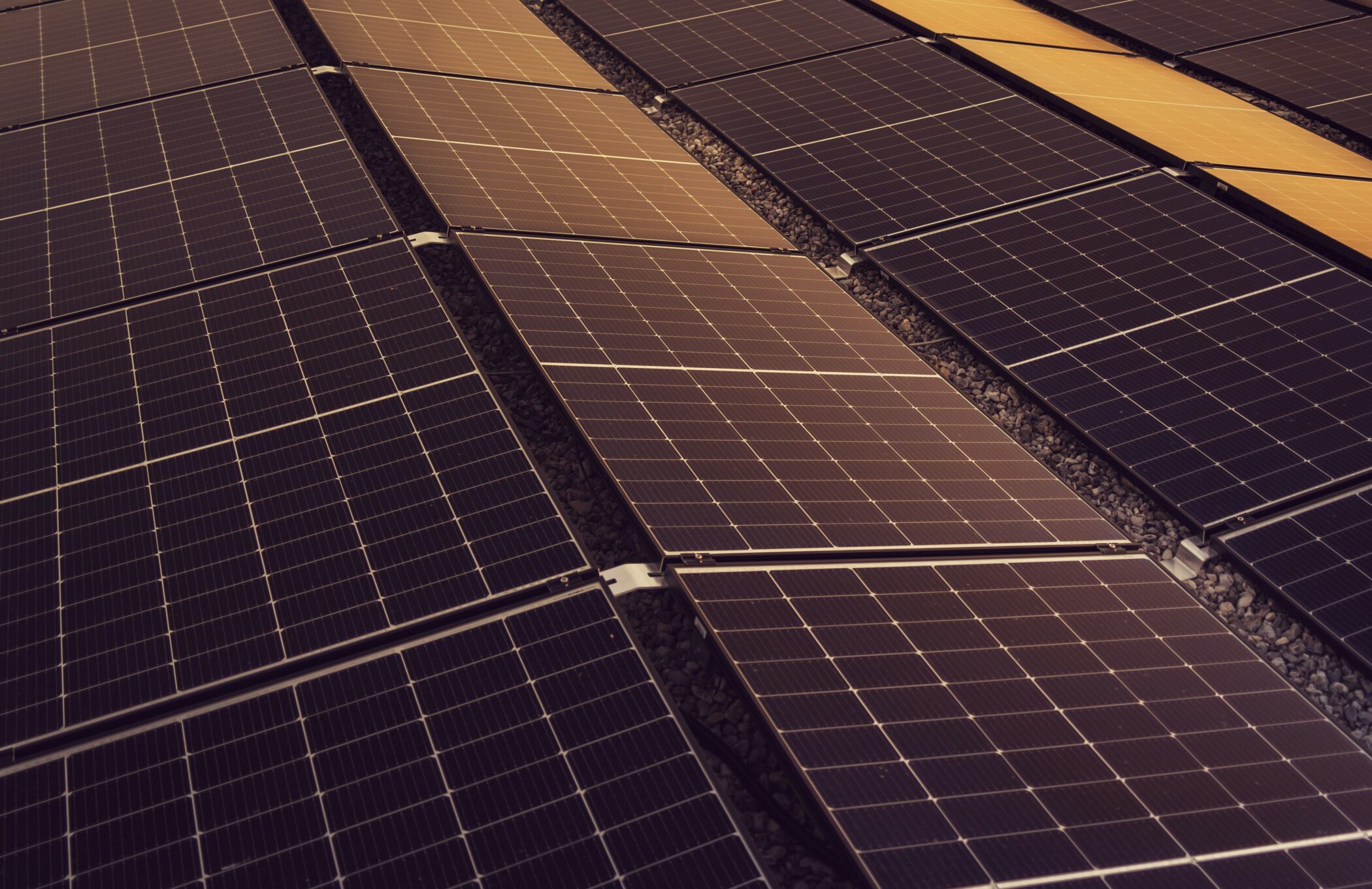
Strategic Market Opportunity: Paradoxically, the energy crisis is accelerating a massive shift toward renewable energy and electric vehicles. Electric vehicle sales jumped 50% in major European markets and nearly 200% in Brazil during the first month of conflict. The IRENA report (May 6, 2026) confirms renewables now deliver electricity at costs lower than fossil fuels when paired with battery storage. Chinese solar panel exports reached record levels in March 2026, doubling from the previous month, with significant imports from Nigeria, India, and Australia. This creates substantial product opportunities for sellers positioned in clean energy supply chains: EV components (batteries, charging systems, motors), renewable energy equipment (solar panels, inverters, mounting systems), and battery storage technology. Vestas reported its best Q1 earnings since 2018, with CEO Henrik Andersen confirming meetings with data center builders regarding renewable power for AI infrastructure—signaling emerging demand from the technology sector that sellers can capitalize on.
Long-term Competitive Dynamics: The shift from decarbonization-driven to security-driven renewable investment fundamentally changes market dynamics. European countries are redirecting fossil fuel import spending toward renewable infrastructure, creating sustained demand. However, China's position as the leading renewables manufacturer positions it advantageously, creating competitive challenges for Western sellers. Sellers using fulfillment centers in regions transitioning to renewable power may see operational costs stabilize or decrease over time, offsetting near-term fuel surcharge pressures. The convergence of lower renewable costs, improved storage technology, and fossil fuel supply constraints creates a 12-24 month window for sellers to establish market position in clean energy product categories before competition intensifies.
Questions 8
How does China's renewable energy manufacturing dominance affect Western sellers?
China controls the majority of global solar panel, battery, and renewable equipment manufacturing, positioning Chinese sellers advantageously in the accelerated energy transition. Chinese solar panel exports doubled in March 2026, with significant shipments to Nigeria, India, and Australia. Western sellers face competitive pressure but also sourcing opportunities: they can import Chinese-manufactured renewable products and distribute to Western markets experiencing strong demand (Europe 51% EV growth, Brazil 200% EV growth). However, sellers should monitor Chinese policy changes—April 2026 policy changes increased solar panel prices, indicating potential supply constraints. Western sellers should establish direct relationships with Chinese manufacturers before prices increase further, and consider positioning as local distributors in high-growth markets. The 12-24 month window before market saturation provides opportunity for first-mover advantage in regional renewable product distribution.
What is the timeline for when shipping costs and supply chain disruptions will normalize?
The crisis began in early March 2026 and is expected to persist through Q2-Q3 2026 based on geopolitical tensions. However, the shift toward renewable energy is accelerating faster than historical precedent—similar to post-1970s oil shocks that drove sustained policy changes. Sellers should prepare for elevated costs through at least June 2026, with potential normalization by Q4 2026. The long-term implication is that renewable energy infrastructure investments will gradually stabilize operational costs, but this transition will take 12-24 months. Sellers should monitor fuel surcharge announcements from logistics providers weekly and adjust pricing strategies accordingly. Consider locking in fixed shipping rates with 3PL partners for Q3-Q4 2026 to hedge against continued volatility.