
)


Middle East Conflict Escalation May 2026 | Supply Chain & Market Risk Alert
- Strait of Hormuz shipping disruptions threaten Asia-Europe trade corridor; 380+ deaths in Lebanon since mid-April create regional demand collapse; sellers face 8-15% logistics cost increases and market access restrictions







)
















Overview
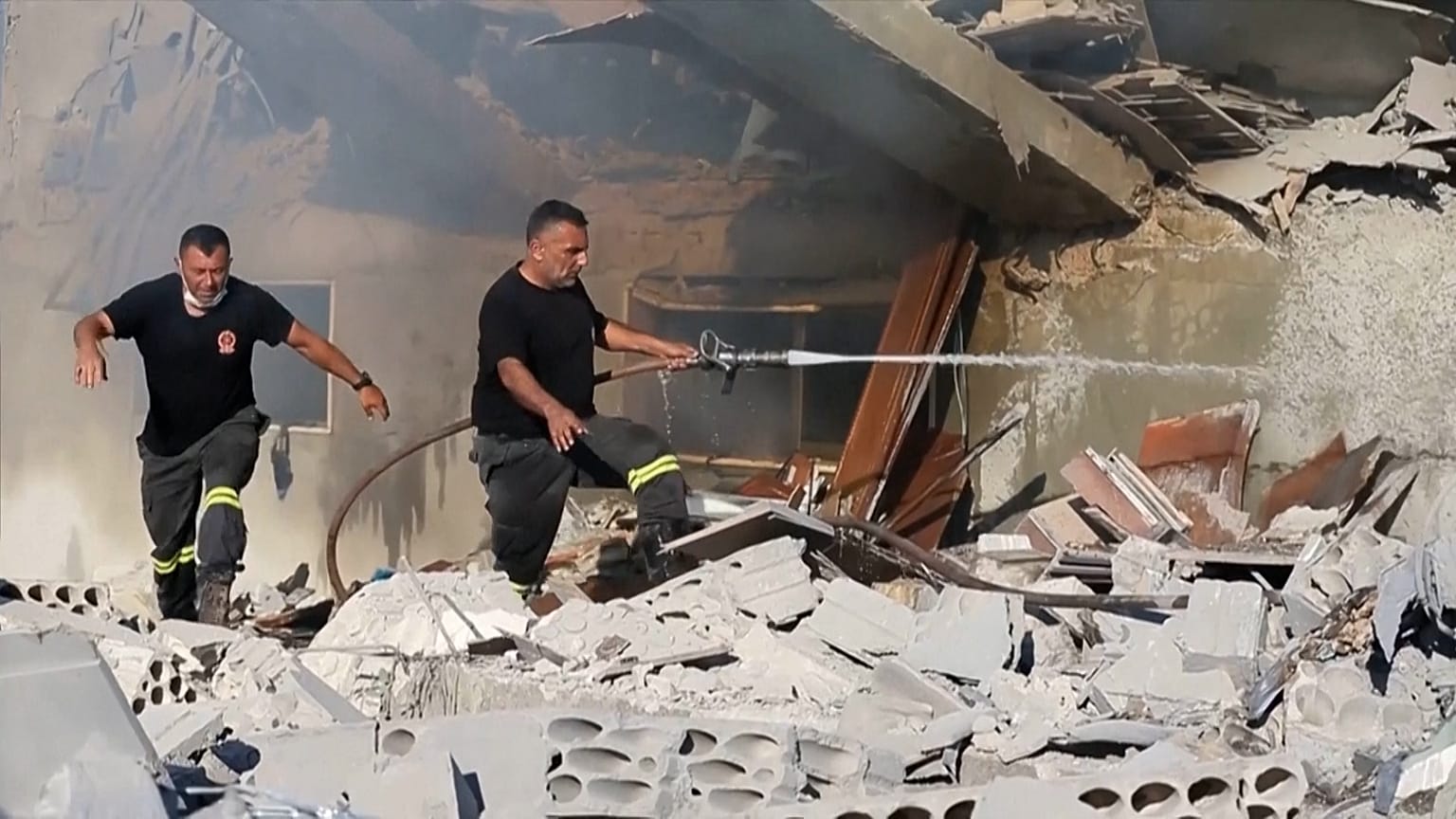
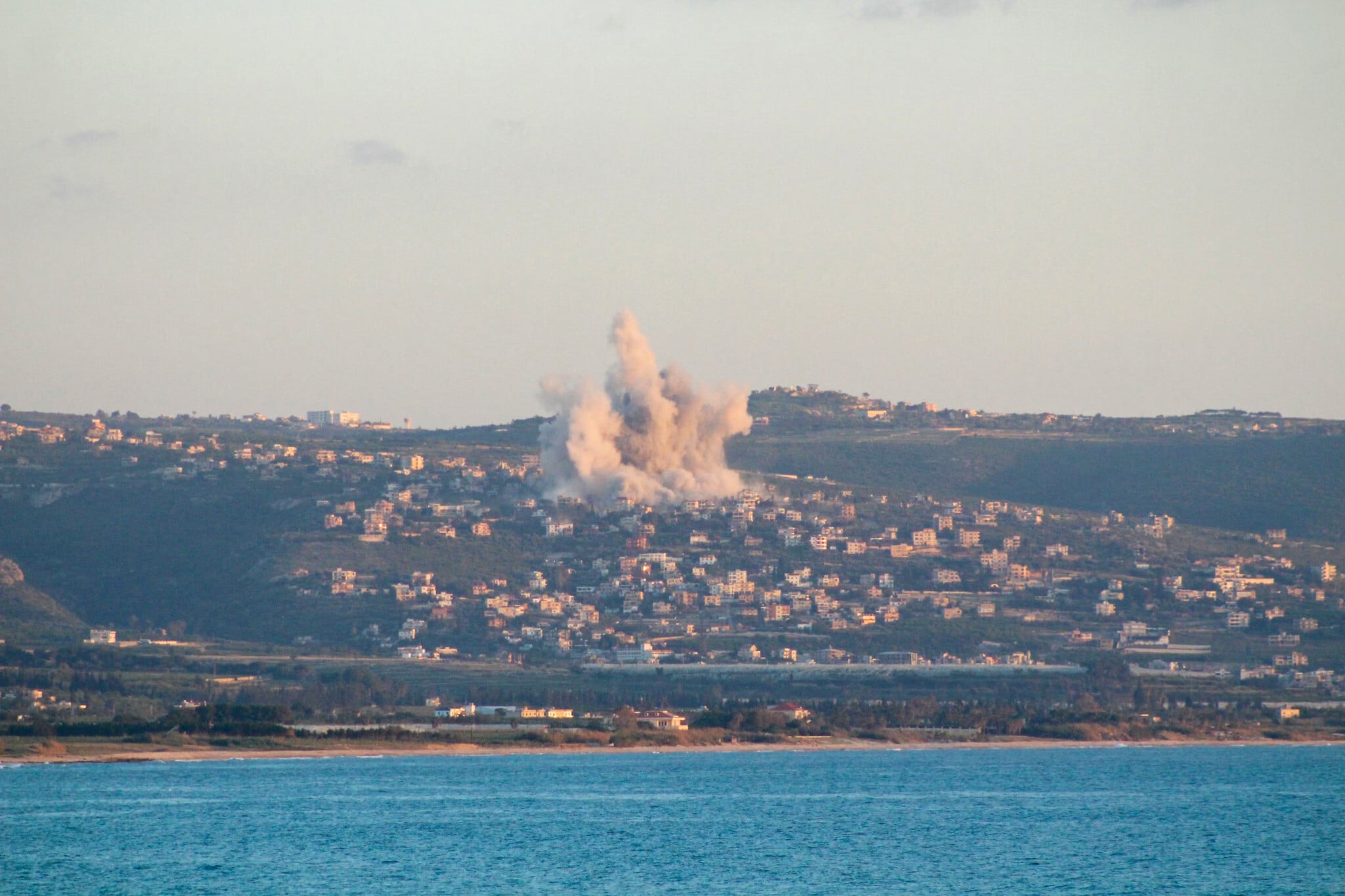
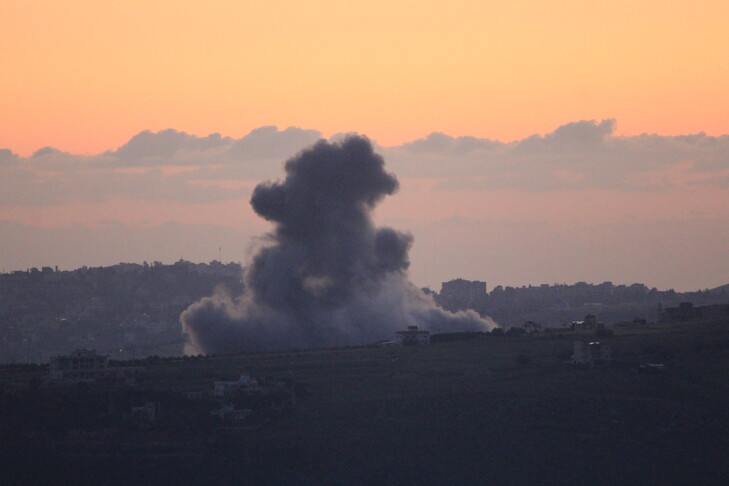
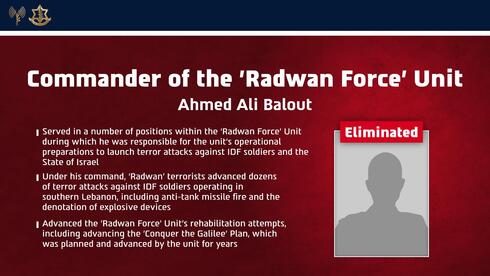
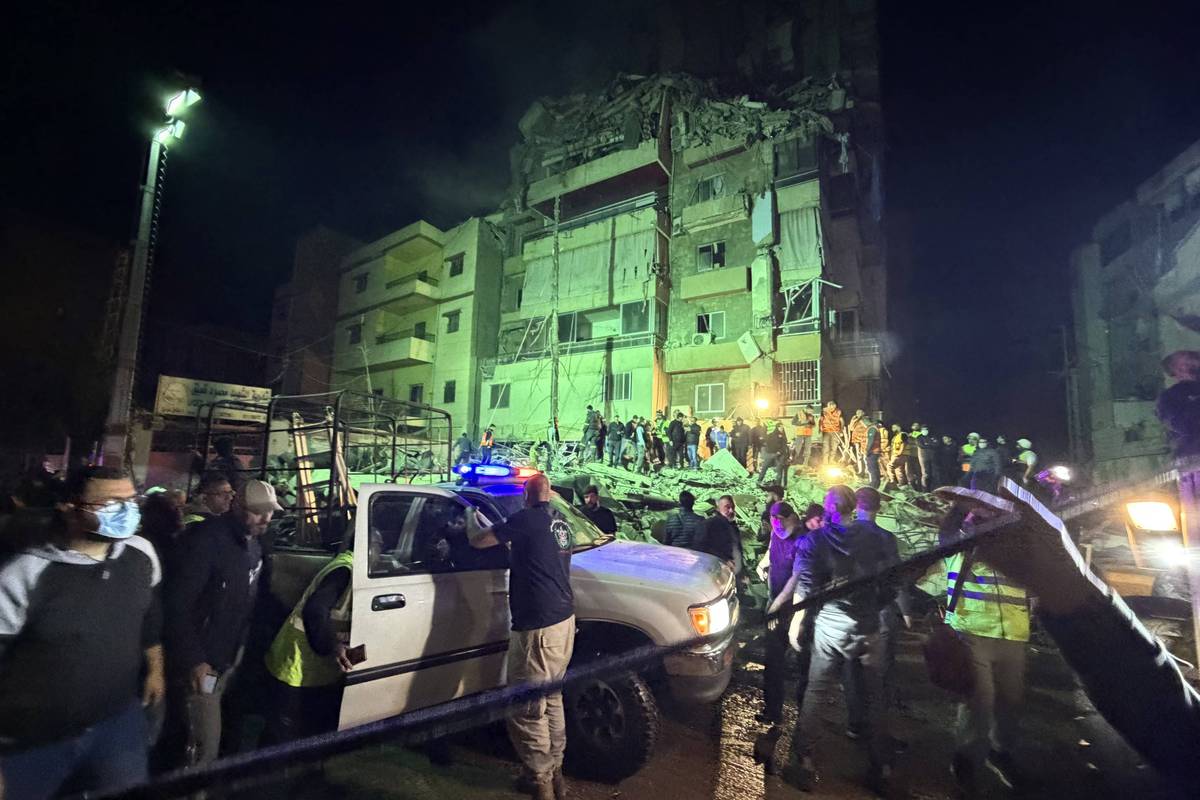
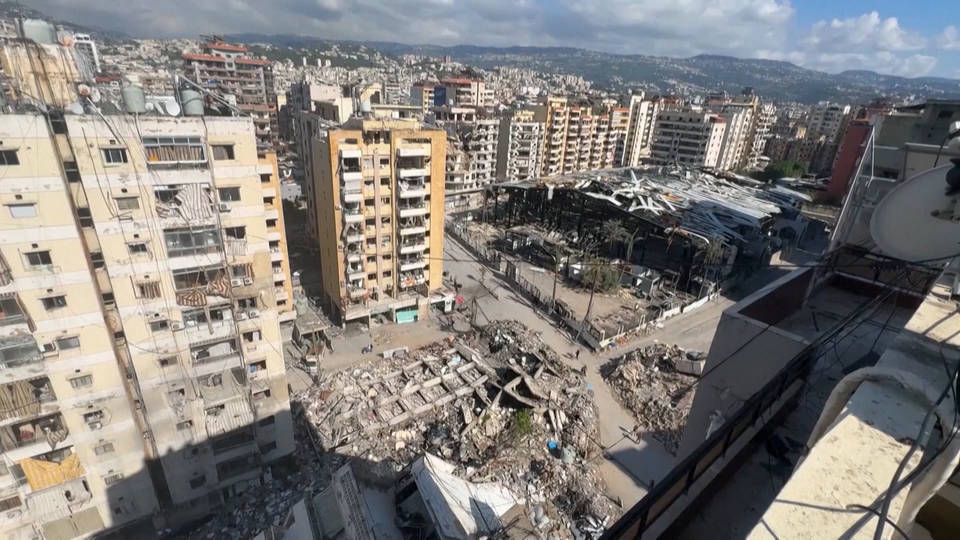
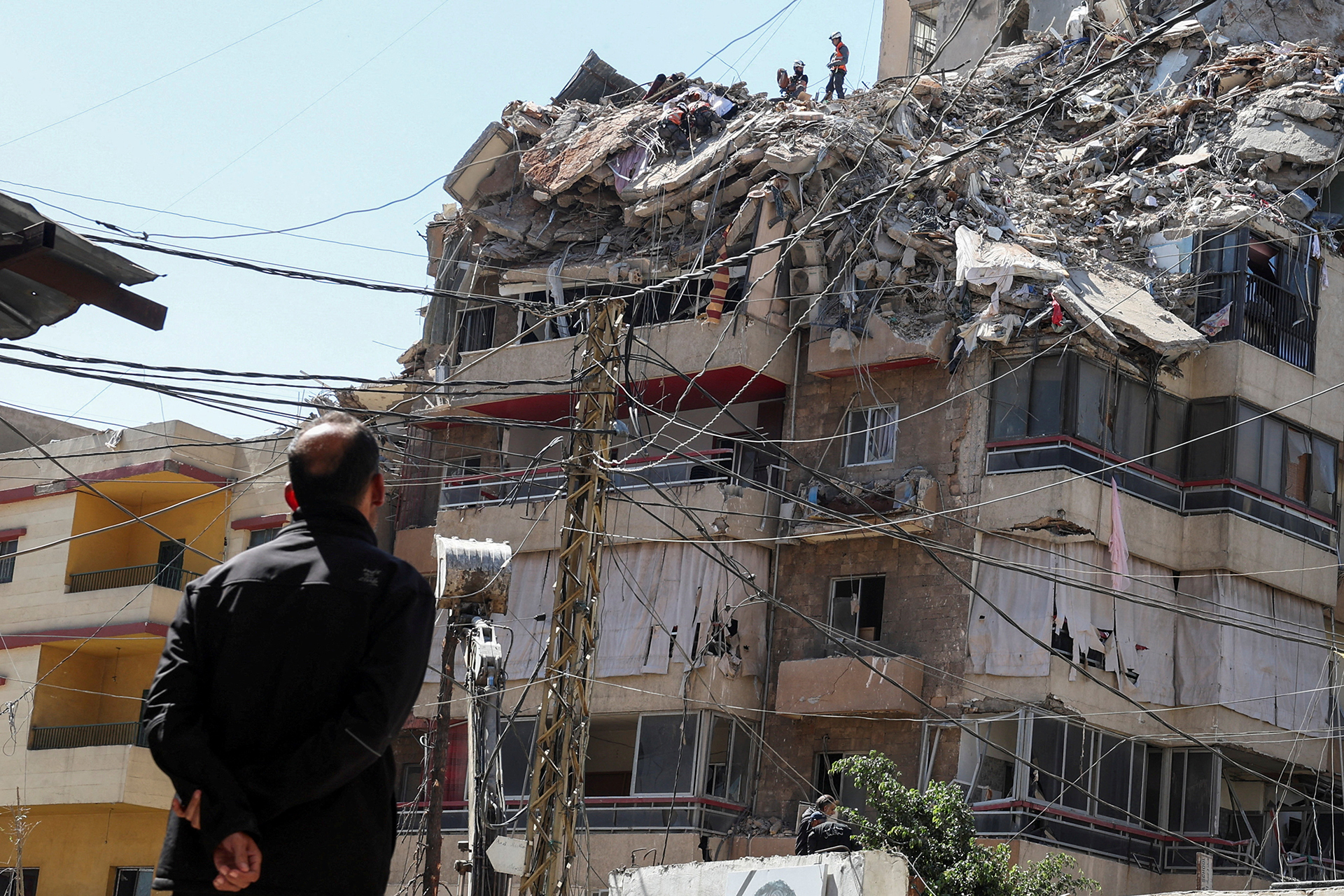
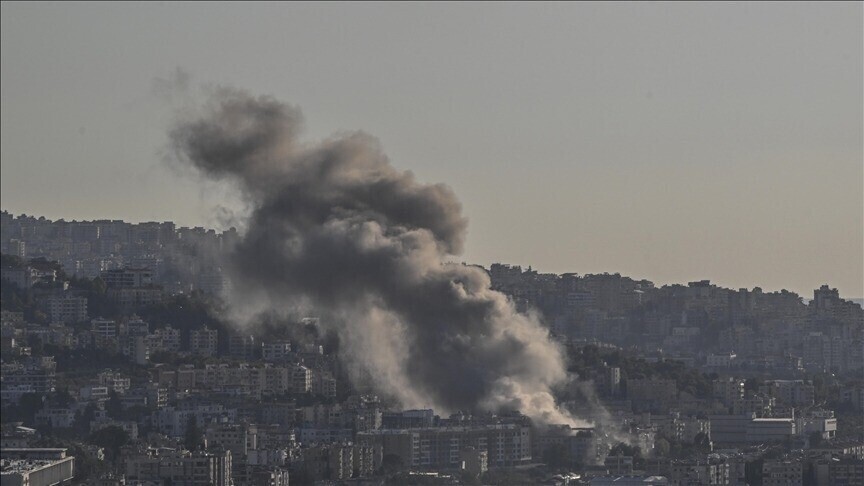
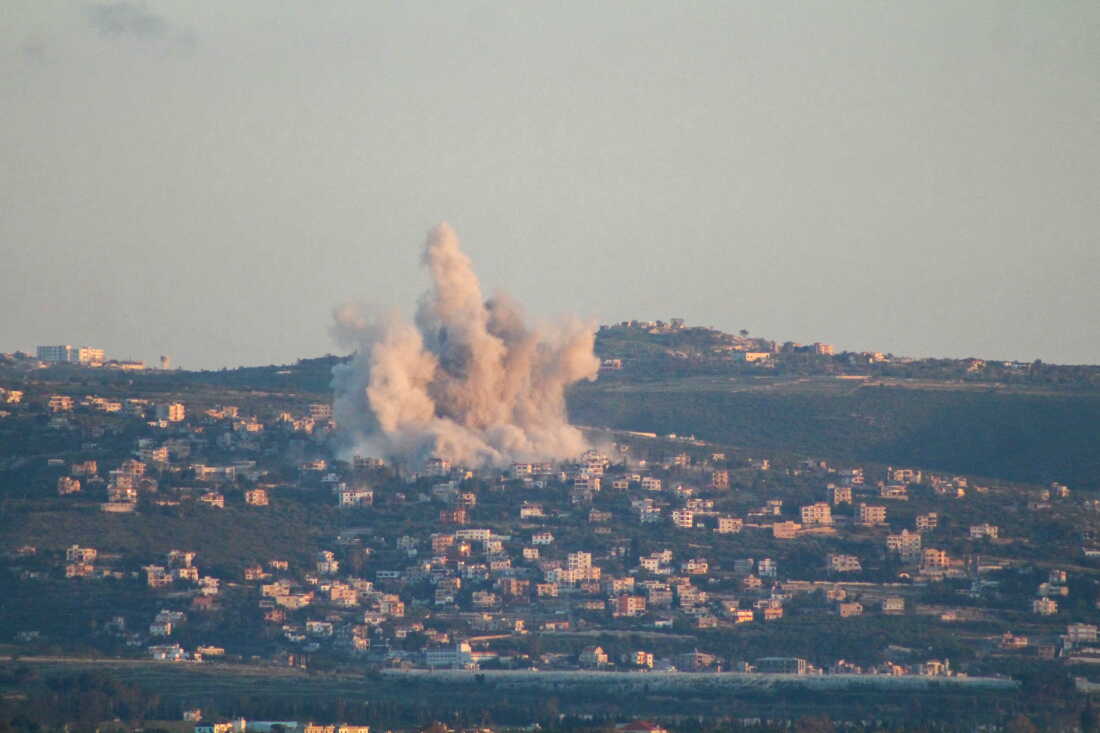
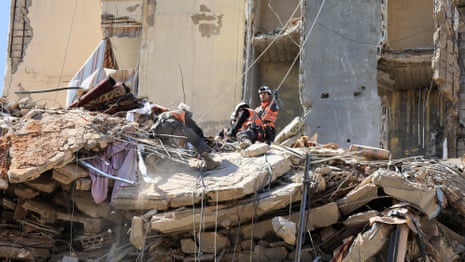
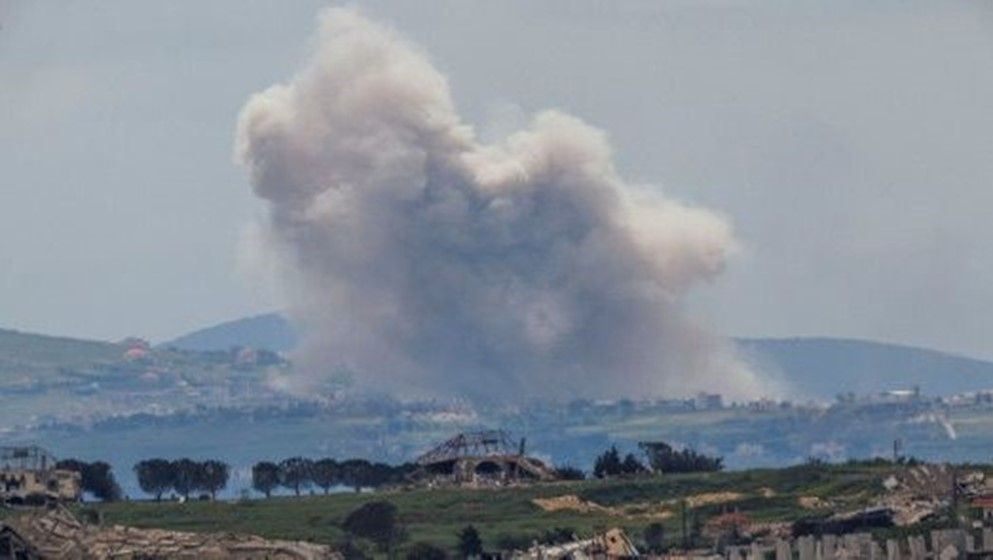
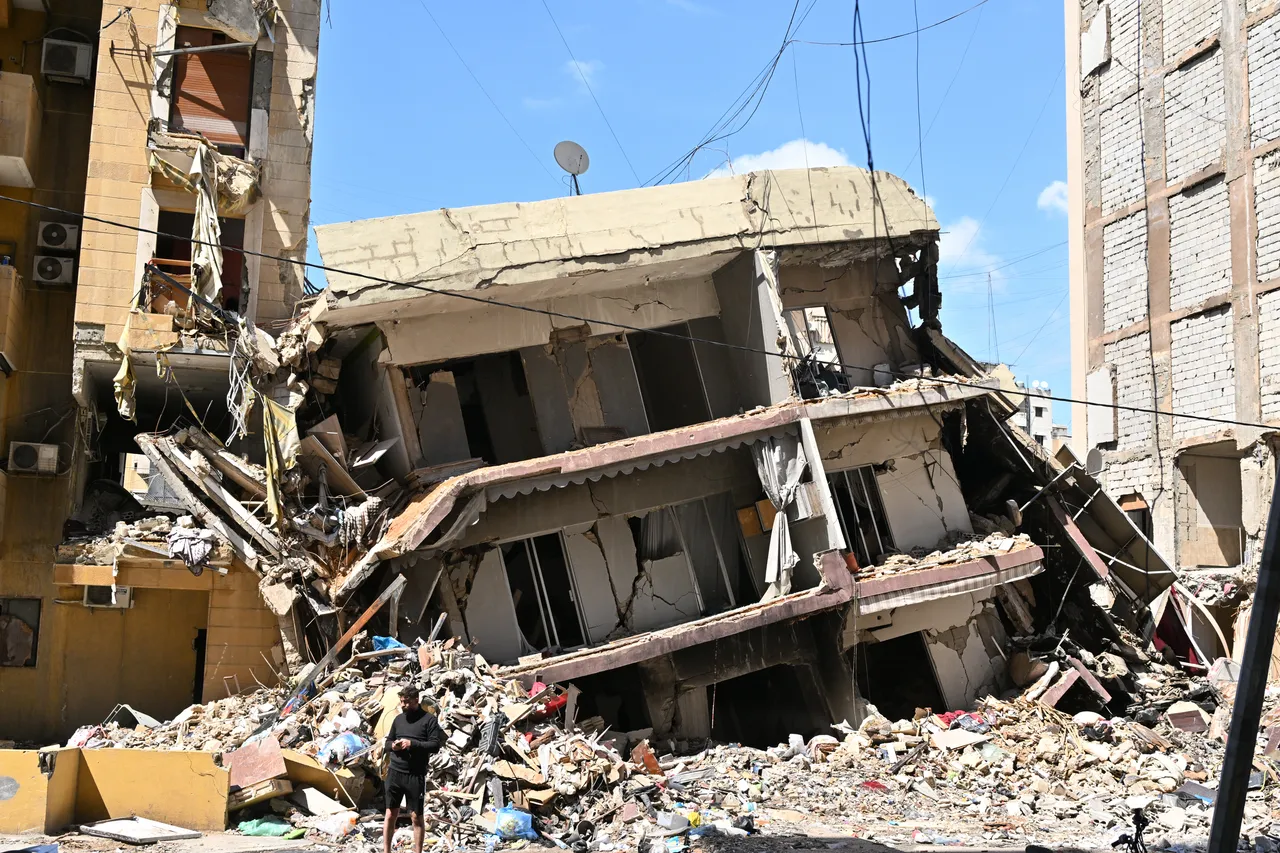
The May 7, 2026 escalation of Israeli-Hezbollah conflict represents a critical supply chain and market access risk for cross-border e-commerce sellers. The ceasefire collapse—marked by Israel's elimination of Hezbollah commander Ahmed Ali Balout in Beirut's Dahiya district and destruction of a 30-meter tunnel in southern Lebanon—signals potential destabilization of the fragile April 2026 truce. With over 2,700 deaths in Lebanon and 380+ fatalities on April 8 alone, regional economic activity has contracted sharply, directly impacting consumer demand in Middle Eastern markets.
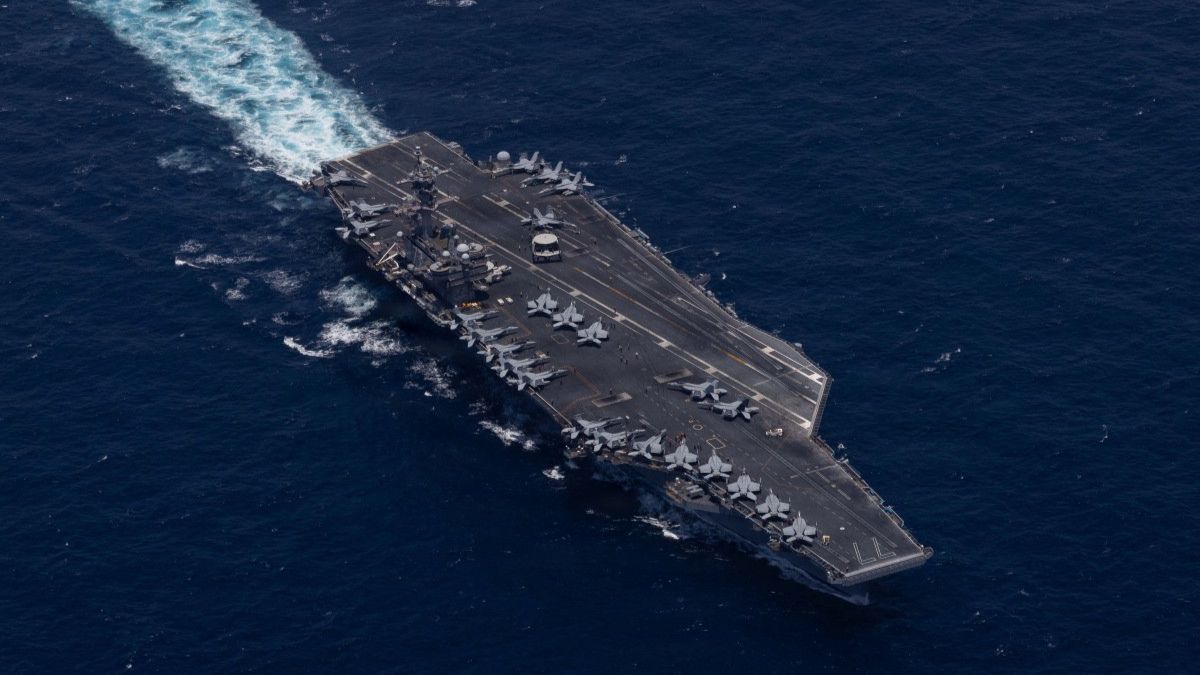
Critical supply chain implications: The Strait of Hormuz remains the world's most critical shipping chokepoint, with 21% of global petroleum and 30% of liquefied natural gas transiting daily. U.S.-Iran naval tensions, including Pentagon strikes on Iranian oil tankers in the Sea of Oman, create insurance premium spikes of 8-15% for Asia-Europe shipments. Sellers routing inventory through this corridor face 5-10 day transit delays and mandatory rerouting through longer Suez Canal passages, adding $400-800 per 40-foot container. The $72 billion U.S. military spending on Iran operations signals sustained geopolitical friction, not near-term resolution.
Market access contraction: Lebanon's economy has contracted 40%+ since March 2026 conflict onset, with consumer purchasing power collapsing. Israeli occupation of a six-mile-deep security zone in southern Lebanon disrupts local supply chains and retail operations. Sellers targeting Middle Eastern markets (UAE, Saudi Arabia, Kuwait) face demand uncertainty as regional GDP growth projections decline 2-3 percentage points. The abandonment of "Project Freedom" after Saudi Arabia and Kuwait suspended U.S. military base access signals reduced regional stability and potential sanctions escalation affecting Iran-related commerce. Cross-border sellers with inventory in regional fulfillment centers face potential lockdown scenarios similar to 2020 COVID disruptions.
Competitive dynamics shift: Large multinational sellers with diversified logistics networks (DHL, FedEx, Amazon Global) can absorb 8-15% cost increases through scale. Mid-market sellers (500-5,000 SKU inventory) face margin compression of 3-8% if unable to raise prices. Small sellers (<500 SKUs) dependent on low-cost Strait of Hormuz routing face potential profitability collapse. Sellers with manufacturing in Iran or Lebanon face immediate supply chain breaks; those sourcing from Vietnam, India, or Indonesia gain competitive advantage through alternative routing via Malacca Strait (longer but stable). U.S.-based sellers shipping to EU markets should expect 7-14 day delays and 12-18% insurance cost increases through May-June 2026.
Questions 8
Which product categories face highest demand risk in Middle Eastern markets?
Discretionary categories (electronics, apparel, home goods, luxury items) face 20-30% demand reduction in Lebanon, UAE, Saudi Arabia due to economic contraction and consumer uncertainty. Essential categories (food, health/beauty, basic apparel) face 5-10% demand reduction. Electronics category particularly vulnerable—Lebanon's retail infrastructure damaged, consumer purchasing power collapsed 40%+. Sellers should reduce inventory allocation to Middle East by 25-40% for discretionary categories by June 15, 2026. Shift inventory to Southeast Asia, India, and EU markets where demand remains stable. Consider promotional pricing (10-15% discounts) for existing Middle East inventory to clear stock before further demand deterioration. Monitor category-specific demand via Amazon Best Seller Rank (BSR) trends in UAE, Saudi Arabia marketplaces weekly.
What is the timeline for ceasefire stability and market recovery?
U.S.-brokered talks between Israeli and Lebanese envoys scheduled for May 14, 2026 (one week after escalation) indicate diplomatic efforts to stabilize the ceasefire. However, daily tit-for-tat attacks and Hezbollah's deployment of fiber-optic guided drones suggest sustained conflict risk through Q3 2026. Full market recovery in Lebanon unlikely before Q4 2026 at earliest. Sellers should plan for 6-month supply chain disruption scenario and 12-month demand recovery timeline. Monitor weekly ceasefire status via UN Security Council statements and U.S. State Department updates. If escalation resumes, expect 20-30% additional cost increases and 15-20 day delays. Recommend maintaining elevated logistics costs in pricing models through September 2026 minimum.