




Healthcare AI Breakthroughs Signal Emerging Market for Medical Device Sellers | Regulatory Gaps Create 2026-2027 Opportunity Window
- Mayo Clinic's REDMOD AI detects pancreatic cancer 475 days earlier; MHRA regulatory framework delayed to 2026, creating 18-24 month gap for sellers to position medical device products and health tech accessories












Overview
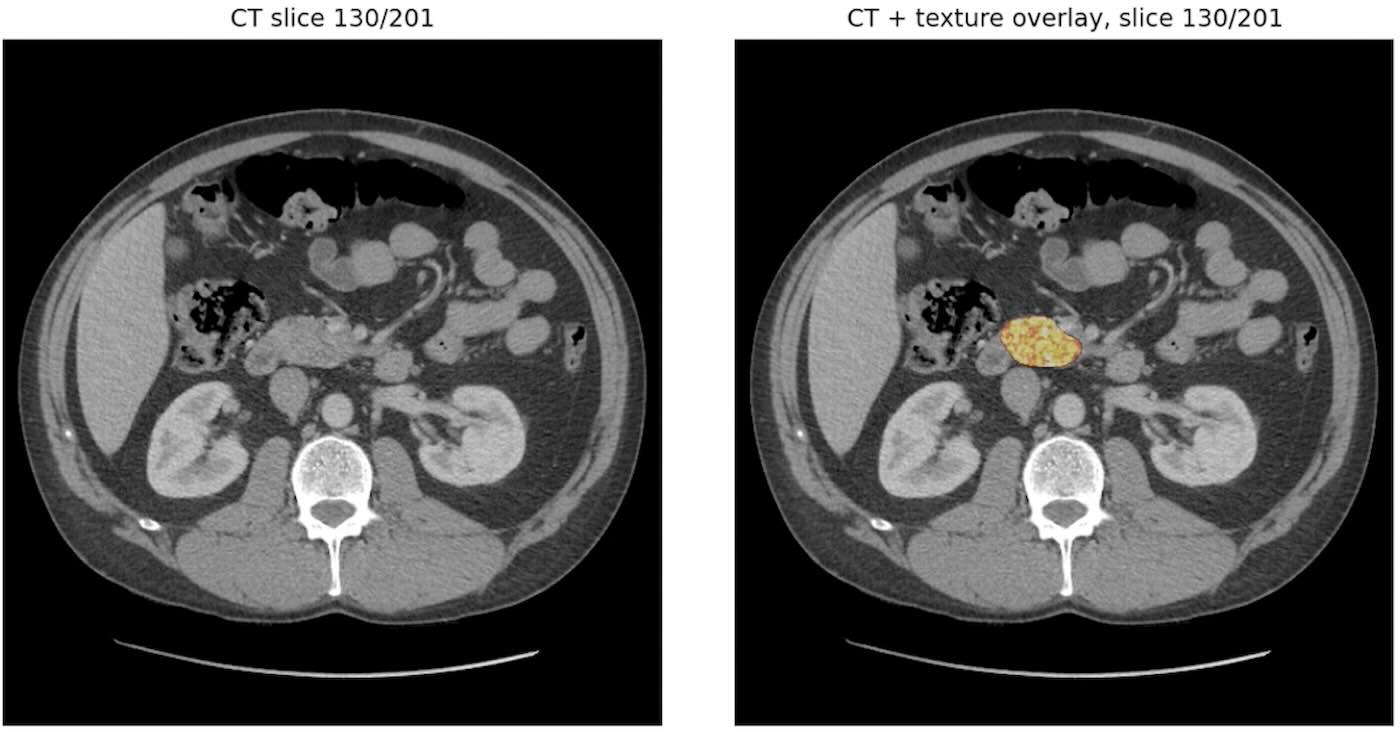
The Mayo Clinic's May 2026 publication of REDMOD (Radiomics-based Early Detection Model) in the British Medical Journal's Gut represents a watershed moment for healthcare AI adoption—and a critical market signal for cross-border e-commerce sellers. The validated AI system achieved 73% sensitivity in detecting pancreatic cancer on routine CT scans versus radiologists' 39%, identifying disease at a median of 475 days before clinical diagnosis across nearly 1,500 scans. This breakthrough demonstrates that healthcare AI is transitioning from experimental to clinically validated, creating immediate product opportunities for sellers in medical device, health monitoring, and diagnostic accessory categories.
The regulatory gap creates a 2026-2027 seller opportunity window. The Medicines and Healthcare products Regulatory Agency (MHRA) AI medical device framework remains under development with 2026 publication expected but not yet delivered. This delay between technological validation (May 2026) and regulatory clarity (expected late 2026) signals that healthcare systems will accelerate AI adoption before formal frameworks solidify. Sellers can capitalize on this transition period by positioning complementary products: diagnostic imaging accessories, patient monitoring devices, telemedicine equipment, and health data management tools. The study's explicit identification of gaps—prospective validation and ethnically diverse population testing—indicates that healthcare providers will invest in supporting infrastructure and training materials, creating demand for educational products, compliance documentation templates, and integration services.
Market dynamics favor sellers with healthcare compliance expertise. Industry expert Colette Mason from Clever Clogs AI praised the research methodology's "proper AI adoption with peer-reviewed validation," signaling that healthcare buyers now demand rigorous validation standards. This elevates barriers to entry but rewards sellers who can demonstrate clinical evidence, regulatory readiness, and transparent limitation acknowledgment. The study's focus on UK pancreatic cancer (92% five-year mortality rate, no population screening program) indicates that sellers should target high-mortality disease categories where earlier detection creates immediate clinical value. Cross-border sellers positioned in EU and UK markets have particular advantage given MHRA's regulatory leadership role.
Strategic implications for seller segments: Small sellers (1-50 SKUs) should focus on niche diagnostic accessories and patient education materials; mid-market sellers (50-500 SKUs) can develop integrated health monitoring platforms; enterprise sellers should pursue direct healthcare provider partnerships for AI-adjacent services. The 475-day detection window creates demand for longitudinal patient monitoring products—continuous glucose monitors, wearable sensors, and data aggregation platforms that support early intervention workflows. Regulatory uncertainty (MHRA framework delayed) actually favors agile sellers who can iterate quickly before formal compliance requirements lock in technical specifications.
Questions 8
How does the pancreatic cancer market opportunity compare to other disease categories for sellers?
Pancreatic cancer represents a high-urgency market opportunity because it kills 92% of diagnosed patients in the UK within five years and currently has no population screening program. This creates immediate clinical demand for early detection infrastructure and supporting products. Comparable disease categories with similar market dynamics include: (1) ovarian cancer (similar mortality rates, limited screening), (2) liver cancer (high mortality, emerging AI detection), and (3) colorectal cancer (established screening but AI-enhanced detection emerging). Sellers should prioritize high-mortality disease categories where earlier detection creates immediate clinical value and healthcare providers demonstrate willingness to invest in supporting infrastructure. The study's focus on routine CT scans indicates that sellers should target products compatible with existing diagnostic workflows rather than requiring new equipment investments, reducing healthcare provider adoption barriers.
What are the cross-border compliance requirements for selling healthcare AI products on Amazon, eBay, and Shopify?
Healthcare AI products face distinct compliance requirements by platform and region: (1) Amazon requires medical device classification through FDA (US) or MHRA (UK) before FBA eligibility; EU sellers must comply with MDR 2017/745 medical device regulation; (2) eBay restricts medical device listings to approved sellers with regulatory documentation; (3) Shopify allows broader product listings but sellers remain liable for regulatory compliance in customer jurisdictions. The MHRA framework delay until 2026 creates ambiguity, but sellers should assume that products claiming diagnostic or therapeutic benefits will require formal medical device classification. Sellers should consult regulatory specialists before launching, as misclassification can result in product removal, account suspension, and liability exposure. The study's validation across multiple hospitals provides evidence for regulatory submissions, so sellers should reference REDMOD and similar peer-reviewed studies in compliance documentation.