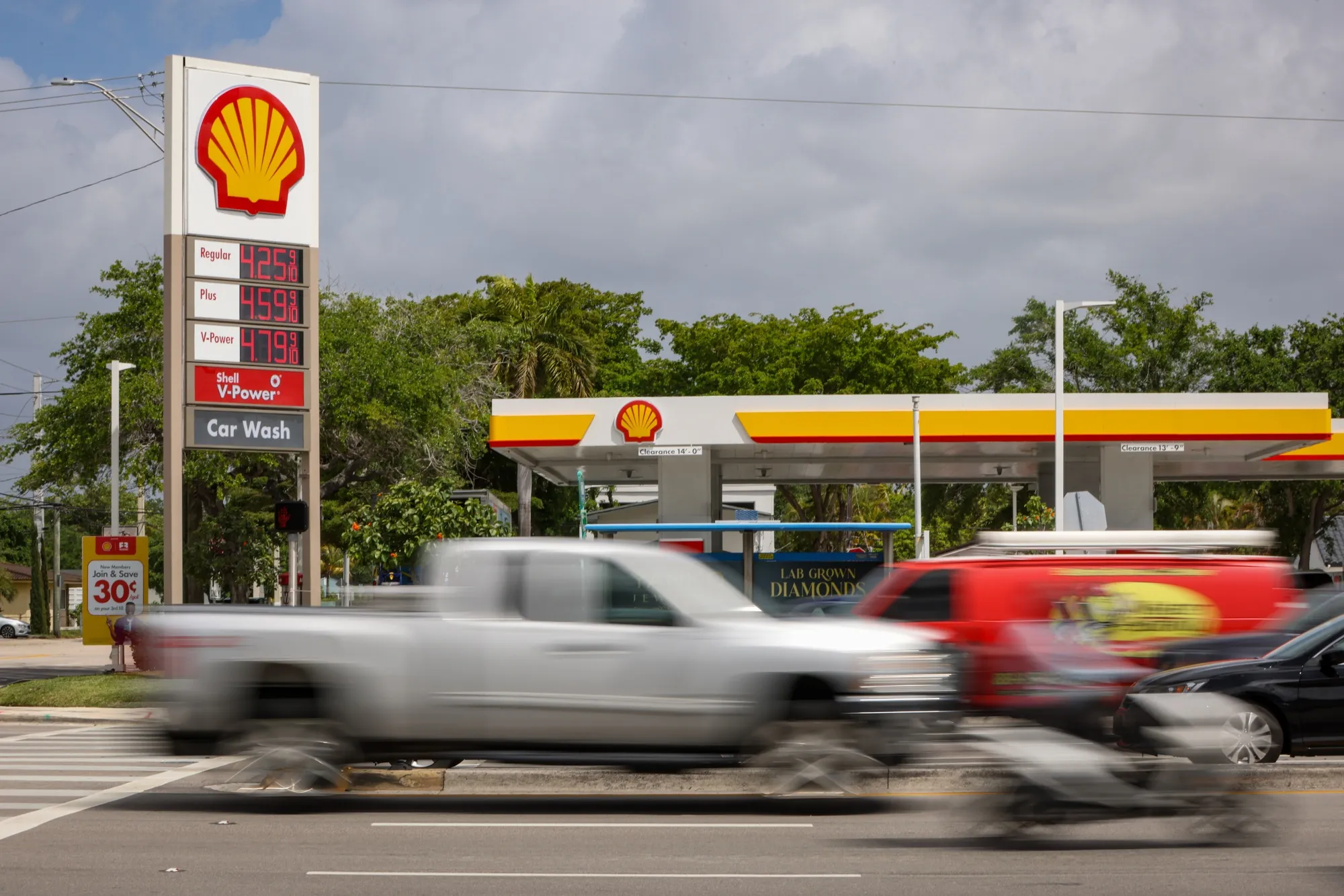


The Iran diplomatic breakthrough creates a critical window for cross-border e-commerce sellers to restructure logistics costs before energy prices stabilize. Following US President Donald Trump's submission of a one-page peace proposal through Pakistan, Brent crude oil dropped approximately $3 to $98.30 per barrel, reflecting market expectations of reduced Strait of Hormuz disruption risk. However, Iranian parliamentary officials dismissed the proposal as an "American wishlist," signaling negotiations remain uncertain. This geopolitical volatility directly impacts seller operations: UK petrol prices remain elevated at 157.56p per liter (18% above pre-conflict levels of 132.83p), while European wholesale gas prices have declined from March's 180p peak to 106.64p per therm—still 33% above pre-conflict baseline below 80p. The Dutch TTF benchmark stands at 43.44 per Megawatt hour.
For cross-border sellers, this creates a dual-impact scenario on logistics economics. Energy cost volatility directly increases shipping expenses through fuel surcharges on international freight, particularly from Gulf regions. Sellers relying on air freight or expedited shipping face compressed margins of 8-15% due to sustained fuel surcharges. FBA sellers shipping to European warehouses experience heightened costs, while 3PL providers have already implemented surcharges reflecting crude oil volatility. Construction sector data reveals UK input cost inflation surged at the fastest rate since June 2022, driven by fuel surcharges and raw material price increases—a pattern that extends to packaging materials and logistics infrastructure costs.
The strategic opportunity window closes as negotiations progress. If Iran peace talks succeed, energy prices will stabilize downward, eliminating the current premium sellers are paying. Conversely, if negotiations fail, sustained elevated energy costs will persist through 2025. Sellers in energy-intensive categories—food and beverage, pharmaceuticals, temperature-controlled goods, and express shipping-dependent electronics—face the highest margin compression. Small and medium sellers (1,000-10,000 monthly units) lack negotiating power with carriers and absorb full fuel surcharge increases, while large sellers (50K+ units) can lock in long-term contracts at current rates. The timing window for contract renegotiation is 30-60 days before energy prices stabilize, making immediate action critical for sellers managing inventory across multiple fulfillment networks.
Energy price stabilization depends on successful Iran peace negotiations, with Iranian officials indicating significant hurdles remain. If negotiations succeed within 60-90 days, energy prices will decline 10-15% from current levels, reducing fuel surcharges. If negotiations fail, elevated energy costs will persist through 2025, maintaining current margin compression. UK input cost inflation surged at the fastest rate since June 2022 due to fuel surcharges, indicating sustained pressure on logistics infrastructure. Sellers should plan for 6-12 months of elevated energy costs as a baseline scenario, with potential relief if geopolitical tensions ease. Monitor crude oil prices weekly and adjust inventory planning accordingly, as shipping rates typically lag crude price changes by 2-3 weeks.
Sellers should take three immediate actions: (1) Review all shipping contracts with carriers and 3PL providers within 7 days to identify fuel surcharge clauses and lock in fixed rates before energy prices stabilize; (2) Audit inventory distribution across fulfillment networks to shift 20-30% of volume from air freight to ocean freight where possible, reducing fuel surcharge exposure; (3) Evaluate pricing strategy adjustments to pass 3-5% of increased logistics costs to consumers through product price increases or shipping fee adjustments. For FBA sellers, monitor Amazon's fuel and energy surcharge updates in Seller Central, which typically adjust monthly. Sellers in temperature-controlled categories should prioritize ocean freight consolidation to reduce per-unit energy costs.
Fuel surcharges are variable fees added to base shipping rates, typically adjusted monthly based on crude oil prices. Most carrier contracts include fuel surcharge clauses that automatically increase costs when crude oil exceeds baseline thresholds (usually $70-80 per barrel). Brent crude at $98.30 triggers maximum surcharges of 8-15% on air freight and 4-6% on ocean freight. Sellers can negotiate fuel surcharges by: (1) Locking in fixed-rate contracts for 6-12 months before energy prices stabilize; (2) Consolidating volume with single carriers to gain negotiating leverage; (3) Shifting to ocean freight with longer lead times to avoid air freight surcharges. Large sellers (50K+ monthly units) can negotiate fuel surcharge caps at 5-8% maximum, while small sellers typically accept standard surcharges. Review contract terms immediately—most carriers allow rate adjustments within 30-day windows before new surcharges take effect.
The Strait of Hormuz disruption risk remains elevated despite peace talks, making Middle East sourcing riskier for time-sensitive inventory. However, shifting sourcing entirely is not necessary—instead, diversify supplier geography to reduce concentration risk. Sellers currently sourcing from Middle East regions should consider Vietnam, India, or Southeast Asia alternatives for 30-40% of volume, reducing exposure to Strait of Hormuz disruptions. This diversification also reduces fuel surcharge impact, as Southeast Asian freight routes avoid the Gulf region premium. For sellers with established Middle East supplier relationships, negotiate longer lead times (90-120 days) to allow ocean freight consolidation instead of air freight, reducing energy cost exposure by 60-70%. The construction sector's input cost inflation surge (fastest since June 2022) indicates raw material costs remain elevated, so supplier diversification should prioritize cost-competitive regions.
Sellers should implement a three-tier inventory strategy: (1) **Conservative tier** (40% of inventory): Order 60-90 day lead time via ocean freight to lock in lower fuel surcharges and reduce energy cost exposure; (2) **Flexible tier** (40% of inventory): Maintain 30-45 day lead time via mixed freight modes, adjusting to market conditions as negotiations progress; (3) **Responsive tier** (20% of inventory): Use air freight only for high-velocity SKUs with 15-20% margins that can absorb fuel surcharges. Avoid large inventory purchases until Iran negotiations conclude (60-90 days), as energy prices may decline 10-15% if peace talks succeed. For FBA sellers, reduce inventory velocity targets by 10-15% to avoid excess storage fees during uncertain energy cost periods. Monitor crude oil prices weekly and adjust sourcing decisions when prices move ±$5 per barrel. Sellers in seasonal categories should front-load ocean freight orders 120+ days before peak season to lock in current fuel surcharge rates before potential price increases.
For a typical cross-border seller shipping 5,000 units monthly via air freight to Europe, current fuel surcharges add $0.80-1.20 per unit in additional costs. At average product margins of 25-35%, this represents 8-15% margin compression. A seller with $100K monthly revenue (5,000 units × $20 average selling price) loses $8-15K in monthly profit due to fuel surcharges alone. Ocean freight sellers see lower impact ($0.20-0.40 per unit surcharge), representing 2-4% margin compression. FBA sellers experience additional surcharges through Amazon's fuel and energy fees, which typically add 3-5% to fulfillment costs. Temperature-controlled goods (food, pharmaceuticals) face 15-25% margin compression due to combined fuel surcharges and cold chain logistics costs. Sellers should model scenarios: if energy prices decline 15% (successful Iran deal), monthly profit recovers $1,200-2,250 per 5,000 units; if prices remain elevated, sellers must reduce costs through sourcing optimization or accept permanent margin compression.
Small and medium sellers (1,000-10,000 monthly units) absorb full fuel surcharge increases without negotiating power, while large sellers (50K+ units) can lock in fixed-rate contracts. Energy-intensive categories—food and beverage, pharmaceuticals, temperature-controlled goods, and express electronics—face the highest margin compression. Sellers relying on air freight experience 12-15% cost increases, while ocean freight sellers see 4-6% increases. FBA sellers shipping to European warehouses face additional surcharges due to Gulf region freight routing. Sellers using 3PL providers should review contracts immediately, as most providers have already implemented fuel surcharges reflecting crude oil volatility since March 2024.
The proposed Iran peace deal creates uncertainty that directly affects fuel surcharges on international freight. Brent crude dropped $3 to $98.30 per barrel on deal optimism, but Iranian officials rejected the proposal as unrealistic, maintaining price volatility. UK petrol prices remain at 157.56p per liter—18% above pre-conflict levels—while European gas prices stay 33% above baseline. Shipping carriers adjust fuel surcharges monthly based on crude oil prices, meaning sellers face 8-15% margin compression on air freight and expedited shipping until negotiations conclude. Sellers should lock in long-term shipping contracts immediately before energy prices stabilize, as the negotiation window is 30-60 days.

Energy price stabilization depends on successful Iran peace negotiations, with Iranian officials indicating significant hurdles remain. If negotiations succeed within 60-90 days, energy prices will decline 10-15% from current levels, reducing fuel surcharges. If negotiations fail, elevated energy costs will persist through 2025, maintaining current margin compression. UK input cost inflation surged at the fastest rate since June 2022 due to fuel surcharges, indicating sustained pressure on logistics infrastructure. Sellers should plan for 6-12 months of elevated energy costs as a baseline scenario, with potential relief if geopolitical tensions ease. Monitor crude oil prices weekly and adjust inventory planning accordingly, as shipping rates typically lag crude price changes by 2-3 weeks.
Sellers should take three immediate actions: (1) Review all shipping contracts with carriers and 3PL providers within 7 days to identify fuel surcharge clauses and lock in fixed rates before energy prices stabilize; (2) Audit inventory distribution across fulfillment networks to shift 20-30% of volume from air freight to ocean freight where possible, reducing fuel surcharge exposure; (3) Evaluate pricing strategy adjustments to pass 3-5% of increased logistics costs to consumers through product price increases or shipping fee adjustments. For FBA sellers, monitor Amazon's fuel and energy surcharge updates in Seller Central, which typically adjust monthly. Sellers in temperature-controlled categories should prioritize ocean freight consolidation to reduce per-unit energy costs.
Fuel surcharges are variable fees added to base shipping rates, typically adjusted monthly based on crude oil prices. Most carrier contracts include fuel surcharge clauses that automatically increase costs when crude oil exceeds baseline thresholds (usually $70-80 per barrel). Brent crude at $98.30 triggers maximum surcharges of 8-15% on air freight and 4-6% on ocean freight. Sellers can negotiate fuel surcharges by: (1) Locking in fixed-rate contracts for 6-12 months before energy prices stabilize; (2) Consolidating volume with single carriers to gain negotiating leverage; (3) Shifting to ocean freight with longer lead times to avoid air freight surcharges. Large sellers (50K+ monthly units) can negotiate fuel surcharge caps at 5-8% maximum, while small sellers typically accept standard surcharges. Review contract terms immediately—most carriers allow rate adjustments within 30-day windows before new surcharges take effect.
The Strait of Hormuz disruption risk remains elevated despite peace talks, making Middle East sourcing riskier for time-sensitive inventory. However, shifting sourcing entirely is not necessary—instead, diversify supplier geography to reduce concentration risk. Sellers currently sourcing from Middle East regions should consider Vietnam, India, or Southeast Asia alternatives for 30-40% of volume, reducing exposure to Strait of Hormuz disruptions. This diversification also reduces fuel surcharge impact, as Southeast Asian freight routes avoid the Gulf region premium. For sellers with established Middle East supplier relationships, negotiate longer lead times (90-120 days) to allow ocean freight consolidation instead of air freight, reducing energy cost exposure by 60-70%. The construction sector's input cost inflation surge (fastest since June 2022) indicates raw material costs remain elevated, so supplier diversification should prioritize cost-competitive regions.
Sellers should implement a three-tier inventory strategy: (1) **Conservative tier** (40% of inventory): Order 60-90 day lead time via ocean freight to lock in lower fuel surcharges and reduce energy cost exposure; (2) **Flexible tier** (40% of inventory): Maintain 30-45 day lead time via mixed freight modes, adjusting to market conditions as negotiations progress; (3) **Responsive tier** (20% of inventory): Use air freight only for high-velocity SKUs with 15-20% margins that can absorb fuel surcharges. Avoid large inventory purchases until Iran negotiations conclude (60-90 days), as energy prices may decline 10-15% if peace talks succeed. For FBA sellers, reduce inventory velocity targets by 10-15% to avoid excess storage fees during uncertain energy cost periods. Monitor crude oil prices weekly and adjust sourcing decisions when prices move ±$5 per barrel. Sellers in seasonal categories should front-load ocean freight orders 120+ days before peak season to lock in current fuel surcharge rates before potential price increases.
For a typical cross-border seller shipping 5,000 units monthly via air freight to Europe, current fuel surcharges add $0.80-1.20 per unit in additional costs. At average product margins of 25-35%, this represents 8-15% margin compression. A seller with $100K monthly revenue (5,000 units × $20 average selling price) loses $8-15K in monthly profit due to fuel surcharges alone. Ocean freight sellers see lower impact ($0.20-0.40 per unit surcharge), representing 2-4% margin compression. FBA sellers experience additional surcharges through Amazon's fuel and energy fees, which typically add 3-5% to fulfillment costs. Temperature-controlled goods (food, pharmaceuticals) face 15-25% margin compression due to combined fuel surcharges and cold chain logistics costs. Sellers should model scenarios: if energy prices decline 15% (successful Iran deal), monthly profit recovers $1,200-2,250 per 5,000 units; if prices remain elevated, sellers must reduce costs through sourcing optimization or accept permanent margin compression.
Small and medium sellers (1,000-10,000 monthly units) absorb full fuel surcharge increases without negotiating power, while large sellers (50K+ units) can lock in fixed-rate contracts. Energy-intensive categories—food and beverage, pharmaceuticals, temperature-controlled goods, and express electronics—face the highest margin compression. Sellers relying on air freight experience 12-15% cost increases, while ocean freight sellers see 4-6% increases. FBA sellers shipping to European warehouses face additional surcharges due to Gulf region freight routing. Sellers using 3PL providers should review contracts immediately, as most providers have already implemented fuel surcharges reflecting crude oil volatility since March 2024.
The proposed Iran peace deal creates uncertainty that directly affects fuel surcharges on international freight. Brent crude dropped $3 to $98.30 per barrel on deal optimism, but Iranian officials rejected the proposal as unrealistic, maintaining price volatility. UK petrol prices remain at 157.56p per liter—18% above pre-conflict levels—while European gas prices stay 33% above baseline. Shipping carriers adjust fuel surcharges monthly based on crude oil prices, meaning sellers face 8-15% margin compression on air freight and expedited shipping until negotiations conclude. Sellers should lock in long-term shipping contracts immediately before energy prices stabilize, as the negotiation window is 30-60 days.

Energy price stabilization depends on successful Iran peace negotiations, with Iranian officials indicating significant hurdles remain. If negotiations succeed within 60-90 days, energy prices will decline 10-15% from current levels, reducing fuel surcharges. If negotiations fail, elevated energy costs will persist through 2025, maintaining current margin compression. UK input cost inflation surged at the fastest rate since June 2022 due to fuel surcharges, indicating sustained pressure on logistics infrastructure. Sellers should plan for 6-12 months of elevated energy costs as a baseline scenario, with potential relief if geopolitical tensions ease. Monitor crude oil prices weekly and adjust inventory planning accordingly, as shipping rates typically lag crude price changes by 2-3 weeks.

Sellers should take three immediate actions: (1) Review all shipping contracts with carriers and 3PL providers within 7 days to identify fuel surcharge clauses and lock in fixed rates before energy prices stabilize; (2) Audit inventory distribution across fulfillment networks to shift 20-30% of volume from air freight to ocean freight where possible, reducing fuel surcharge exposure; (3) Evaluate pricing strategy adjustments to pass 3-5% of increased logistics costs to consumers through product price increases or shipping fee adjustments. For FBA sellers, monitor Amazon's fuel and energy surcharge updates in Seller Central, which typically adjust monthly. Sellers in temperature-controlled categories should prioritize ocean freight consolidation to reduce per-unit energy costs.