


Pollinator Decline Threatens Global Food Supply | Agricultural Product Sellers Face Supply Risk
- 2 billion smallholder farmers at risk; 75% of global crops depend on pollinators; 50% honeybee decline in Nepal signals broader supply chain vulnerability affecting food product sellers


Overview
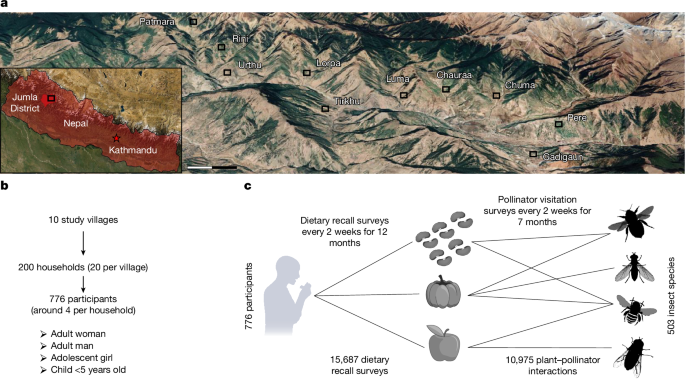
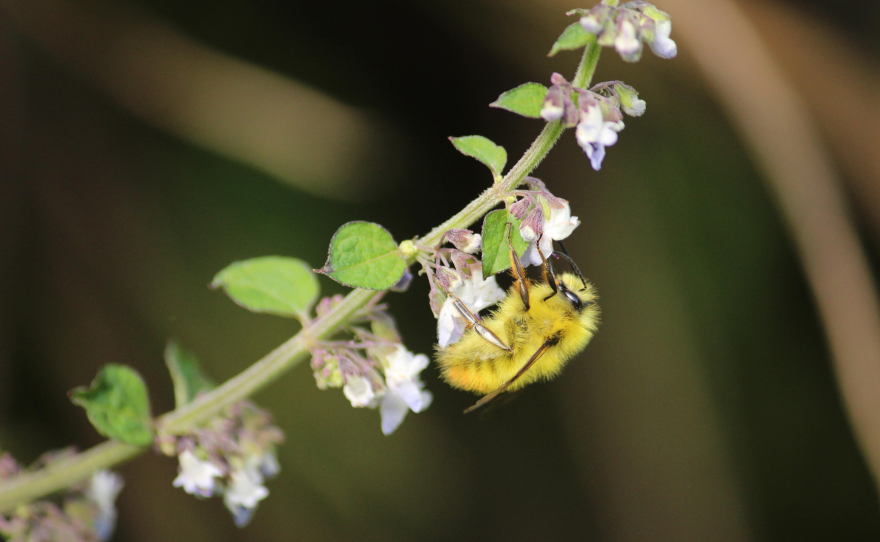
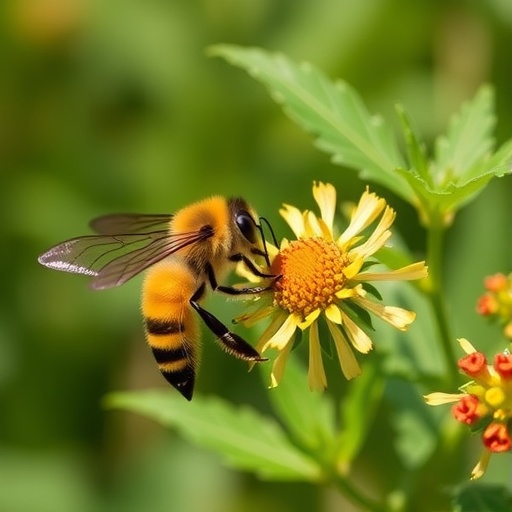
Recent research published in Nature demonstrates a critical supply chain vulnerability affecting agricultural product sellers globally: pollinator population collapse directly threatens the availability and pricing of micronutrient-rich crops that represent 40% of farming income in vulnerable regions. The 12-month study tracking 776 individuals across Nepal's Jumla District quantified that native honeybees (Apis cerana) alone contribute 7% of vitamin A intake, 5% of folate, and 5% of calcium—establishing the first empirical links between specific pollinator species and human dietary outcomes. This research carries profound implications for cross-border sellers in agricultural, health, and nutrition categories.
Supply Chain Risk Assessment: The data reveals that pollination supports 75% of global crop species, with one-quarter of the global population currently suffering from "hidden hunger" due to micronutrient deficiency. Nepal's native honeybee populations have declined nearly 50% over the past decade due to climate change, habitat loss, and pesticide use. If pollinator loss continues, vitamin A and folate intake could decline 7% by 2030, while complete pollinator collapse would reduce farming income by 50% and vitamin intake by 20%. This directly impacts the 2 billion smallholders in low-income countries who supply raw materials for agricultural product sellers on Amazon, Alibaba, and specialty food marketplaces.
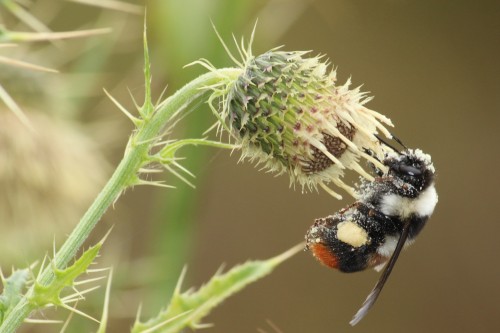
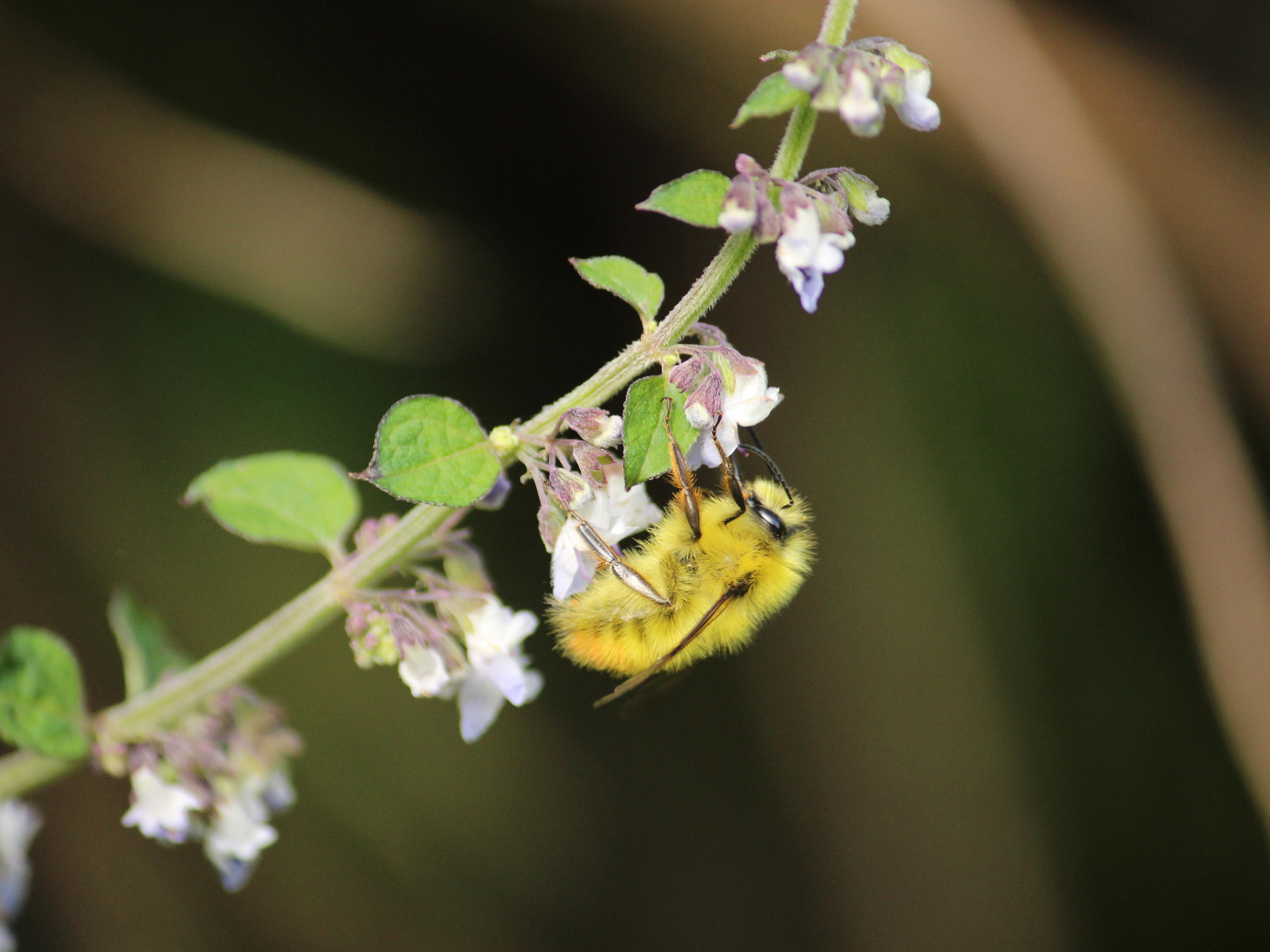
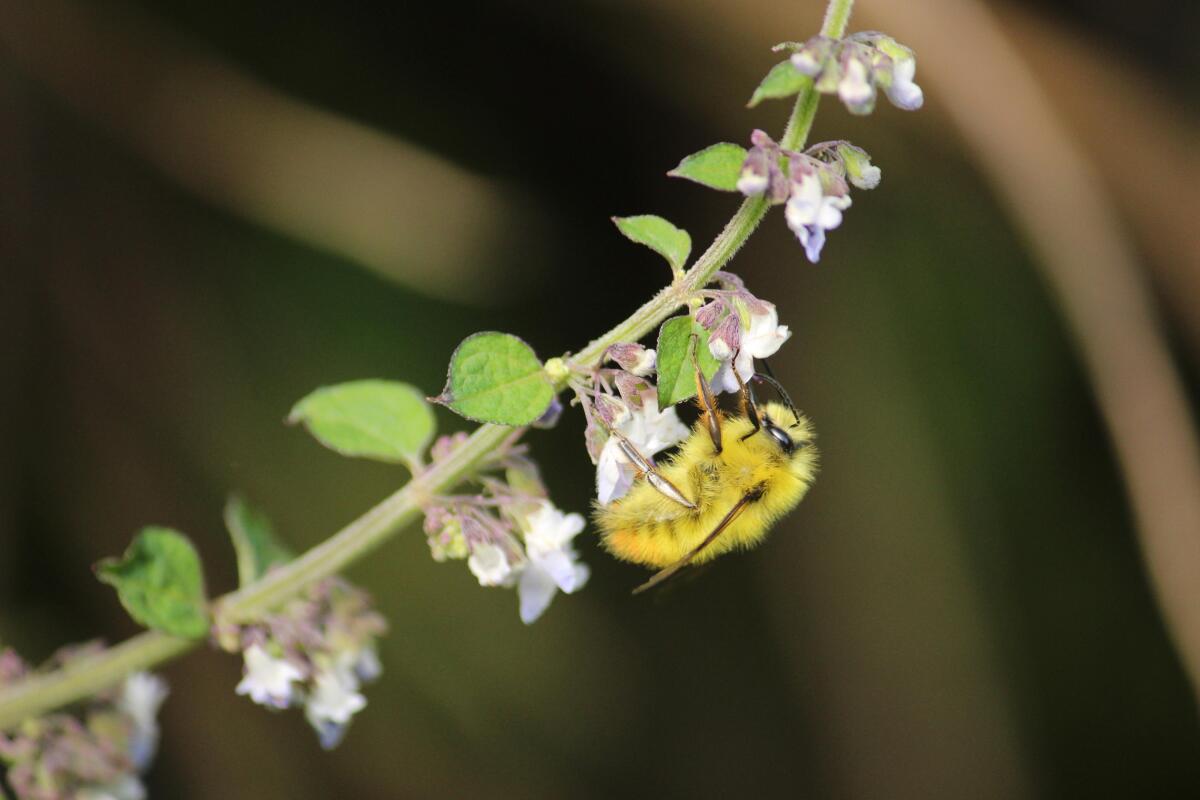
Product Category Implications: Sellers in organic supplements, superfoods, agricultural commodities, and nutritional products face upstream supply constraints. Crops dependent on pollinators—including almonds, apples, cucumbers, and berries—represent high-margin categories on e-commerce platforms. The research identifies specific pollinator taxa (A. cerana, Bombus tunicatus, Apis laboriosa, Eristalis tenax) as critical to production in multiple regions, suggesting geographic concentration risk. Sellers sourcing from Nepal, India, and Southeast Asia face particular vulnerability, as these regions depend heavily on wild and semi-domesticated pollinator populations.
Market Opportunity: Conversely, the research identifies actionable interventions: simple conservation measures (planting wildflowers, providing nesting sites, reducing pesticides) could increase farmer income by 30% and lift 9% of populations out of nutrient deficiency. This creates a market for eco-certified agricultural products, pollinator-friendly farming supplies, and sustainability-focused merchandise. Sellers can capitalize on growing consumer demand for products with documented environmental stewardship, positioning themselves in the rapidly expanding $150B+ global organic and sustainable food market.
Questions 7
Are there market opportunities for sellers in pollinator conservation products?
Yes. The research demonstrates that simple interventions—planting wildflowers, providing nesting sites, reducing pesticides—could increase farmer income by 30% and lift 9% of populations out of nutrient deficiency. This creates emerging market opportunities for sellers offering: (1) pollinator-friendly seeds and wildflower mixes, (2) sustainable farming supplies and organic pesticide alternatives, (3) eco-certified agricultural products with documented conservation impact, and (4) educational content and guides on sustainable farming. The global organic and sustainable food market exceeds $150B annually with 10-15% year-over-year growth. Sellers positioning products with environmental stewardship credentials can access premium pricing and growing consumer segments prioritizing sustainability.
What timeline should sellers use for supply chain adjustments related to pollinator risk?
The research projects that vitamin A and folate intake could decline 7% by 2030 if current pollinator loss continues, with complete collapse scenarios reducing farming income by 50%. Sellers should implement supply chain adjustments within 12-18 months: (1) audit current supplier geography and pollinator dependency by Q2 2025, (2) establish backup suppliers in regions with stable pollinator populations by Q4 2025, (3) implement long-term supply contracts with price escalation clauses by Q1 2026. Immediate actions include monitoring pollinator population data in key sourcing regions and evaluating alternative suppliers. The University of York research provides a generalizable framework applicable to all smallholder farming regions, enabling sellers to assess their specific supply chain vulnerability.