


Maritime Tensions Escalate: Iran's Strategic Fuel Smuggling Crackdown Reshapes Global Shipping Dynamics
- Geopolitical power play exposes vulnerabilities in international maritime trade routes
)








-693d26ab57ef5.jpg)



)



Overview
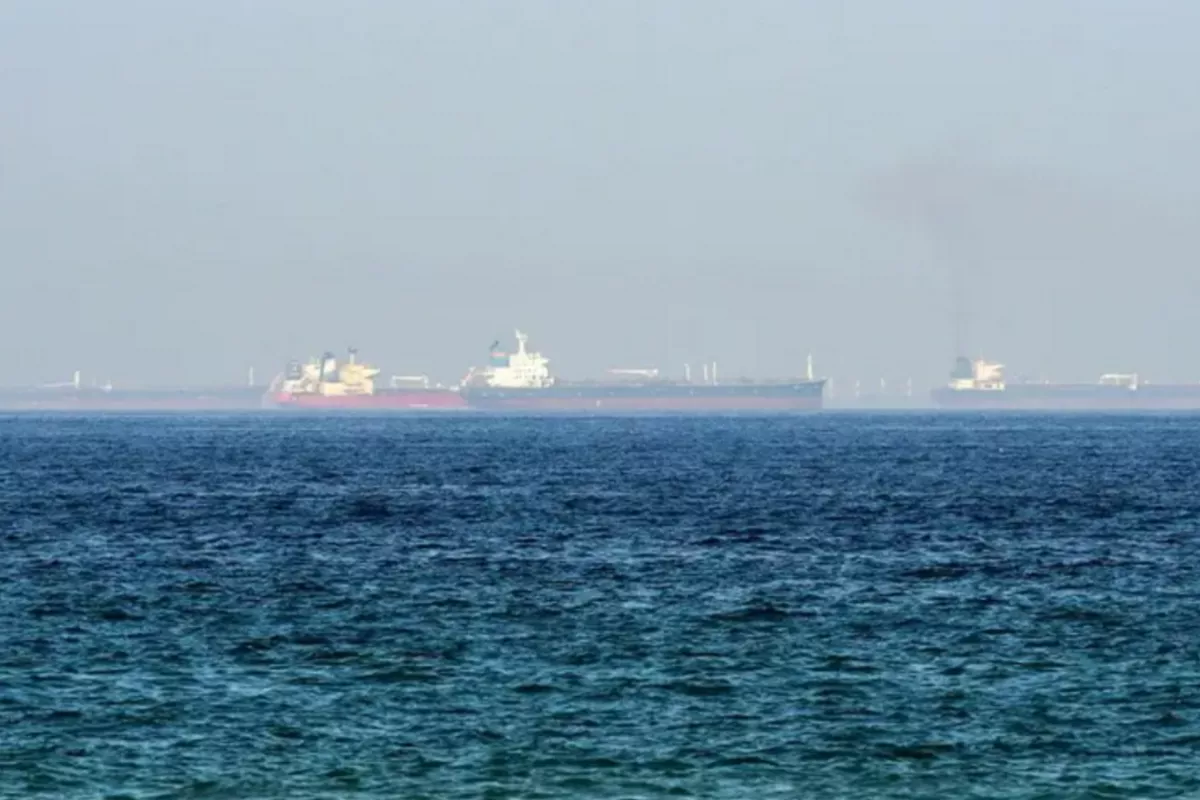
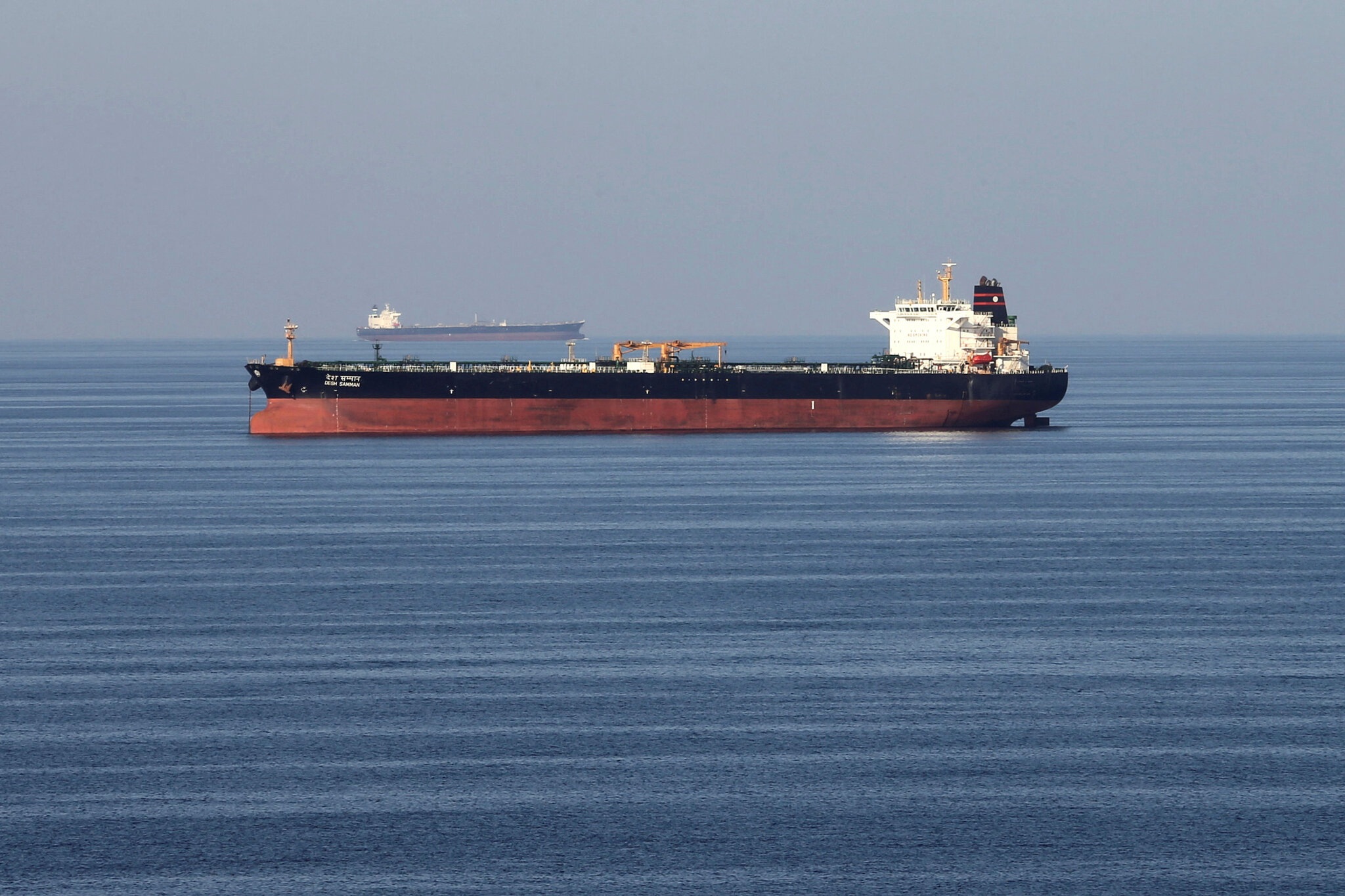
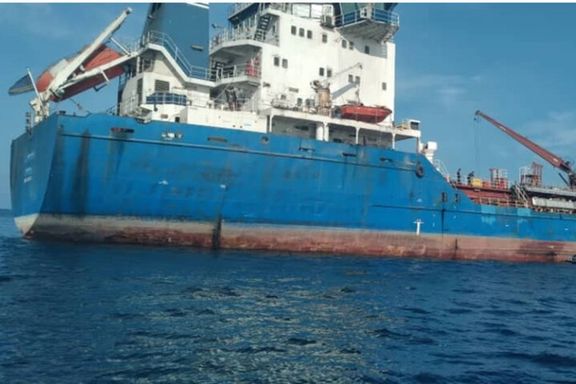
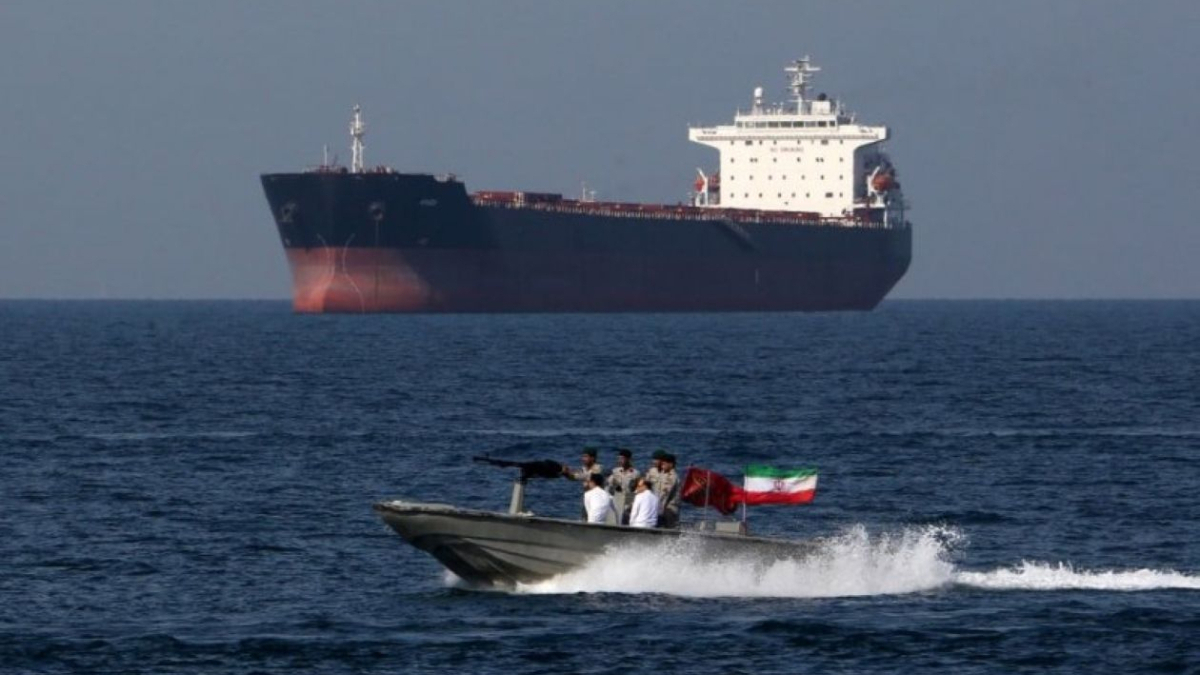
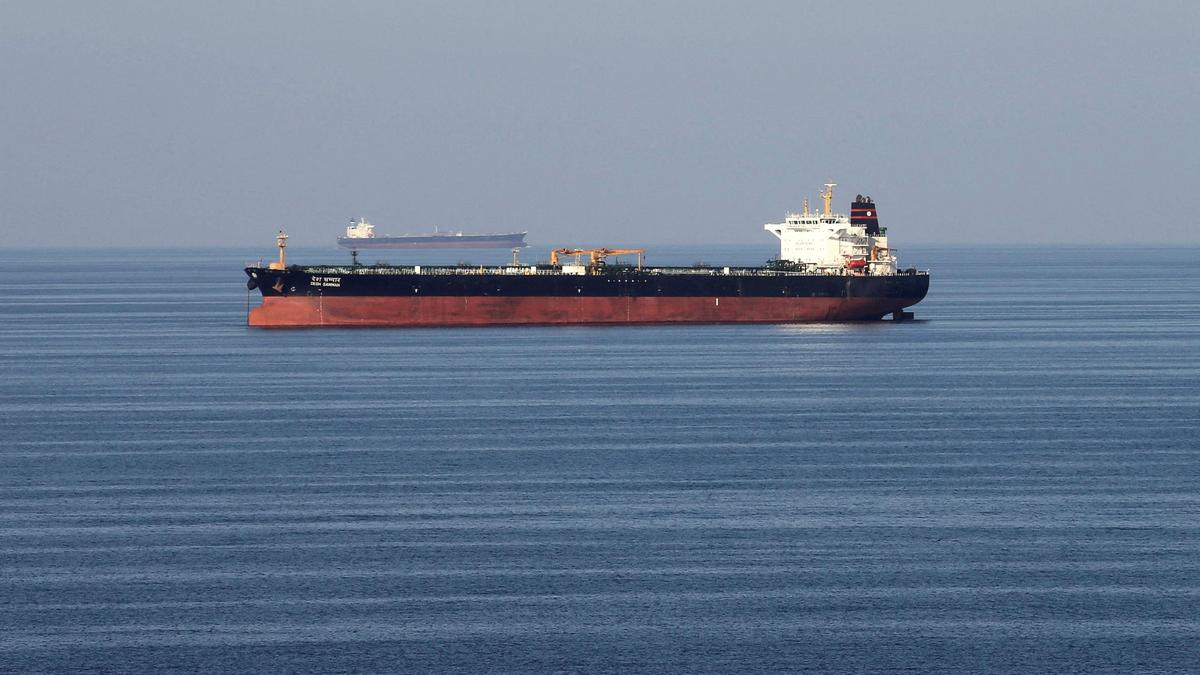
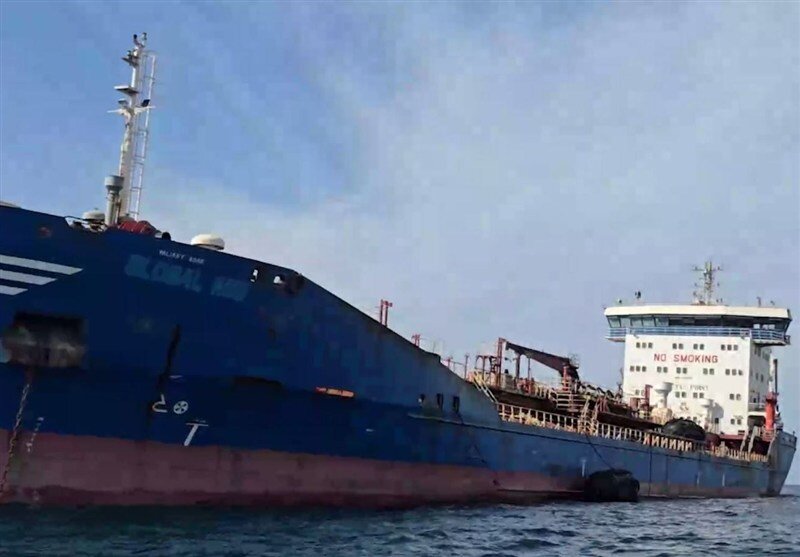
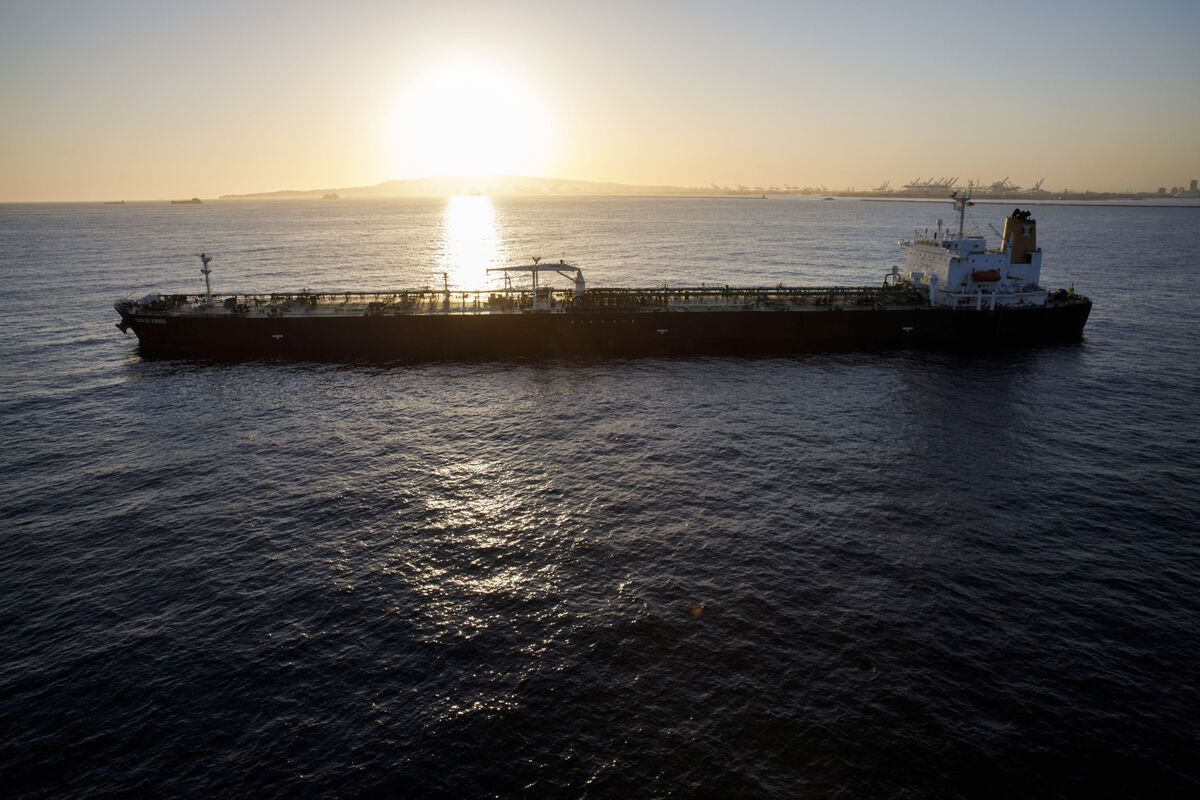
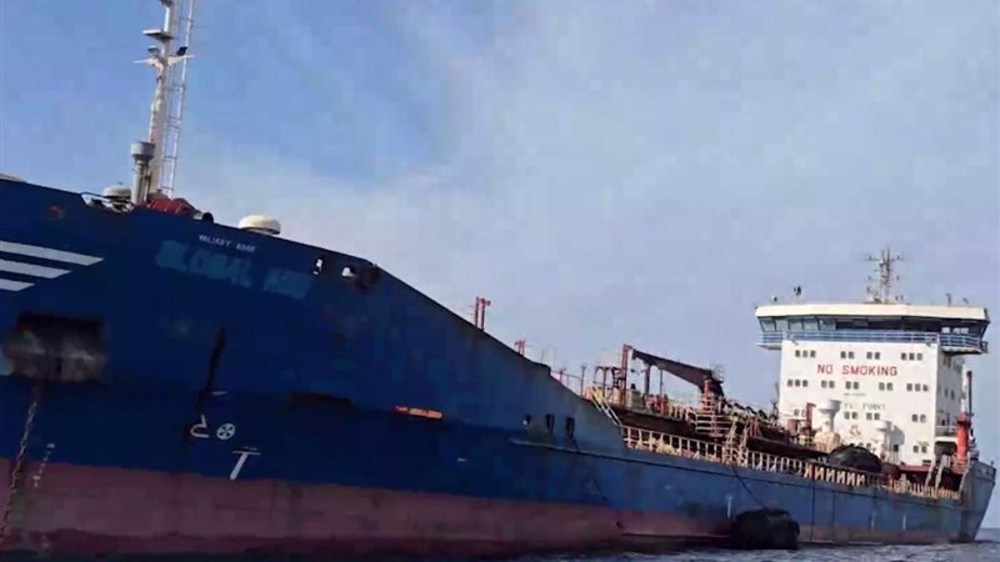
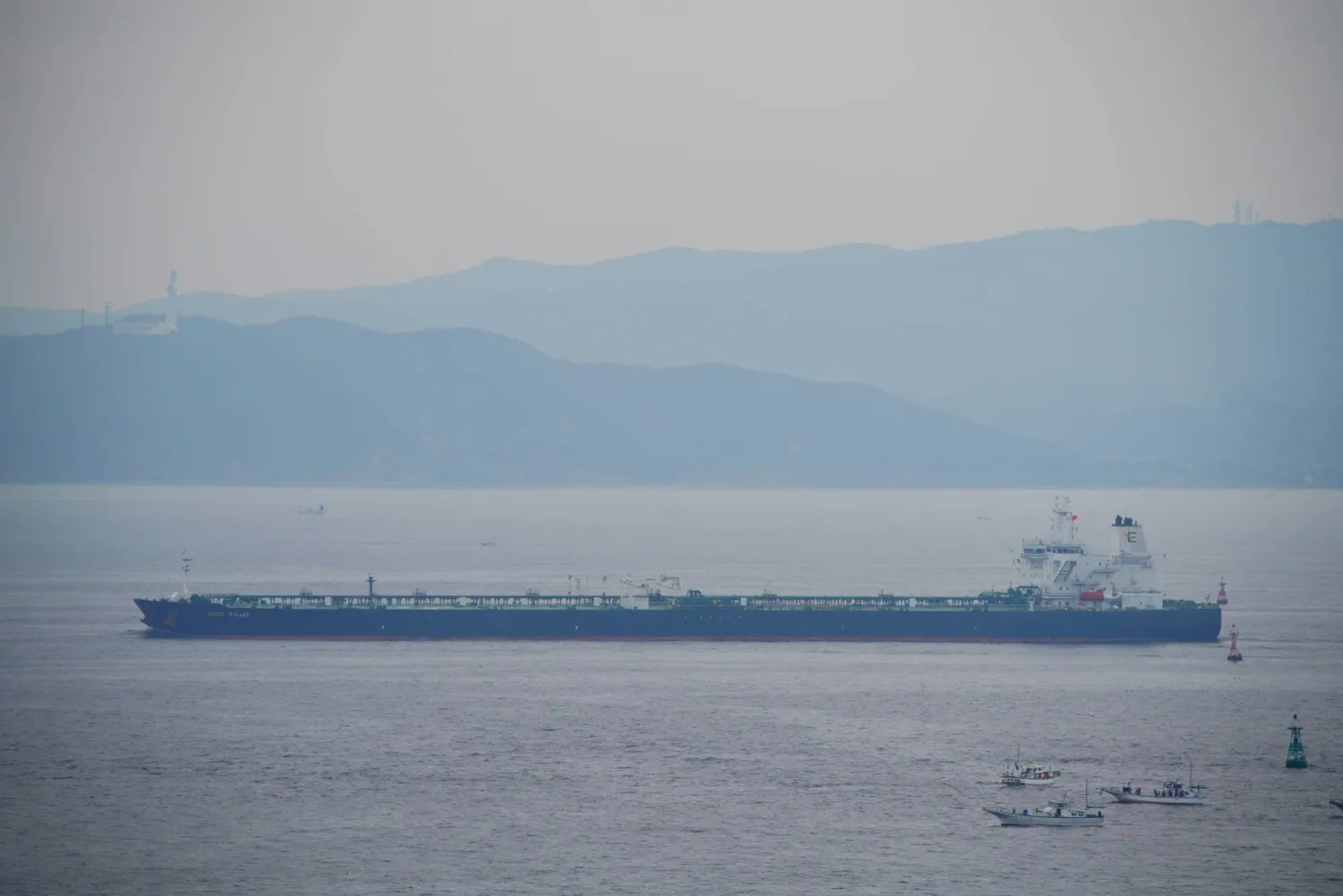
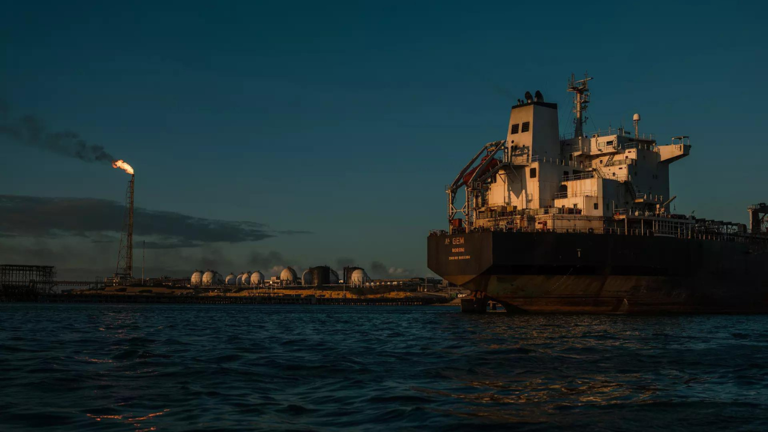
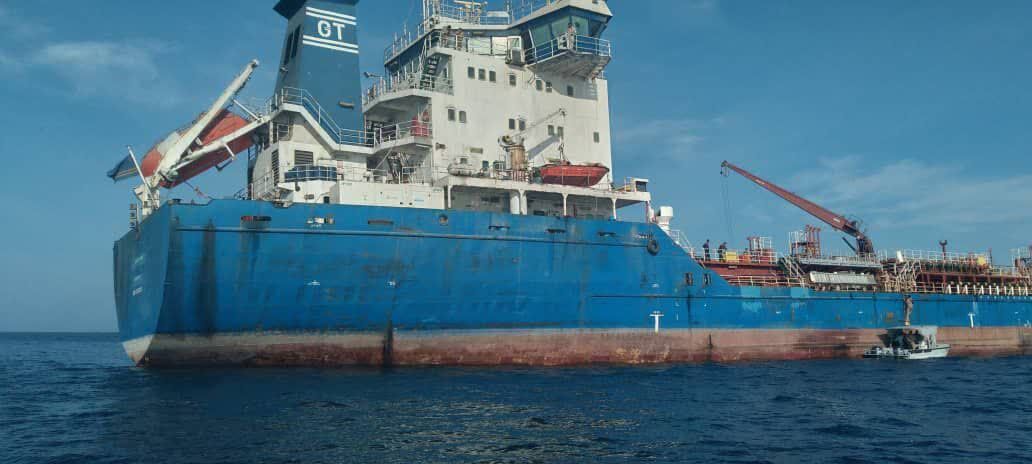
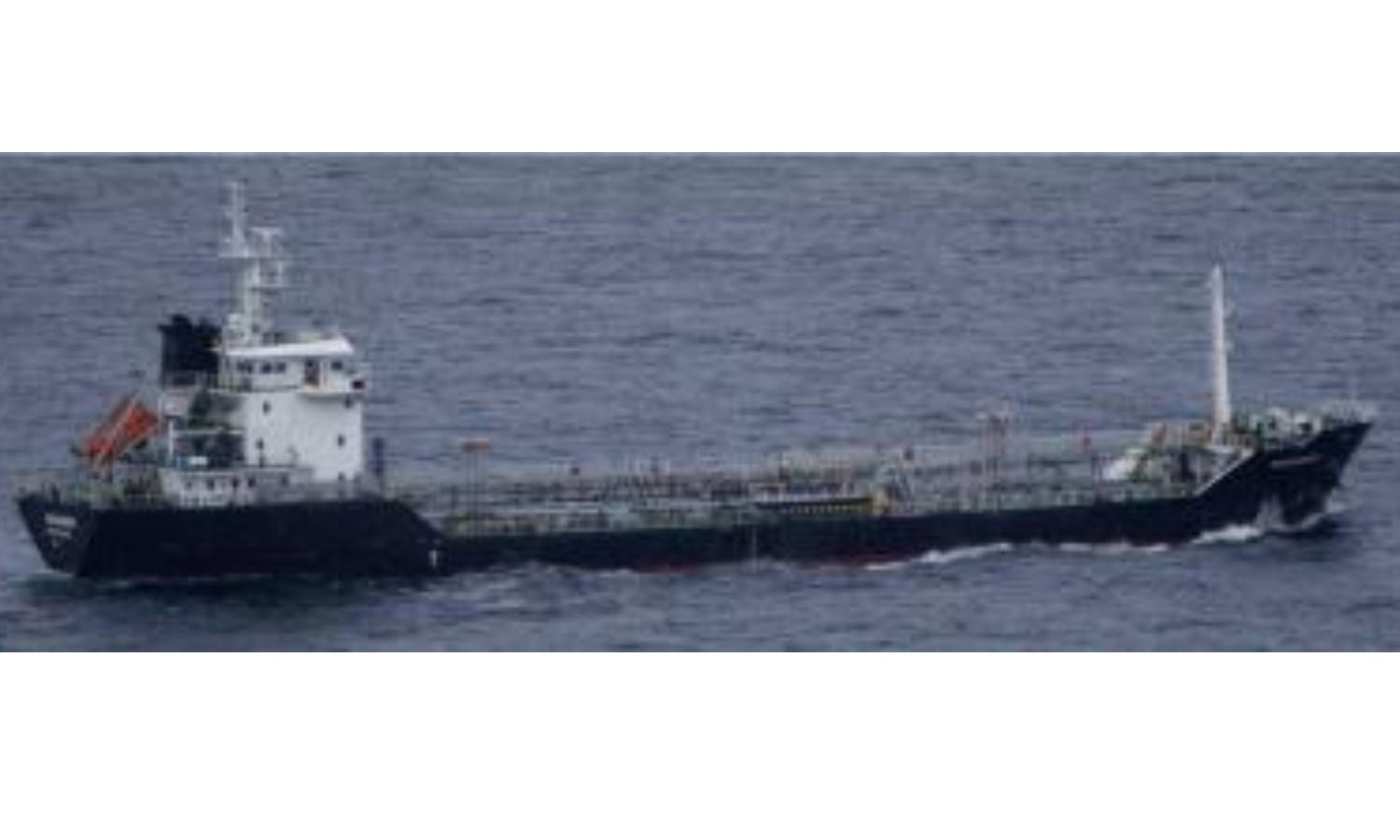
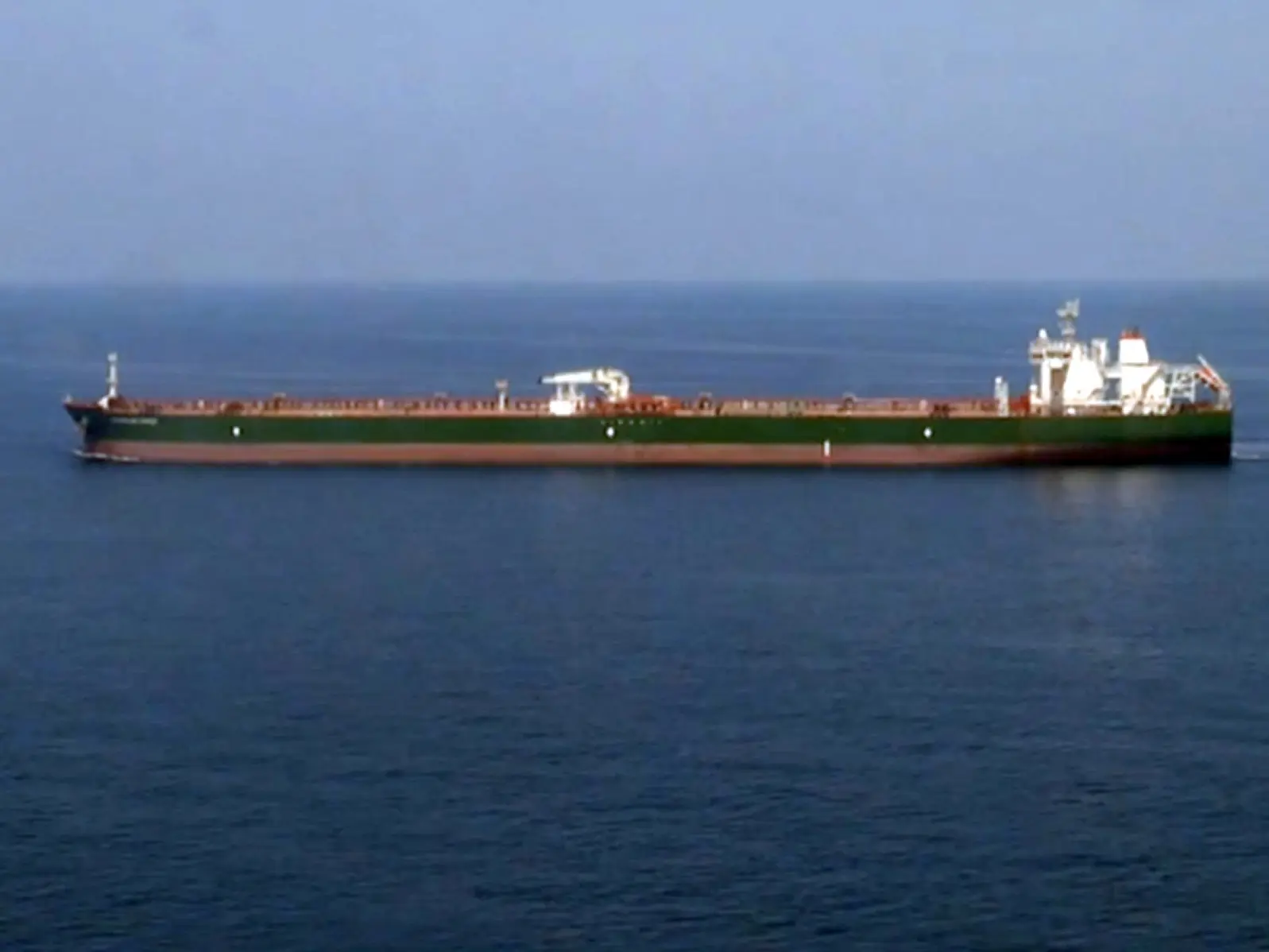
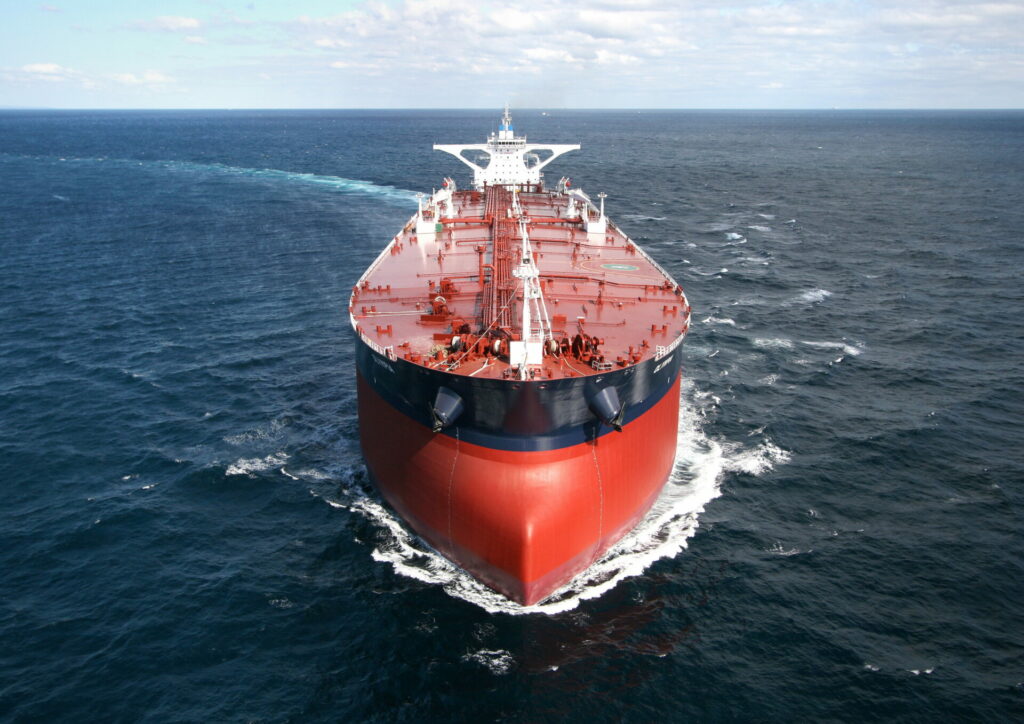
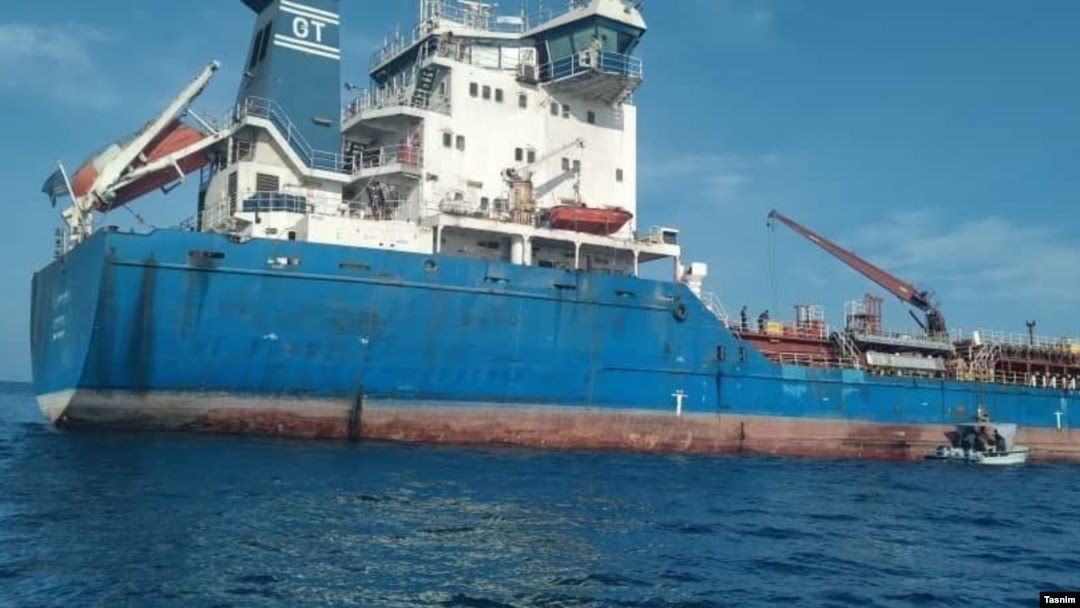
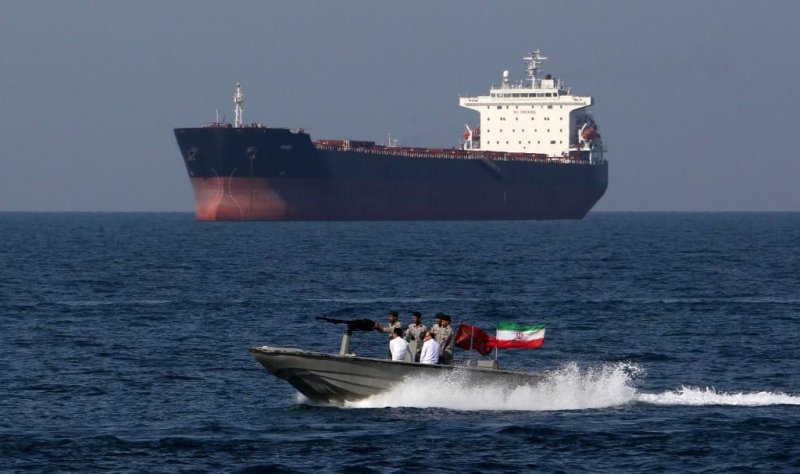
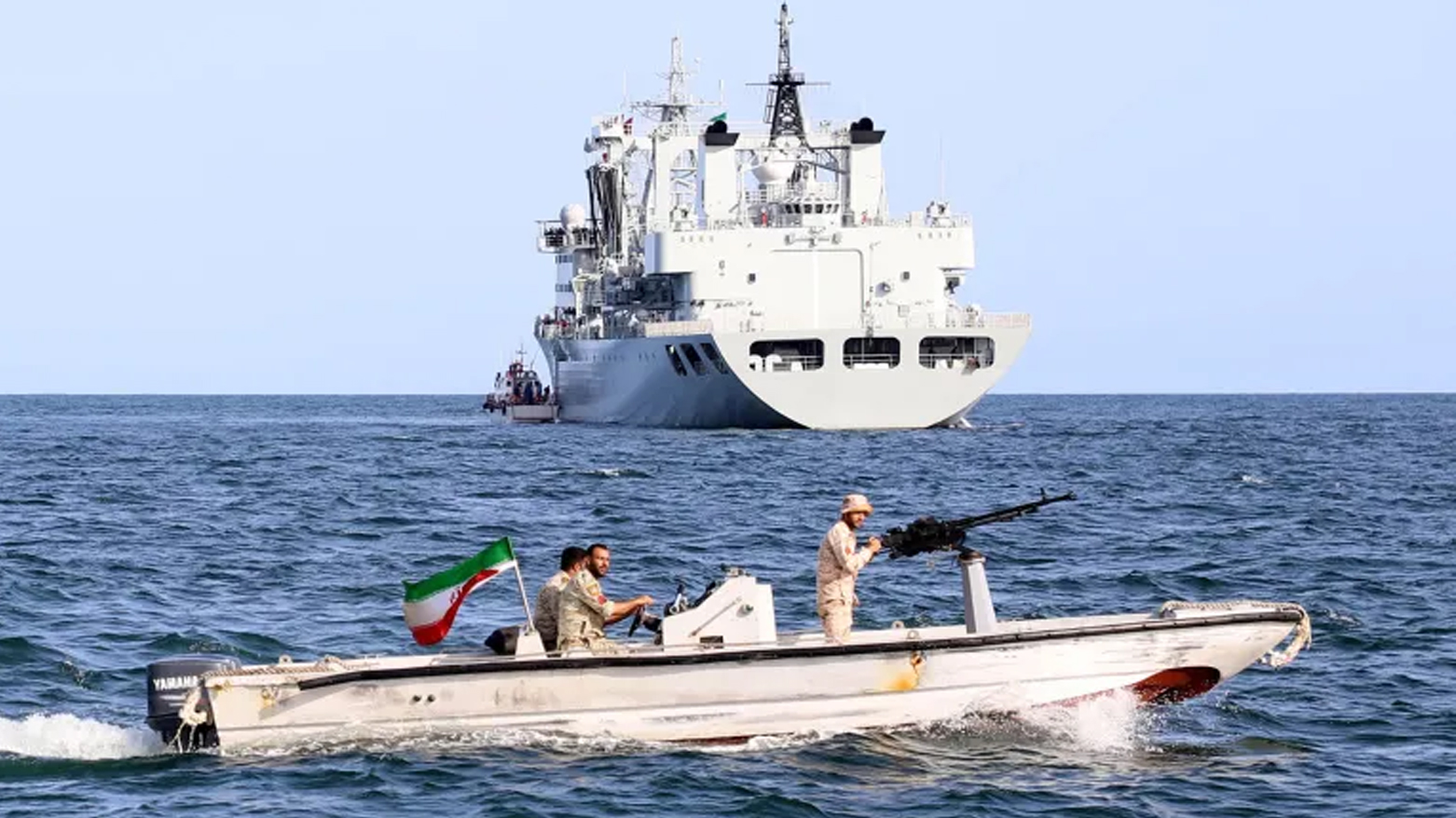
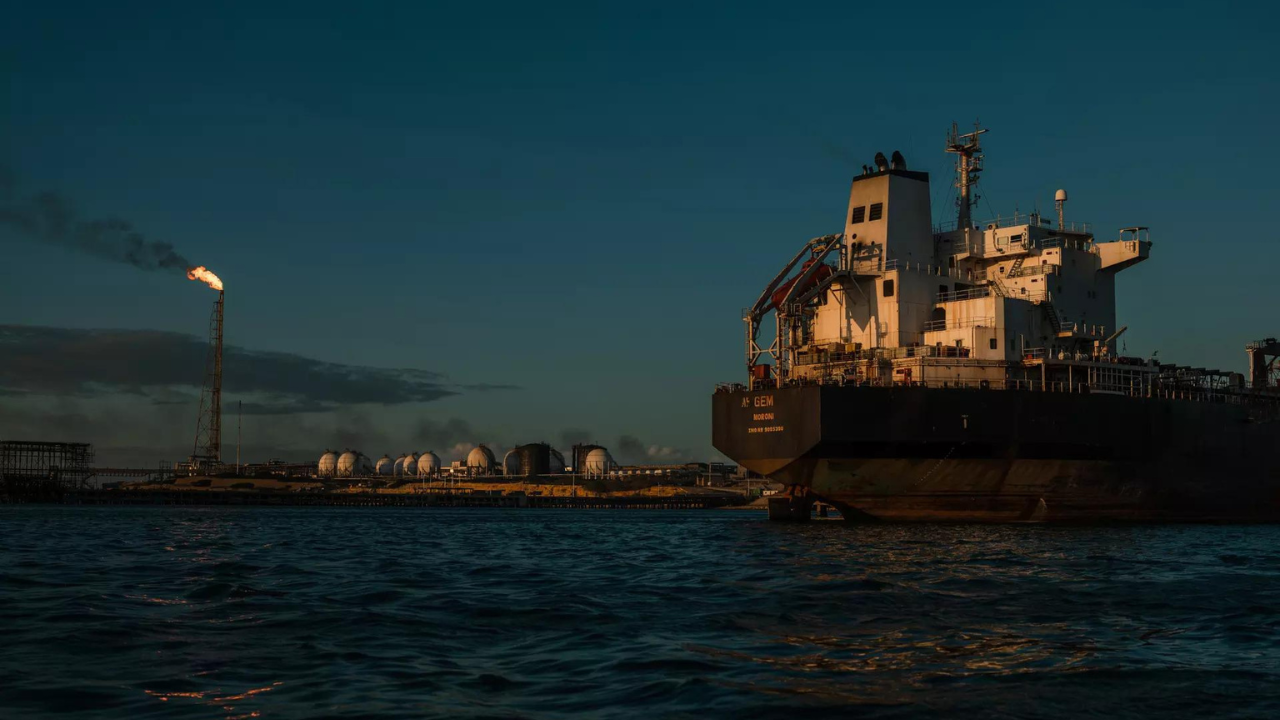
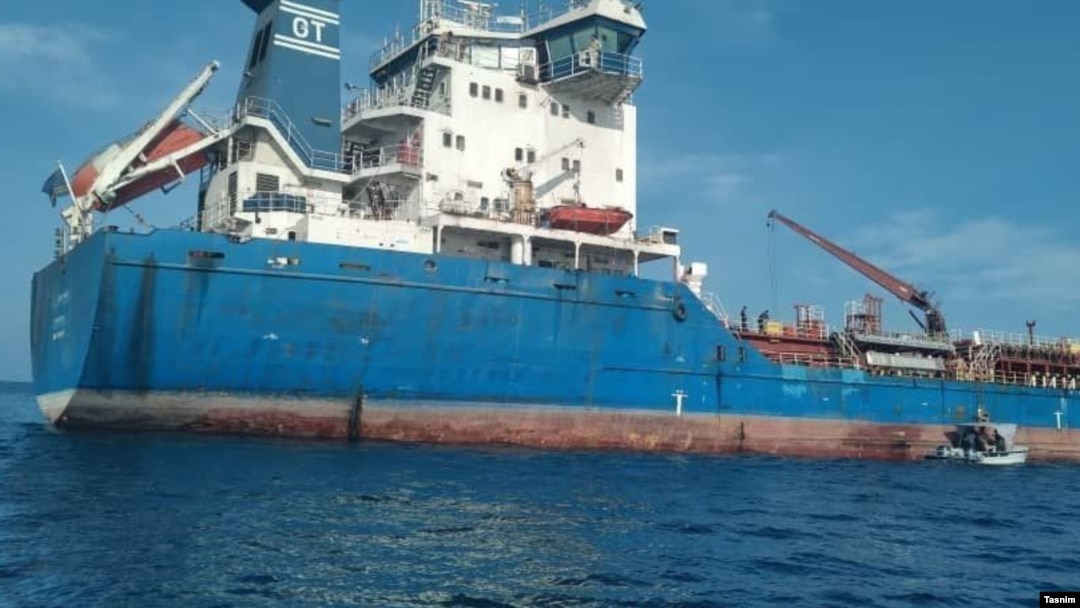
The recent maritime interdiction by Iranian authorities reveals a complex geopolitical chess match unfolding in the strategically critical Gulf of Oman. On December 12, Iranian judicial authorities seized a foreign oil tanker carrying approximately 6 million liters of allegedly smuggled fuel, detaining 18 crew members from South Asian nations and signaling a robust enforcement strategy against maritime resource violations.
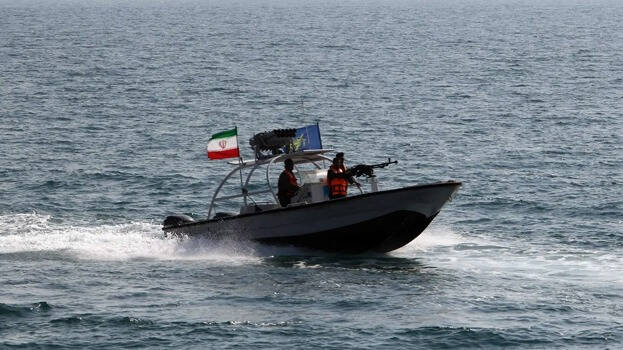
Strategic Maritime Enforcement Signals: This incident is far more than a simple maritime policing action. It represents a calculated move by Iran to assert control over regional shipping lanes and combat fuel smuggling networks that undermine its economic stability. The seizure follows a pattern of similar interventions by Iran's Islamic Revolutionary Guards Corps (IRGC), highlighting a systematic approach to maritime resource protection. The tanker's specific violations—ignoring stop orders, operating without proper navigation documents, and having its radar disabled—suggest a sophisticated interdiction strategy targeting vessels attempting to circumvent regional maritime regulations.
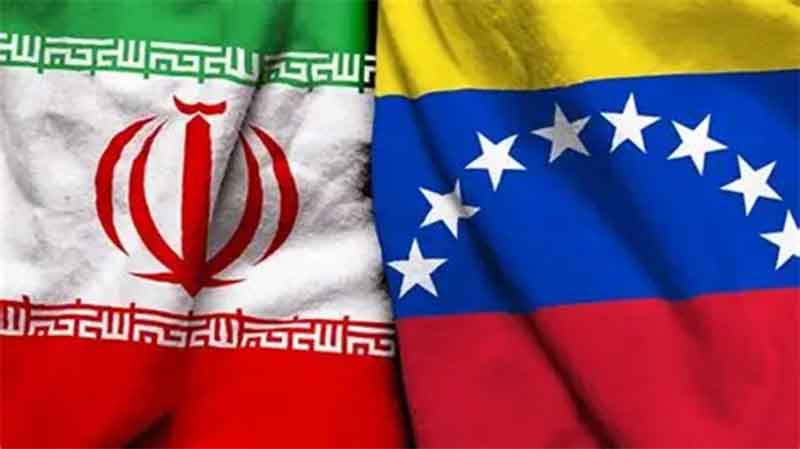
Geopolitical and Economic Implications: The broader context reveals escalating maritime tensions, with the United States recently seizing a Tehran-linked tanker off Venezuela's coast. These actions underscore the high-stakes economic warfare occurring through maritime interdictions. Iran's fuel smuggling challenges are deeply intertwined with its economic pressures, including heavily subsidized fuel prices and a dramatically declining national currency. The country is combating smuggling both by land and sea, transforming maritime routes into critical economic battlegrounds.
The incident exposes significant systemic vulnerabilities in international maritime trade. Shipping companies and insurers must now factor in heightened geopolitical risks, particularly in strategically sensitive regions like the Persian Gulf. The crew composition (spanning India, Sri Lanka, and Bangladesh) further illustrates the transnational complexity of these maritime operations, where individual sailors become unwitting participants in larger geopolitical confrontations.
Ultimately, this maritime seizure signals a broader trend: the transformation of shipping routes from purely commercial corridors into zones of strategic economic and political contestation. For international maritime stakeholders, the message is clear—traditional navigation strategies must evolve to address increasingly complex geopolitical landscapes.
Questions 3
What are the broader geopolitical implications of this maritime seizure?
The incident reveals escalating maritime tensions, transforming shipping routes into zones of strategic economic and political contestation. It signals Iran's intent to assert control over regional shipping lanes and demonstrates the increasing risks for international maritime trade in geopolitically sensitive regions.
How does this maritime interdiction impact international shipping companies?
Shipping companies must now factor in heightened geopolitical risks, particularly in regions like the Persian Gulf. They need to enhance navigation compliance, improve documentation, and develop more sophisticated risk management strategies to navigate increasingly complex maritime environments.