


Strait of Hormuz Crisis Drives 15-25% Shipping Cost Surge for Cross-Border Sellers
- Geopolitical tensions threaten 21% of global petroleum trade; fuel surcharges expected within 2-4 weeks for FedEx, UPS, DHL shipments; Asia-Pacific importers face 7-14 day transit delays




































Overview
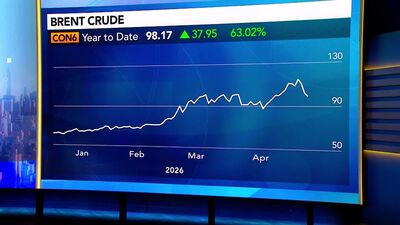
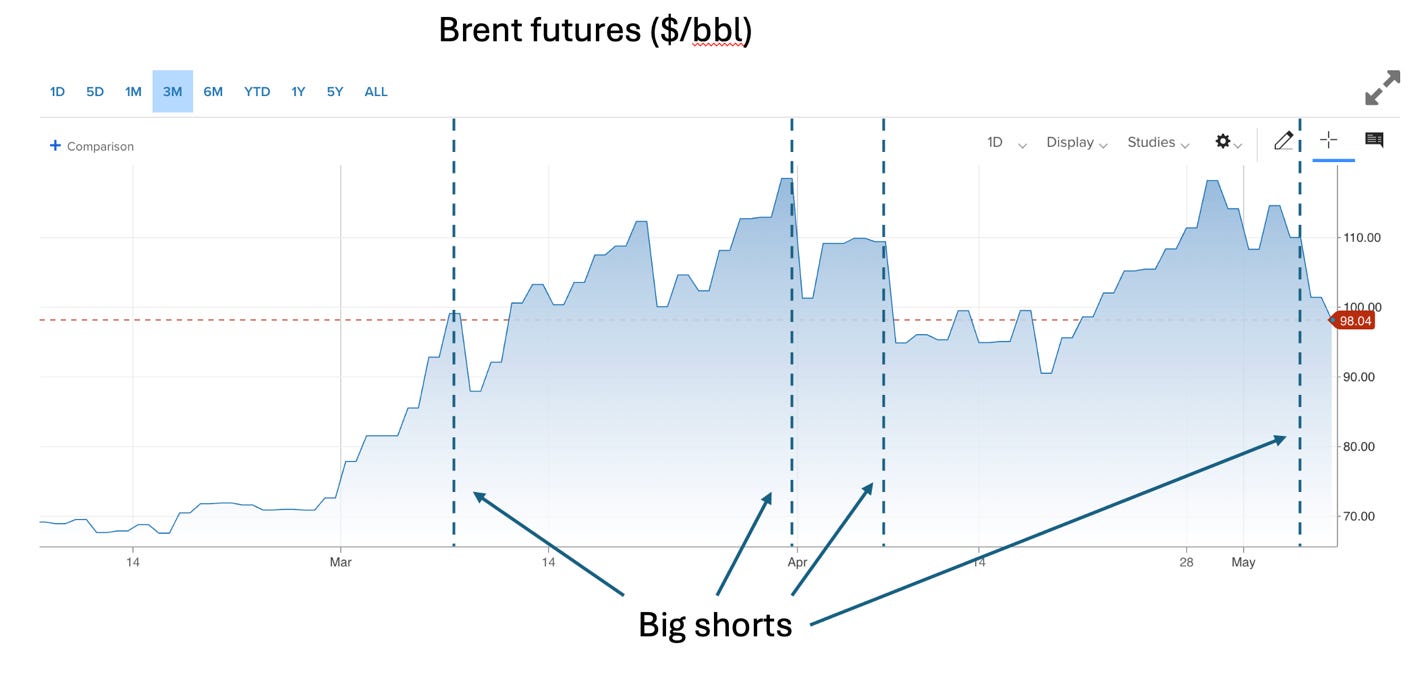
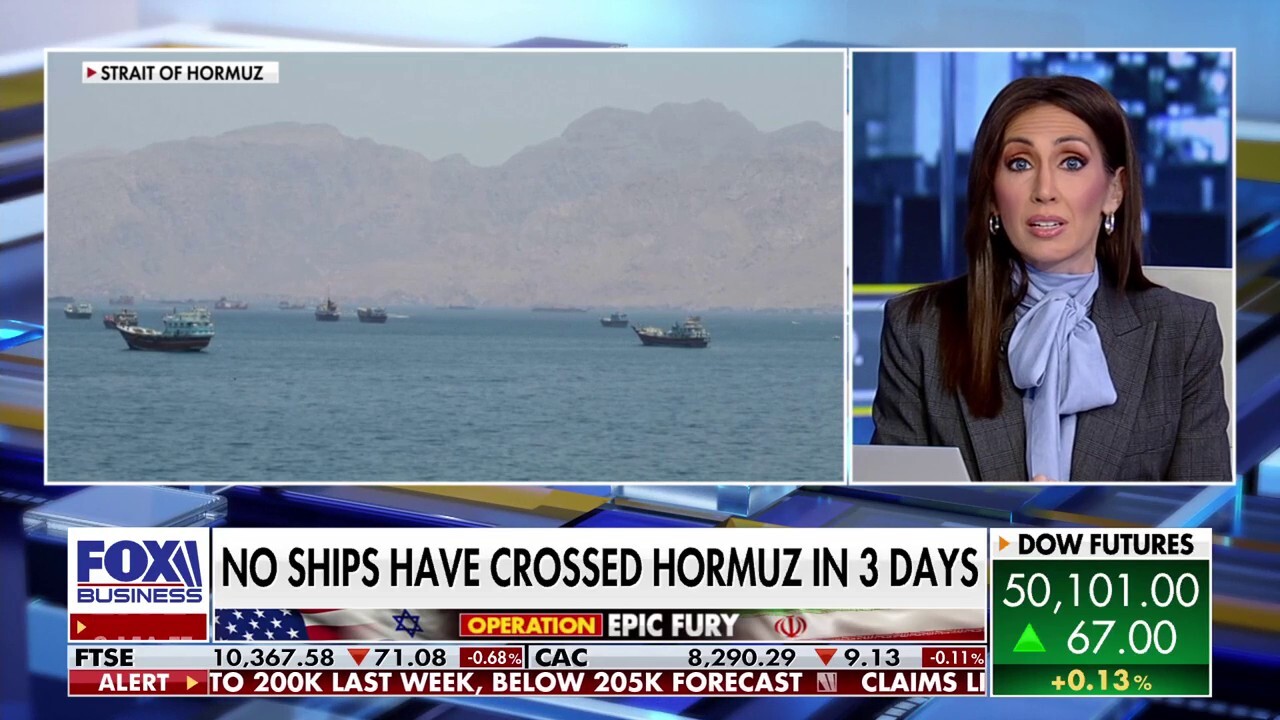
The escalating U.S.-Iran tensions centered on the Strait of Hormuz represent a critical supply chain crisis for cross-border e-commerce sellers, with immediate and measurable cost implications. As of May 6, 2026, Brent crude futures declined 1.85% to $99.40 per barrel while WTI futures rose 1.85% to $93.21, reflecting market uncertainty around potential blockades of a chokepoint handling 21% of global petroleum trade. President Trump's ultimatum—threatening "intensified bombing" if Iran rejects a 14-point peace deal—creates a binary outcome scenario: either rapid diplomatic resolution reopening the Strait, or prolonged conflict escalating energy costs and logistics expenses.
For cross-border sellers, the operational impact is immediate and quantifiable. The Strait of Hormuz blockade risk directly threatens sellers importing from Asia-Pacific regions, where alternative routing adds 7-14 days to transit times and increases shipping costs by 15-25%. Major carriers including FedEx, UPS, and DHL typically implement fuel surcharges within 2-4 weeks of sustained oil price increases, meaning sellers should expect cost notifications by late May 2026. Energy-intensive product categories—electronics, textiles, and heavy goods—face compounded margin compression, as upstream manufacturing costs in petrochemical-dependent regions (plastics, packaging materials) rise simultaneously with transportation expenses. Sellers with just-in-time inventory models face the highest disruption risk, as supply chain delays compound with demand uncertainty from consumer spending reductions tied to higher energy costs.
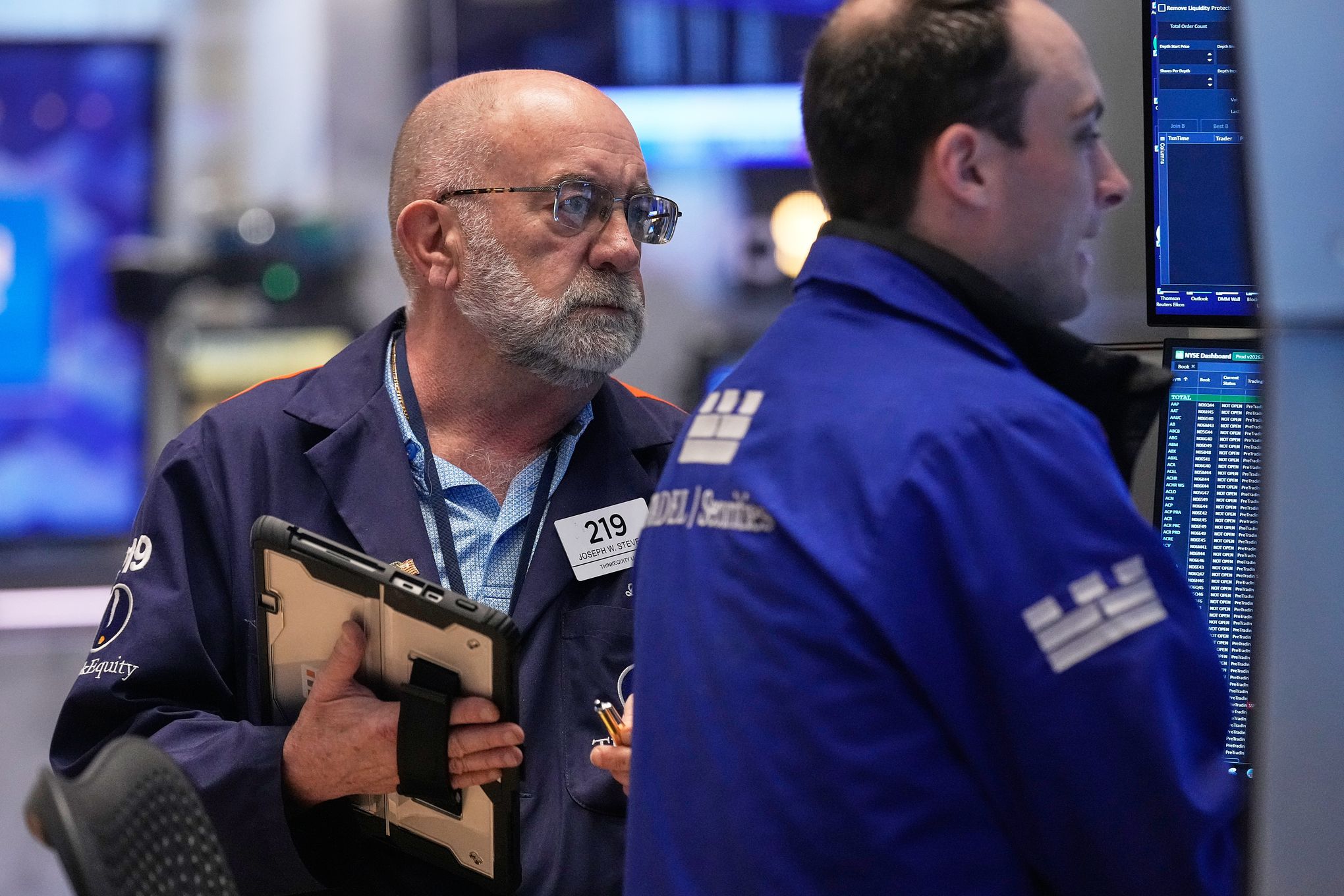
The macroeconomic feedback loop amplifies seller exposure. Citi strategist Scott Chronert noted that sustained higher oil prices influence Federal Reserve interest rate decisions, which directly affect seller financing costs for inventory purchases and working capital. Whirlpool's reported "recession-level industry decline" from Iran-related disruptions signals broader economic contraction beyond energy markets. The May 7 stock market report showed oil prices falling $0.97 to $94.16 per barrel on peace talk optimism, but this volatility creates pricing uncertainty for sellers planning Q2-Q3 inventory purchases. Currency fluctuations accompanying geopolitical uncertainty—the dollar index declined 0.04 points—further complicate pricing strategies for sellers operating in multiple markets, particularly those sourcing from Vietnam, India, or other Asia-Pacific alternatives to China.
Historical precedent suggests rapid cost escalation. The 2019 Saudi Aramco attacks and 2022 Russia-Ukraine conflict both triggered oil price spikes of 10-30%, with shipping cost increases following within weeks. Current conditions mirror these patterns, with the added complexity of diplomatic negotiations creating a time-sensitive window. Sellers must act immediately to lock in current shipping rates, pre-position inventory before surcharges take effect, and evaluate alternative sourcing countries less dependent on Strait of Hormuz transit routes.
Questions 8
What is the timeline for fuel surcharge implementation if oil prices remain elevated?
Major carriers typically announce fuel surcharges within 2-4 weeks of sustained oil price increases. As of May 6, 2026, Brent crude stood at $99.40 per barrel with volatility driven by U.S.-Iran tensions. If diplomatic negotiations fail and conflict escalates, sellers should expect formal surcharge notifications by late May or early June 2026. The situation remains fluid, with negotiations ongoing through Pakistani mediators, creating a narrow window for sellers to lock in current rates or adjust inventory strategies before surcharges take effect.
How do just-in-time inventory models face disruption from Strait of Hormuz blockade risks?
Just-in-time sellers relying on rapid Asia-Pacific replenishment face dual disruption: 7-14 day transit delays from alternative routing plus demand uncertainty from consumer spending reductions tied to higher energy costs. Whirlpool reported 'recession-level industry decline' from Iran-related disruptions, signaling broader economic contraction. Sellers with 2-3 week inventory buffers should immediately increase safety stock to 4-6 weeks and evaluate alternative sourcing countries (Vietnam, India, Indonesia) less dependent on Strait of Hormuz transit routes.