



California Fuel Crisis Drives 28% Logistics Cost Surge | E-Commerce Seller Impact
- Gas prices exceed $6.16/gallon, threatening last-mile delivery networks and FBA fulfillment costs for 50K+ California-based sellers through June 2025














Overview
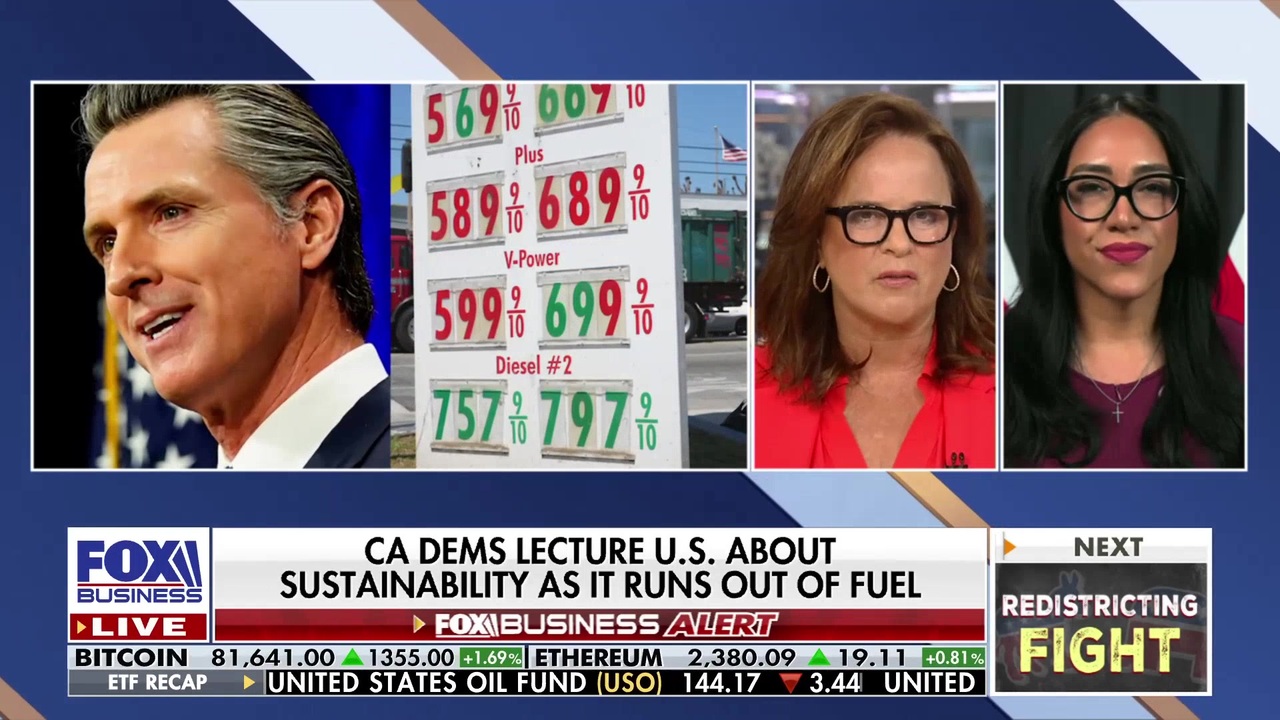
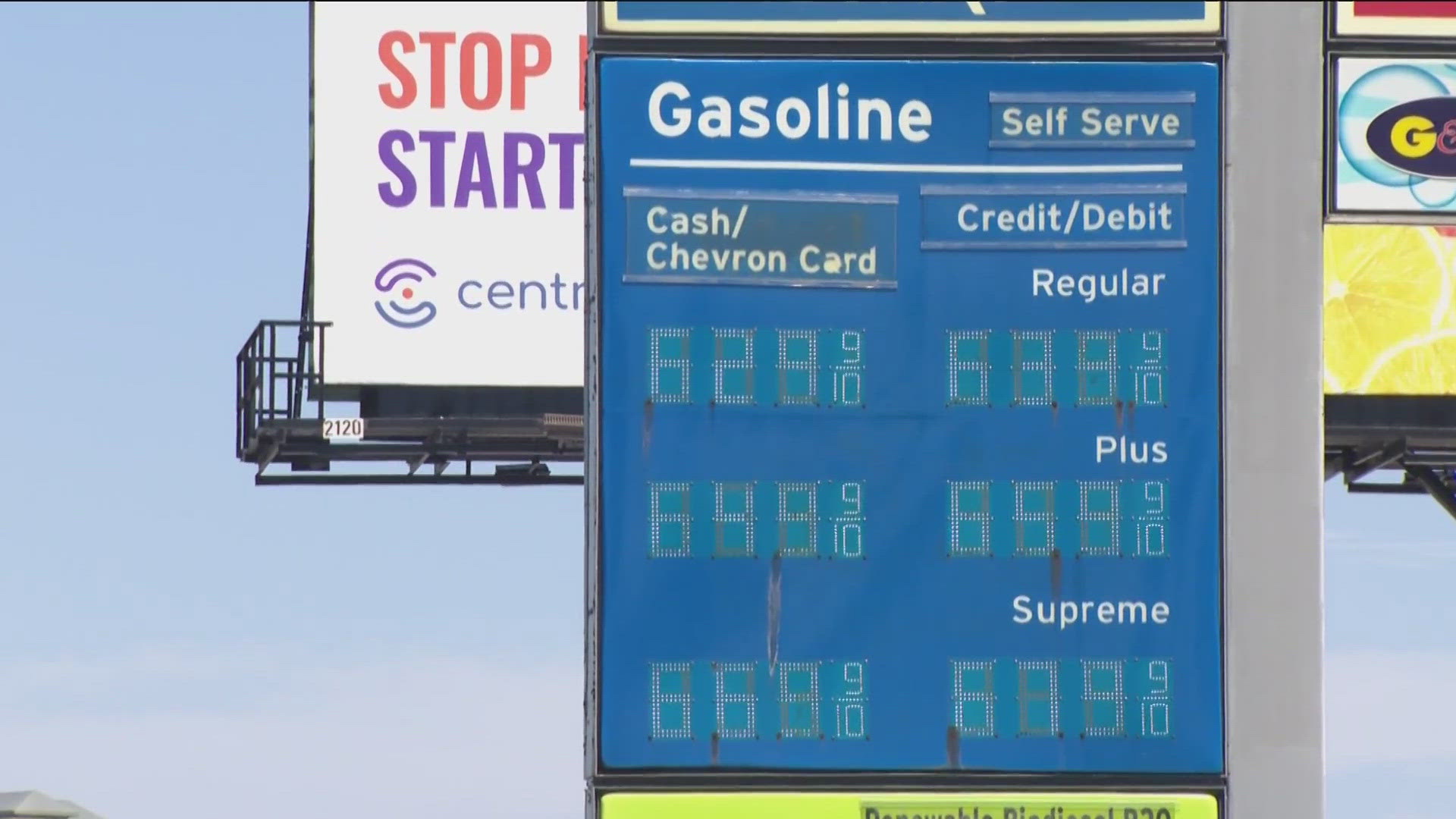
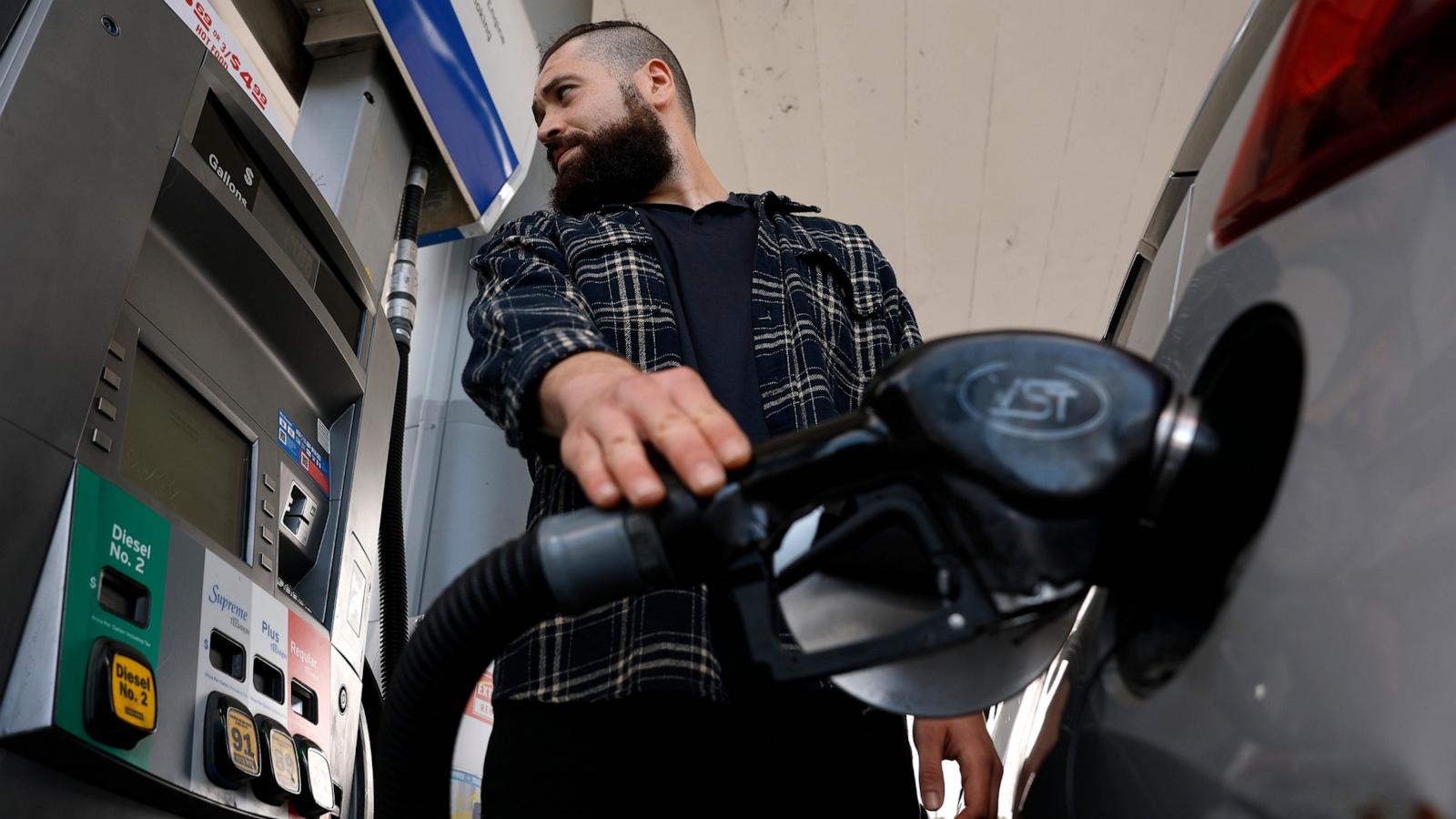
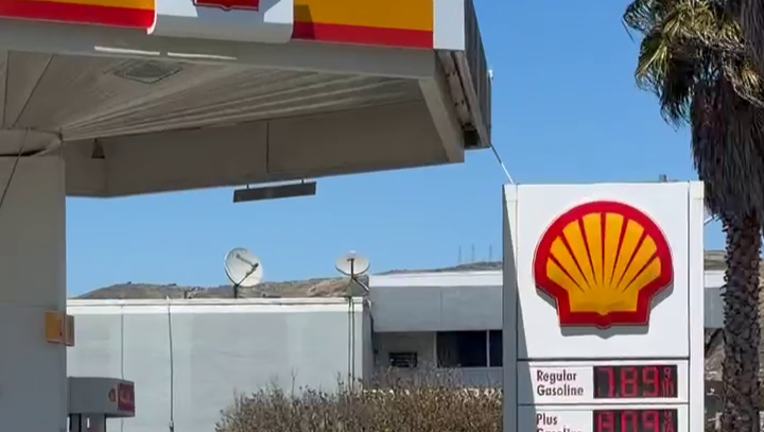
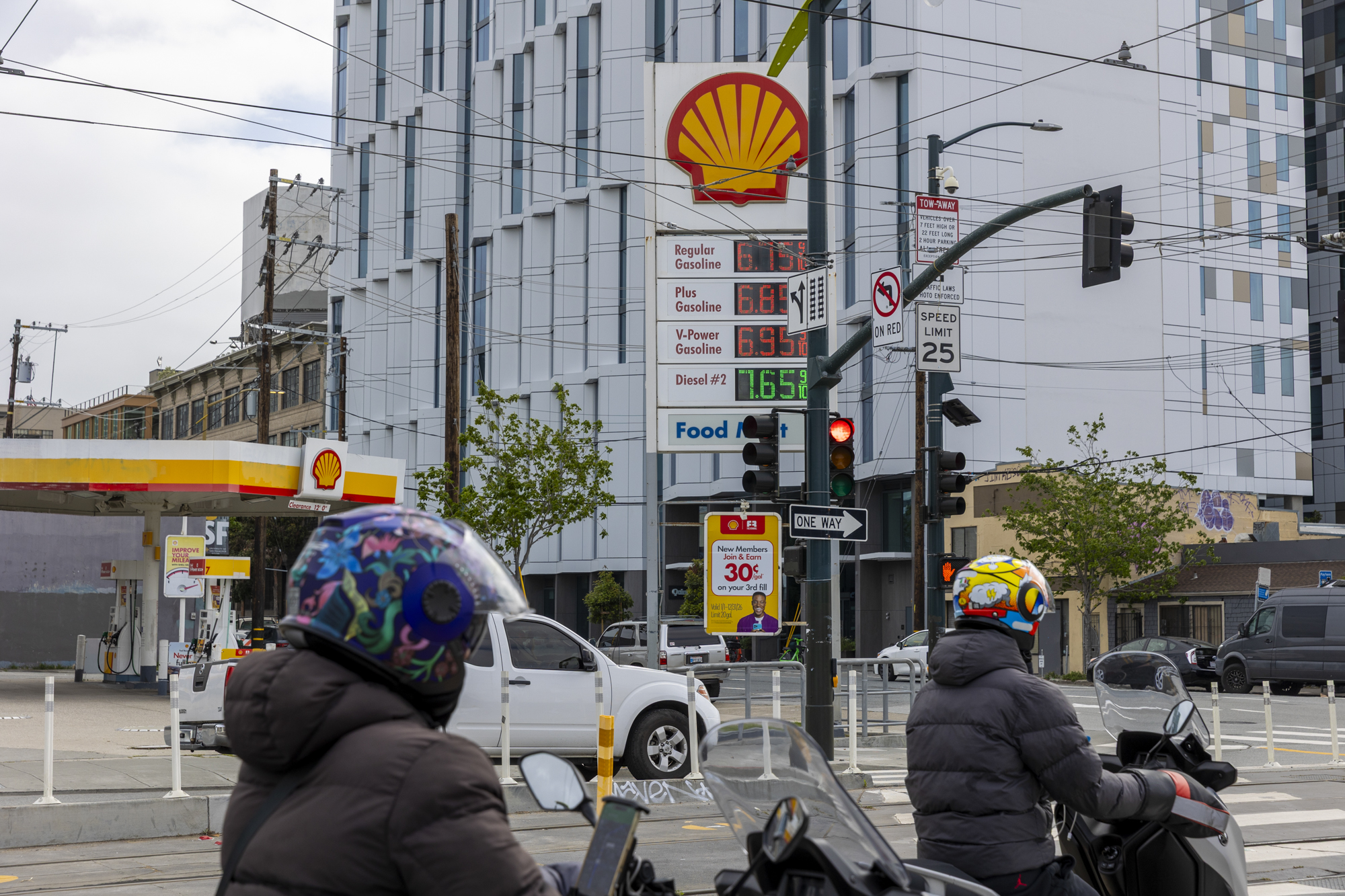
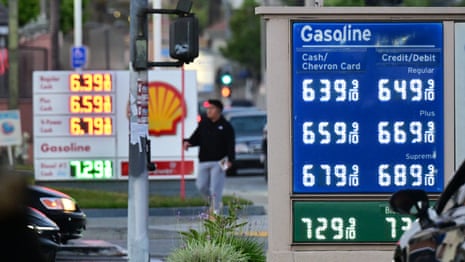
California's energy crisis triggered by the Iran conflict (February 28 closure of Strait of Hormuz) is creating a critical logistics cost shock for cross-border e-commerce sellers. Gas prices have surged to $6.16/gallon (up 29% from $4.78 last year), with the state's Energy Commission warning of sustained elevation beyond the 6-week supply buffer ending early June 2025. This represents the highest prices since June 2022 and directly impacts the 50,000+ sellers operating Amazon FBA fulfillment centers, 3PL warehouses, and last-mile delivery networks concentrated in California's major logistics hubs (Los Angeles, San Francisco Bay Area, Inland Empire).
Immediate Logistics Cost Impact: Sellers utilizing California-based fulfillment face 8-15% increases in per-unit shipping costs. A typical mid-size seller (500-2,000 units/month) will absorb an additional $400-800 monthly in logistics expenses. Last-mile delivery providers report 20-30% margin compression, with ride-share and courier services reducing availability. The New Corolla tanker's delivery of 2 million barrels represents the last Middle Eastern oil import, signaling sustained supply constraints. California Energy Commission data shows the state imports 75% of oil from foreign sources (30% from Middle East), with refinery shutdowns reducing domestic production capacity. Gasoline inventory stands at 9.55 million barrels—near-record lows since 2005—indicating limited buffer for price stabilization.
Consumer Behavior Shift & Product Opportunities: The crisis is accelerating EV adoption, with Cars.com survey data (April 2025) showing 50%+ of California vehicle buyers now considering electric/hybrid options. This creates immediate merchandise opportunities in EV accessories (charging cables, adapters, weatherproof covers), automotive electronics, and battery management systems. Sellers should prioritize EV-related categories (HS codes 8704.31-8704.90 for electric vehicles, 8507.80 for batteries) where demand is projected to grow 35-40% through Q3 2025. Additionally, consumers are consolidating trips and reducing discretionary travel, signaling decreased demand for travel-related merchandise (luggage, travel accessories) but increased demand for home delivery services and local fulfillment options.
Strategic Sourcing & Competitive Shifts: The crisis creates a 6-week window (through early June 2025) for sellers to optimize supply chains before potential price stabilization or further escalation. Sellers currently sourcing from California manufacturers face 12-18% cost increases; diversifying to Texas, Arizona, or Nevada-based suppliers could reduce logistics costs by 15-22%. Small and medium sellers (under $5M annual revenue) are most vulnerable, lacking negotiating power with 3PL providers. Large sellers (Amazon Logistics, UPS-integrated fulfillment) have hedging mechanisms and can absorb costs, creating competitive advantage. The timing window is critical: sellers must lock in Q2-Q3 inventory by May 15, 2025, before potential further price escalation beyond the 6-week supply buffer.
Questions 8
How much will California fuel prices increase my FBA shipping costs through June 2025?
FBA sellers in California face 8-15% per-unit cost increases due to fuel surcharges. A mid-size seller shipping 1,000 units monthly will absorb $400-800 in additional monthly logistics costs. Amazon's fuel surcharge mechanism (currently 8-12% of base shipping) will likely increase to 15-18% if prices remain above $6/gallon. The California Energy Commission confirmed sufficient supply for only 6 weeks (through early June), after which further escalation is likely. Lock in Q2-Q3 inventory by May 15 to avoid potential June-July price spikes.
Should I move my inventory out of California fulfillment centers to reduce costs?
Yes, consider diversifying 20-30% of inventory to Texas, Arizona, or Nevada-based 3PL providers to reduce logistics costs by 15-22%. California's structural energy vulnerability (75% oil imports, 30% from Middle East) makes it a high-risk fulfillment hub through 2025. However, evaluate transfer costs: moving 500+ units costs $1,500-3,000 but saves $200-400 monthly in fuel surcharges. Break-even occurs at 4-6 months. Small sellers should prioritize high-margin categories (electronics, automotive) where logistics represent 15-25% of COGS. Large sellers with multi-state networks should rebalance inventory allocation by May 31, 2025.