


Aerospace Mega-Orders Unlock $44B Supply Chain Opportunity for Industrial Sellers
- $19B Airbus orders (Canada + AirAsia) + $4.4B Boeing Air Force One program trigger downstream demand for industrial supplies, logistics services, and specialized B2B components across North America and Asia-Pacific through 2028
































Overview
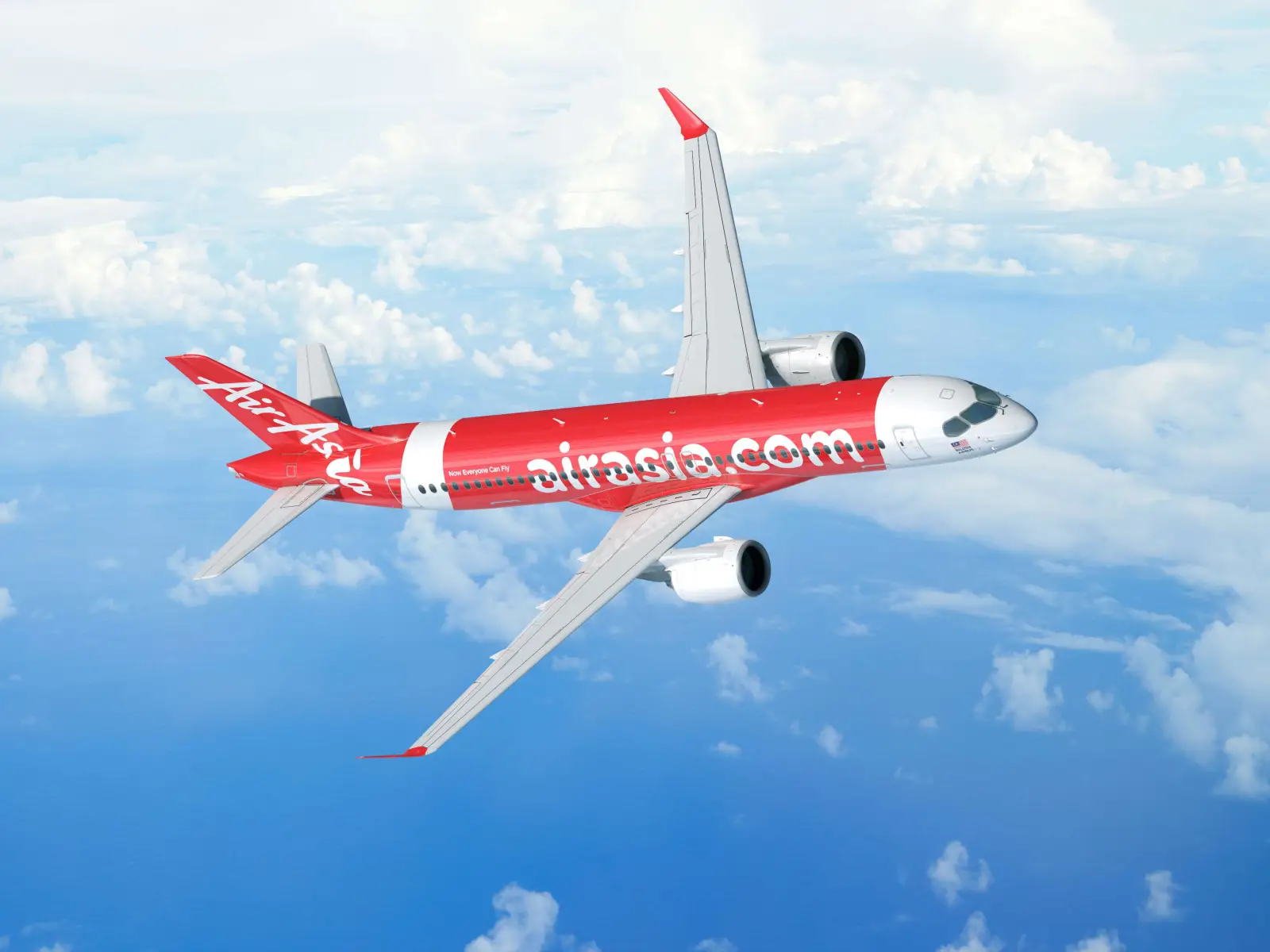
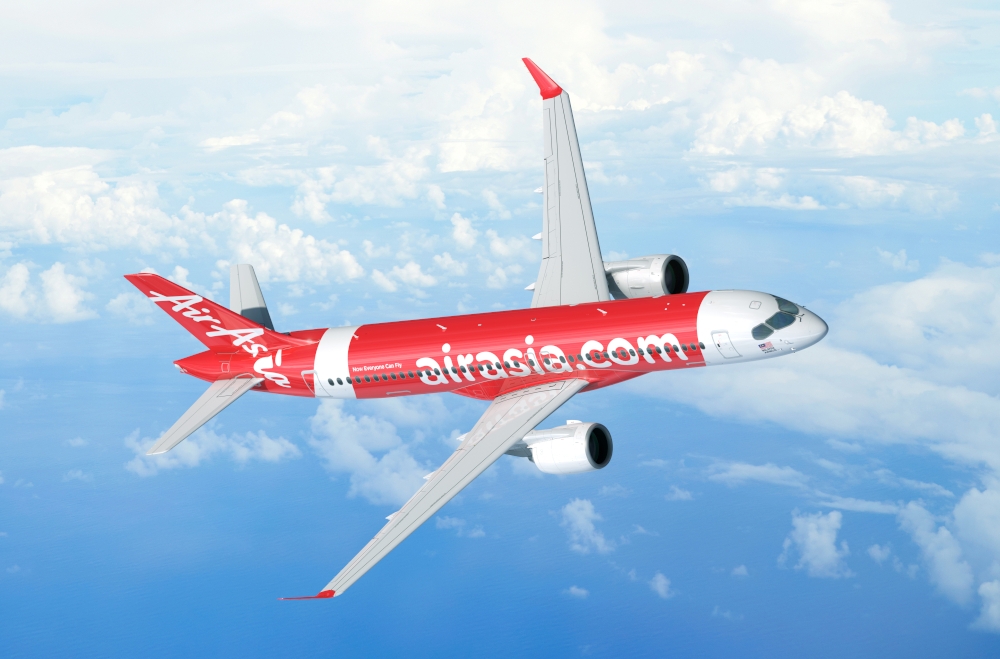
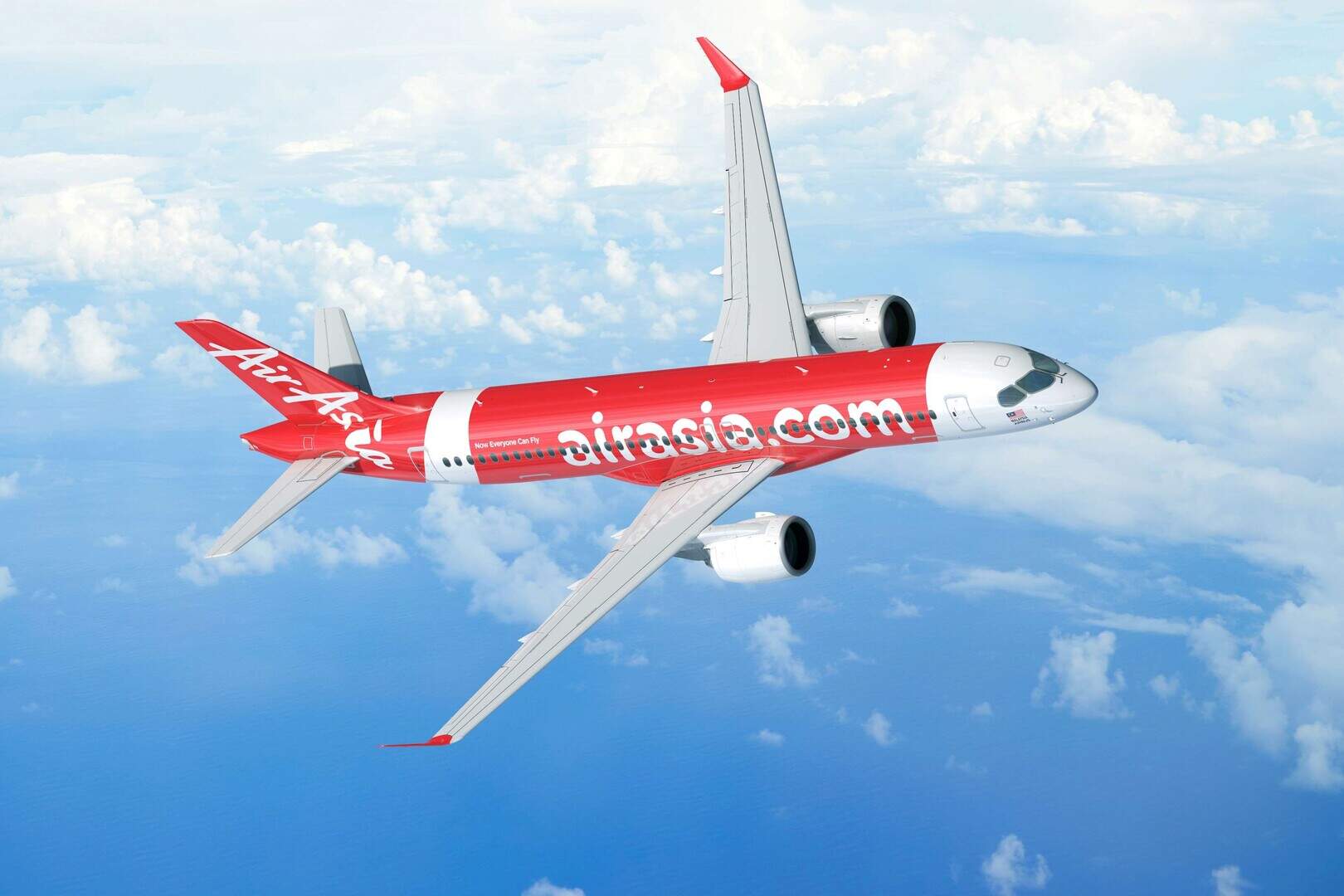
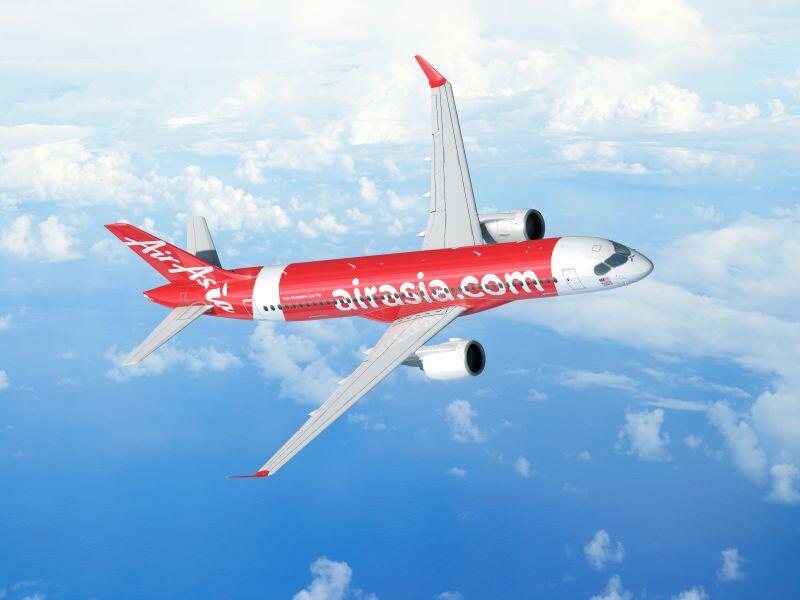
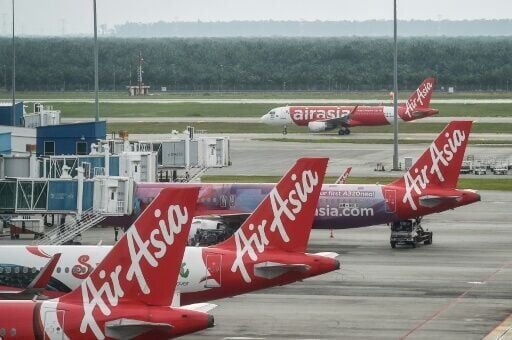
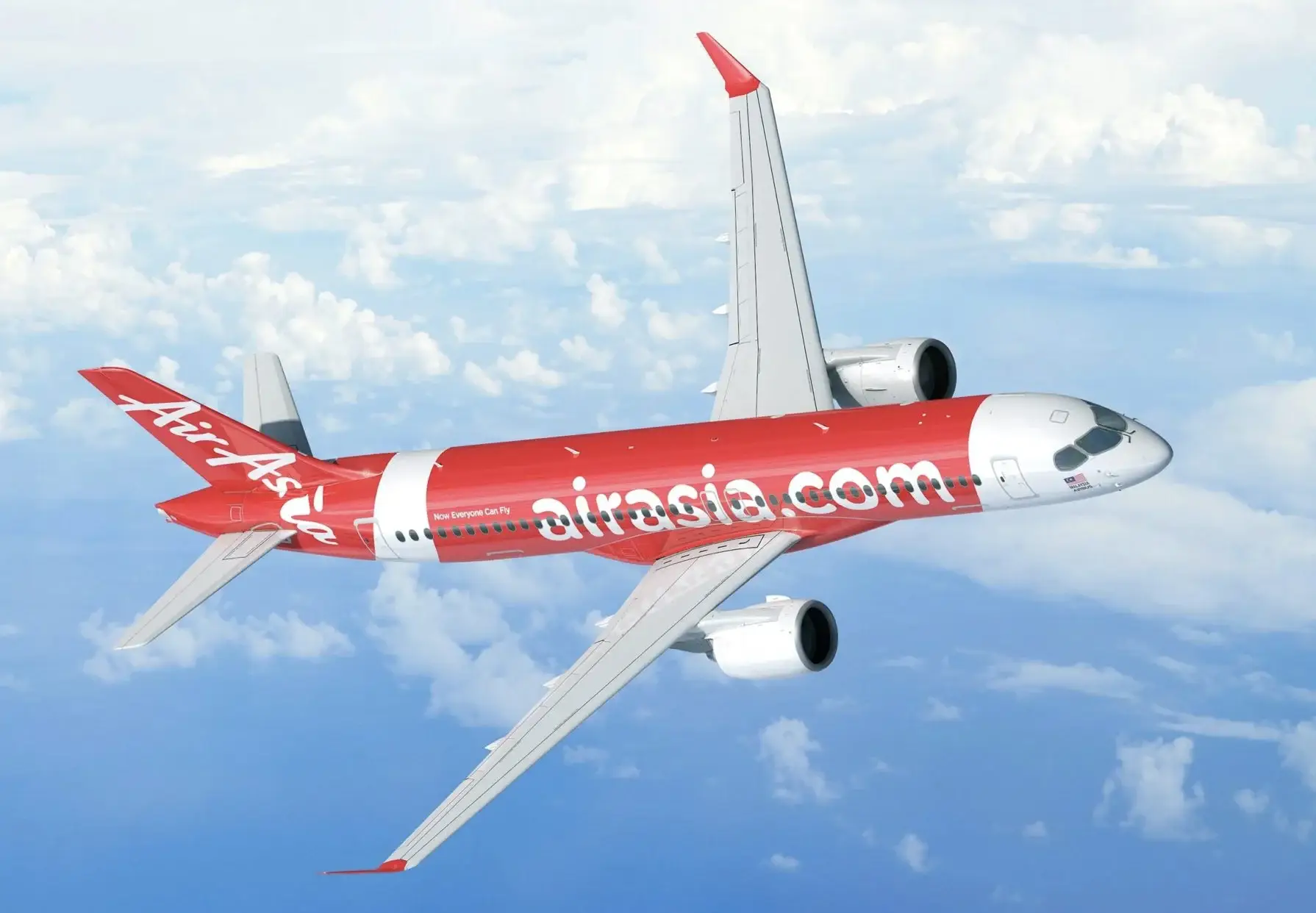
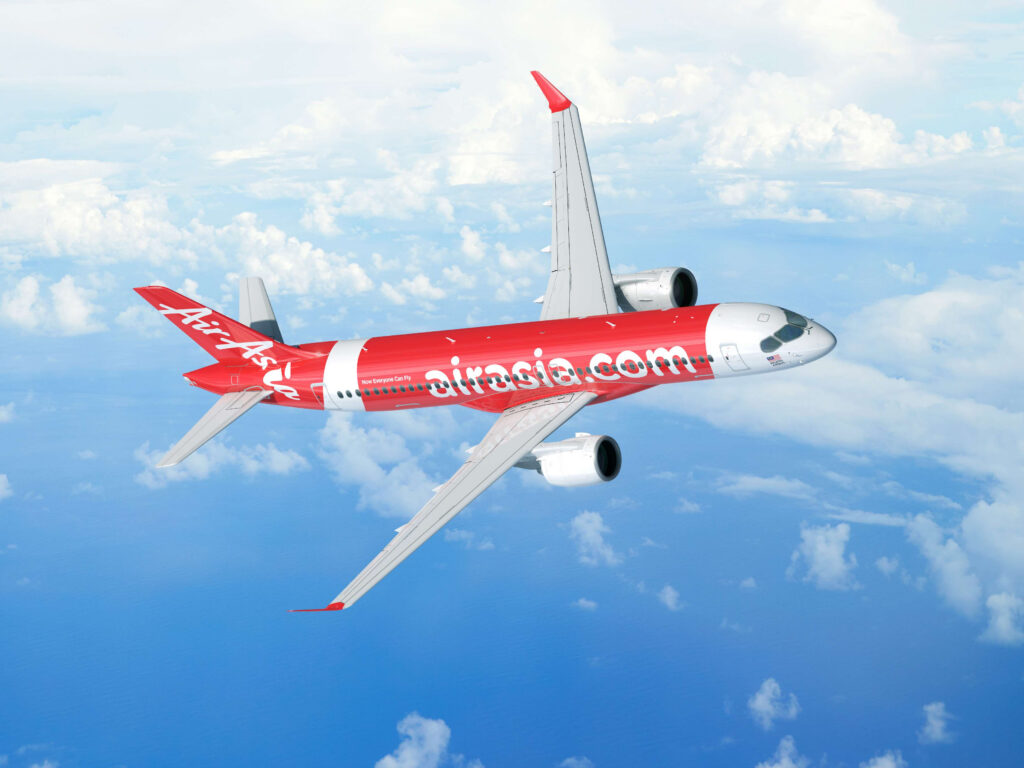
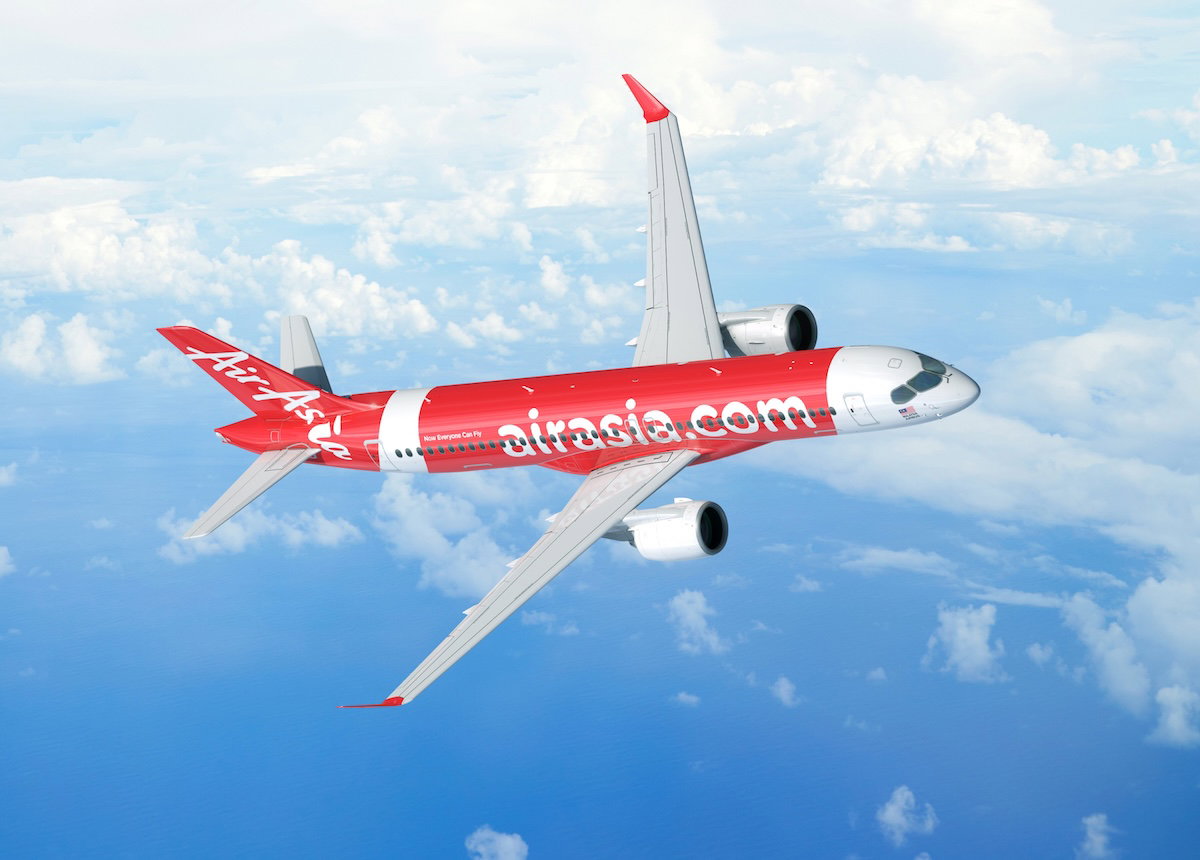
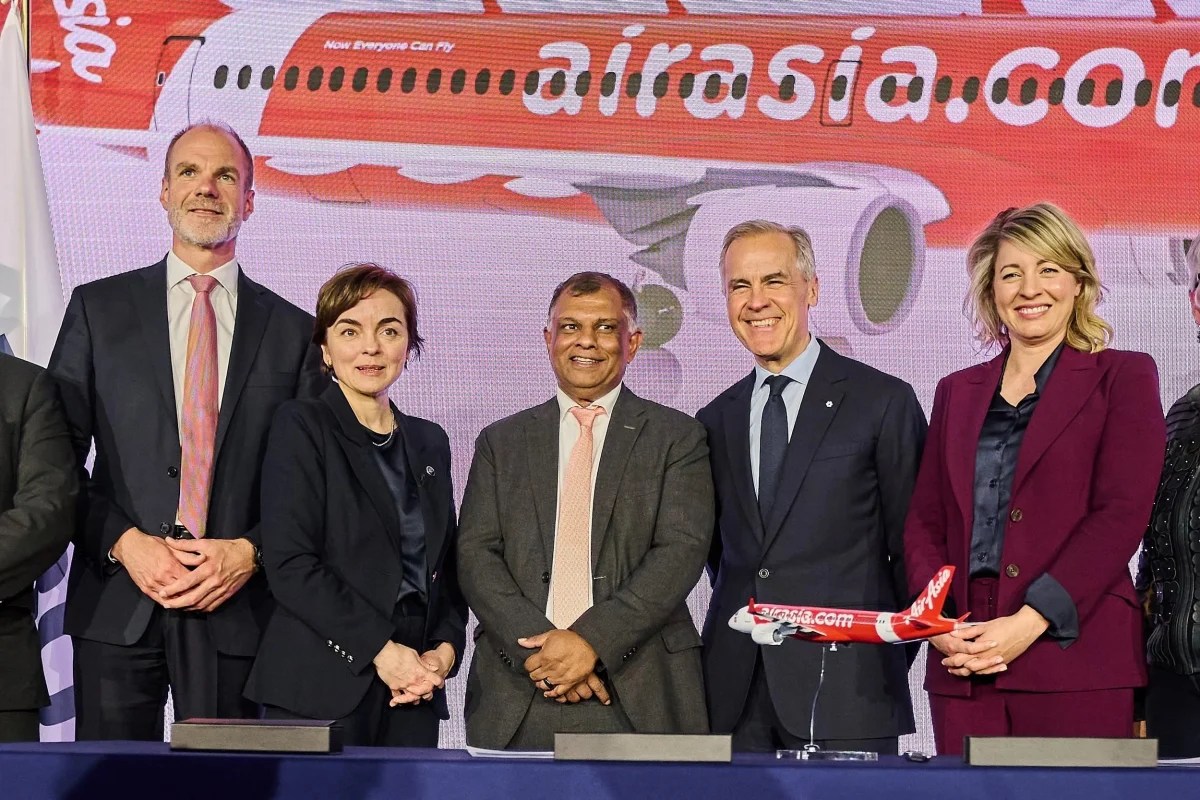
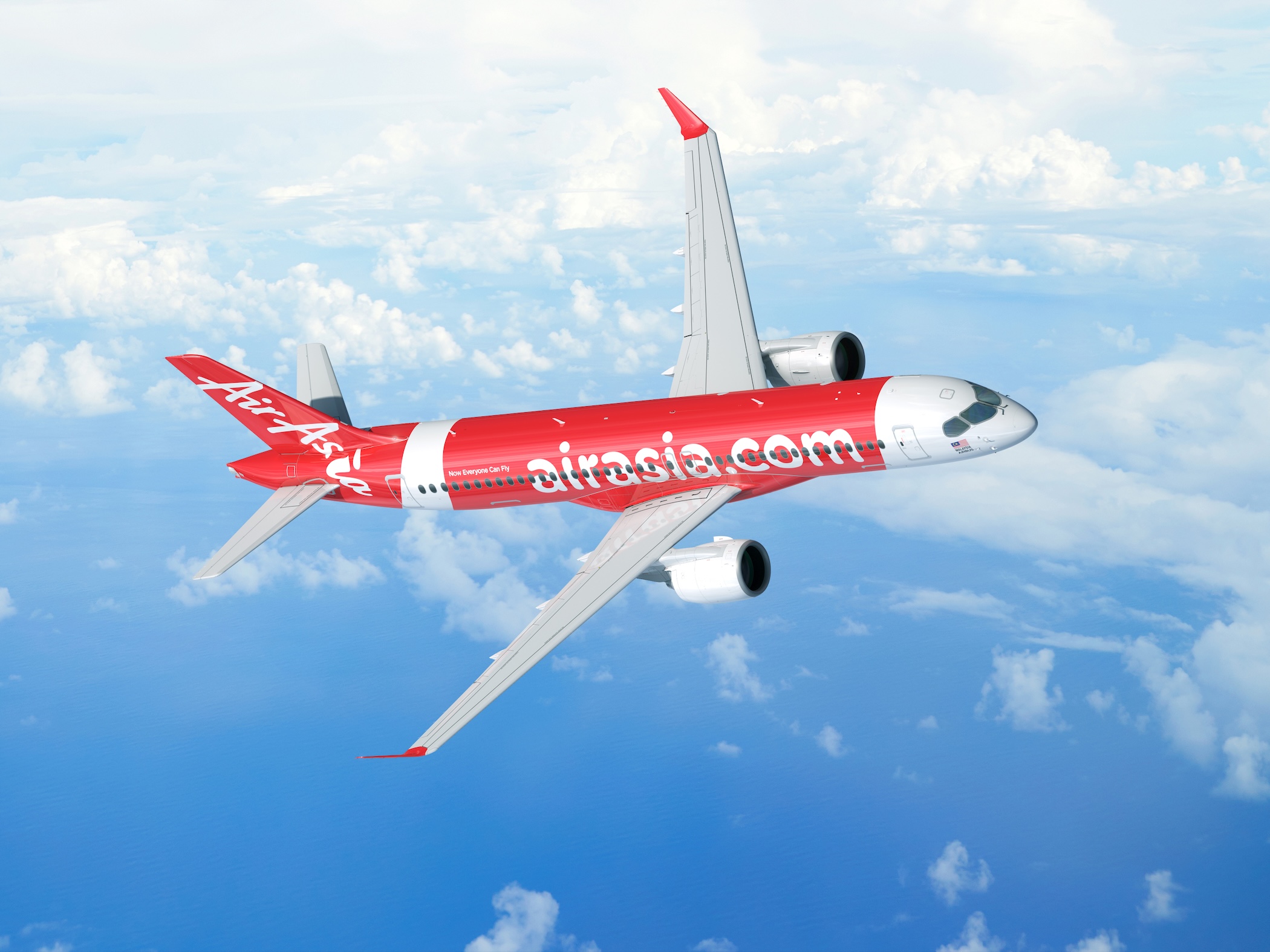
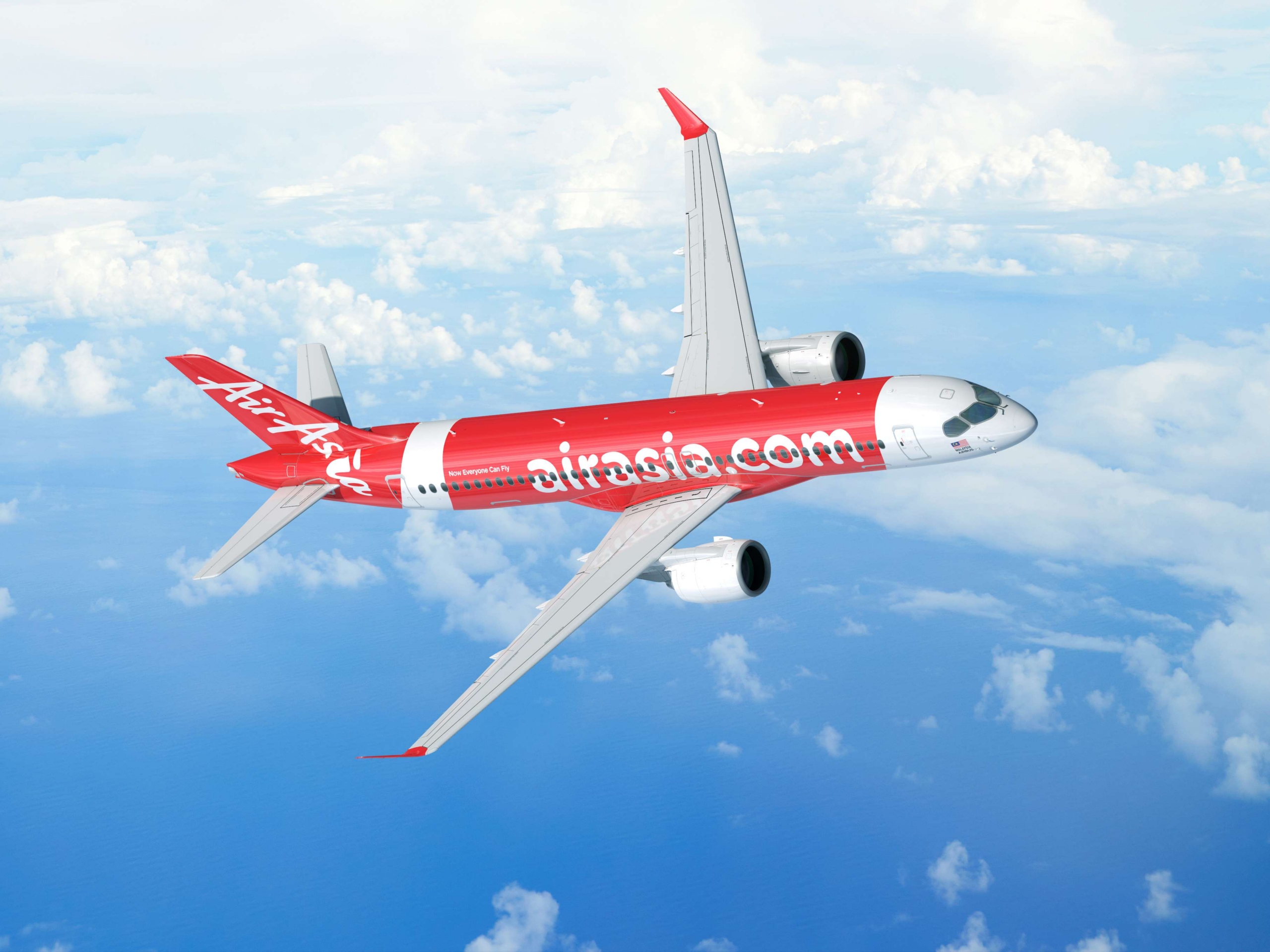
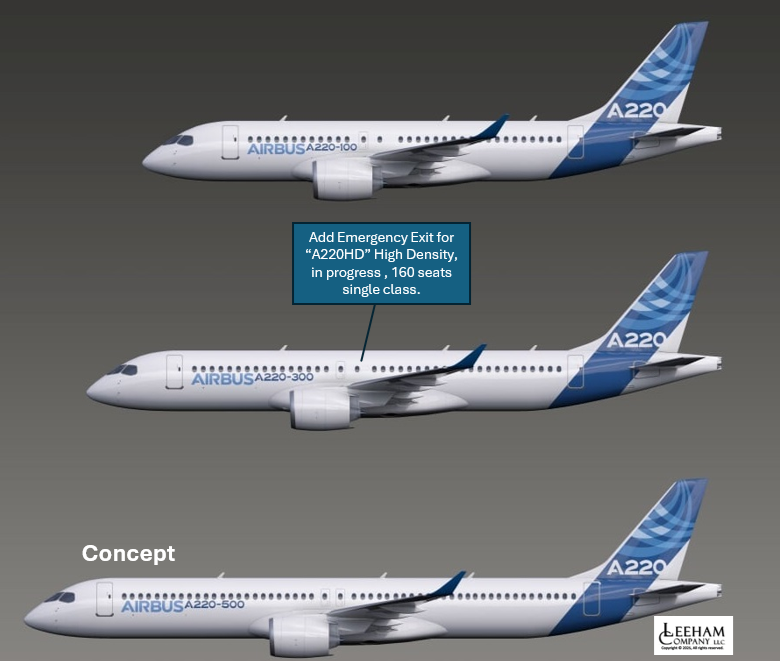
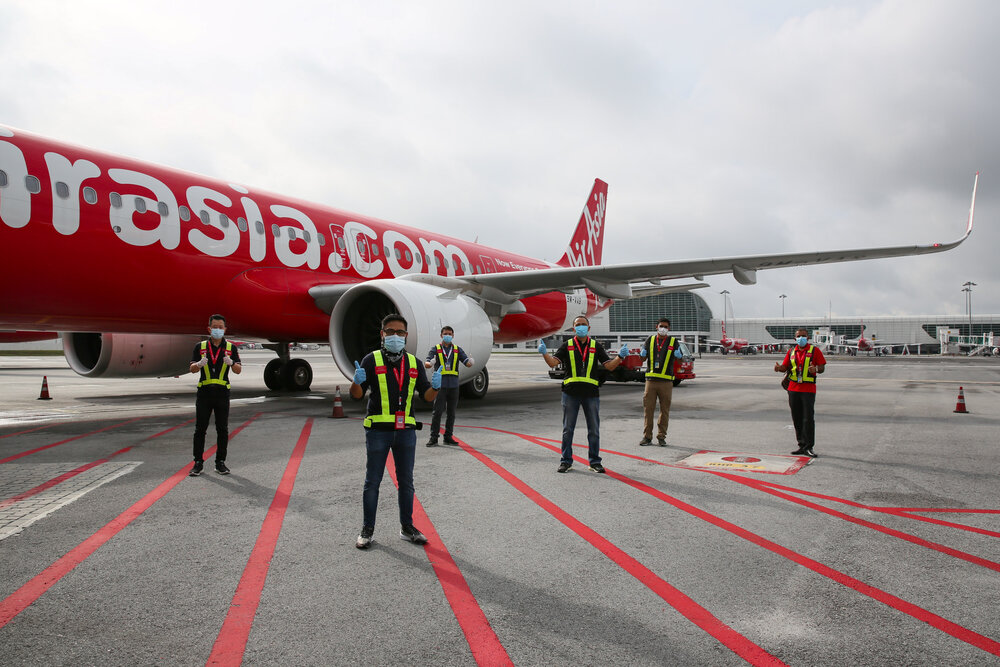
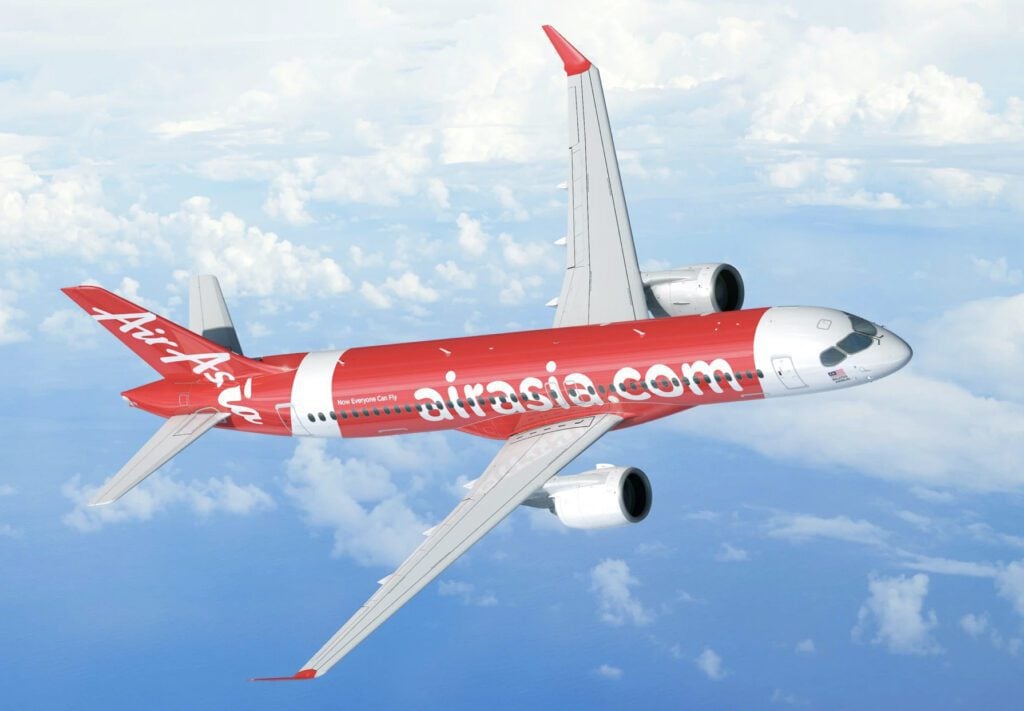
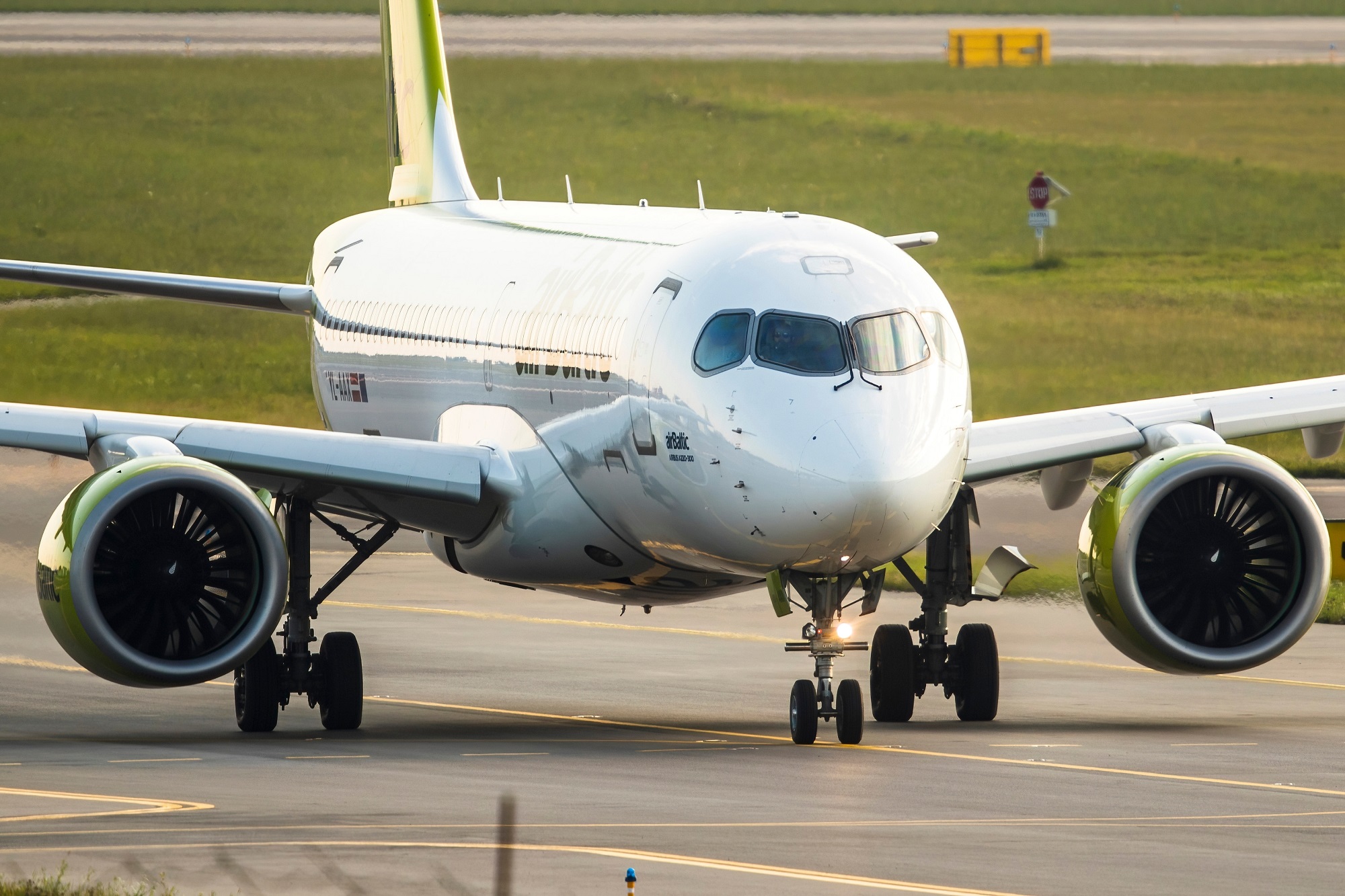
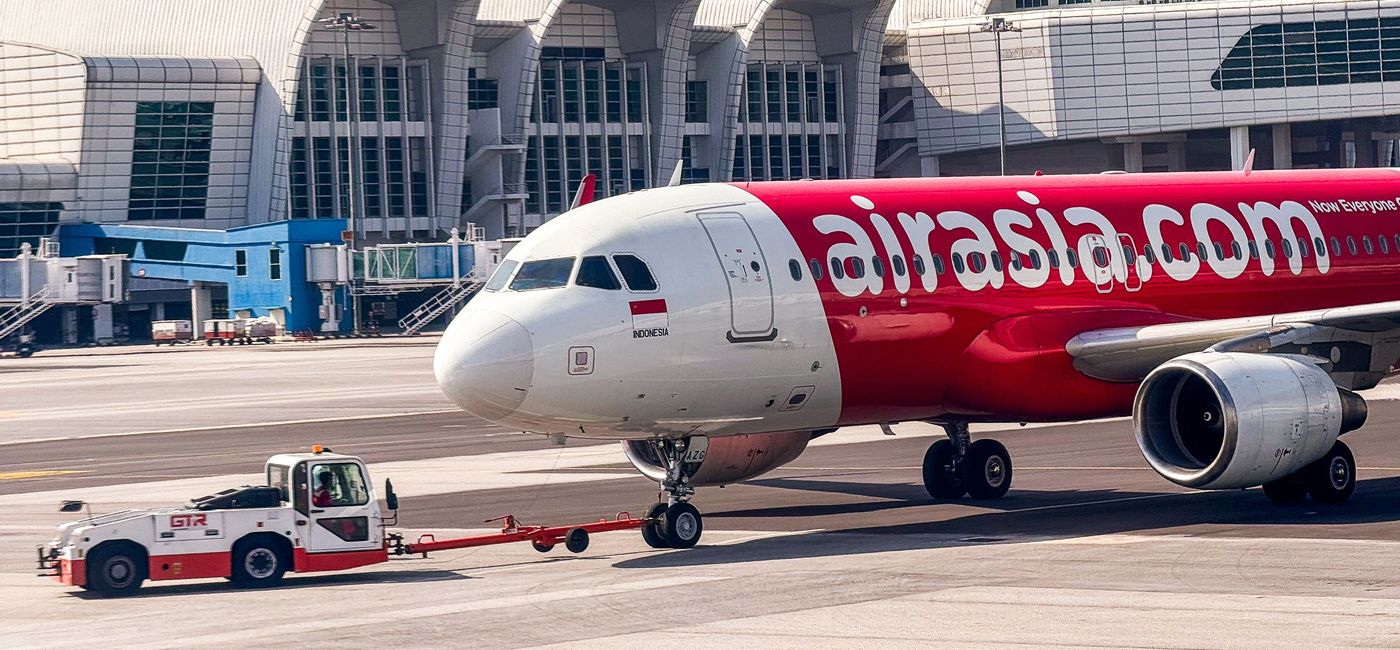
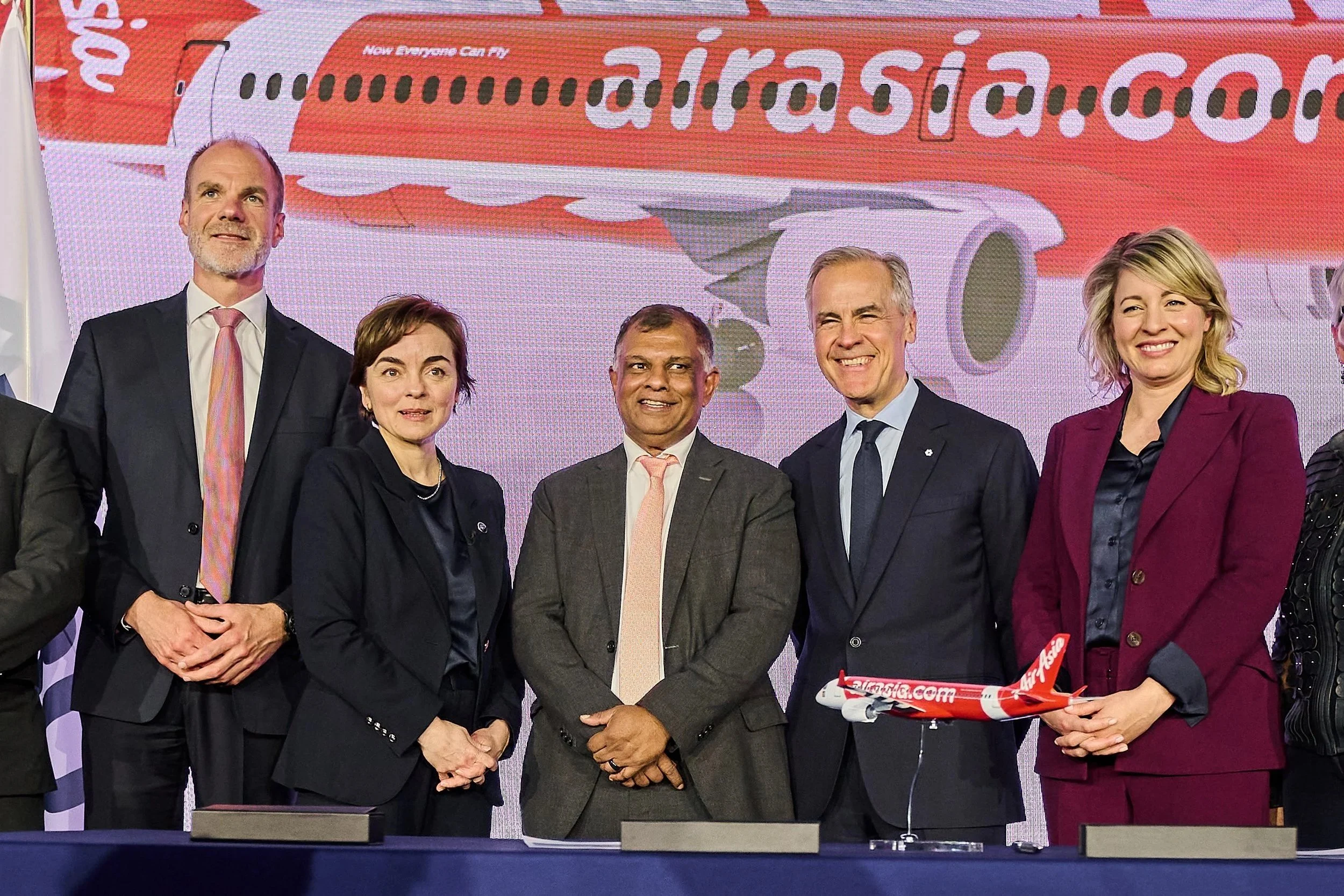
The aerospace sector is experiencing unprecedented procurement momentum with three major developments converging in May 2026: Airbus securing a $19 billion order from Canada (the country's largest commercial aircraft deal), Airbus landing a $19 billion order from Malaysia-based AirAsia for 150 A220 aircraft (largest single-firm order for this model), and Boeing receiving a $125 million contract modification for Air Force One spare parts, bringing total program value to $4.445 billion. These announcements represent $44+ billion in committed aerospace spending through 2028, with delivery schedules extending to mid-2028 and beyond.
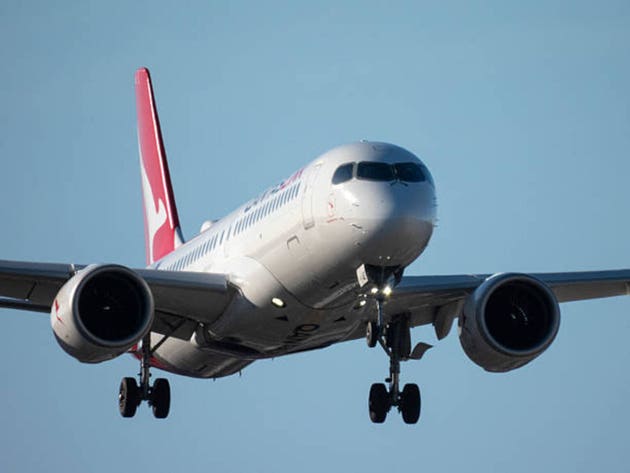
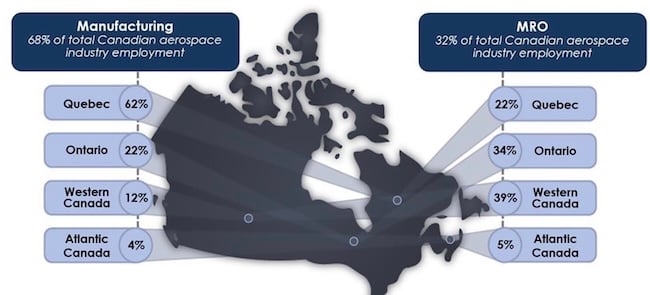
For cross-border e-commerce sellers, this aerospace expansion creates substantial indirect opportunities through supply chain acceleration. Major aircraft procurement programs generate cascading demand across multiple tiers: Tier-1 aerospace suppliers require specialized components and materials; Tier-2 manufacturers need industrial supplies, precision tooling, and packaging solutions; logistics providers demand warehousing, handling equipment, and transportation services. The $19 billion Canadian order alone—likely representing 200-400 aircraft units across multiple Airbus models—will require comprehensive support agreements, maintenance contracts, and training programs spanning 5-10 years of delivery and operational support.
The geopolitical dimension amplifies opportunity windows. Boeing CEO Kelly Ortberg's scheduled May 14-15, 2026 state visit to China with President Trump signals potential for a 500-aircraft order that could end China's aircraft purchase drought since 2017. Such a deal would unlock additional supply chain demand in Asia-Pacific markets, creating sourcing opportunities for sellers positioned in Vietnam, India, and Southeast Asia. RTX's Pratt & Whitney GTF engine supply contract (deliveries starting 2028) indicates sustained component demand over the next 24+ months.
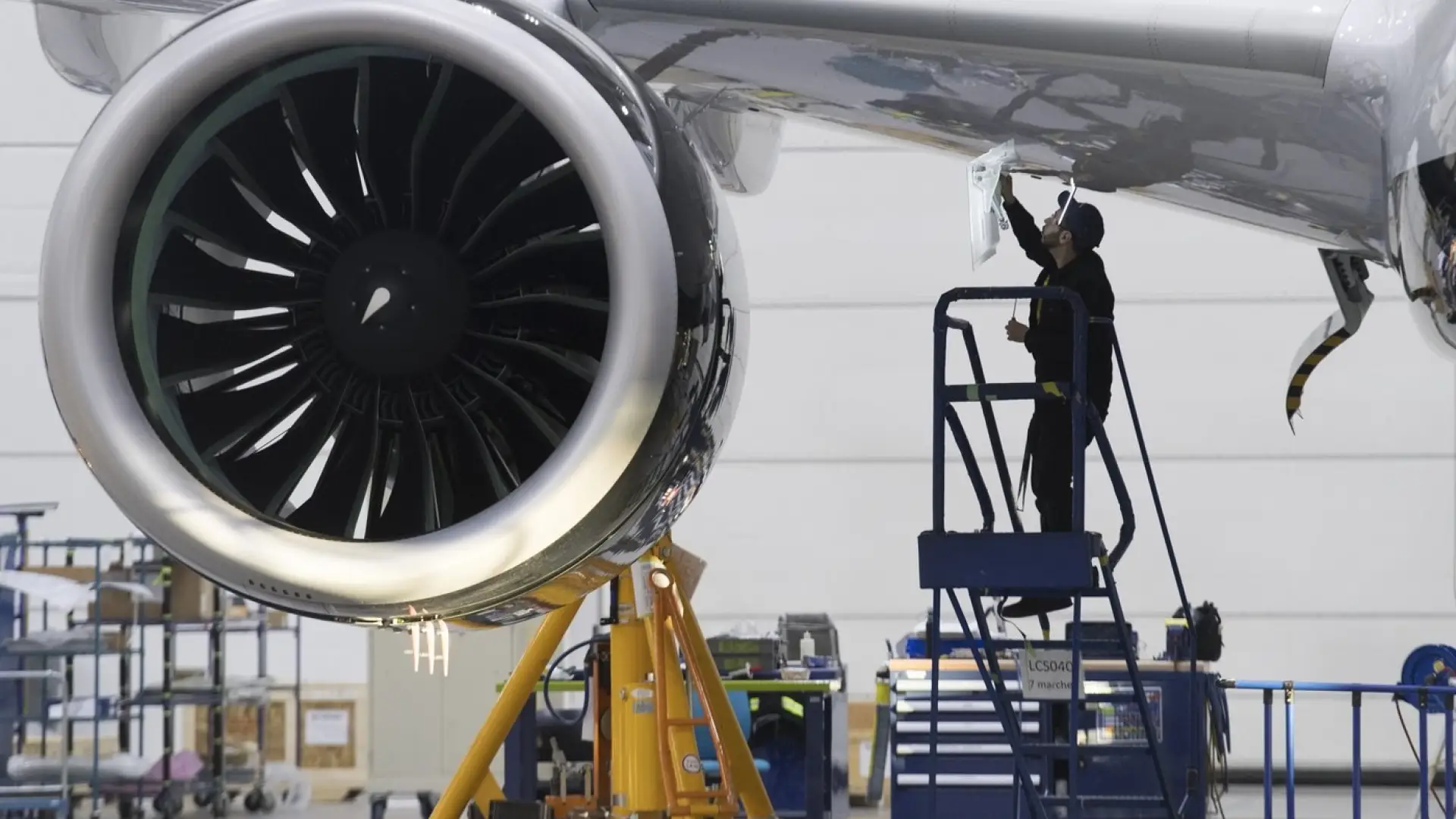
For sellers, the operational impact manifests across three dimensions: (1) Industrial supplies category (HS codes 7308-7326: structural metals, fasteners, hydraulic components) will see 15-25% demand acceleration as manufacturers ramp production to meet 2028 delivery deadlines; (2) Logistics and packaging sellers can capitalize on increased B2B shipping volumes to aerospace manufacturing hubs in Canada, Malaysia, and potential China facilities; (3) Specialized equipment sellers (precision measurement tools, safety equipment, industrial software) will experience sustained demand from aerospace supply chain participants upgrading capabilities. Supply chain disruptions noted in Boeing's Air Force One program (subcontractor bankruptcies, delivery delays) indicate capacity constraints that create arbitrage opportunities for sellers offering alternative sourcing and expedited logistics solutions.
Questions 8
How should sellers adjust inventory and sourcing strategies based on these aerospace orders?
Immediate actions (0-30 days): Audit current inventory of industrial supplies and components against aerospace manufacturer procurement timelines (delivery windows through 2028). Strategic adjustments (1-6 months): Consider shifting 15-25% of inventory allocation toward aerospace-grade materials and components, particularly fasteners, hydraulic systems, and protective packaging. Evaluate partnerships with 3PL providers specializing in aerospace logistics (temperature-controlled, certified handling). The news reports delivery schedules extending to mid-2028, providing 24+ months to establish supplier relationships and certifications. Risk mitigation: Monitor supply chain disruption indicators (subcontractor bankruptcies, production delays) and maintain 20-30% inventory buffer for critical components.
What is the competitive advantage window for sellers entering aerospace supply chains?
The timing window is 6-12 months (May 2026 through early 2027) before major manufacturers fully activate procurement and establish preferred supplier relationships. Early movers can secure 10-20% higher margins by positioning as certified, expedited suppliers during the ramp-up phase. The news indicates supply chain constraints (Boeing Air Force One program delays due to subcontractor issues), creating arbitrage opportunities for sellers offering alternative sourcing and faster delivery. Sellers should prioritize AS9100 certification and quality documentation to differentiate from competitors. Historical patterns show aerospace procurement acceleration typically peaks 12-18 months before delivery deadlines, suggesting Q4 2026-Q2 2027 will be peak demand period.