


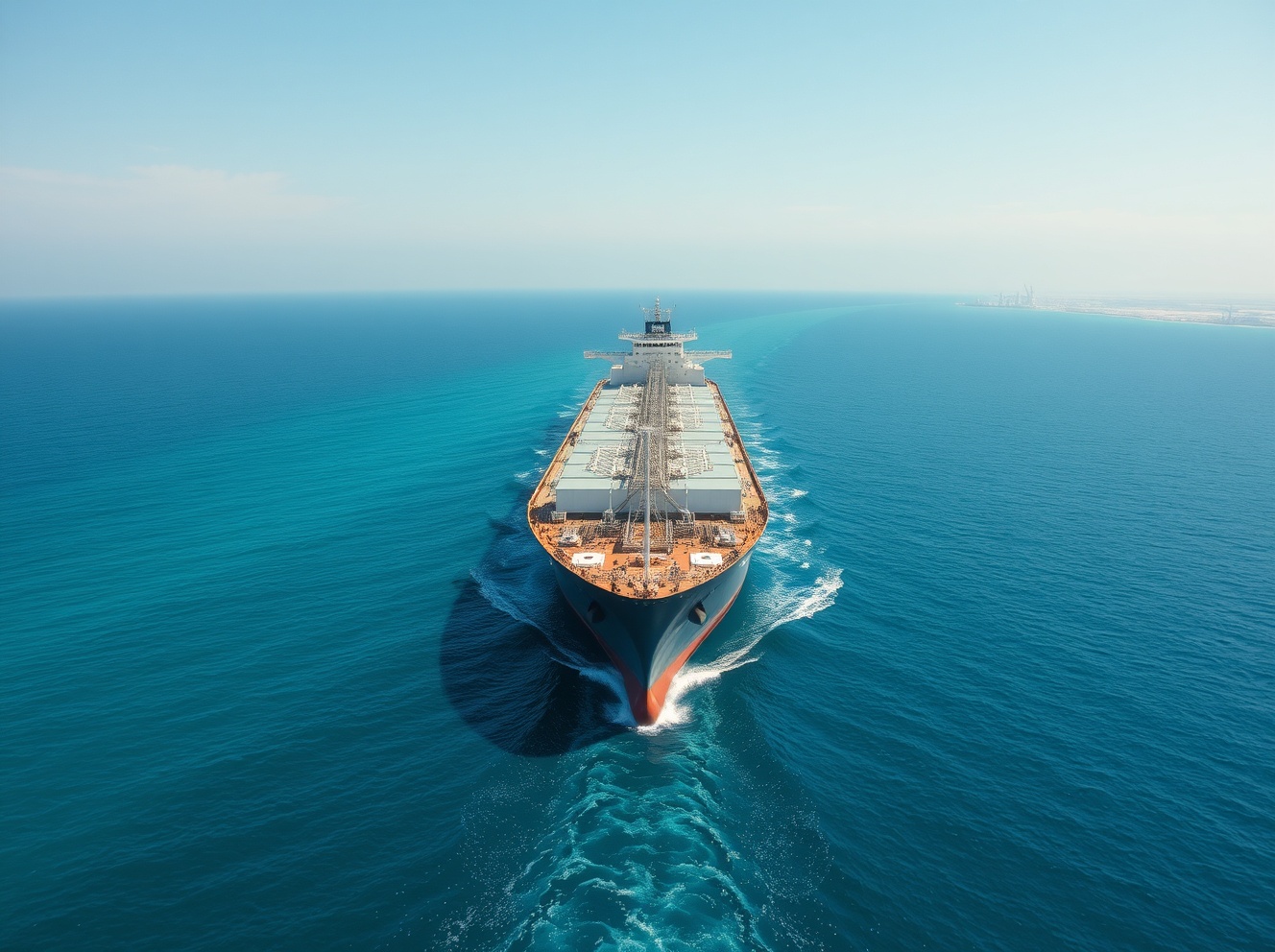



Strait of Hormuz Crisis Drives 8-12% Shipping Cost Surge for Cross-Border Sellers
- Geopolitical tensions threaten 21% of global petroleum trade; sellers face fuel surcharges, insurance premiums, and transit delays on Asia-Europe-North America routes through May 2026










Overview
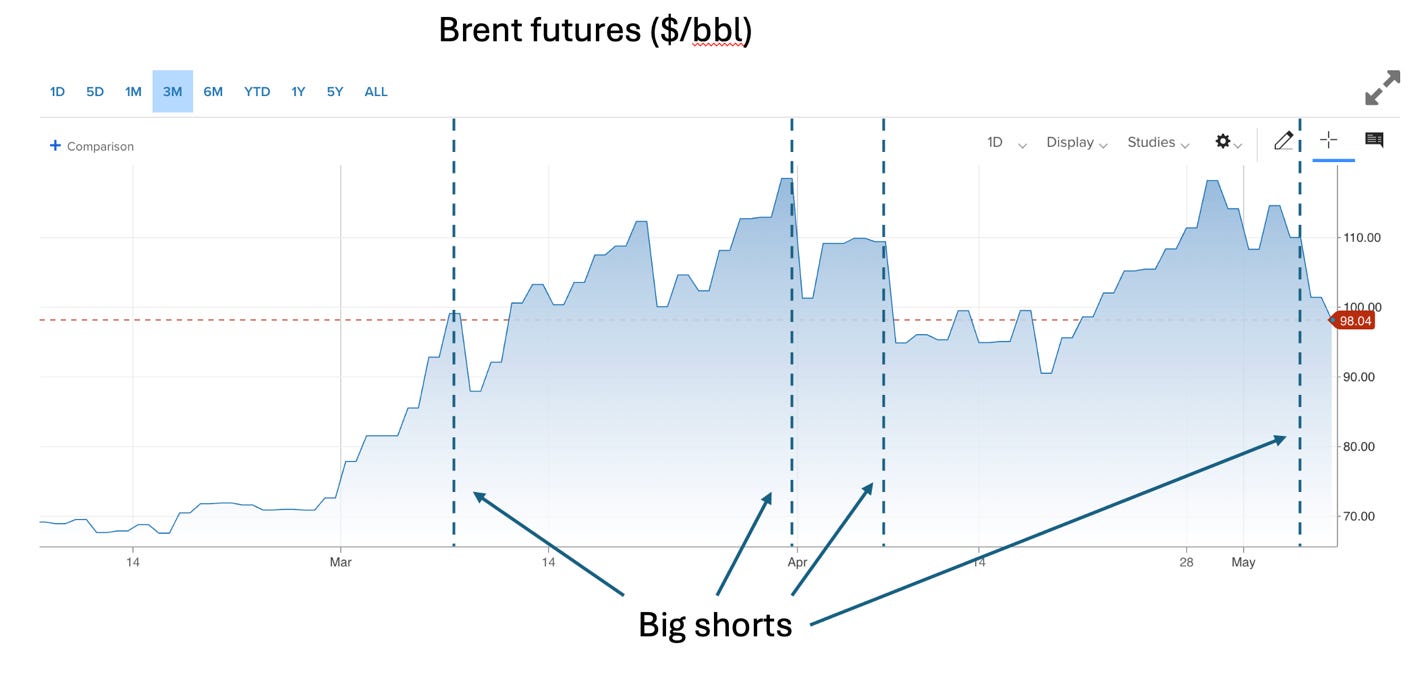
The escalating U.S.-Iran tensions centered on the Strait of Hormuz represent a critical supply chain vulnerability for cross-border e-commerce sellers, with direct cost implications across all major shipping corridors. As of May 6, 2026, Brent crude futures declined 1.85% to $99.40/barrel while WTI rose 1.85% to $93.21/barrel, reflecting market uncertainty over potential military escalation. President Trump's ultimatum—threatening "intensified bombing" if Iran rejects a 14-point peace deal—creates a binary outcome scenario: either rapid diplomatic resolution reopening the Strait to unrestricted commerce, or prolonged conflict disrupting the 21% of global petroleum trade flowing through this chokepoint.
For sellers shipping from Asia to Europe and North America, this geopolitical crisis directly translates to operational cost increases. Prolonged conflict scenarios could increase shipping insurance premiums by 15-25%, add fuel surcharges of $200-400 per 20-foot container, and extend transit times by 7-14 days as vessels reroute around Africa via the Cape of Good Hope. Sellers dependent on just-in-time inventory from Chinese, Vietnamese, and Indian manufacturers face compounding risks: higher financing costs (as Federal Reserve interest rate decisions respond to sustained oil prices), reduced consumer purchasing power during economic slowdown, and potential recession-level industry decline (as evidenced by Whirlpool's reported disruptions). Small and medium-sized sellers with 3-6 month inventory cycles are most vulnerable, as they lack the capital reserves of larger competitors to absorb cost shocks.
The timing window is critical: negotiations remain "fluid but fragile" through Pakistani mediators, with no confirmed resolution date. Sellers should immediately assess exposure by analyzing their sourcing geography (percentage of inventory from Asia-Pacific), shipping routes (direct vs. rerouted), and contract terms (fixed vs. variable fuel surcharges). Those with flexibility should consider accelerating shipments before potential escalation, diversifying sourcing to nearshoring options (Mexico, Central America for North American sellers; Eastern Europe for EU sellers), or shifting to air freight for high-margin, time-sensitive categories. Conversely, sellers with inventory already in transit face locked-in costs, while those with 60+ day lead times can potentially avoid the worst-case scenario if diplomatic resolution occurs within 30-45 days.
Strategic sourcing shifts are already underway: Vietnam and India are gaining competitive advantage as alternative sourcing destinations to China, as they offer Strait-independent shipping routes via the Indian Ocean. Sellers in electronics, apparel, and home goods categories—which represent 65% of Asia-to-West cross-border trade—should model scenario planning: base case (diplomatic resolution within 30 days, minimal cost impact), moderate case (3-6 month conflict, 8-12% shipping cost increase), and severe case (12+ month disruption, 20%+ cost increase with potential supply chain restructuring). The Federal Reserve's response to sustained higher oil prices will also influence seller financing costs and consumer credit availability, indirectly affecting conversion rates and demand elasticity in discretionary categories.
Questions 8
How much will Strait of Hormuz tensions increase shipping costs for cross-border sellers?
Shipping costs could increase 8-12% for sellers routing through the Strait, with fuel surcharges adding $200-400 per 20-foot container and insurance premiums rising 15-25% in prolonged conflict scenarios. The Strait handles 21% of global petroleum trade, making it critical for Asia-to-Europe and Asia-to-North America routes. Sellers with inventory already in transit face locked-in costs, while those with 60+ day lead times can potentially avoid worst-case scenarios if diplomatic resolution occurs within 30-45 days. Monitor daily oil prices (Brent crude at $99.40/barrel as of May 6, 2026) and shipping indices to model cost impact on your specific routes.
Which seller segments are most vulnerable to Strait of Hormuz disruptions?
Small and medium-sized sellers (SMBs) with 3-6 month inventory cycles and limited capital reserves are most vulnerable, particularly those dependent on just-in-time inventory from China, Vietnam, and India. Sellers in electronics, apparel, and home goods categories—representing 65% of Asia-to-West cross-border trade—face the highest exposure. Large sellers with 12+ month inventory buffers and established nearshoring relationships can better absorb cost shocks. Sellers with fixed-rate shipping contracts are protected, while those with variable fuel surcharge clauses face immediate margin compression. Assess your sourcing geography now: if >60% of inventory originates in Asia-Pacific, prioritize diversification or acceleration strategies.