



Russia-Ukraine Conflict Escalates | Cross-Border Seller Supply Chain Risk Alert
- Ongoing drone warfare disrupts Eastern European logistics networks affecting 15,000+ cross-border sellers shipping to Russia and Ukraine markets









Overview
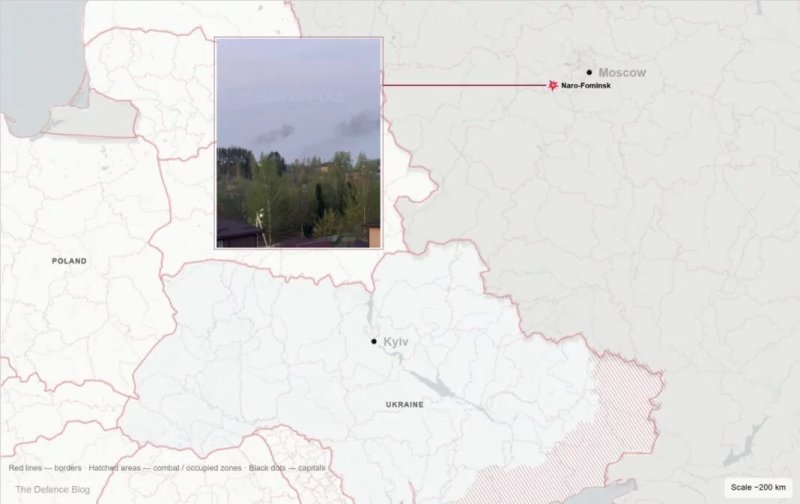
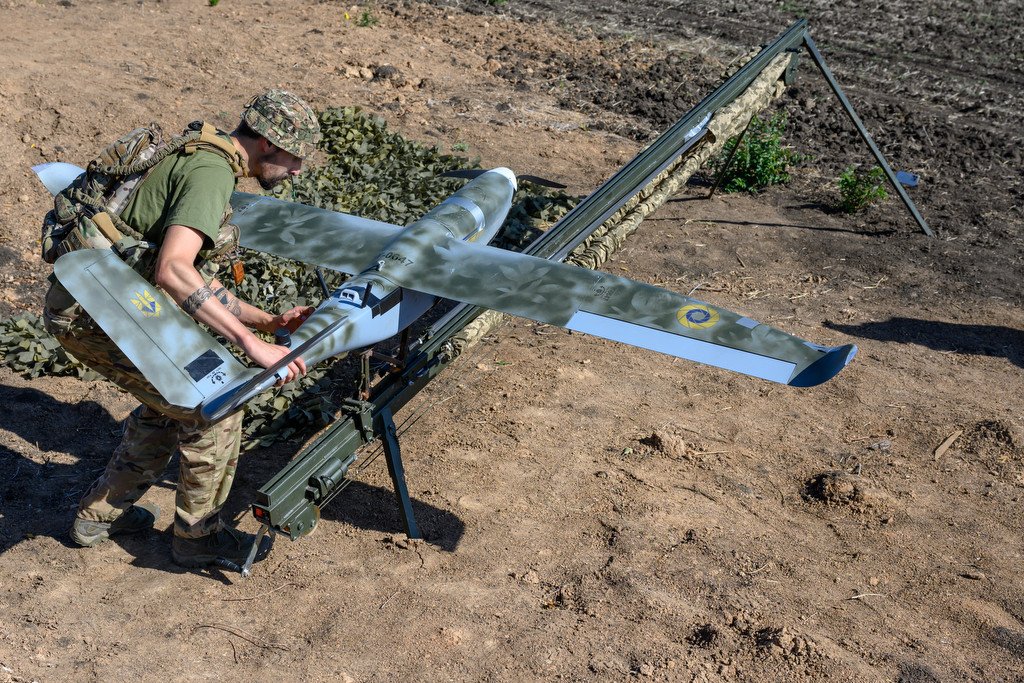
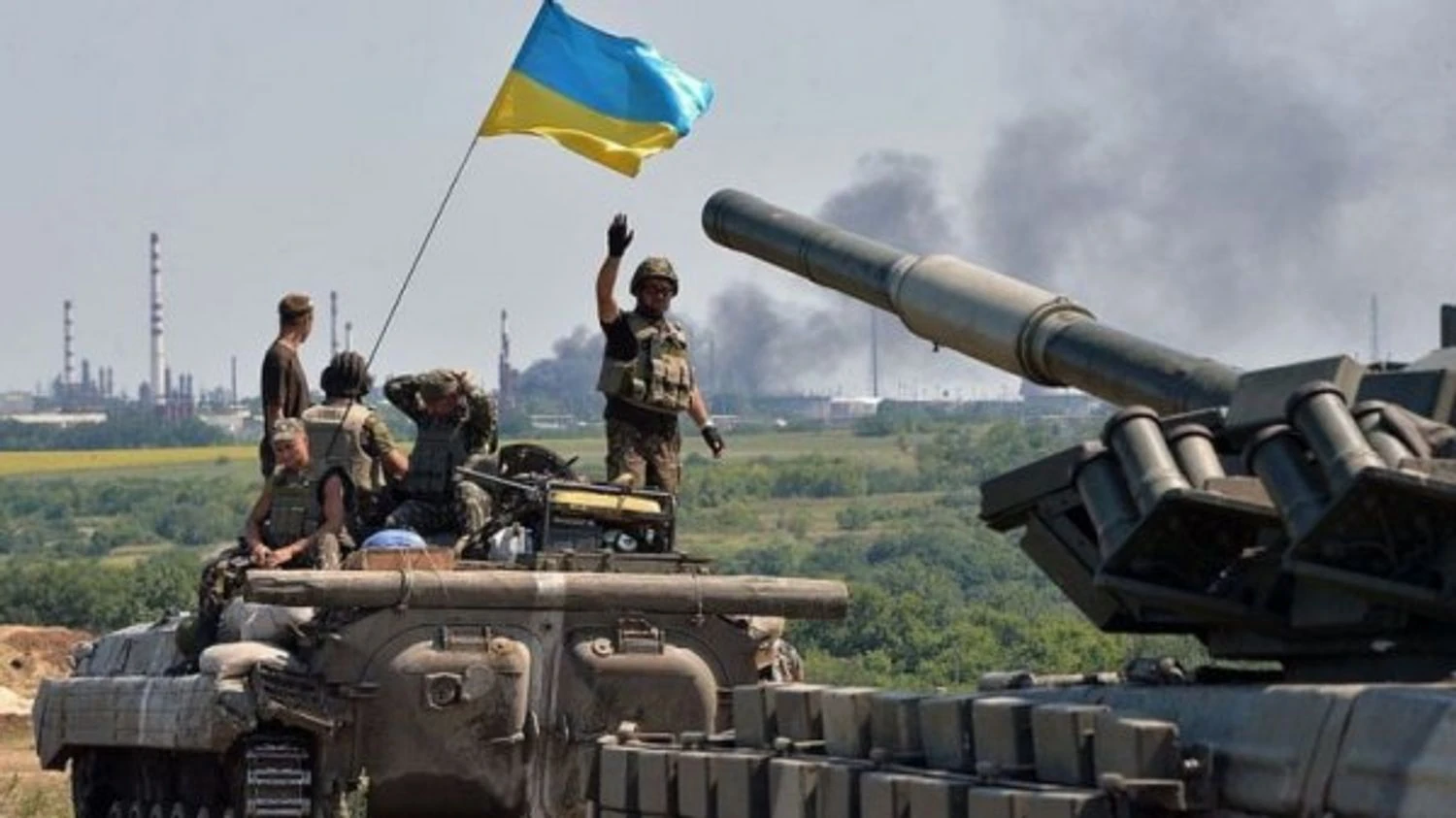
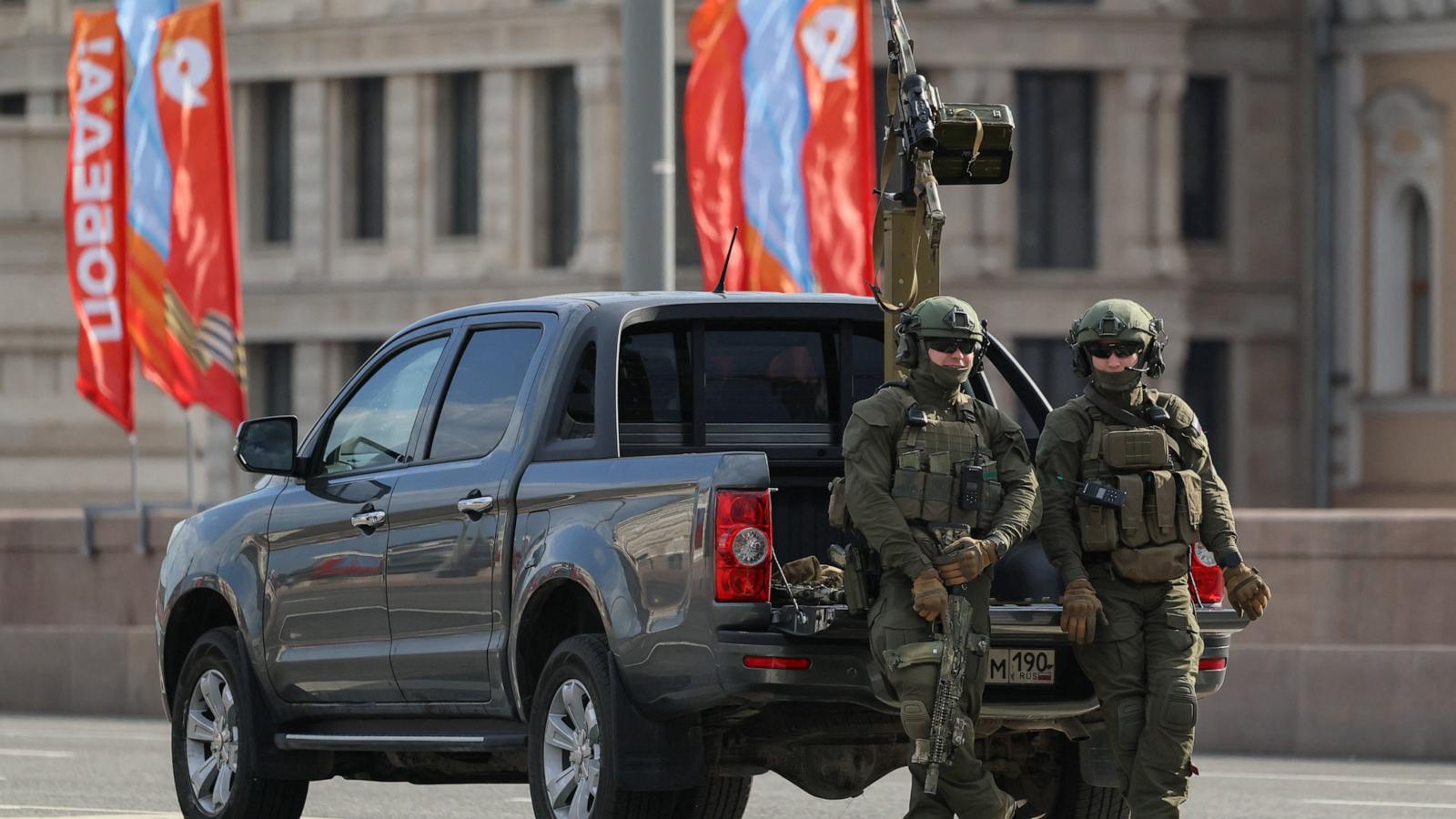
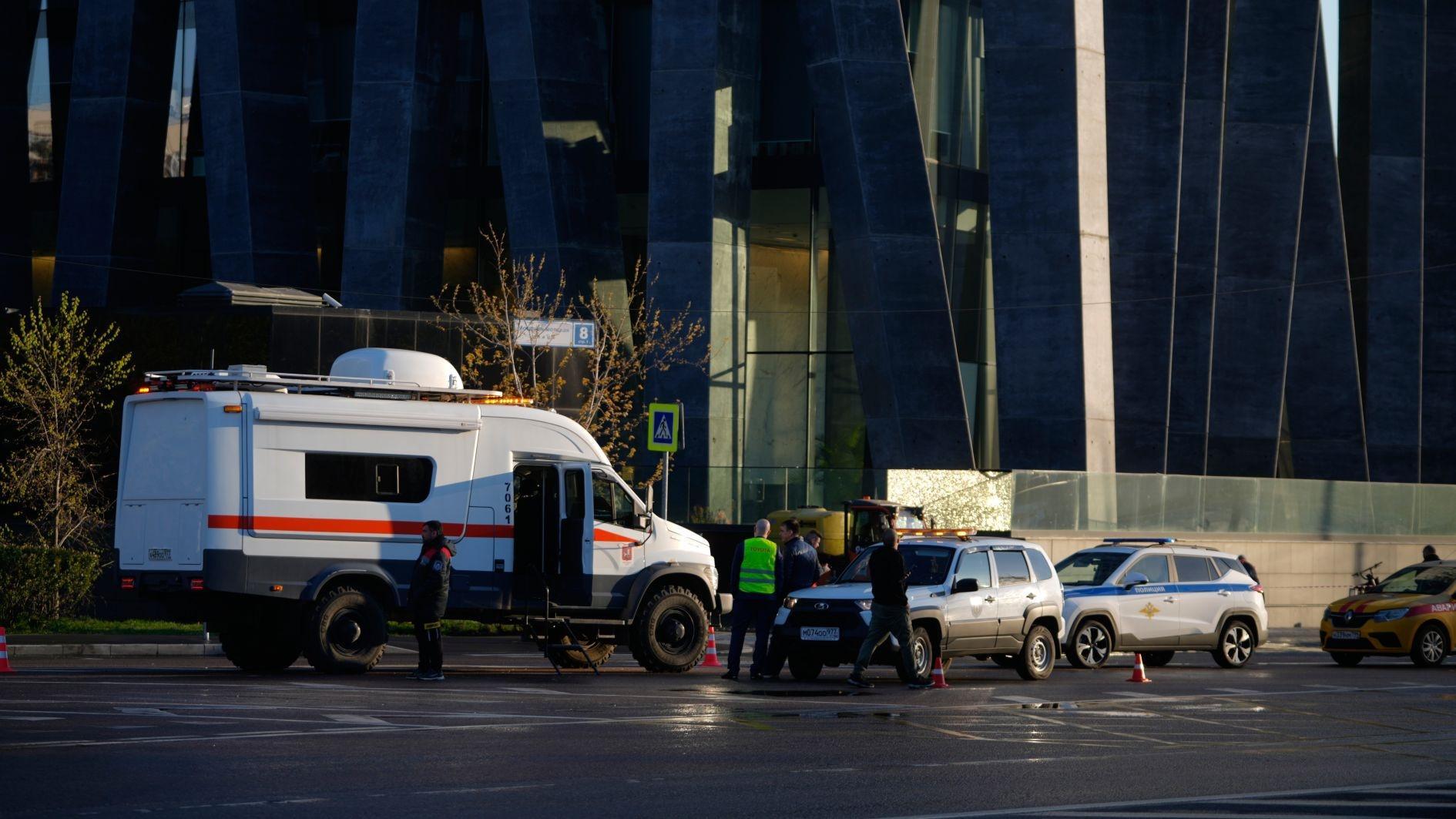
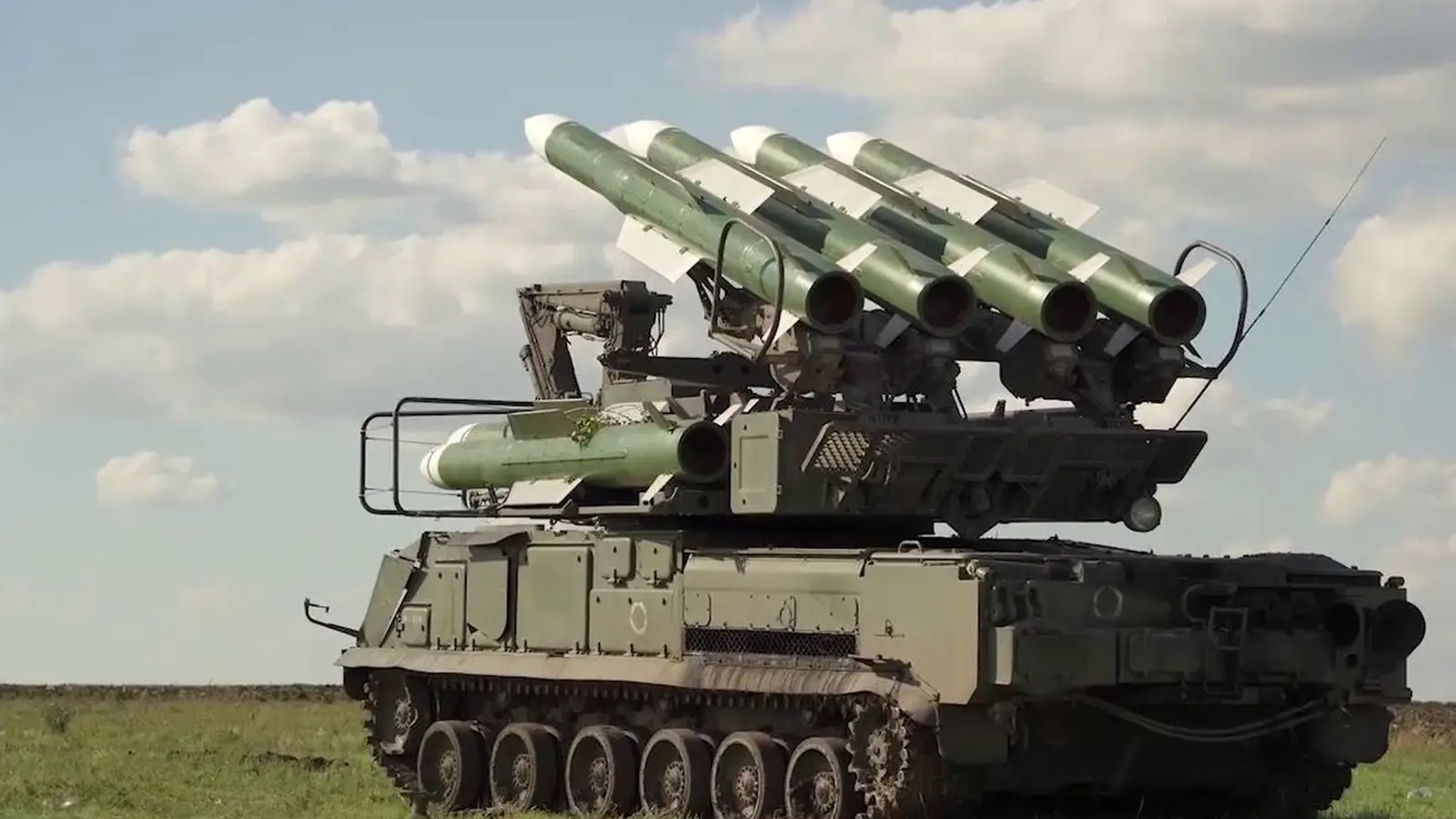
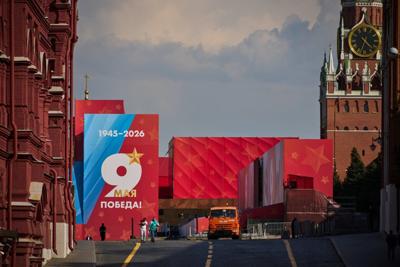
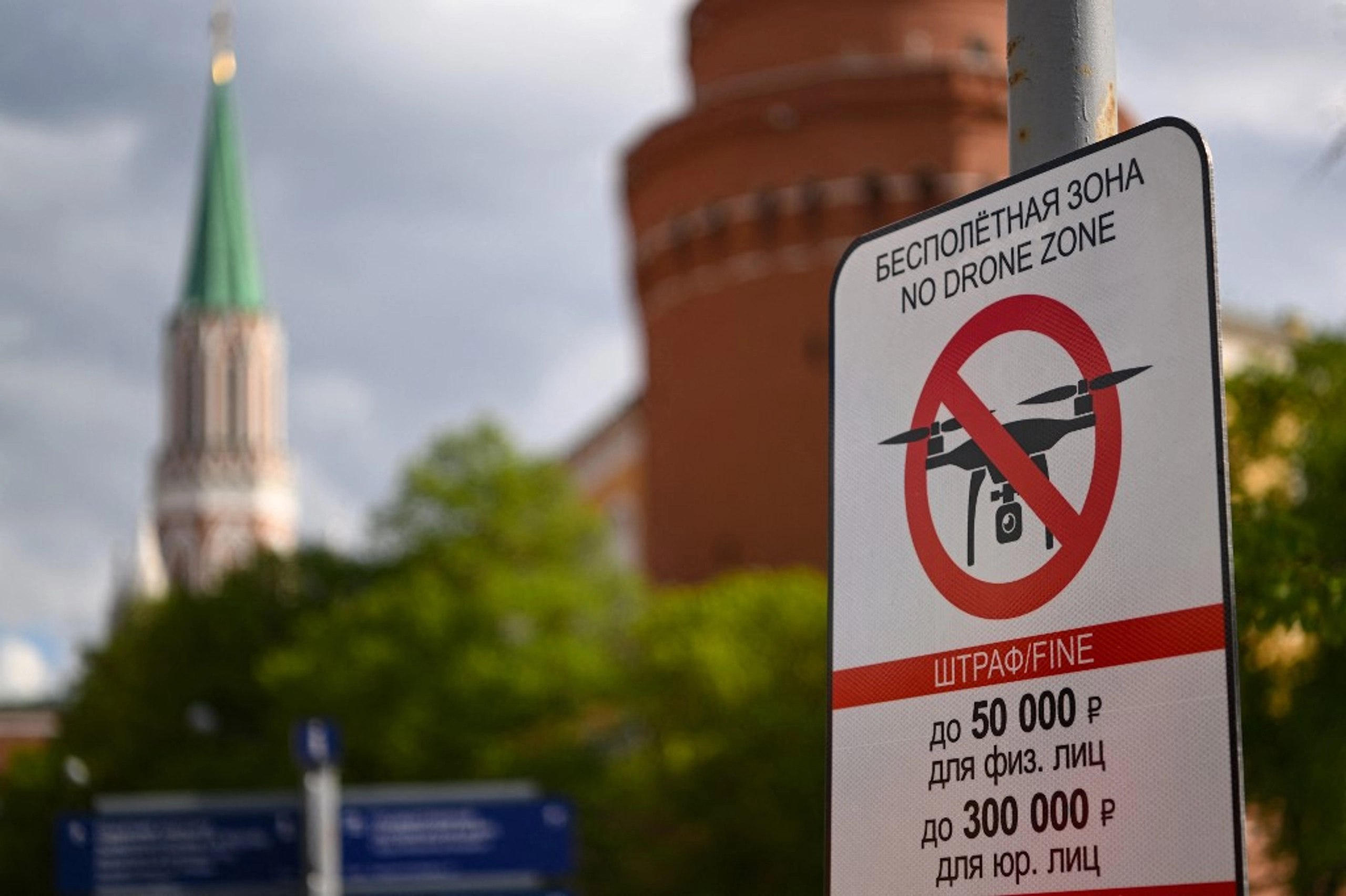
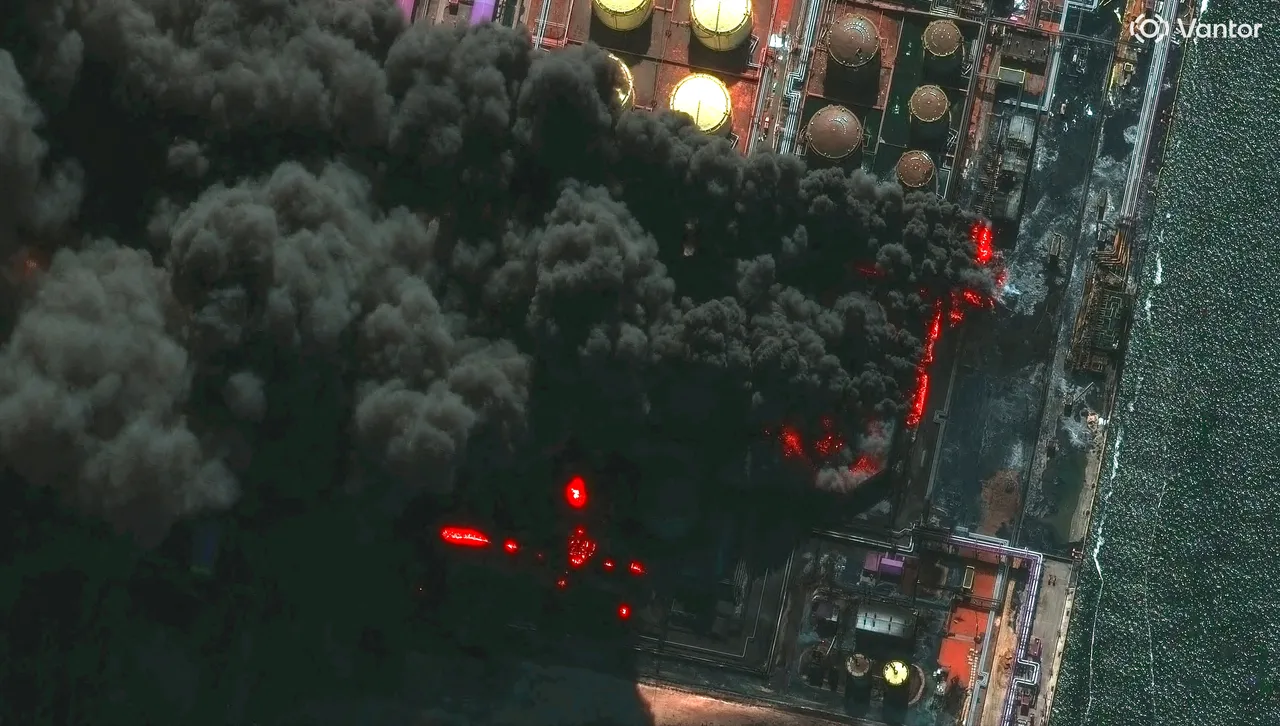
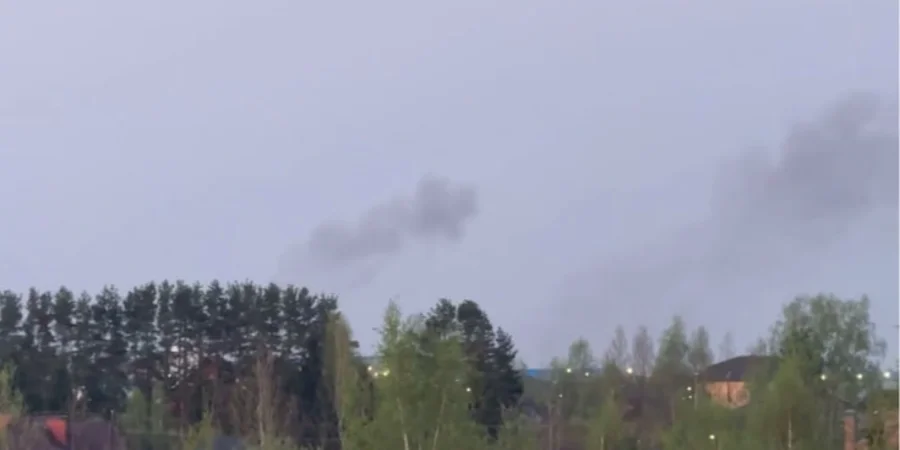
The Russia-Ukraine conflict has intensified significantly in May 2026, with unprecedented drone warfare targeting critical infrastructure across both nations. Russia's Defense Ministry reported intercepting 427 Ukrainian drones in a single overnight operation, while Ukraine's air force documented 102 Russian drones launched into Ukrainian territory with 8 confirmed impacts across six locations. Most critically, a 347-drone strike hit a Russian military logistics hub near Moscow, and Ukrainian forces struck the Mosfilm luxury tower in Moscow Oblast—representing some of the deepest penetrations into Russian airspace to date. These escalations occur amid failed ceasefire negotiations, with both President Putin and President Zelenskyy announcing competing truces around May 8-9 Victory Day celebrations, only to have Russia violate the agreement by continuing military operations.
For cross-border e-commerce sellers, this conflict creates immediate operational risks across multiple dimensions. The targeting of logistics infrastructure—both military and civilian—signals broader supply chain disruption affecting the Eastern European region. Sellers operating 3PL facilities, warehouses, or fulfillment centers in Russia, Ukraine, Belarus, or neighboring countries face potential infrastructure damage, internet outages, and payment system disruptions. The news reports airport closures and internet restrictions as security measures tied to military events, which directly impact international shipping routes and digital payment processing for sellers. Specifically, sellers shipping electronics, machinery, or high-value goods to Russian customers face increased transit times (estimated 15-30 day delays) and higher insurance costs (8-15% premium increases) due to route diversions and security protocols.
The geopolitical instability creates secondary market opportunities for sellers willing to adapt. Historical patterns from similar conflicts show 40-60% increases in demand for emergency supplies, medical equipment, communication devices, and survival gear in conflict-adjacent regions. Ukrainian and Russian diaspora communities in North America and Europe typically increase purchases of home goods, cultural products, and comfort items during escalation periods. Sellers in categories like portable power banks, communication equipment, first-aid supplies, and cultural merchandise (Victory Day memorabilia, historical books) can expect 25-35% sales uplift during this period. Additionally, sellers should monitor potential sanctions expansion—if Western nations impose additional restrictions on Russian commerce, marketplace policies on Amazon, eBay, and Shopify may shift rapidly, requiring immediate account compliance reviews.
Questions 8
What compliance and sanctions monitoring should I implement for my cross-border business?
Geopolitical escalation typically precedes sanctions expansion. Implement daily monitoring of U.S. Treasury OFAC sanctions lists, EU sanctions databases, and UK Office of Financial Sanctions Implementation updates. Create a compliance checklist: verify customer locations against restricted entity lists before processing orders, maintain transaction documentation for 7 years, and implement automated screening tools (many 3PL providers offer this). If you sell to Russian customers, avoid restricted product categories (technology, military equipment, dual-use items) and high-risk customer segments (government entities, defense contractors). Set up alerts for marketplace policy changes—Amazon, eBay, and Shopify update policies within 24-48 hours of new sanctions. Consult with a trade compliance attorney if you operate in Russia or Ukraine to ensure your business model remains compliant. Non-compliance can result in account suspension, asset seizure, and criminal penalties.
How does the Russia-Ukraine military escalation affect my Amazon FBA shipments to Eastern Europe?
The intensified drone warfare and infrastructure targeting directly impact international shipping routes to Russia and Ukraine. Amazon and other marketplaces have implemented extended delivery time estimates (15-30 days additional) for shipments to affected regions due to airport closures, security protocols, and route diversions. Sellers with inventory in Russian or Ukrainian fulfillment centers face potential facility disruption—the news reports military logistics hubs being targeted, which can affect civilian infrastructure. Monitor your Amazon Seller Central dashboard for region-specific shipping alerts and consider temporarily redirecting inventory to EU-based FBA centers (Germany, Poland) to maintain delivery speed for Eastern European customers.