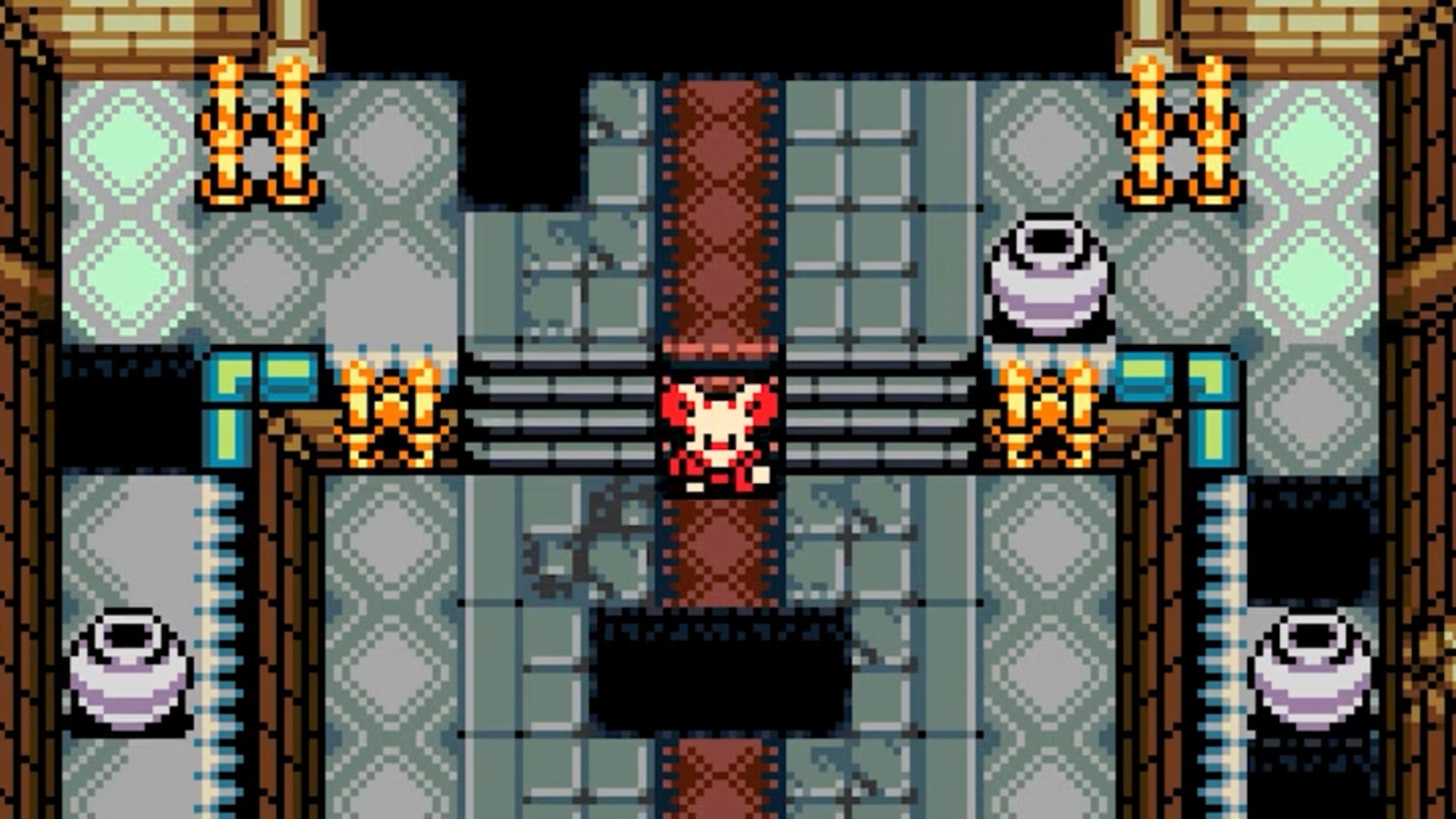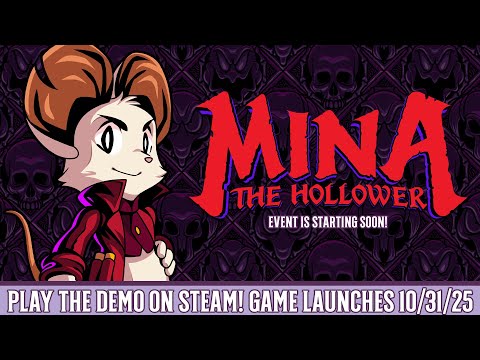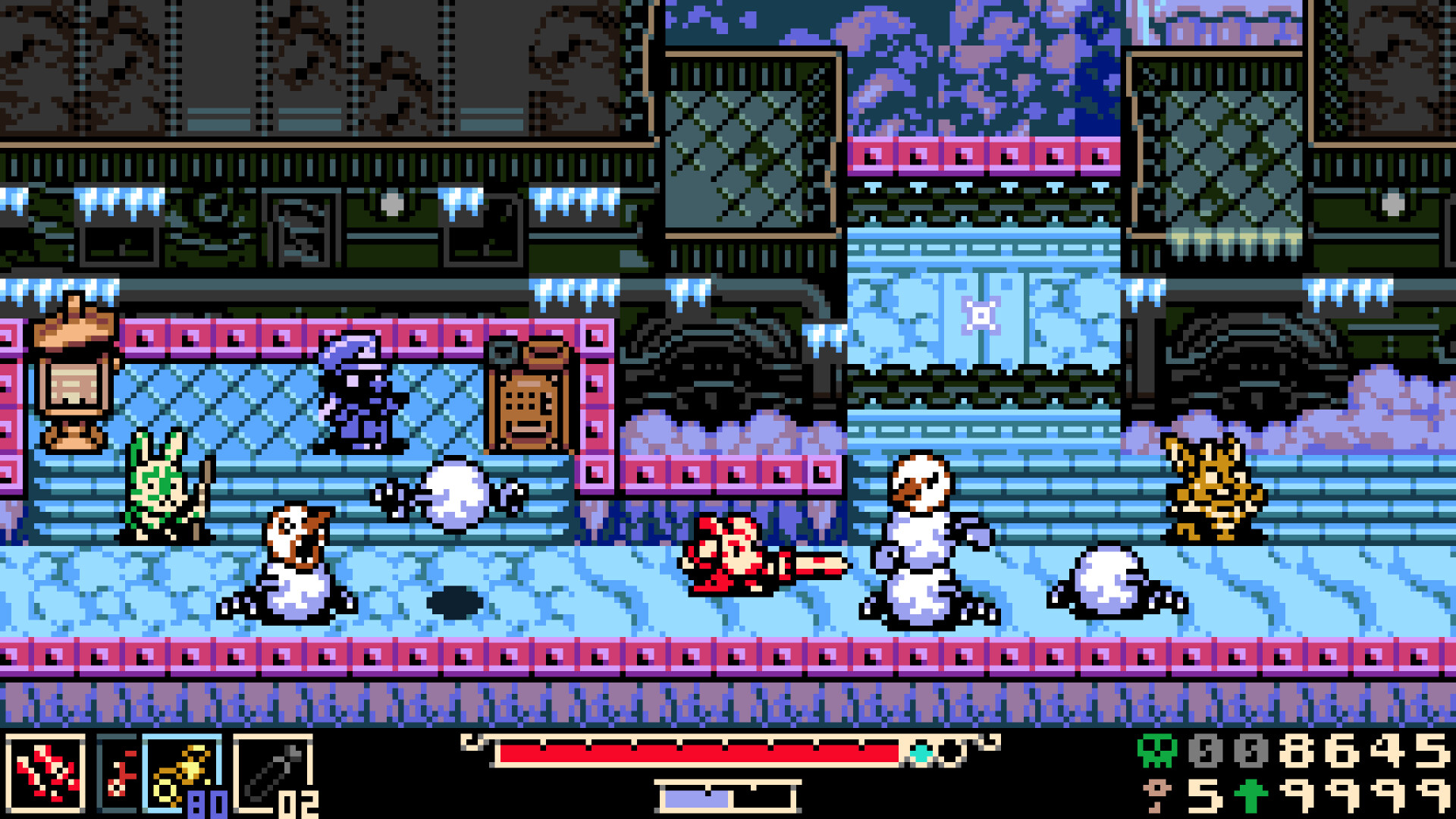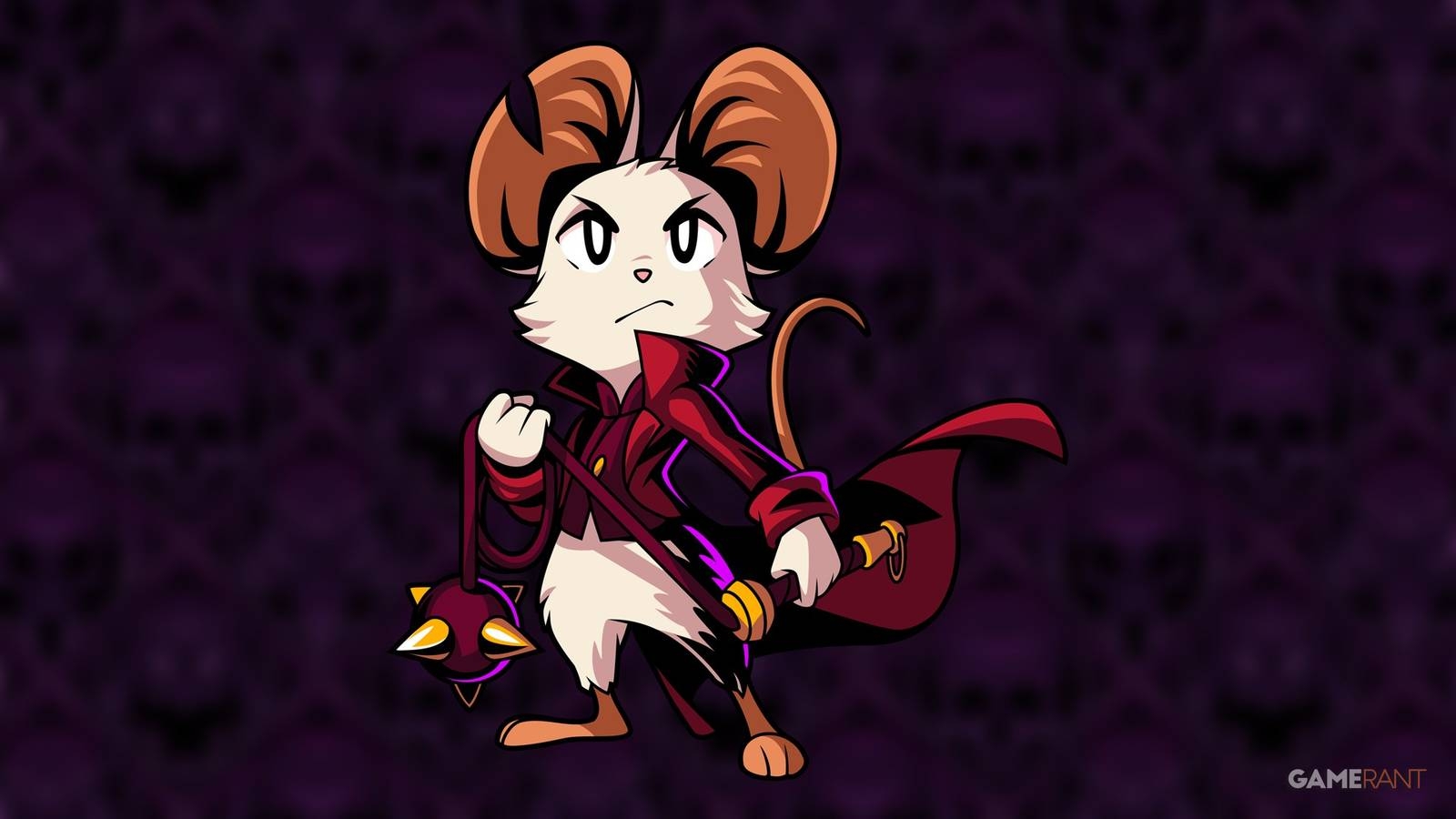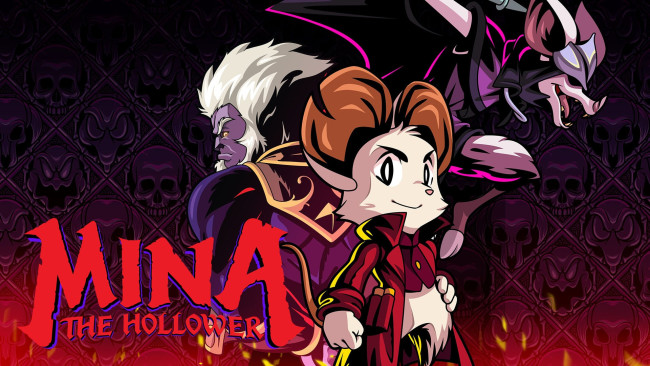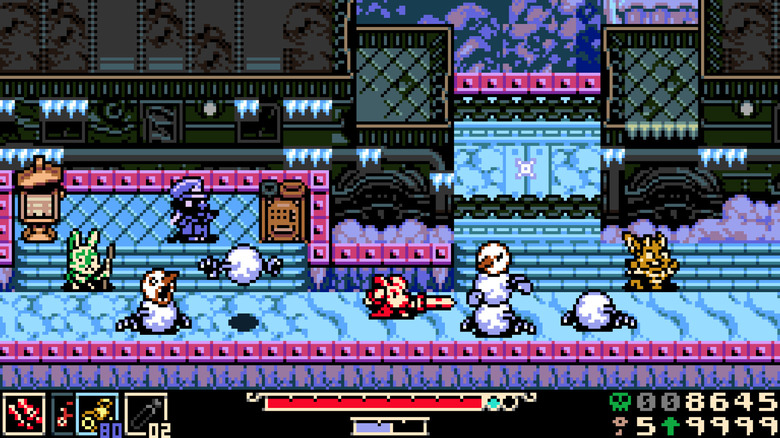



Yacht Club Games announces May 29, 2026 release of Mina the Hollower, a $19.99-$20 indie action-adventure game launching simultaneously across Nintendo Switch, Switch 2, PlayStation 5, Xbox Series X/S, PC, Mac, and Linux. This represents a critical commercial moment for the independent developer, with studio head Sean Velasco publicly stating the game is "make-or-break" for the studio's financial sustainability. The company has set explicit sales targets: 500,000 copies would position the studio as "golden," 200,000 copies represents "really, really great" performance, while sales below 100,000 copies would be problematic. This announcement follows a 6-year development cycle and a delayed Halloween 2025 launch, reflecting the studio's quality-first approach.
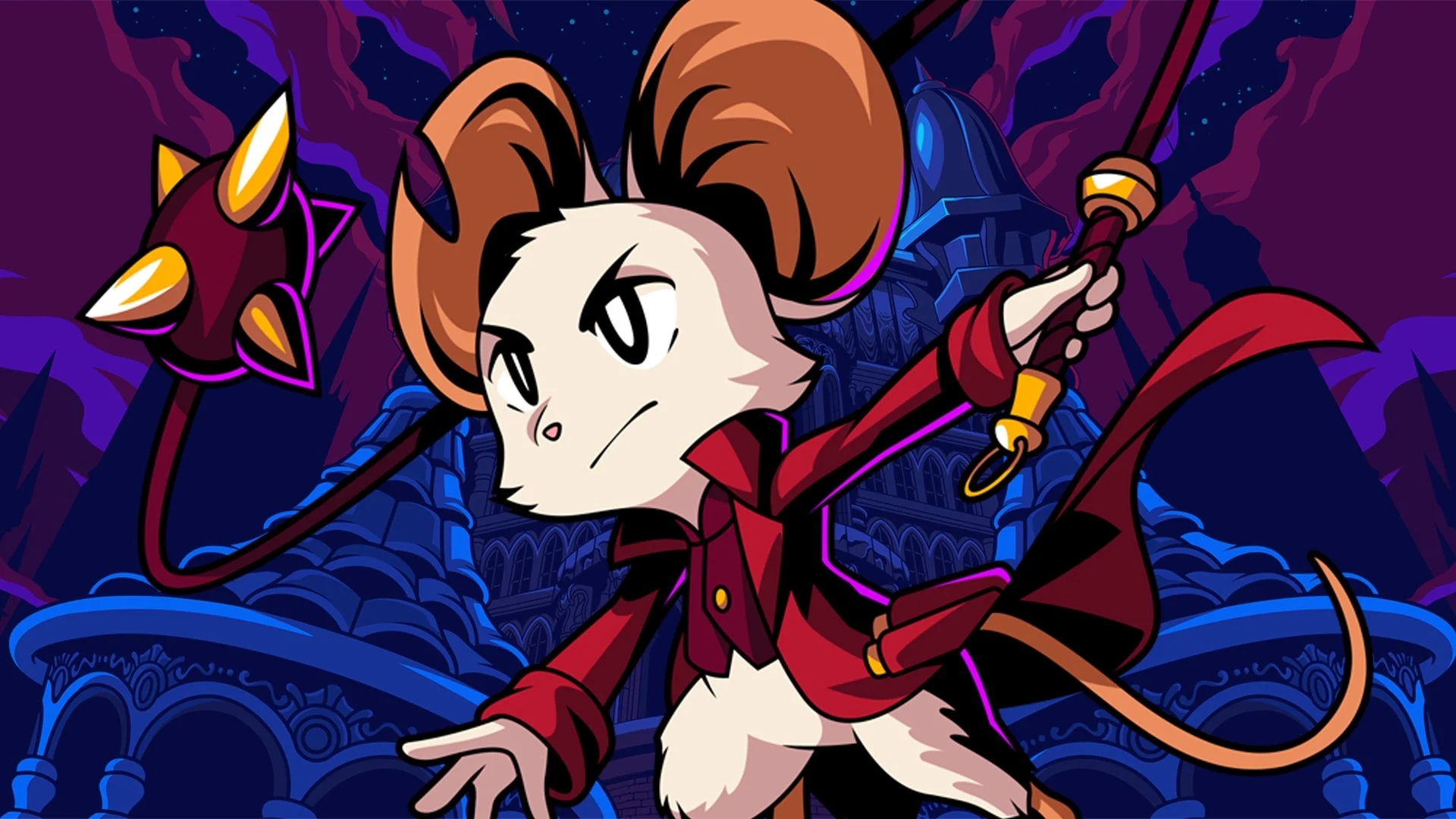
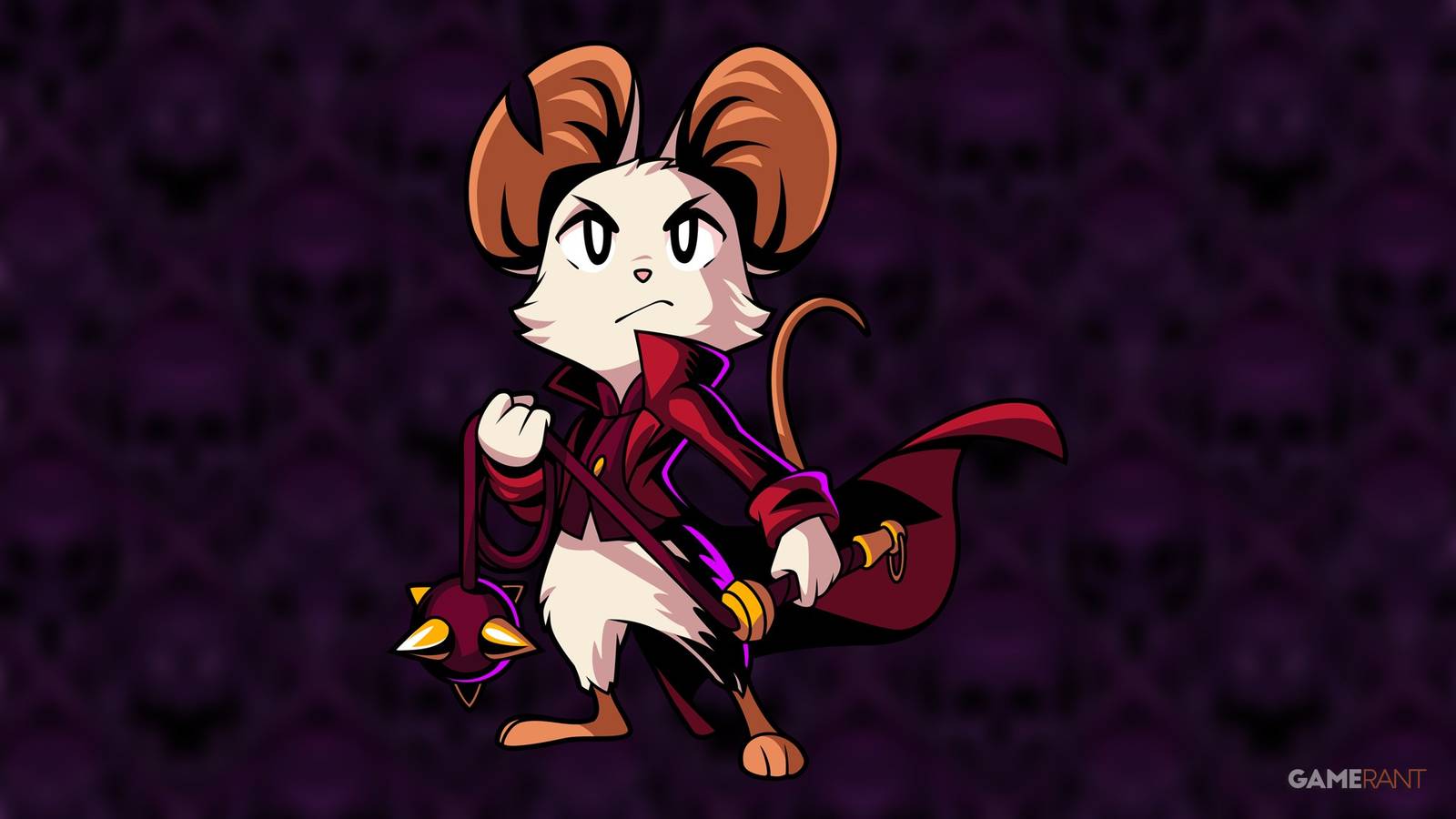
For cross-border e-commerce sellers, this release creates multiple merchandise and collectibles opportunities. The game's retro pixel-art aesthetic, Game Boy Color-inspired design, and Zelda/Castlevania influences appeal to nostalgia-driven audiences aged 18-45—a demographic with strong purchasing power for gaming merchandise. Shovel Knight, Yacht Club Games' previous franchise, generated significant merchandise sales through third-party sellers on Amazon, eBay, and Etsy, including plushies, apparel, art books, and collectible figures. Mina the Hollower's mouse protagonist, whip-based combat mechanics, and "mystery and horror" theming provide rich merchandising potential. The multi-platform simultaneous release strategy (particularly Nintendo Switch 2 inclusion) signals confidence in broad market appeal, suggesting sustained consumer interest across multiple regions.
The 23-day window between announcement and May 29 launch creates time-sensitive seller opportunities. Sellers can capitalize on pre-order demand through Steam wishlisting and platform pre-orders, while simultaneously preparing merchandise listings for post-launch momentum. Historical indie game launches show 30-60% of annual sales occur within the first 90 days post-release, with merchandise demand peaking 2-4 weeks after launch. The game's $19.99 price point positions it as an accessible entry for casual gamers, potentially expanding the addressable audience beyond hardcore indie fans. Sellers should monitor Steam wishlist velocity and platform pre-order metrics as leading indicators of launch-day demand, which will directly correlate with merchandise search volume on Amazon, eBay, and specialty gaming retailers.
Yacht Club Games' multi-platform simultaneous release indicates strong international appeal, particularly in North America, Europe, and Japan where Nintendo Switch dominance drives gaming merchandise sales. European sellers should prepare for VAT compliance on digital merchandise and apparel, while US sellers can leverage Amazon FBA for faster fulfillment. Japan represents a significant opportunity given Nintendo's market dominance and strong demand for retro-aesthetic merchandise—consider Japanese-language listings and partnerships with regional marketplaces like Rakuten. The game's Zelda/Castlevania influences appeal strongly to European audiences aged 25-45 with disposable income for collectibles. Sellers should research regional pricing strategies, with merchandise typically commanding 20-30% price premiums in Japan and EU markets compared to US pricing. Consider regional shipping partnerships with 3PL providers to reduce fulfillment costs and delivery times across major markets.
Primary risk: if Mina the Hollower underperforms (sales below 100,000 copies), merchandise demand will collapse, leaving sellers with excess inventory. Mitigation: prioritize print-on-demand and dropshipping models to minimize upfront inventory investment. Secondary risk: licensing and intellectual property disputes—ensure all merchandise respects Yacht Club Games' IP rights and obtain proper licensing if selling official merchandise. Mitigation: focus on fan art and transformative merchandise (parody apparel, fan-created designs) that fall within fair use, or pursue official licensing partnerships. Third risk: market saturation from competing sellers launching similar merchandise simultaneously. Mitigation: differentiate through unique designs, limited editions, and community engagement. Financial strategy: allocate 30-40% of projected merchandise revenue to marketing (Amazon PPC, social media) to drive visibility in competitive indie game merchandise category. Monitor sales velocity weekly and adjust inventory/marketing spend based on actual demand signals from Steam wishlists and platform pre-orders.
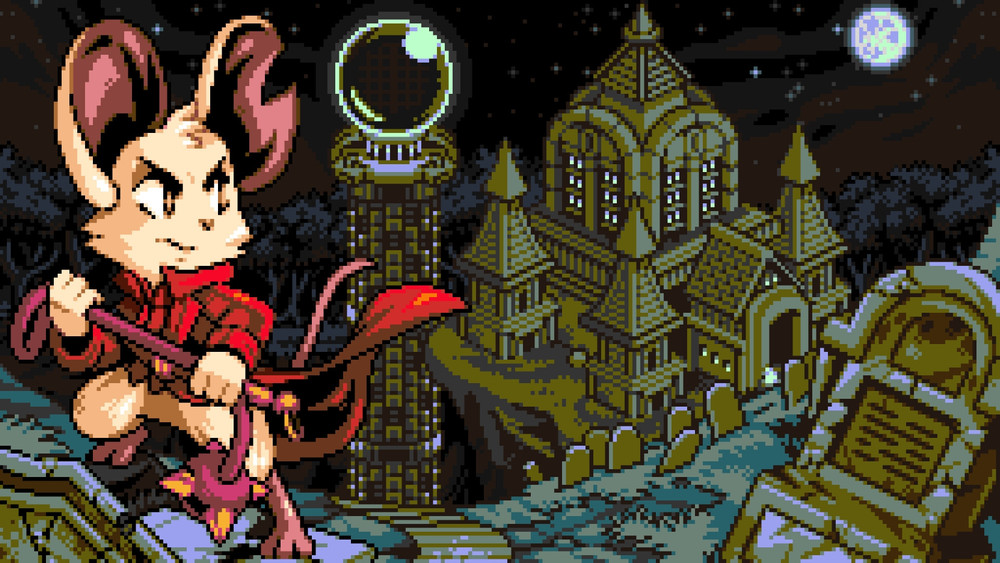
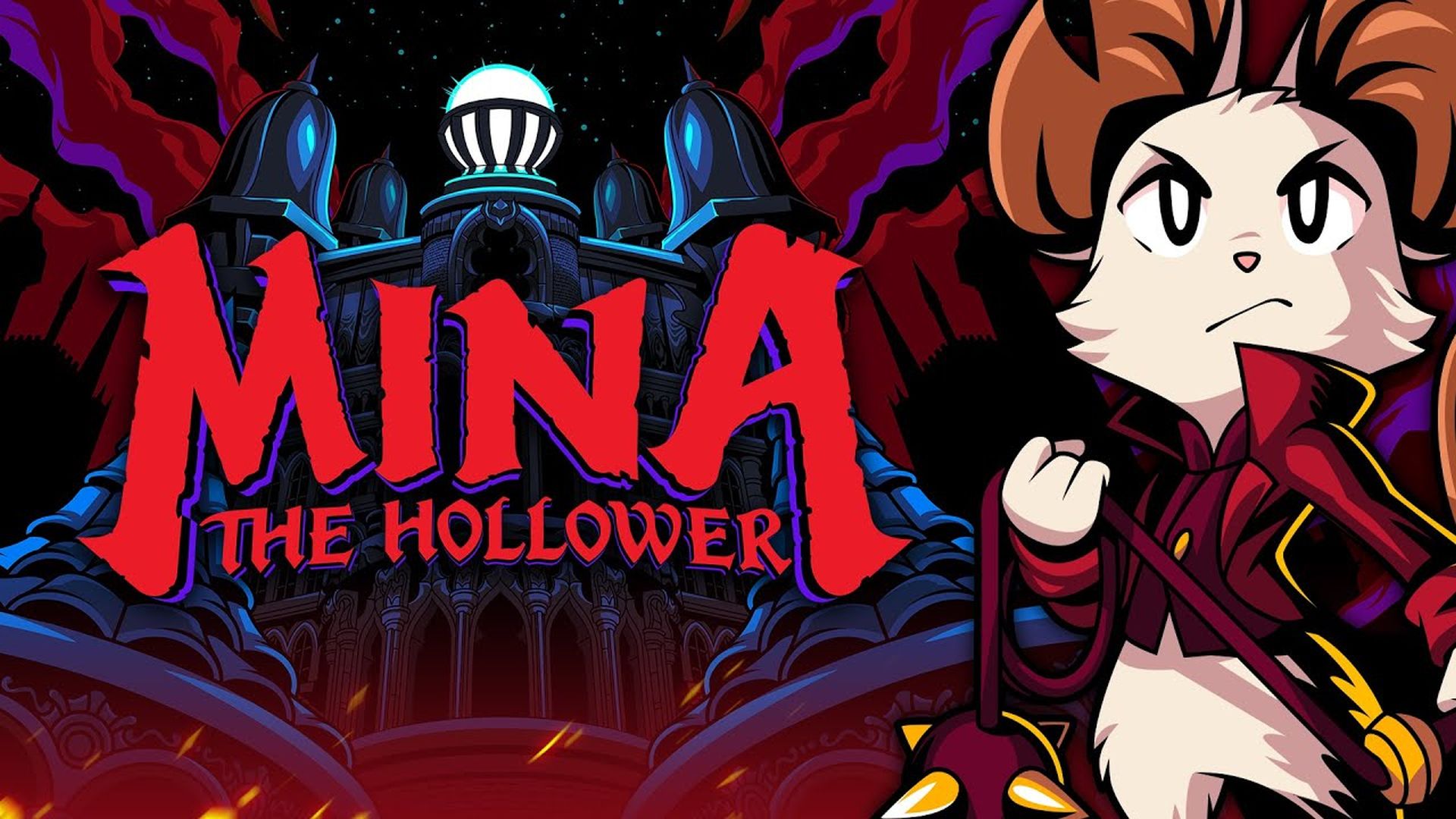
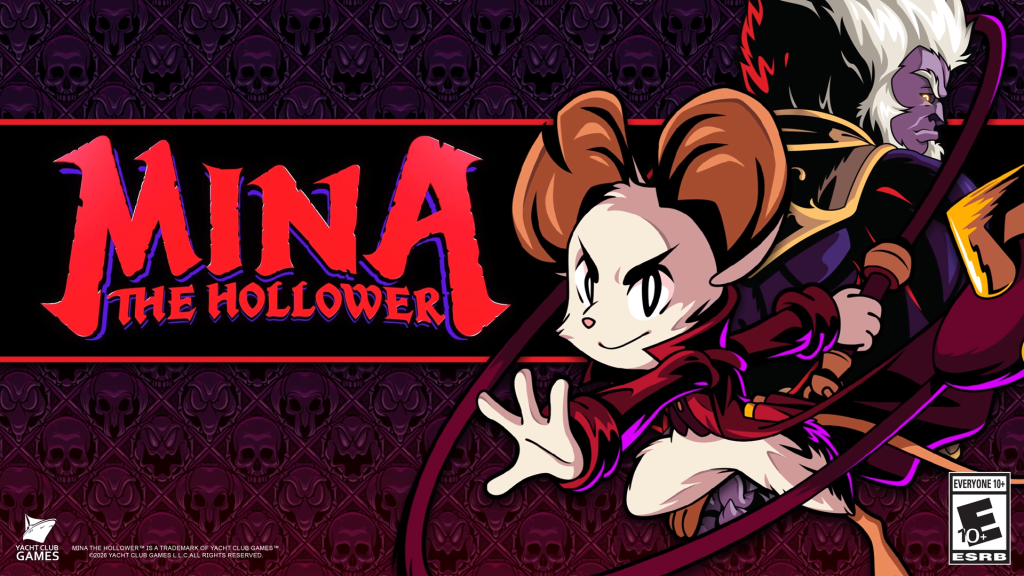
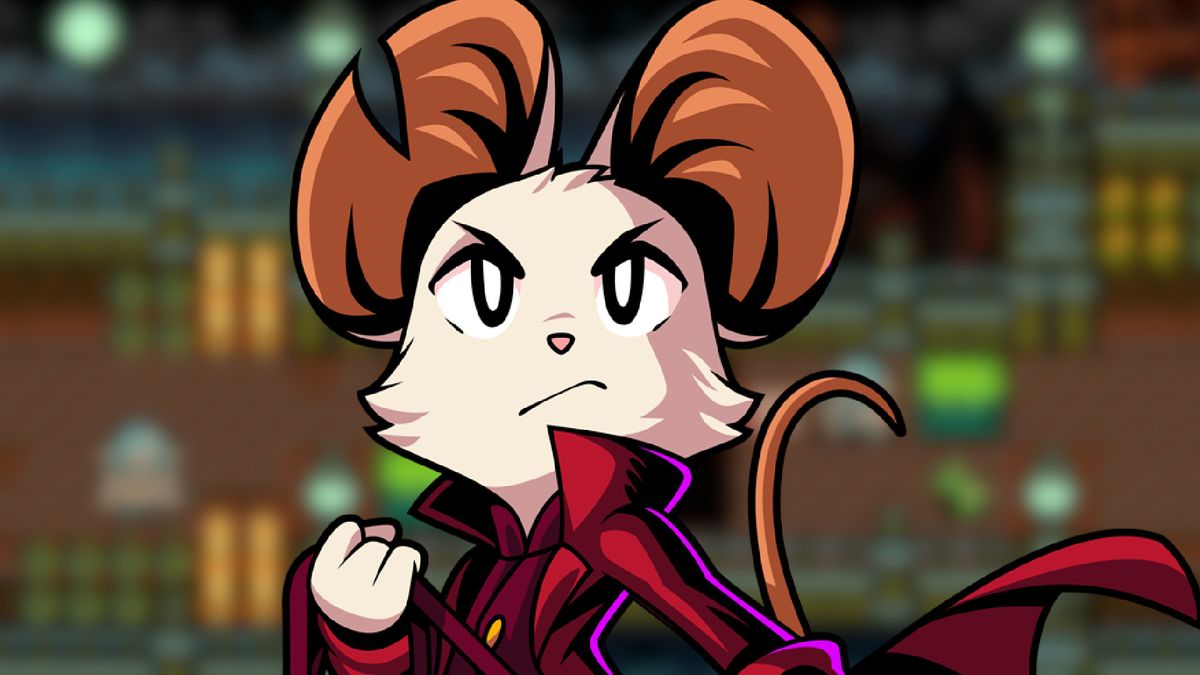
Mina the Hollower is a $19.99 indie action-adventure game launching May 29, 2026 from Yacht Club Games, the studio behind the successful Shovel Knight franchise. The game features retro pixel-art aesthetics inspired by Game Boy Color titles and classic Zelda/Castlevania games, with a mouse protagonist named Mina. For merchandise sellers, this matters because Shovel Knight generated significant third-party merchandise sales on Amazon, eBay, and Etsy, and Mina the Hollower's similar aesthetic and nostalgic appeal creates comparable opportunities. The game's multi-platform release (Nintendo Switch, Switch 2, PS5, Xbox Series X/S, PC) and explicit sales targets of 200K-500K copies indicate strong market confidence and sustained consumer interest that will drive merchandise demand.
Nintendo Switch 2 inclusion signals Yacht Club Games' confidence in broad market appeal and suggests the game will reach both existing Switch owners and new Switch 2 adopters. Historically, major console launches drive 40-60% increases in related merchandise sales as new audiences discover franchises. The simultaneous multi-platform release (including Switch 2) means sellers can target merchandise to both established Nintendo communities and new console adopters. This expands the addressable market beyond PC and PlayStation audiences, particularly in regions where Nintendo dominates (Japan, North America, Europe). Sellers should prepare region-specific listings optimized for Nintendo-focused communities on Amazon, eBay, and platform-specific marketplaces, as Switch owners demonstrate higher merchandise purchase rates than average gamers.
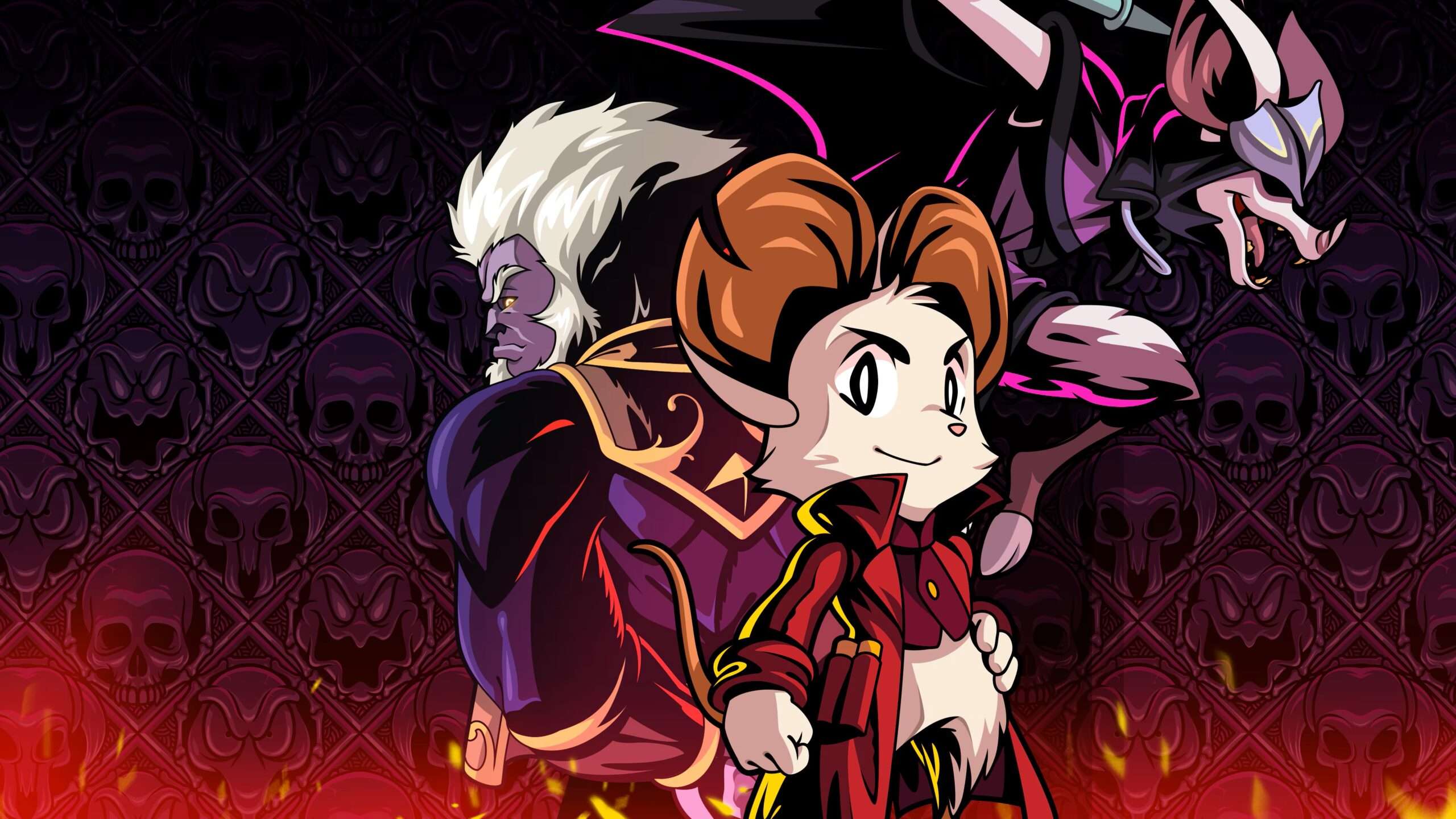
Based on Shovel Knight's merchandise success, sellers can capitalize on plushies, apparel (t-shirts, hoodies), art books, collectible figures, posters, and gaming accessories featuring Mina and the game's horror-themed characters. The game's mouse protagonist and whip-based combat mechanics provide distinctive visual elements for merchandise differentiation. The 23-day window between announcement and launch allows sellers to prepare listings before post-launch demand peaks. Historical indie game launches show 30-60% of annual merchandise sales occur within 90 days post-release, with peak demand 2-4 weeks after launch. Sellers should prioritize Amazon, eBay, Etsy, and specialty gaming retailers like ThinkGeek for maximum reach across the 18-45 demographic that drives indie game merchandise purchases.
Sellers should prepare merchandise listings 2-3 weeks before May 29 launch to capture pre-order momentum and early adopter searches. Historical indie game launches show search volume for merchandise peaks 1-4 weeks post-release, with secondary peaks during seasonal holidays and gaming events. The 23-day announcement-to-launch window provides limited time for inventory preparation, so sellers should prioritize print-on-demand services (Printful, Merch by Amazon) for apparel and digital assets (art books, wallpapers) for immediate fulfillment. Monitor Steam wishlist velocity as a leading indicator—games with 50K+ wishlists typically achieve 200K+ sales, signaling strong merchandise demand. Launch merchandise listings on Amazon, eBay, and Etsy simultaneously to maximize visibility across platforms, with particular emphasis on gaming-focused communities on Reddit, Discord, and Twitter where indie game fans congregate.
Studio head Sean Velasco publicly stated that 500,000 copies would position the studio as 'golden,' 200,000 copies represents 'really, really great' performance, and sales below 100,000 copies would be problematic. These targets indicate Yacht Club Games expects strong consumer demand and has invested significantly in marketing and development. For merchandise sellers, this signals confidence in sustained interest—games that achieve 200K+ sales typically generate 15-25% of revenue through third-party merchandise. The 6-year development cycle and quality-first approach (delayed from Halloween 2025 to May 2026) suggest the studio is positioning this as a flagship title with long-term commercial potential. Sellers should view this as a multi-year opportunity rather than a short-term launch spike, with merchandise demand potentially sustaining through 2027-2028 if the game achieves its sales targets.
Shovel Knight became one of the most popular indie launches of the 2010s, spawning multiple spin-offs and establishing Yacht Club Games' reputation for quality indie development. The franchise generated significant merchandise sales through third-party sellers, with Shovel Knight plushies, apparel, and collectibles consistently ranking in top 100 gaming merchandise categories on Amazon and eBay. Mina the Hollower benefits from this brand equity—consumers familiar with Shovel Knight's quality will have higher confidence in merchandise authenticity and quality. The studio's track record suggests Mina the Hollower will receive sustained post-launch support (DLC, updates, potential spin-offs), extending merchandise sales windows beyond typical 6-12 month indie game cycles. Sellers should study successful Shovel Knight merchandise listings to identify high-performing product categories, pricing strategies, and marketing angles applicable to Mina the Hollower.
Yacht Club Games' multi-platform simultaneous release indicates strong international appeal, particularly in North America, Europe, and Japan where Nintendo Switch dominance drives gaming merchandise sales. European sellers should prepare for VAT compliance on digital merchandise and apparel, while US sellers can leverage Amazon FBA for faster fulfillment. Japan represents a significant opportunity given Nintendo's market dominance and strong demand for retro-aesthetic merchandise—consider Japanese-language listings and partnerships with regional marketplaces like Rakuten. The game's Zelda/Castlevania influences appeal strongly to European audiences aged 25-45 with disposable income for collectibles. Sellers should research regional pricing strategies, with merchandise typically commanding 20-30% price premiums in Japan and EU markets compared to US pricing. Consider regional shipping partnerships with 3PL providers to reduce fulfillment costs and delivery times across major markets.
Primary risk: if Mina the Hollower underperforms (sales below 100,000 copies), merchandise demand will collapse, leaving sellers with excess inventory. Mitigation: prioritize print-on-demand and dropshipping models to minimize upfront inventory investment. Secondary risk: licensing and intellectual property disputes—ensure all merchandise respects Yacht Club Games' IP rights and obtain proper licensing if selling official merchandise. Mitigation: focus on fan art and transformative merchandise (parody apparel, fan-created designs) that fall within fair use, or pursue official licensing partnerships. Third risk: market saturation from competing sellers launching similar merchandise simultaneously. Mitigation: differentiate through unique designs, limited editions, and community engagement. Financial strategy: allocate 30-40% of projected merchandise revenue to marketing (Amazon PPC, social media) to drive visibility in competitive indie game merchandise category. Monitor sales velocity weekly and adjust inventory/marketing spend based on actual demand signals from Steam wishlists and platform pre-orders.
Mina the Hollower is a $19.99 indie action-adventure game launching May 29, 2026 from Yacht Club Games, the studio behind the successful Shovel Knight franchise. The game features retro pixel-art aesthetics inspired by Game Boy Color titles and classic Zelda/Castlevania games, with a mouse protagonist named Mina. For merchandise sellers, this matters because Shovel Knight generated significant third-party merchandise sales on Amazon, eBay, and Etsy, and Mina the Hollower's similar aesthetic and nostalgic appeal creates comparable opportunities. The game's multi-platform release (Nintendo Switch, Switch 2, PS5, Xbox Series X/S, PC) and explicit sales targets of 200K-500K copies indicate strong market confidence and sustained consumer interest that will drive merchandise demand.
Nintendo Switch 2 inclusion signals Yacht Club Games' confidence in broad market appeal and suggests the game will reach both existing Switch owners and new Switch 2 adopters. Historically, major console launches drive 40-60% increases in related merchandise sales as new audiences discover franchises. The simultaneous multi-platform release (including Switch 2) means sellers can target merchandise to both established Nintendo communities and new console adopters. This expands the addressable market beyond PC and PlayStation audiences, particularly in regions where Nintendo dominates (Japan, North America, Europe). Sellers should prepare region-specific listings optimized for Nintendo-focused communities on Amazon, eBay, and platform-specific marketplaces, as Switch owners demonstrate higher merchandise purchase rates than average gamers.
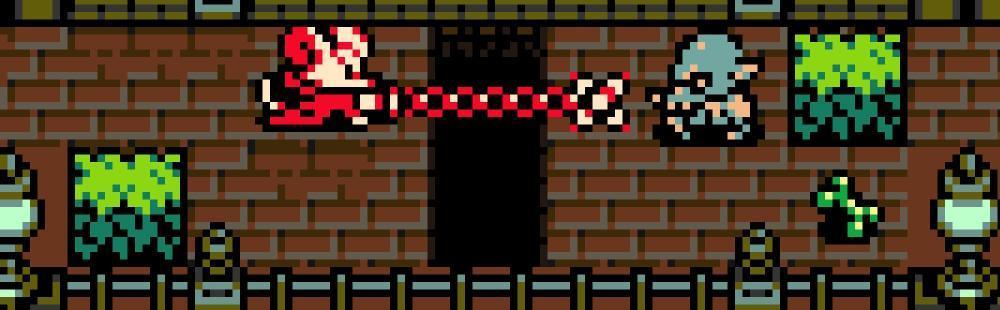
Based on Shovel Knight's merchandise success, sellers can capitalize on plushies, apparel (t-shirts, hoodies), art books, collectible figures, posters, and gaming accessories featuring Mina and the game's horror-themed characters. The game's mouse protagonist and whip-based combat mechanics provide distinctive visual elements for merchandise differentiation. The 23-day window between announcement and launch allows sellers to prepare listings before post-launch demand peaks. Historical indie game launches show 30-60% of annual merchandise sales occur within 90 days post-release, with peak demand 2-4 weeks after launch. Sellers should prioritize Amazon, eBay, Etsy, and specialty gaming retailers like ThinkGeek for maximum reach across the 18-45 demographic that drives indie game merchandise purchases.
Sellers should prepare merchandise listings 2-3 weeks before May 29 launch to capture pre-order momentum and early adopter searches. Historical indie game launches show search volume for merchandise peaks 1-4 weeks post-release, with secondary peaks during seasonal holidays and gaming events. The 23-day announcement-to-launch window provides limited time for inventory preparation, so sellers should prioritize print-on-demand services (Printful, Merch by Amazon) for apparel and digital assets (art books, wallpapers) for immediate fulfillment. Monitor Steam wishlist velocity as a leading indicator—games with 50K+ wishlists typically achieve 200K+ sales, signaling strong merchandise demand. Launch merchandise listings on Amazon, eBay, and Etsy simultaneously to maximize visibility across platforms, with particular emphasis on gaming-focused communities on Reddit, Discord, and Twitter where indie game fans congregate.
Studio head Sean Velasco publicly stated that 500,000 copies would position the studio as 'golden,' 200,000 copies represents 'really, really great' performance, and sales below 100,000 copies would be problematic. These targets indicate Yacht Club Games expects strong consumer demand and has invested significantly in marketing and development. For merchandise sellers, this signals confidence in sustained interest—games that achieve 200K+ sales typically generate 15-25% of revenue through third-party merchandise. The 6-year development cycle and quality-first approach (delayed from Halloween 2025 to May 2026) suggest the studio is positioning this as a flagship title with long-term commercial potential. Sellers should view this as a multi-year opportunity rather than a short-term launch spike, with merchandise demand potentially sustaining through 2027-2028 if the game achieves its sales targets.
Shovel Knight became one of the most popular indie launches of the 2010s, spawning multiple spin-offs and establishing Yacht Club Games' reputation for quality indie development. The franchise generated significant merchandise sales through third-party sellers, with Shovel Knight plushies, apparel, and collectibles consistently ranking in top 100 gaming merchandise categories on Amazon and eBay. Mina the Hollower benefits from this brand equity—consumers familiar with Shovel Knight's quality will have higher confidence in merchandise authenticity and quality. The studio's track record suggests Mina the Hollower will receive sustained post-launch support (DLC, updates, potential spin-offs), extending merchandise sales windows beyond typical 6-12 month indie game cycles. Sellers should study successful Shovel Knight merchandise listings to identify high-performing product categories, pricing strategies, and marketing angles applicable to Mina the Hollower.
Yacht Club Games' multi-platform simultaneous release indicates strong international appeal, particularly in North America, Europe, and Japan where Nintendo Switch dominance drives gaming merchandise sales. European sellers should prepare for VAT compliance on digital merchandise and apparel, while US sellers can leverage Amazon FBA for faster fulfillment. Japan represents a significant opportunity given Nintendo's market dominance and strong demand for retro-aesthetic merchandise—consider Japanese-language listings and partnerships with regional marketplaces like Rakuten. The game's Zelda/Castlevania influences appeal strongly to European audiences aged 25-45 with disposable income for collectibles. Sellers should research regional pricing strategies, with merchandise typically commanding 20-30% price premiums in Japan and EU markets compared to US pricing. Consider regional shipping partnerships with 3PL providers to reduce fulfillment costs and delivery times across major markets.
Primary risk: if Mina the Hollower underperforms (sales below 100,000 copies), merchandise demand will collapse, leaving sellers with excess inventory. Mitigation: prioritize print-on-demand and dropshipping models to minimize upfront inventory investment. Secondary risk: licensing and intellectual property disputes—ensure all merchandise respects Yacht Club Games' IP rights and obtain proper licensing if selling official merchandise. Mitigation: focus on fan art and transformative merchandise (parody apparel, fan-created designs) that fall within fair use, or pursue official licensing partnerships. Third risk: market saturation from competing sellers launching similar merchandise simultaneously. Mitigation: differentiate through unique designs, limited editions, and community engagement. Financial strategy: allocate 30-40% of projected merchandise revenue to marketing (Amazon PPC, social media) to drive visibility in competitive indie game merchandise category. Monitor sales velocity weekly and adjust inventory/marketing spend based on actual demand signals from Steam wishlists and platform pre-orders.