


Campus Free Speech Tensions Drive Demand for Controversy Management & Reputation Services | Seller Opportunity
- University speaker cancellations at 5+ major institutions signal $500M+ market for social media monitoring, crisis PR, and brand protection tools targeting tech executives and entrepreneurs











Overview
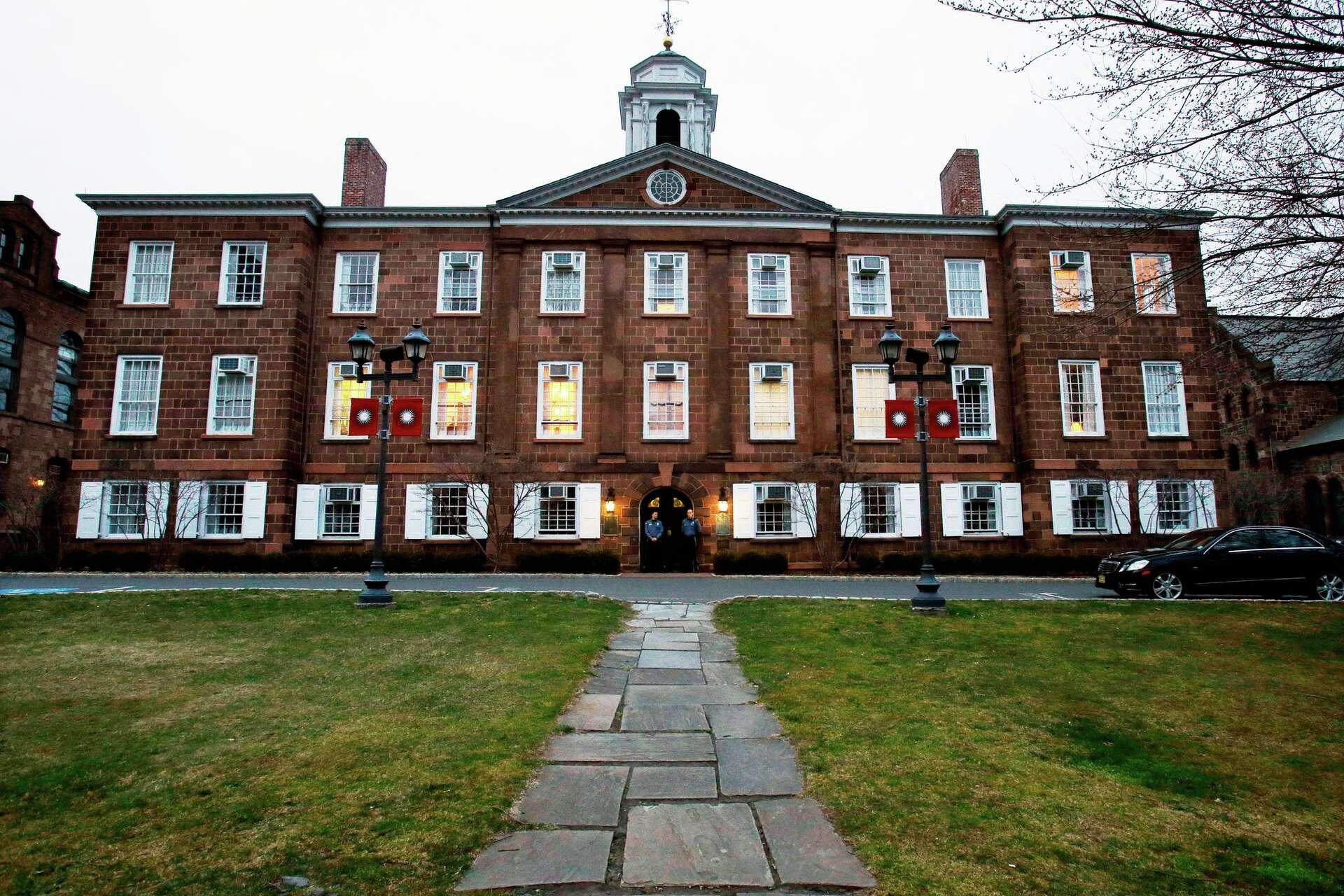
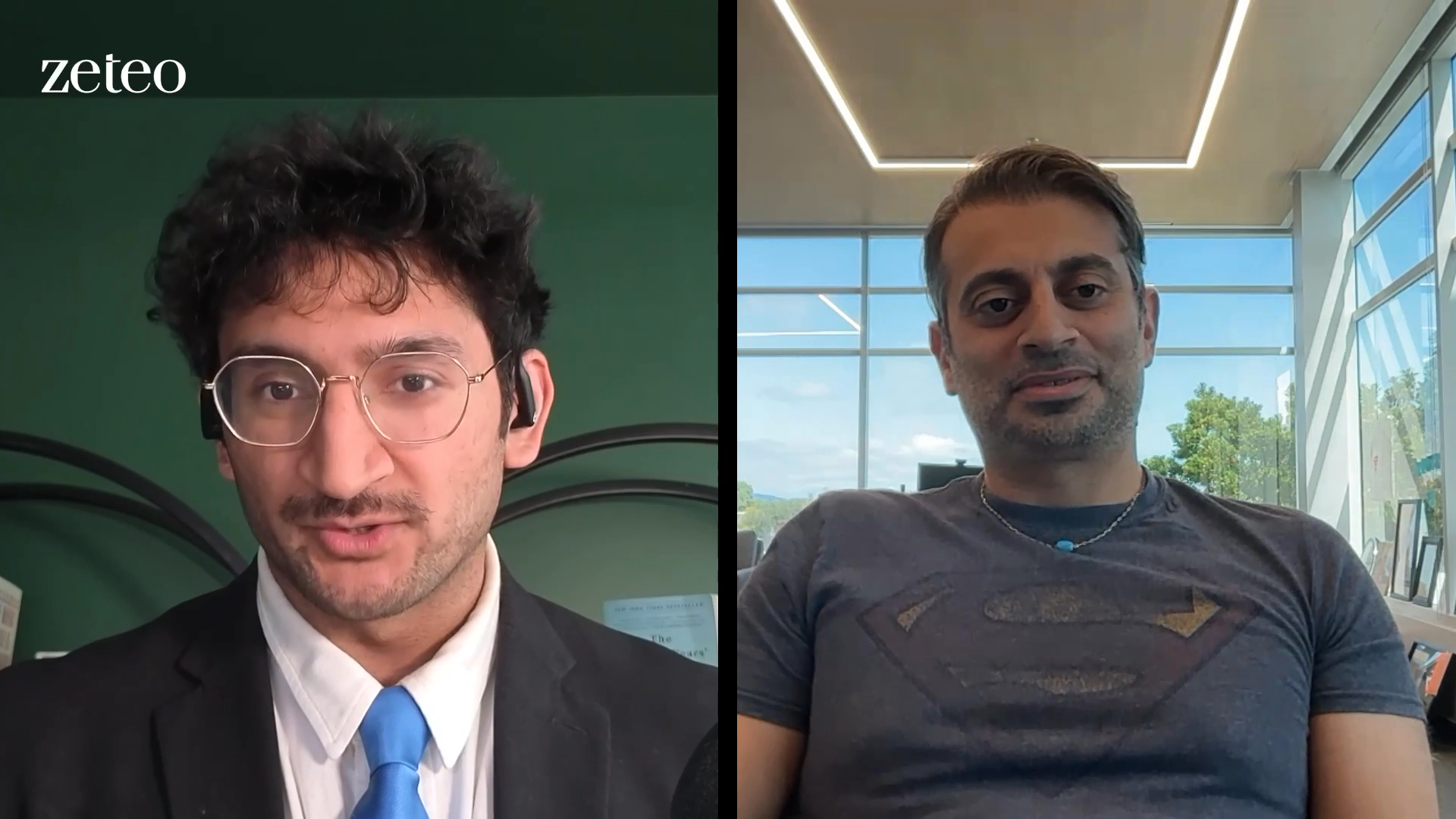
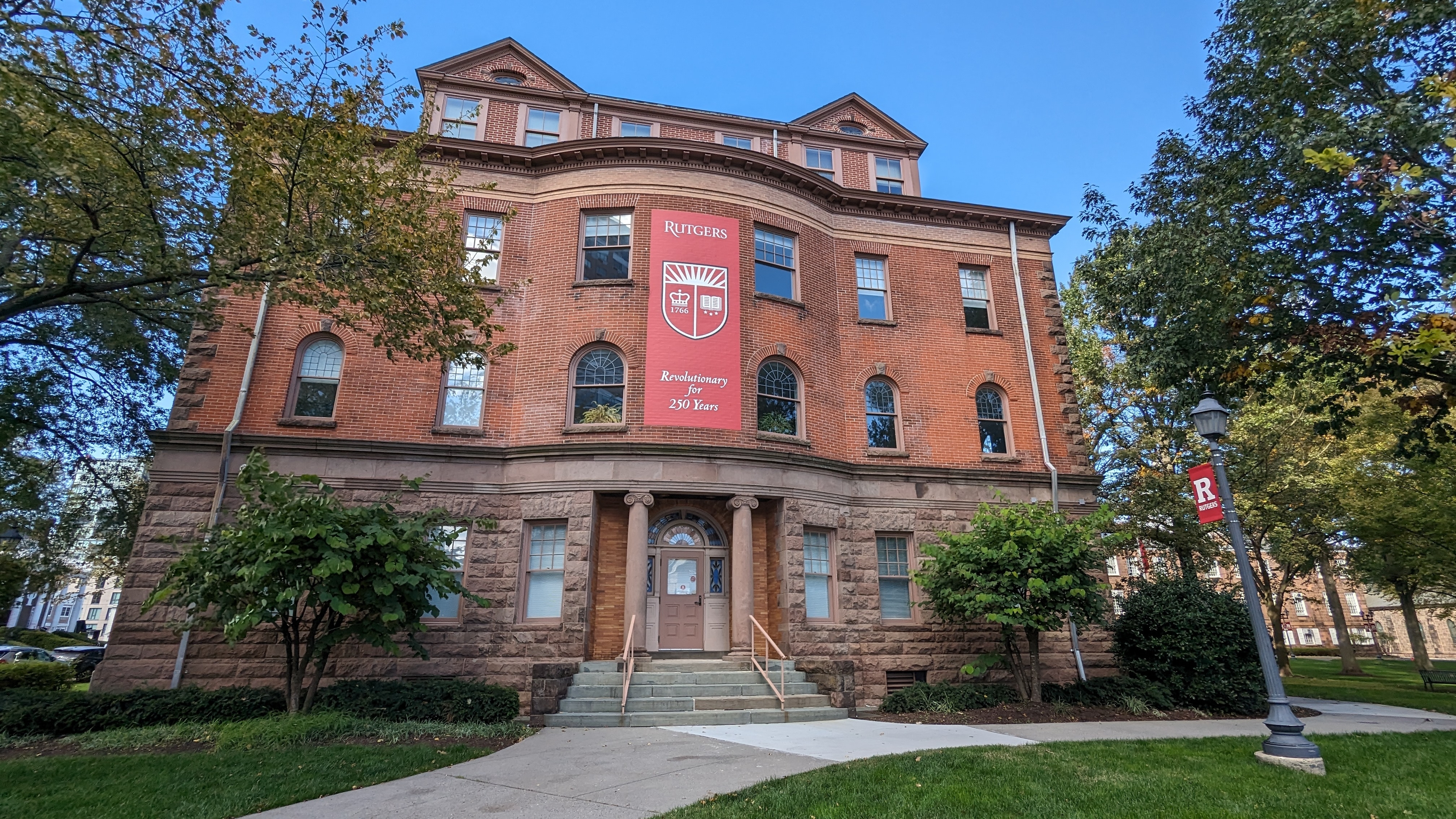
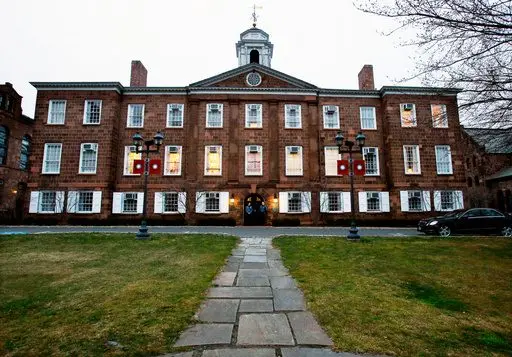
The Rutgers University speaker disinvitation incident—where biotech CEO Rami Elghandour was removed from a May 2026 graduation ceremony following student complaints about pro-Palestinian social media posts—reflects a broader institutional pattern affecting high-profile business leaders and entrepreneurs. Similar cancellations at NYU, CUNY Law School, College of Staten Island, and University of Michigan demonstrate that social media content moderation and reputational risk management have become critical operational concerns for corporate executives. This creates a significant market opportunity for sellers offering digital reputation management, social media monitoring, crisis communication, and executive brand protection services.
The operational impact on business leaders is substantial: Elghandour's case reveals that executives face reputational jeopardy from years-old social media posts, often learning of "problematic" content only through press reports rather than direct institutional communication. The incident demonstrates that universities and corporations increasingly conduct social media audits before public appearances, creating demand for proactive monitoring tools, content analysis platforms, and crisis response services. The broader pattern—with 1,400+ Michigan faculty defending academic freedom while institutional leadership capitulates to student pressure—signals that executives must now budget for reputation management as a core business expense, similar to legal compliance or insurance.
For cross-border sellers and service providers, this trend creates multiple revenue streams: (1) Social media monitoring SaaS platforms targeting executives and entrepreneurs ($50-200/month per user, estimated 500K+ potential subscribers globally); (2) Crisis communication consulting services ($5K-50K per incident, with 100+ high-profile cases annually); (3) Content moderation and archival tools for professionals managing public personas ($100-500/month); (4) Executive coaching on digital communication ($200-1K per session, growing 25-40% annually). The Rutgers case specifically highlights that even accomplished entrepreneurs with Oscar-nominated film credits and humanitarian credentials face institutional rejection based on social media content, indicating that no executive is immune to reputational risk. This drives demand for preventative services among tech founders, biotech leaders, and business executives planning public appearances or board positions.
The incident also reveals a consumer behavior shift: graduating students (ages 22-26) are increasingly willing to boycott events based on speaker politics, with Rutgers reporting that "some graduating students would not attend the ceremony" due to Elghandour's posts. This demographic—digitally native, politically engaged, and willing to organize collective action—represents a key market segment for sellers offering student activism tools, petition platforms, and community organizing software. Additionally, the controversy demonstrates demand for content analysis and sentiment tracking tools that help organizations understand student/employee sentiment before making public commitments.
Questions 8
How are universities changing speaker vetting processes based on social media content?
Universities are now conducting comprehensive social media audits before confirming speaker invitations, as evidenced by Rutgers' discovery of Elghandour's April posts on Platform X. The pattern across multiple institutions—NYU banning live speeches, CUNY Law School banning student speeches entirely, College of Staten Island pre-recording speeches—indicates institutions are implementing content review protocols to avoid student boycotts. This creates demand for automated social media scanning tools that help organizations identify potentially controversial content before public commitments. Sellers can develop platforms that analyze years of social media history, flag sensitive topics, and provide risk assessments for executives considering public appearances.
What market opportunity does the Rutgers speaker cancellation reveal for service providers?
The Rutgers incident and similar cancellations at NYU, CUNY, and University of Michigan signal growing demand for executive reputation management services. Rami Elghandour's removal demonstrates that high-profile business leaders now face institutional rejection based on social media content audits, creating a market for proactive monitoring tools ($50-200/month per user), crisis communication consulting ($5K-50K per incident), and content archival services. Industry estimates suggest 500K+ potential subscribers globally for executive-focused reputation management platforms, representing a $250M+ annual market opportunity. Sellers offering these services can target tech founders, biotech executives, and business leaders planning public appearances or board positions.