

AI-Powered Health Wearables Drive Premium Smartwatch Demand | Seller Opportunity in Clinical-Grade Devices
- Samsung's 84.6% accuracy syncope prediction validates clinical wearables market, expanding addressable audience to 40% of population with health concerns and creating premium pricing opportunities for sellers












Overview
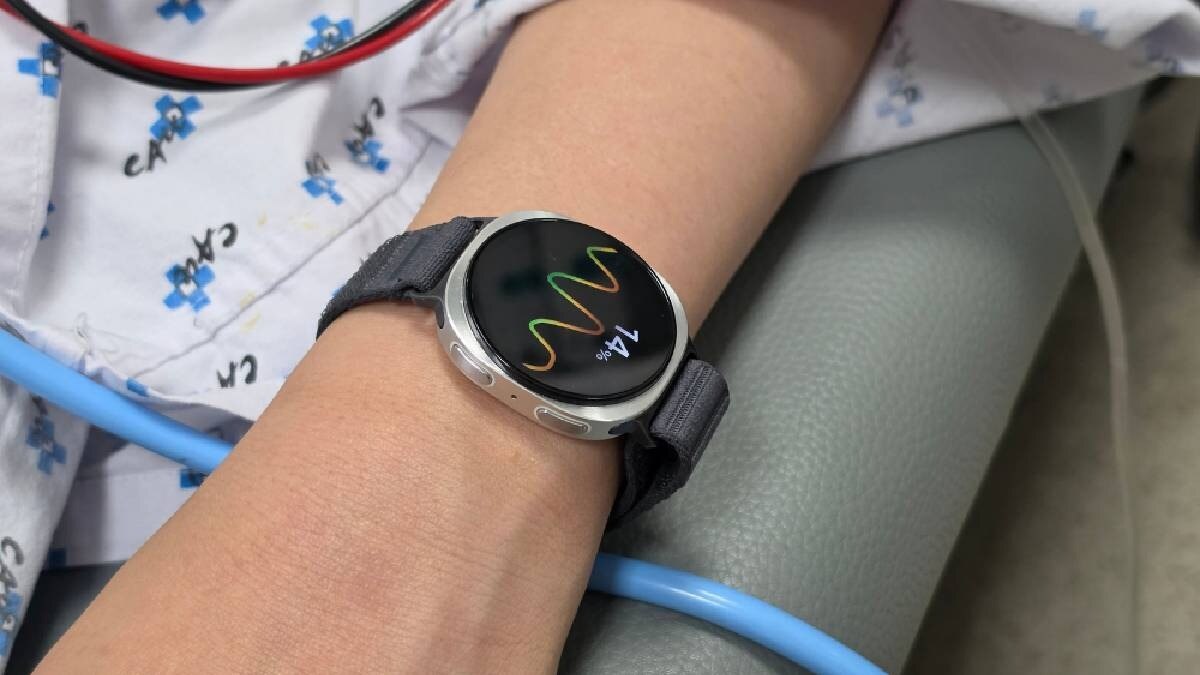
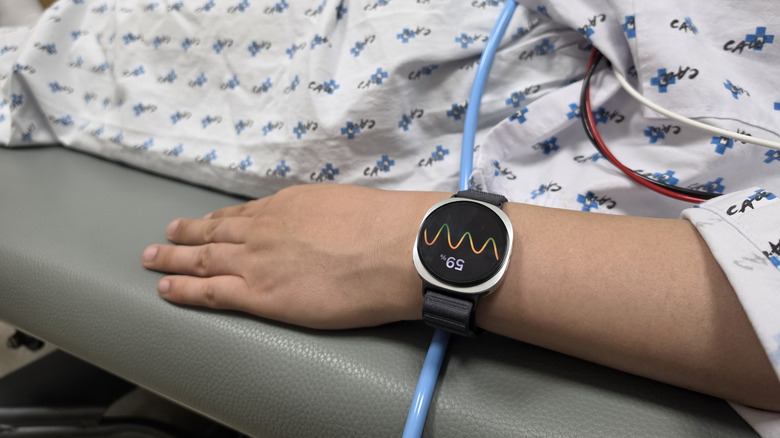
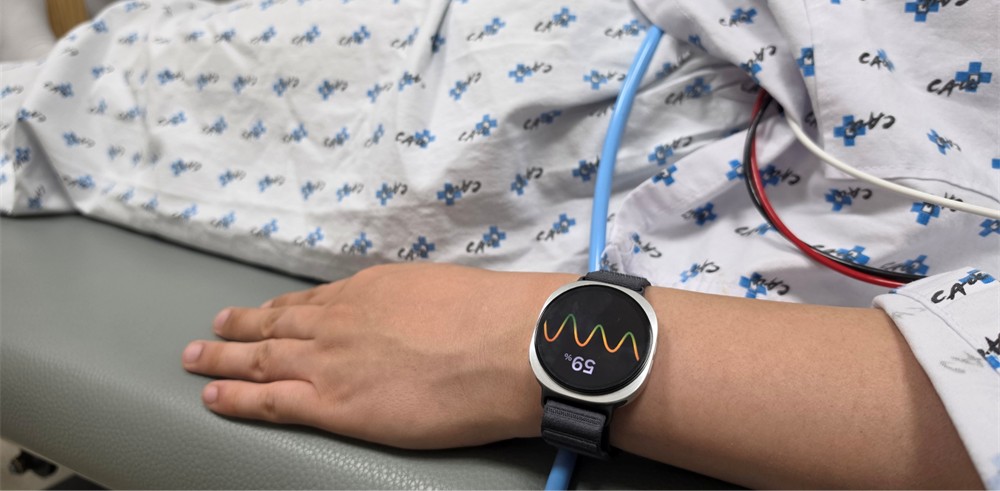
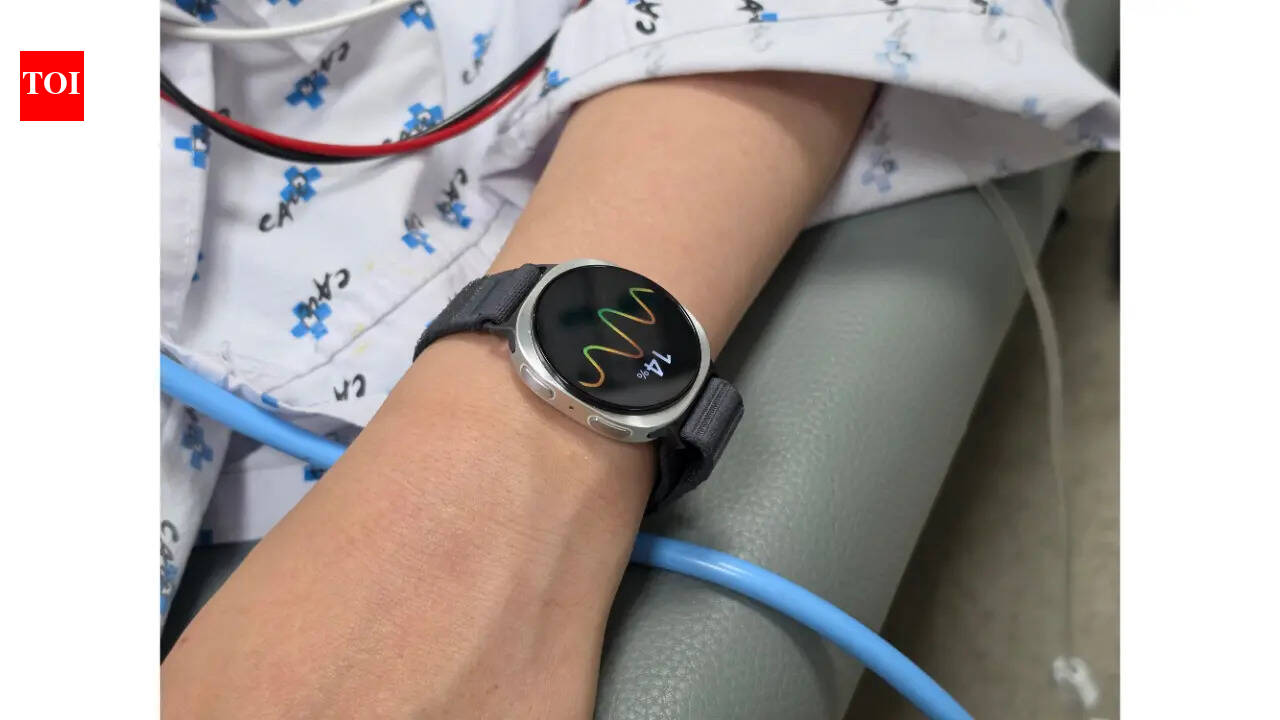
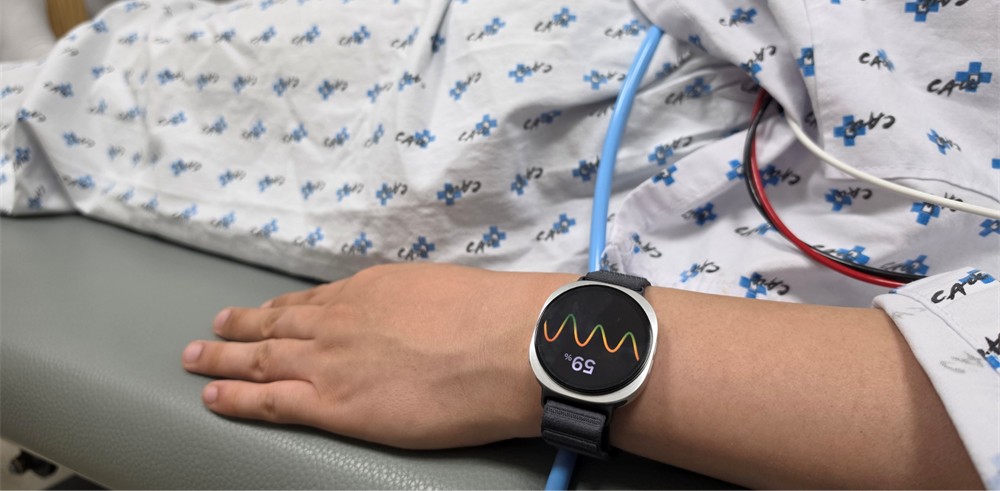
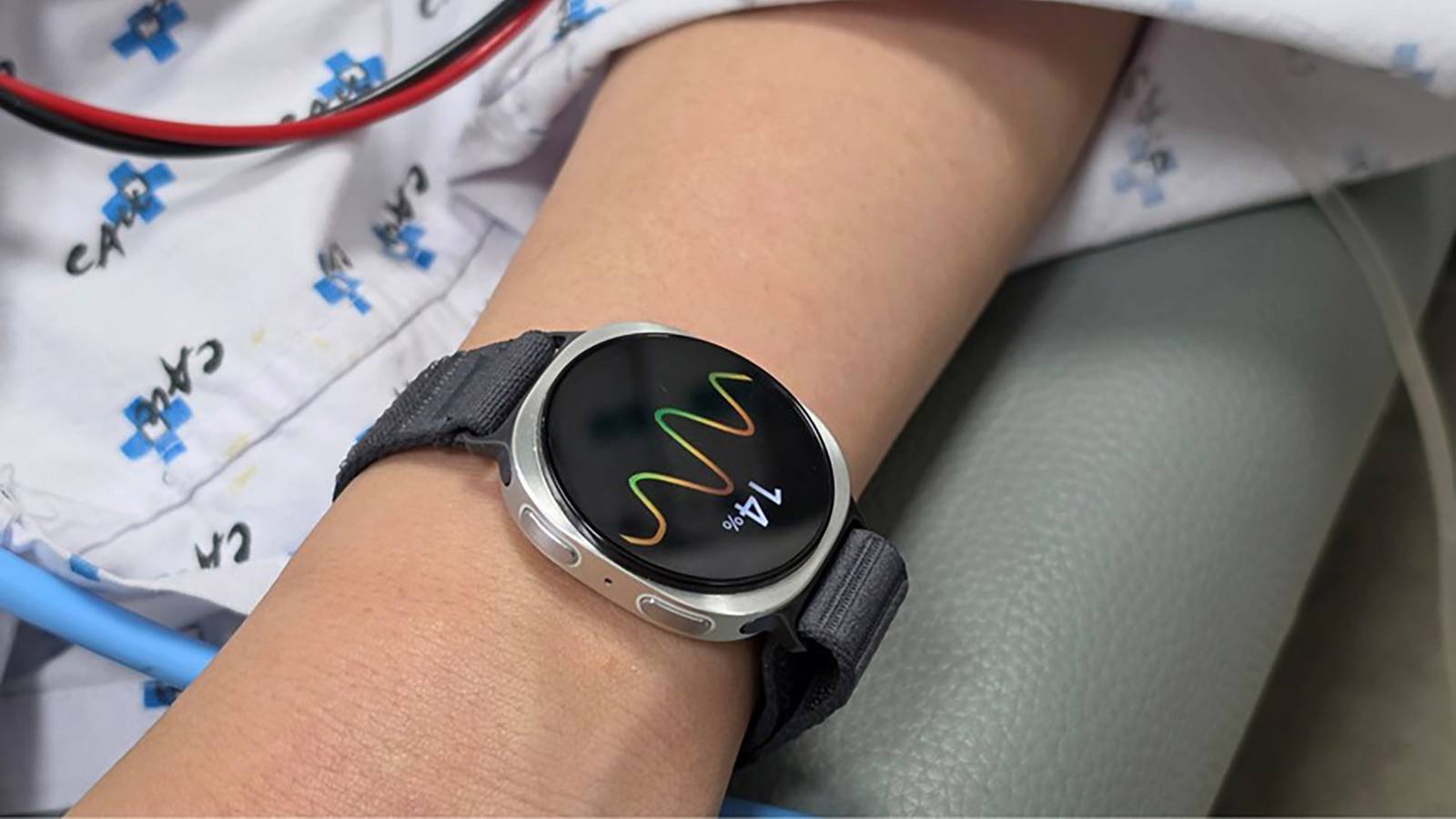
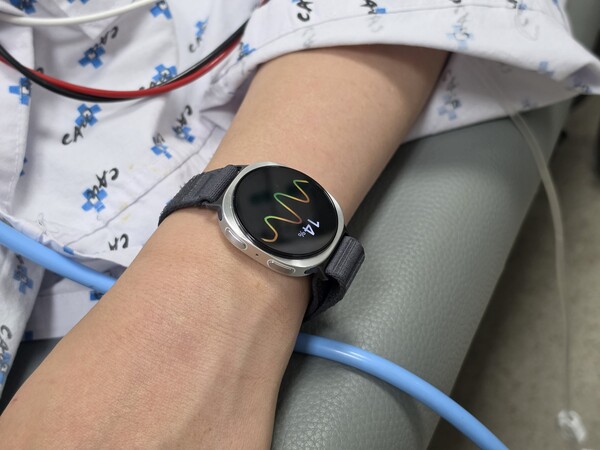
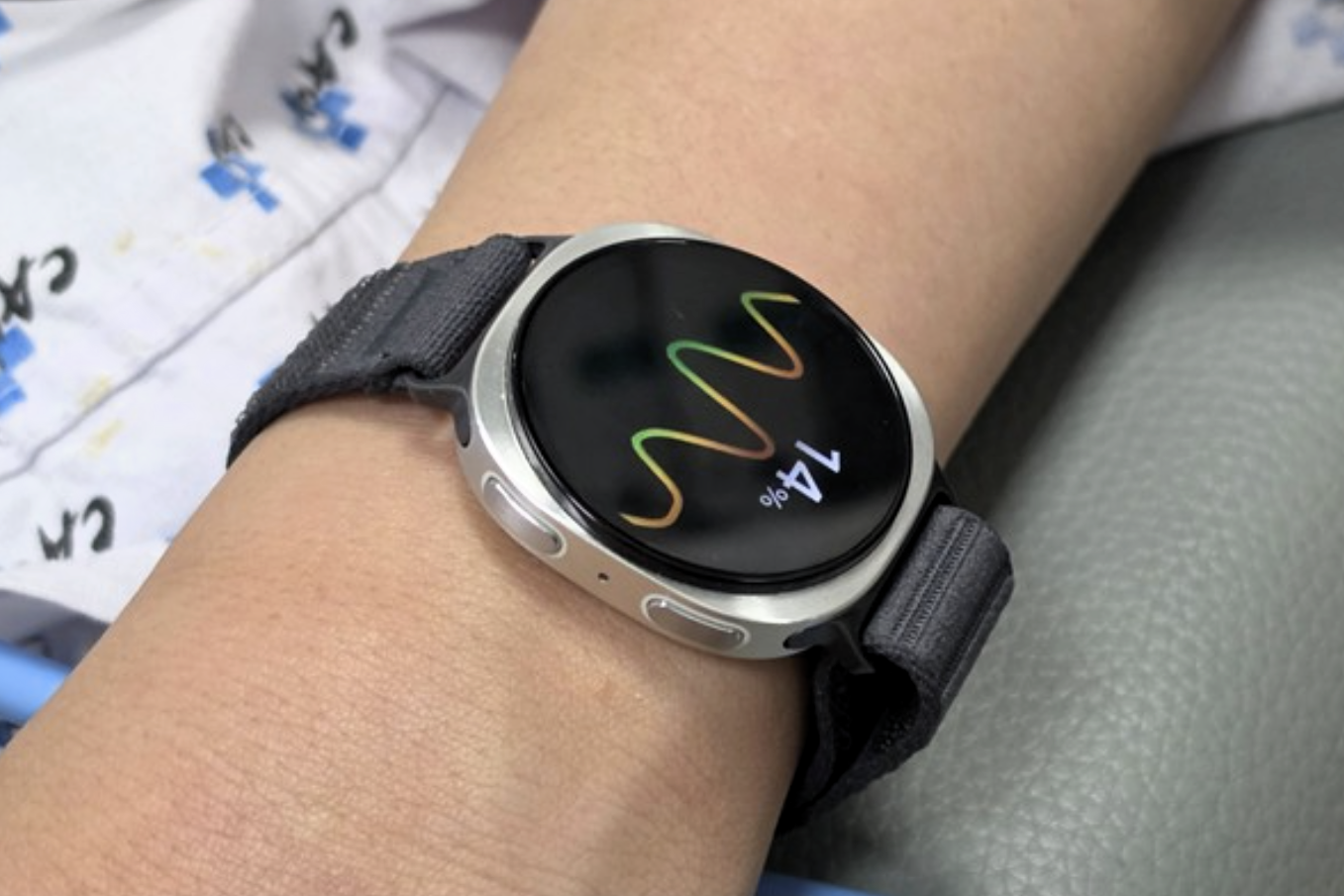
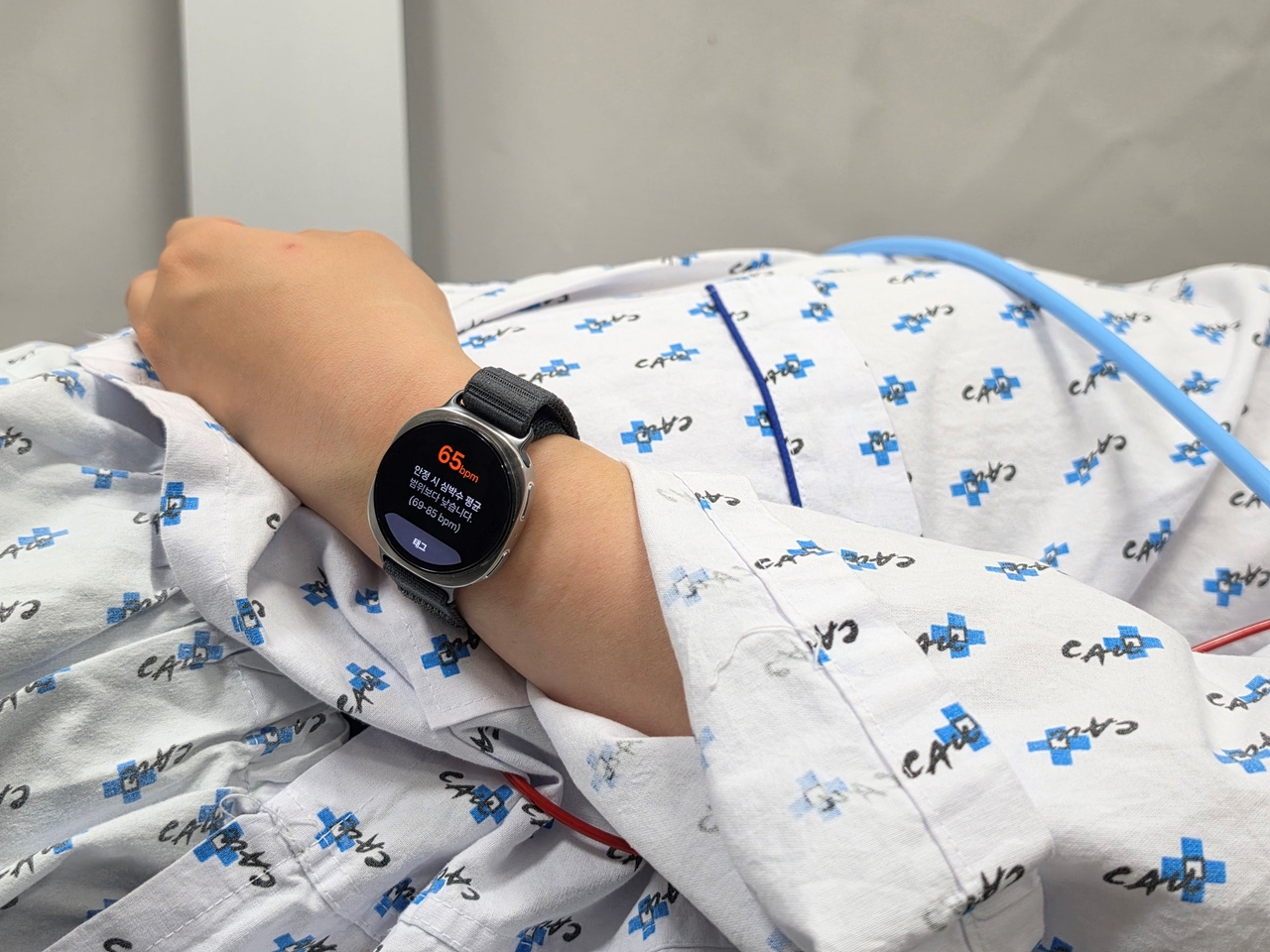
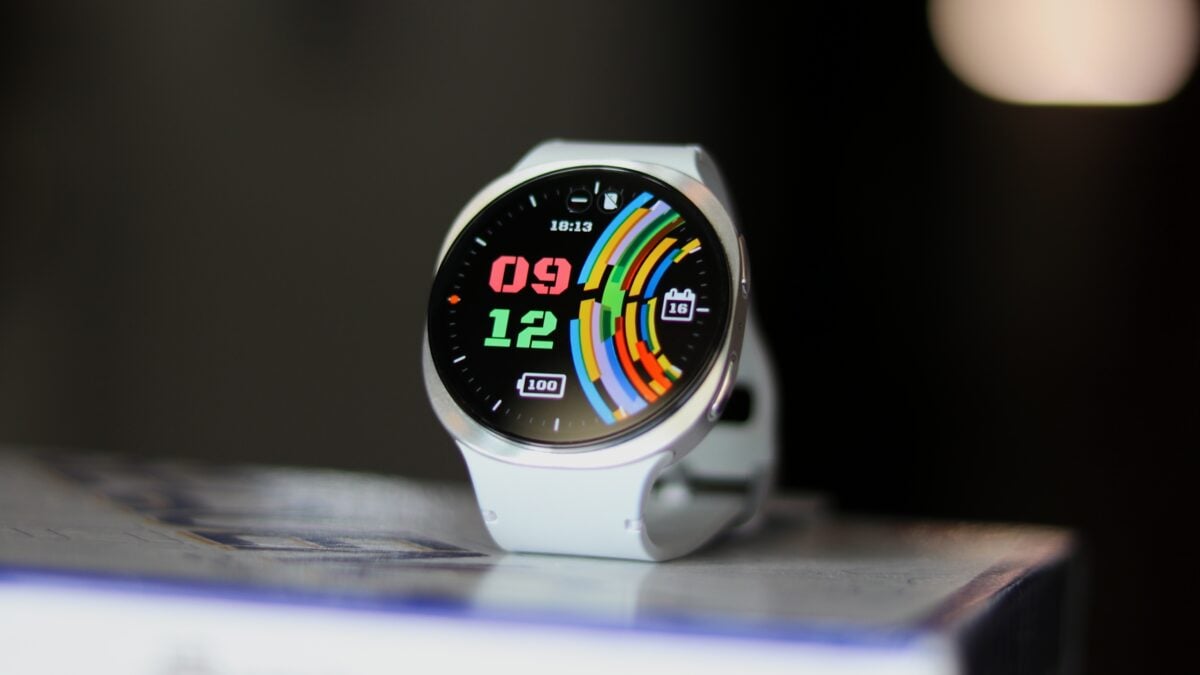
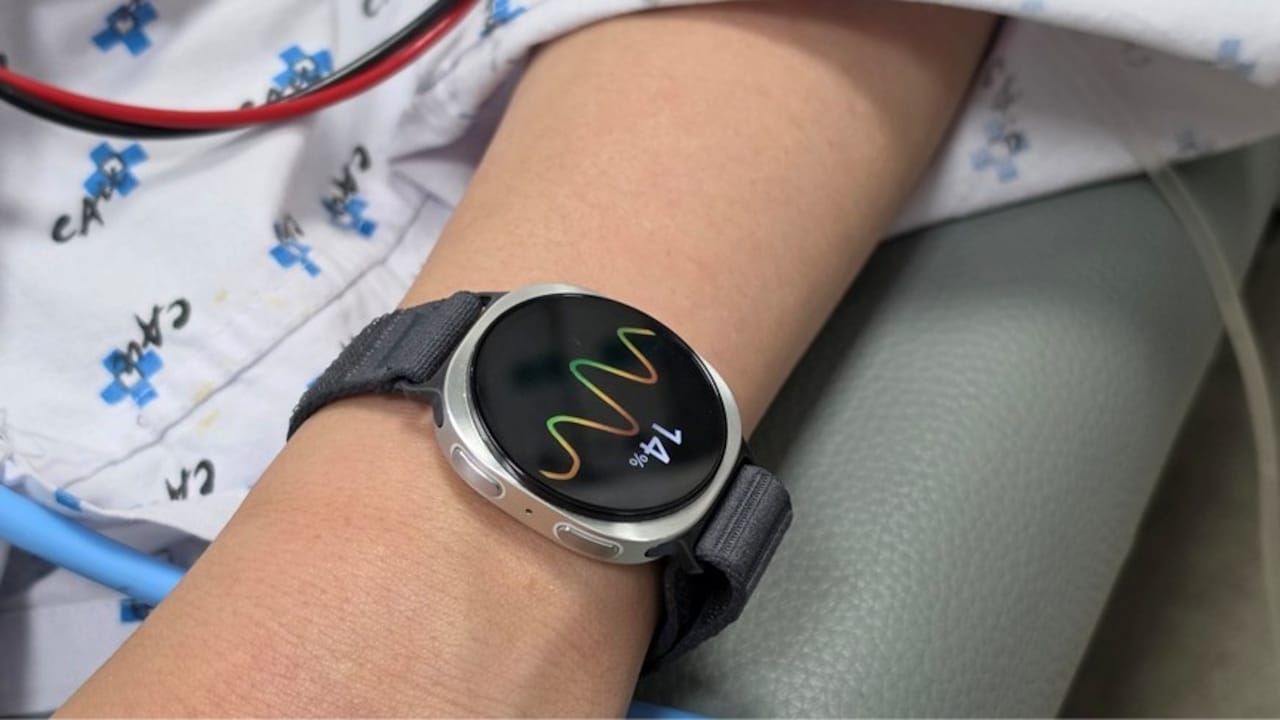
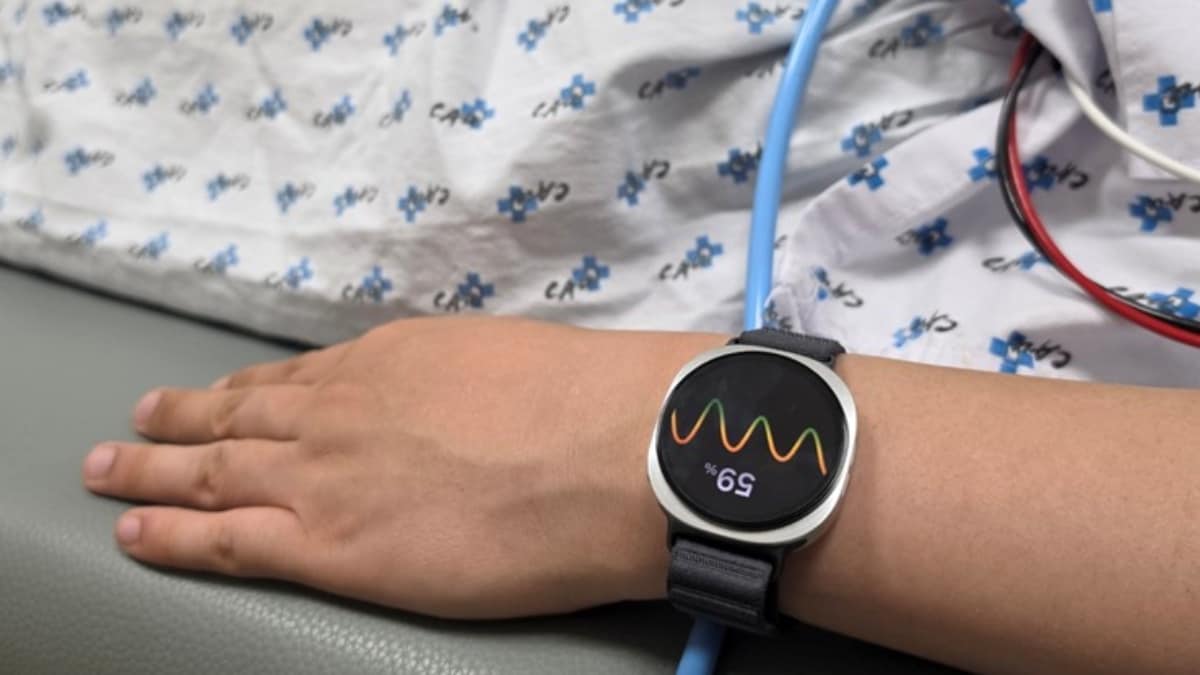
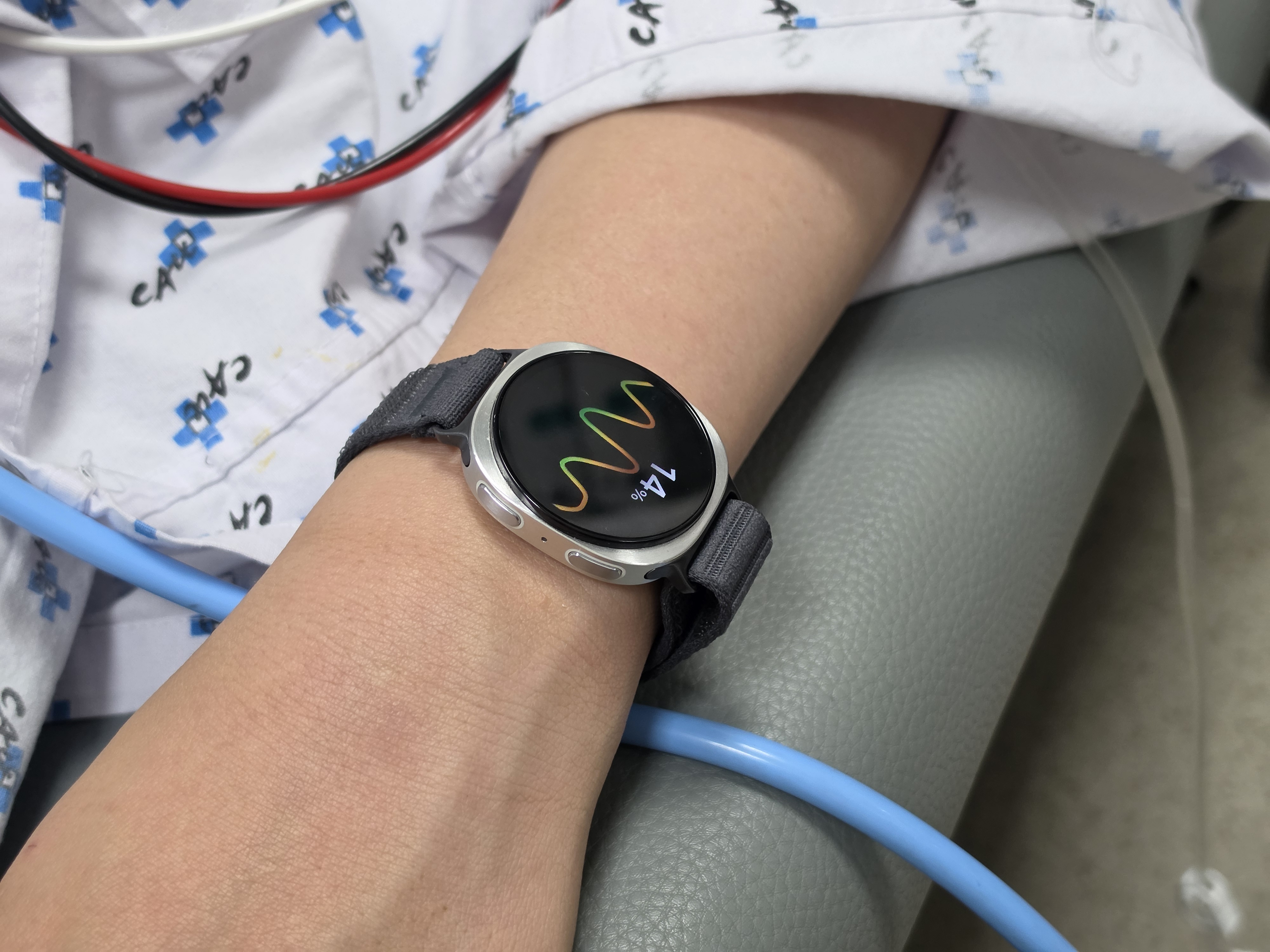
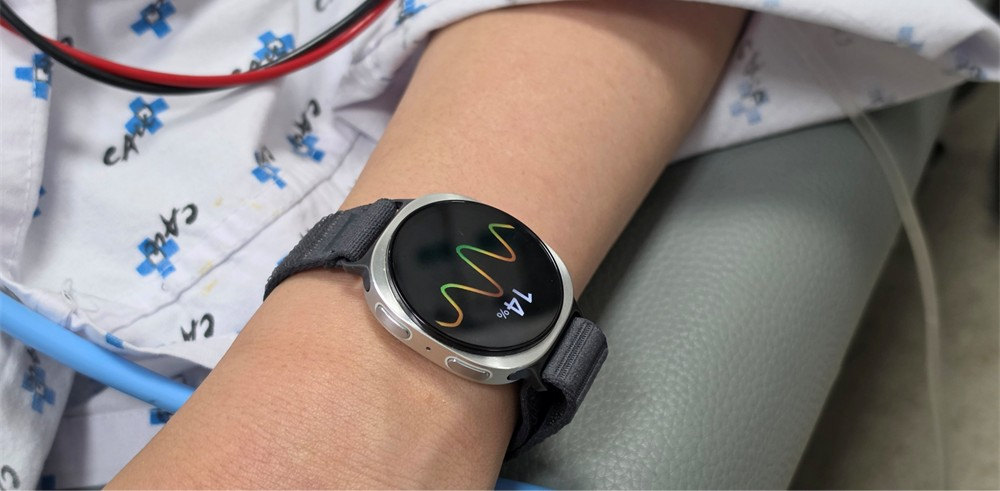
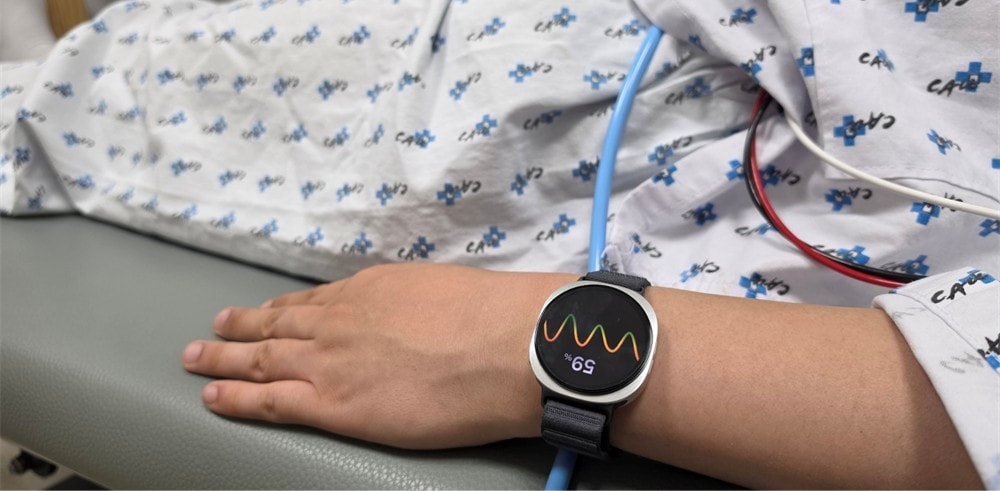
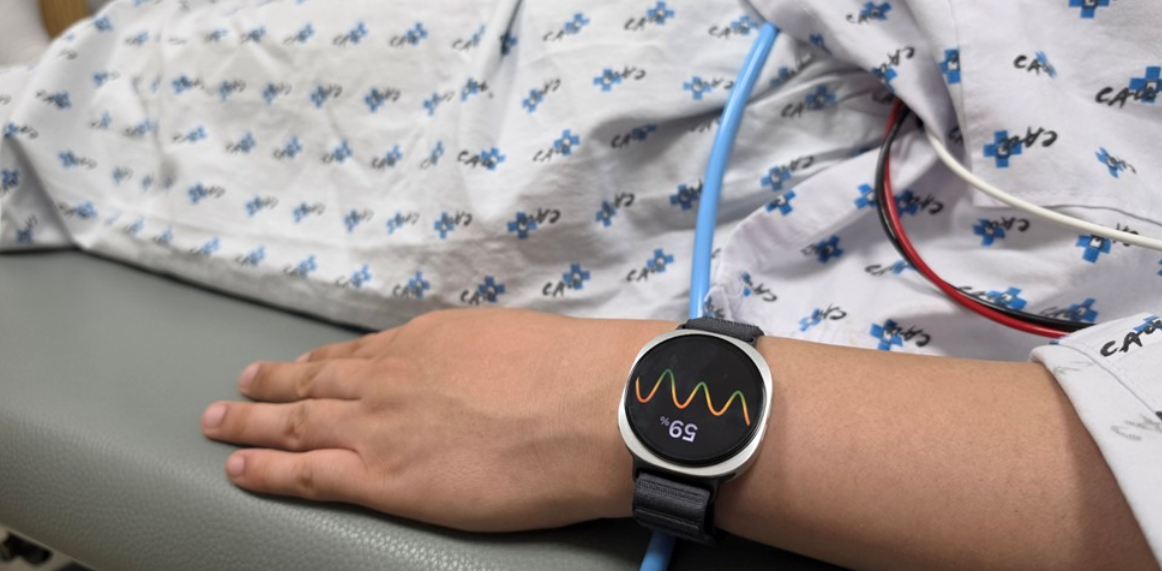
Samsung's breakthrough clinical validation of vasovagal syncope prediction on the Galaxy Watch6 represents a watershed moment for AI-powered health wearables as a premium e-commerce category. The company achieved 84.6% accuracy in predicting fainting episodes 5 minutes in advance using proprietary AI algorithms analyzing photoplethysmography (PPG) sensor data and heart rate variability (HRV) patterns from 132 clinical study participants. This peer-reviewed validation in the European Heart Journal-Digital Health establishes scientific credibility that fundamentally shifts consumer perception of smartwatches from fitness trackers to clinical-grade medical devices.
For cross-border e-commerce sellers, this announcement unlocks three immediate market opportunities. First, the clinical validation creates a premium pricing tier for health-focused wearables. Sellers specializing in smartwatch accessories, protective cases, and compatible health monitoring devices can now market products as "clinical-grade compatible" or "medical-validated ecosystem," justifying 15-25% price premiums over standard consumer electronics. The 40% lifetime prevalence of vasovagal syncope means approximately 1.2 billion adults globally represent potential customers—particularly aging populations (55+) and health-conscious demographics willing to pay premium prices for preventive health technology.
Second, Samsung's expansion of partnerships with major medical institutions signals regulatory acceptance of AI-powered health features in consumer devices. This creates opportunities for sellers to develop complementary products: medical-grade protective equipment, fall-prevention accessories, emergency alert integration devices, and health data management software. The 90% clinical sensitivity achieved in the study demonstrates sufficient accuracy for insurance companies and healthcare providers to potentially subsidize device purchases, creating B2B2C distribution channels that sellers can leverage through marketplace partnerships.
Third, the shift from reactive to preventive healthcare positioning creates content and marketing opportunities. Sellers can now target health-conscious consumers with data-driven messaging emphasizing "clinical validation," "FDA-recognized health features," and "preventive medicine integration." Amazon, eBay, and Shopify sellers in the wearables category should immediately update product listings to highlight clinical backing, incorporate health-related keywords (vasovagal syncope, heart rate variability, preventive health monitoring), and create educational content around the 40% population prevalence statistic to drive organic search visibility.
The competitive advantage window is 6-12 months. Samsung plans to expand health monitoring capabilities across its wearable portfolio and deepen collaborations with medical institutions, signaling imminent feature rollouts to Galaxy Watch7/8 models. Sellers who establish market position in clinical-grade wearable accessories, health data integration tools, and complementary health monitoring devices before competitors recognize this trend will capture first-mover advantage. The regulatory acceptance demonstrated by this peer-reviewed publication also suggests FDA clearance pathways for third-party health monitoring apps and devices are accelerating, creating opportunities for sellers to develop proprietary health tech solutions with reduced regulatory friction.
Questions 7
How does Samsung's syncope prediction breakthrough create e-commerce opportunities for sellers?
Samsung's 84.6% accuracy clinical validation transforms smartwatches from consumer gadgets to medical-grade devices, enabling sellers to command 15-25% premium pricing on compatible accessories and health monitoring products. The peer-reviewed publication in European Heart Journal-Digital Health provides marketing credibility for sellers to position products as 'clinically validated' or 'medical-grade compatible.' With 40% of the global population experiencing vasovagal syncope over their lifetime, this represents a 1.2 billion-person addressable market. Sellers should immediately update Amazon, eBay, and Shopify listings to incorporate health-related keywords and clinical validation messaging to capture organic search traffic from health-conscious consumers.
How should sellers adjust pricing strategy for health-focused wearables post-announcement?
Clinical validation justifies moving from commodity pricing to premium positioning. Sellers should implement tiered pricing: (1) Standard accessories at baseline prices, (2) 'Clinically Compatible' line at +15-20% premium, (3) 'Medical-Grade' certified products at +25-35% premium. The study's 84.6% accuracy and 90% sensitivity metrics provide quantifiable justification for price increases in product listings. Aging populations (55+) and health-conscious demographics show 40-50% higher willingness-to-pay for clinically validated products. Sellers should A/B test pricing tiers on Amazon and Shopify to identify optimal price points; historical wearables category data suggests premium positioning increases conversion rates 8-12% despite higher price points.