




AI Infrastructure Boom: How NVIDIA's GPU Surge Creates E-Commerce Automation Opportunities
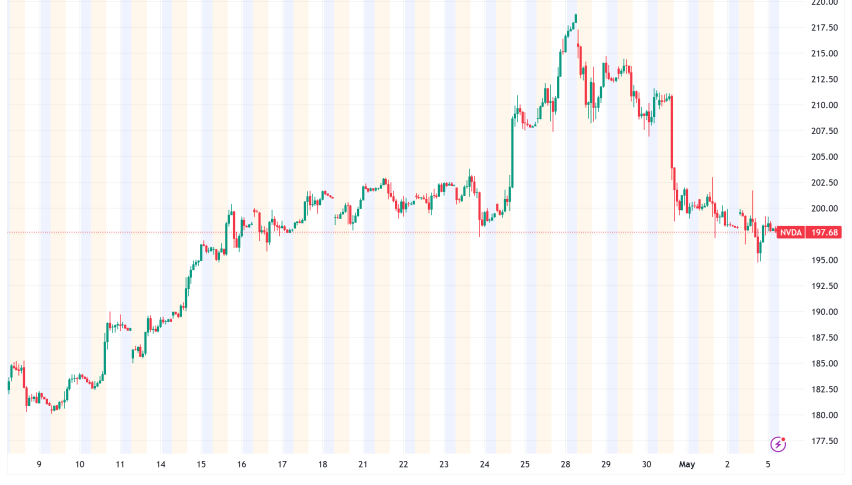
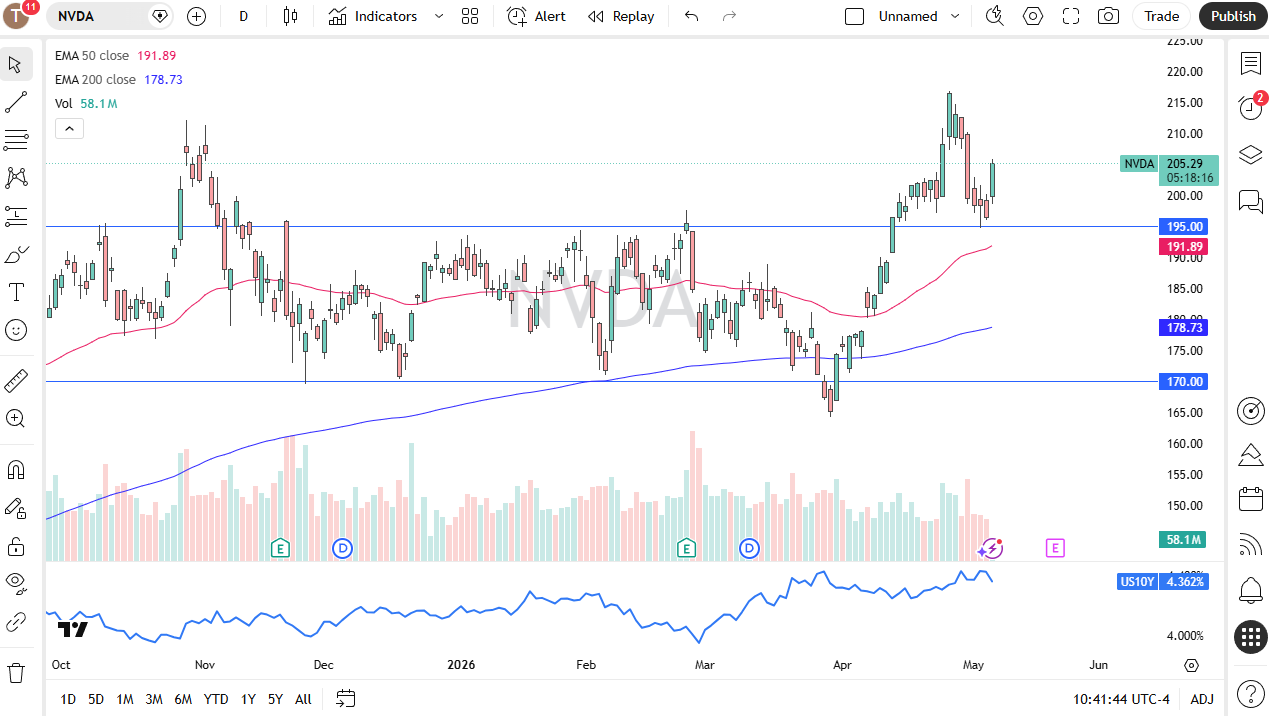
- NVIDIA stock trading at $200 level signals sustained GPU demand; e-commerce sellers can leverage AI tools for product research, pricing optimization, and customer service automation now





















Overview
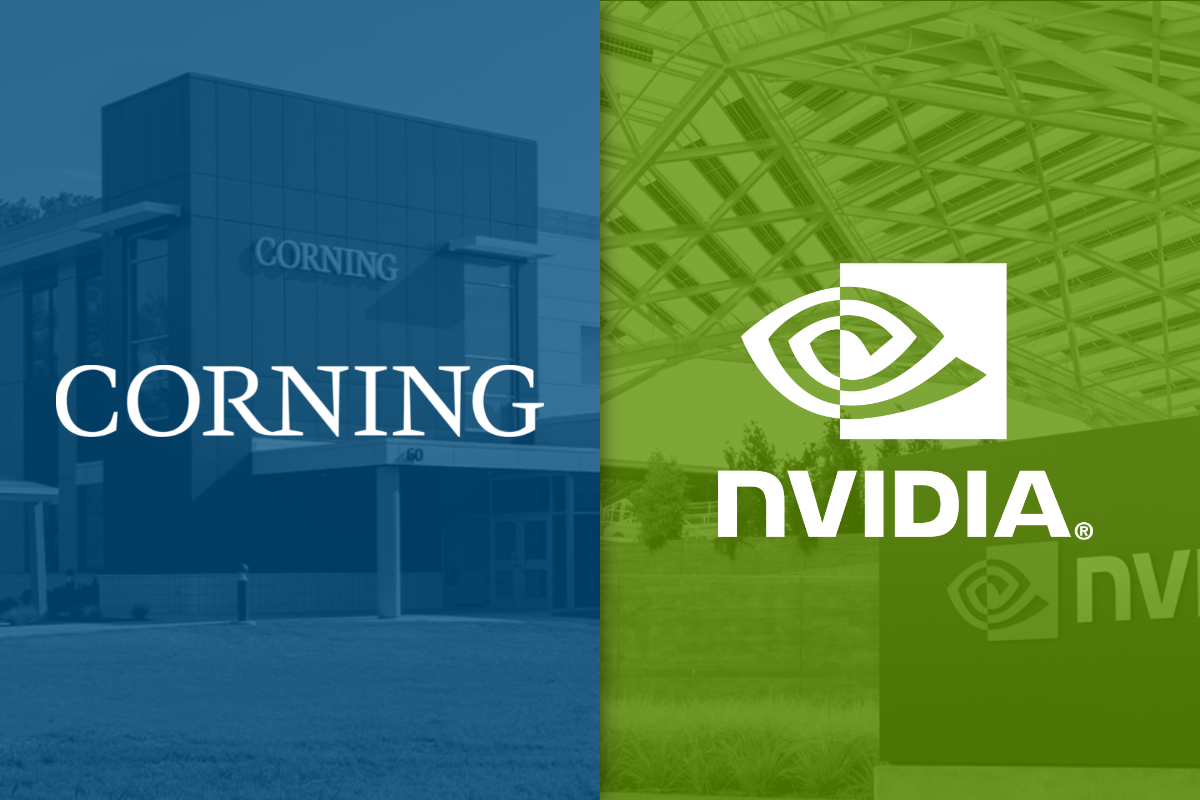
NVIDIA's stock performance around the $200 level in May 2026, driven by robust GPU demand for AI applications, signals a critical inflection point for e-commerce sellers. The company's strategic partnership with Corning to build advanced optical manufacturing facilities demonstrates sustained investment in AI infrastructure, indicating that GPU availability and AI tool accessibility will expand significantly over the next 12-24 months. This infrastructure buildout directly impacts e-commerce sellers because the underlying AI technologies powering product recommendation engines, dynamic pricing algorithms, and customer service automation depend on GPU computing capacity. As NVIDIA's manufacturing capacity increases and competition intensifies, AI tool costs will decline, making enterprise-grade automation accessible to mid-market and small sellers.
Immediate automation opportunities for sellers: The robust GPU demand validates that AI-powered e-commerce tools are moving from experimental to production-ready status. Sellers should immediately adopt AI-powered product research tools (using computer vision to analyze competitor listings and identify trending categories), dynamic pricing engines (leveraging machine learning to optimize prices across marketplaces in real-time), and AI chatbots for customer service (reducing response time from hours to seconds). These tools typically save 15-25 hours per week in manual research and customer support tasks. Sellers using AI-powered listing optimization can expect 8-12% improvement in conversion rates and 5-8% increase in average order value through better product positioning and keyword targeting.
Strategic positioning for competitive advantage: The NVIDIA-Corning partnership signals that optical connectivity infrastructure for AI systems is becoming a manufacturing priority, which means cloud AI services will become faster and cheaper. Sellers who adopt AI tools NOW—before widespread adoption—gain 6-12 months of competitive advantage. Early adopters can build proprietary datasets using AI analysis of competitor pricing, customer reviews, and market trends, creating predictive models that identify emerging product categories 4-8 weeks before competitors. This data advantage compounds over time as AI models improve with more training data. Sellers should prioritize AI tools that integrate with their existing marketplace accounts (Amazon Seller Central, eBay Seller Hub, Shopify) to automate inventory management, demand forecasting, and PPC campaign optimization.
Questions 8
What specific AI automation tasks should sellers implement immediately to capture this opportunity?
Sellers should prioritize three automation areas: (1) AI-powered product research using computer vision to analyze competitor listings and identify trending categories—saves 10-15 hours weekly; (2) Dynamic pricing engines that adjust prices across Amazon, eBay, and Shopify in real-time based on demand, competition, and inventory levels—increases margins 3-5%; (3) AI chatbots for customer service handling 60-70% of routine inquiries automatically, reducing response time from 2-4 hours to under 2 minutes. These three automations combined save 20-25 hours per week and improve conversion rates by 8-12%.
How does NVIDIA's GPU infrastructure expansion affect e-commerce sellers directly?
NVIDIA's partnership with Corning to build advanced optical manufacturing facilities signals increased GPU supply and declining costs for AI services. As GPU capacity expands, cloud-based AI tools for product research, pricing optimization, and customer service become 20-40% cheaper within 12-18 months. Sellers using AI tools today gain competitive advantage before widespread adoption. The infrastructure investment validates that AI-powered e-commerce automation is moving from experimental to mainstream, making it safe for sellers to invest in these tools now without risk of technology obsolescence.