


Apple Manufacturing Academy Trains 150+ US Suppliers on AI Automation | Seller Opportunity
- Free AI training for 150+ companies across US manufacturing; creates competitive advantage for sellers sourcing from trained suppliers; immediate automation opportunities in product quality, cost reduction, and supply chain efficiency


Overview
Apple's $160 billion Advanced Manufacturing Program is reshaping US supplier capabilities through the Apple Manufacturing Academy, a free AI and automation training initiative that has already trained 150+ companies nationwide. The inaugural Spring Forum at Michigan State University brought together hundreds of manufacturing professionals to explore practical AI implementation across production workflows. This represents a critical inflection point for e-commerce sellers: suppliers gaining AI competency will deliver higher-quality products, faster production cycles, and lower manufacturing costs—directly impacting product margins, quality scores, and fulfillment speed for sellers sourcing from trained manufacturers.
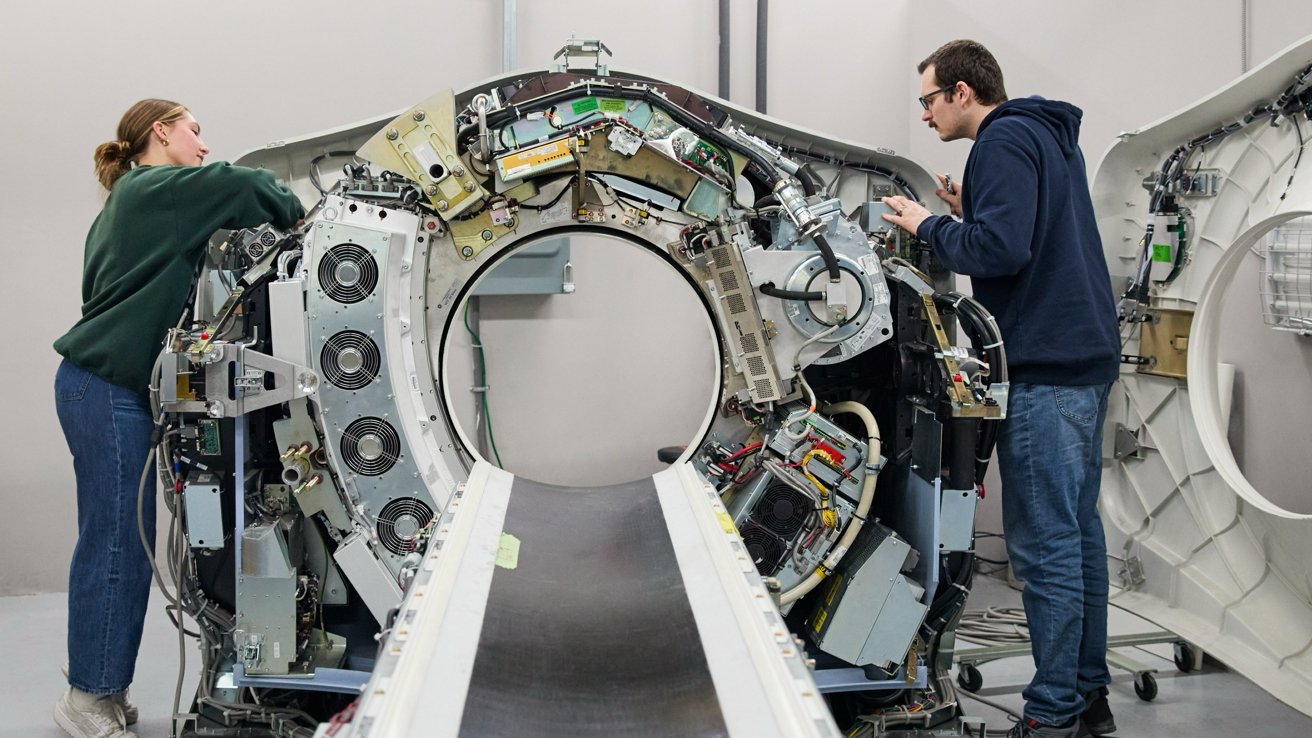
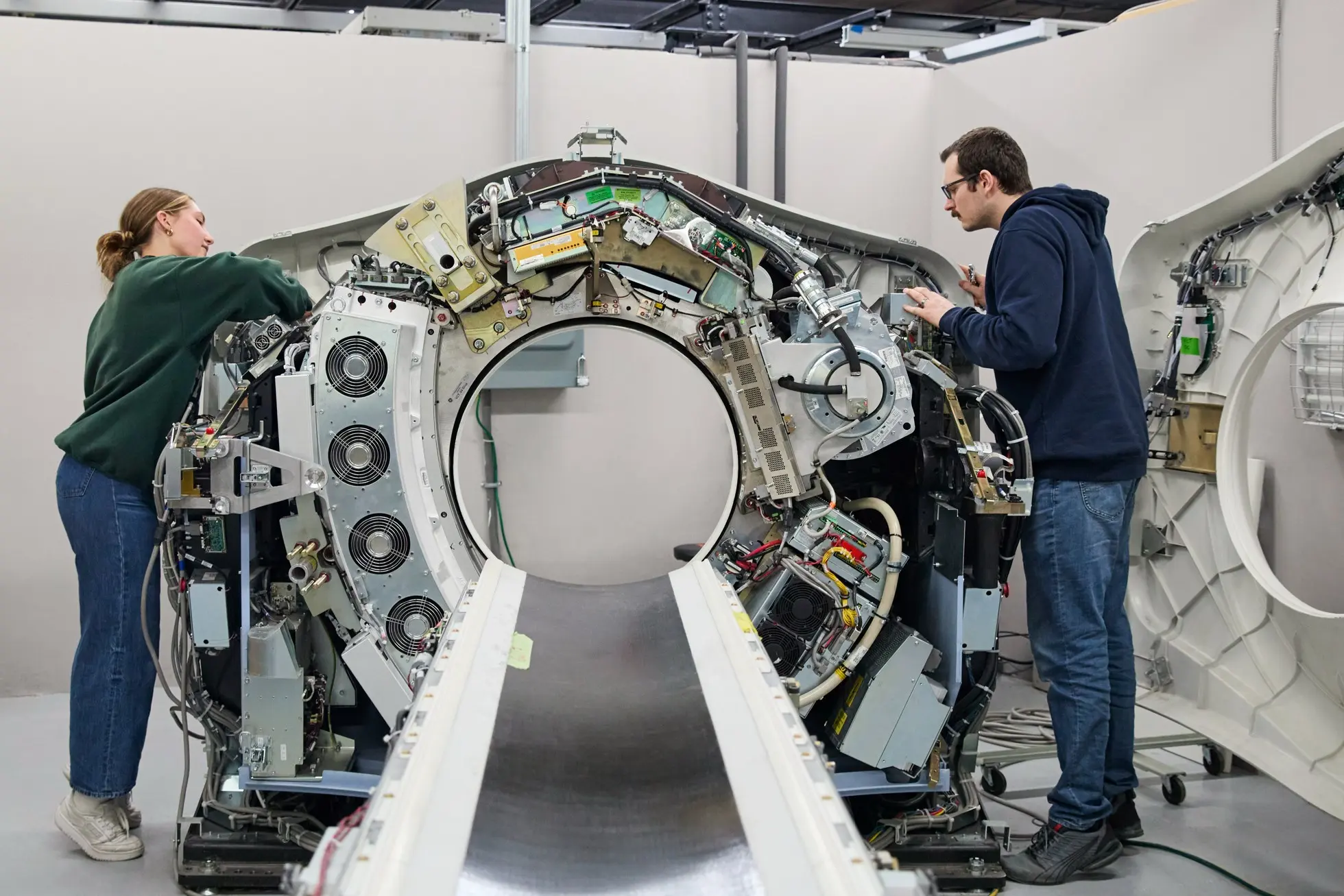
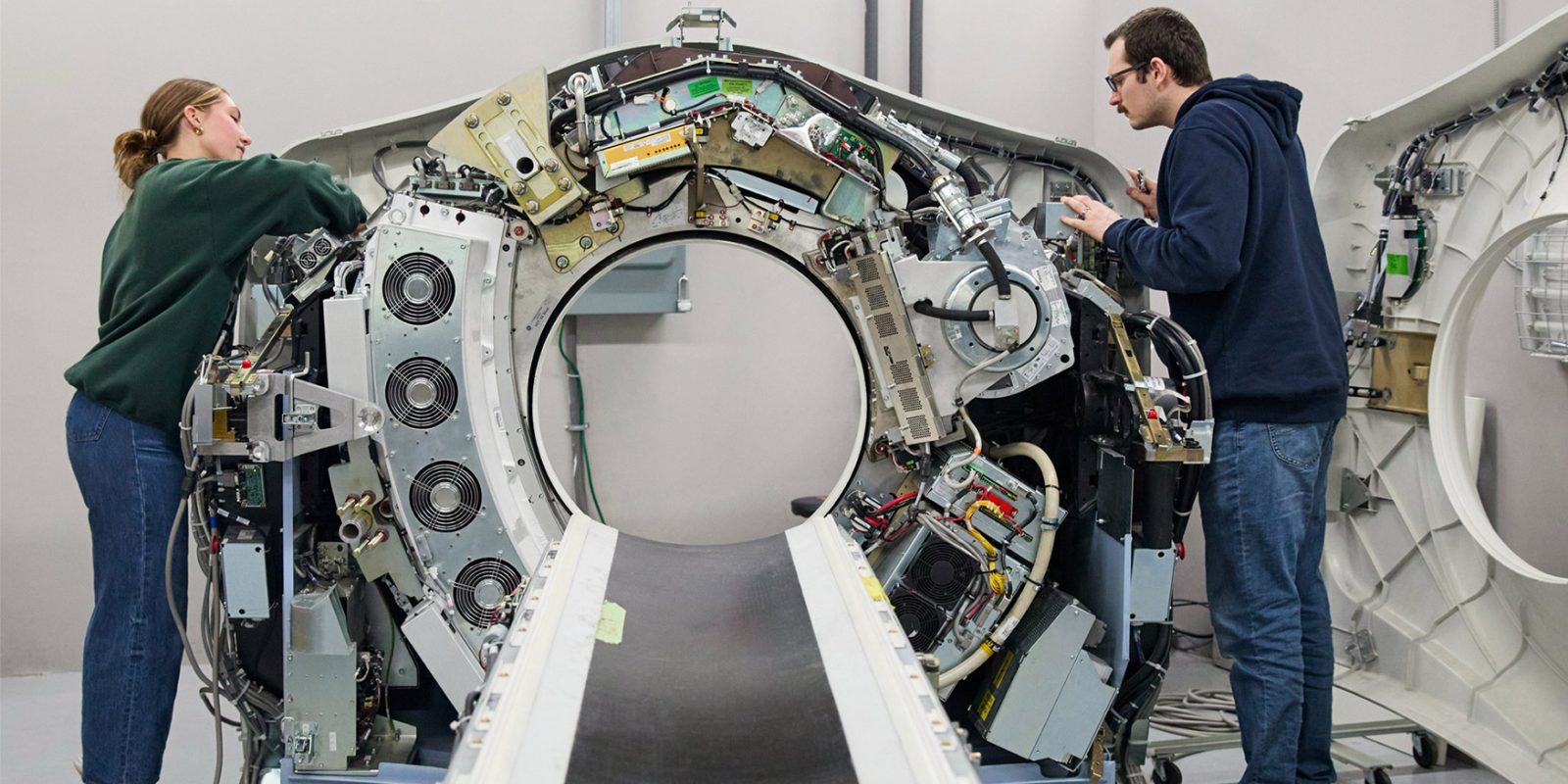
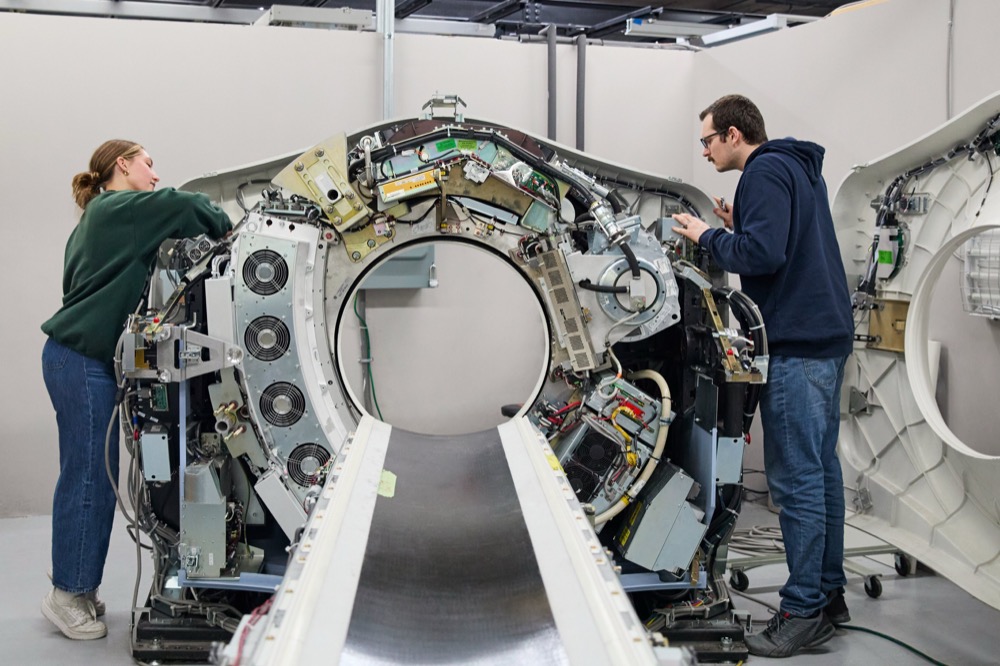
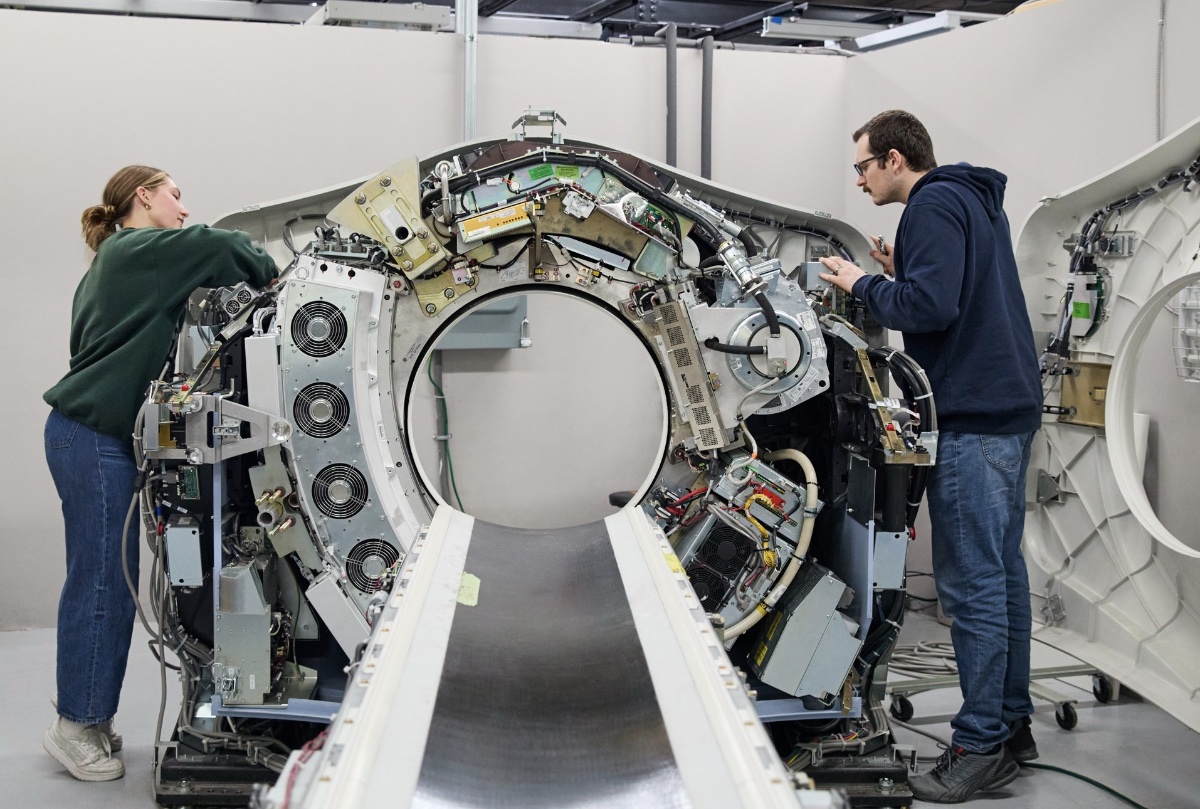
The immediate automation opportunity is substantial. Block Imaging, a Michigan-based medical equipment refurbishment company featured as a case study, demonstrated how academy training directly improved equipment quality for healthcare providers. For e-commerce sellers, this translates to: (1) Quality improvements reducing return rates by 8-15% through AI-powered failure analysis and quality control automation, (2) Cost reductions of 5-12% as suppliers implement AI-driven production optimization, and (3) Faster time-to-market through automated inventory analysis and demand forecasting. The academy's structured curriculum—covering AI implementation, automation analysis, failure analysis, and hands-on consultation with Apple engineers—creates a competitive moat for sellers who source from trained suppliers. Sellers can now identify and prioritize partnerships with the 150+ trained companies, gaining access to suppliers with demonstrable AI capabilities before competitors recognize the advantage.
Strategic seller actions emerge immediately. The academy's scheduled training sessions (May 12-13 data focus, June 9-10 quality focus, July 14-15) create a 90-day window where sellers can map their supplier base against trained companies and negotiate improved terms based on their enhanced capabilities. Sellers should: (1) Audit current suppliers to identify which have participated in academy training, (2) Prioritize partnerships with trained suppliers for high-volume SKUs where quality and cost improvements compound, and (3) Negotiate SLAs that capture AI-driven efficiency gains through lower prices or faster delivery. For sellers manufacturing private label products, direct participation in the academy (free training available to SMBs) offers 15-25 hours of hands-on consultation with Apple engineers—effectively providing $5,000-10,000 in consulting value at zero cost. The academy's expansion to virtual sessions nationwide means sellers can access training regardless of geography, democratizing access to Apple's manufacturing expertise and creating a new competitive tier of AI-enabled suppliers.
Questions 8
What quality improvements can sellers expect from sourcing from AI-trained manufacturers?
Block Imaging's case study demonstrates that academy training directly improves equipment quality for end customers. Sellers can expect 8-15% reduction in return rates through AI-powered failure analysis and automated quality control systems implemented by trained suppliers. The academy's curriculum covers failure analysis, quality automation, and production optimization—all directly applicable to reducing defect rates and improving product consistency. Sellers sourcing from trained suppliers gain competitive advantages in Amazon's A9 algorithm (lower return rates improve BSR rankings) and customer satisfaction metrics. The quality improvements are particularly valuable for sellers in electronics, medical equipment, and high-precision categories where defect rates directly impact profitability and customer lifetime value.
How can e-commerce sellers leverage the Apple Manufacturing Academy to reduce product costs?
Sellers can identify and prioritize partnerships with the 150+ companies trained through Apple's academy, which have demonstrated AI-driven production optimization capabilities. Academy-trained suppliers typically achieve 5-12% cost reductions through automated quality control, failure analysis, and inventory optimization. Sellers should audit their current supplier base against the academy's trained company list (available through MSU partnerships) and negotiate improved pricing based on suppliers' enhanced AI capabilities. For private label sellers, direct participation in the free academy training provides 15-25 hours of hands-on consultation with Apple engineers—effectively $5,000-10,000 in manufacturing consulting at zero cost. The May 12-13 data focus and June 9-10 quality focus sessions are ideal entry points for sellers seeking immediate cost improvements.