
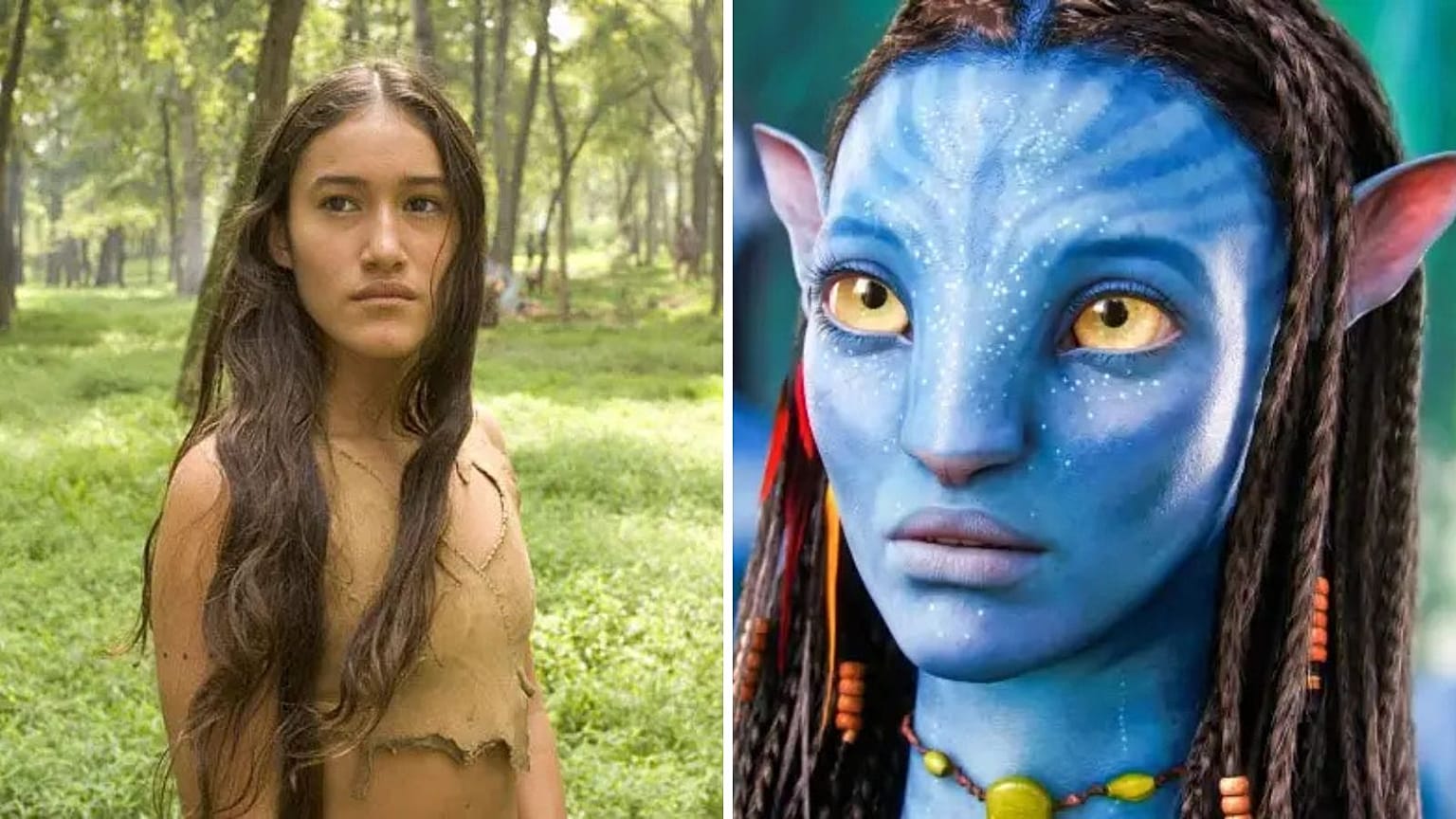



Digital Likeness Rights Enforcement | Avatar Case Sets Precedent for Sellers Using AI Character Design
- California court case establishes strict consent requirements for biometric data extraction; impacts merchandise, digital products, and AI-generated content sellers across entertainment, gaming, and e-commerce platforms
)





.jpg)











Overview
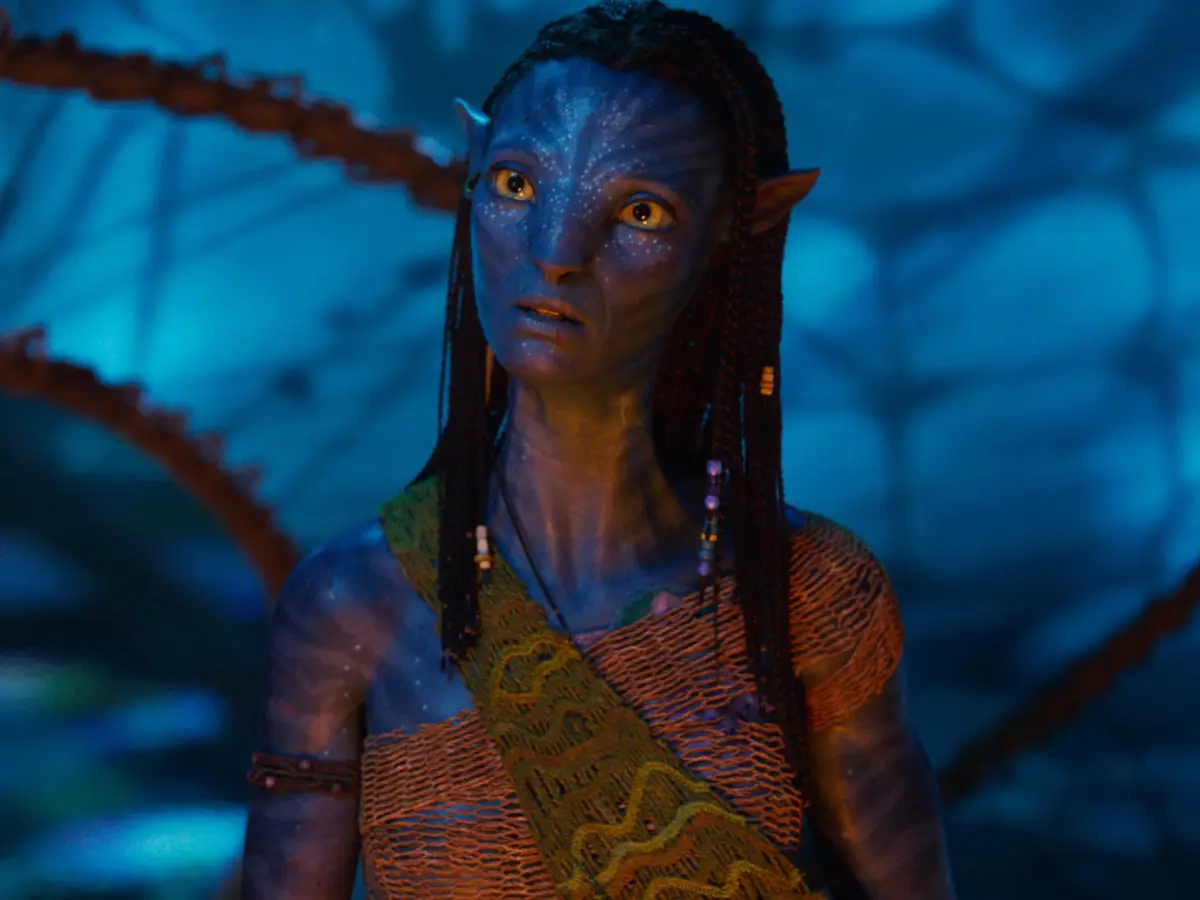
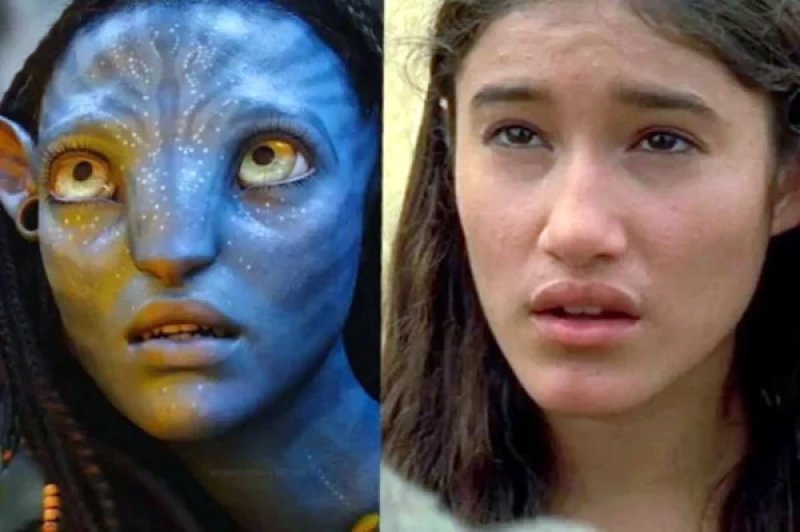
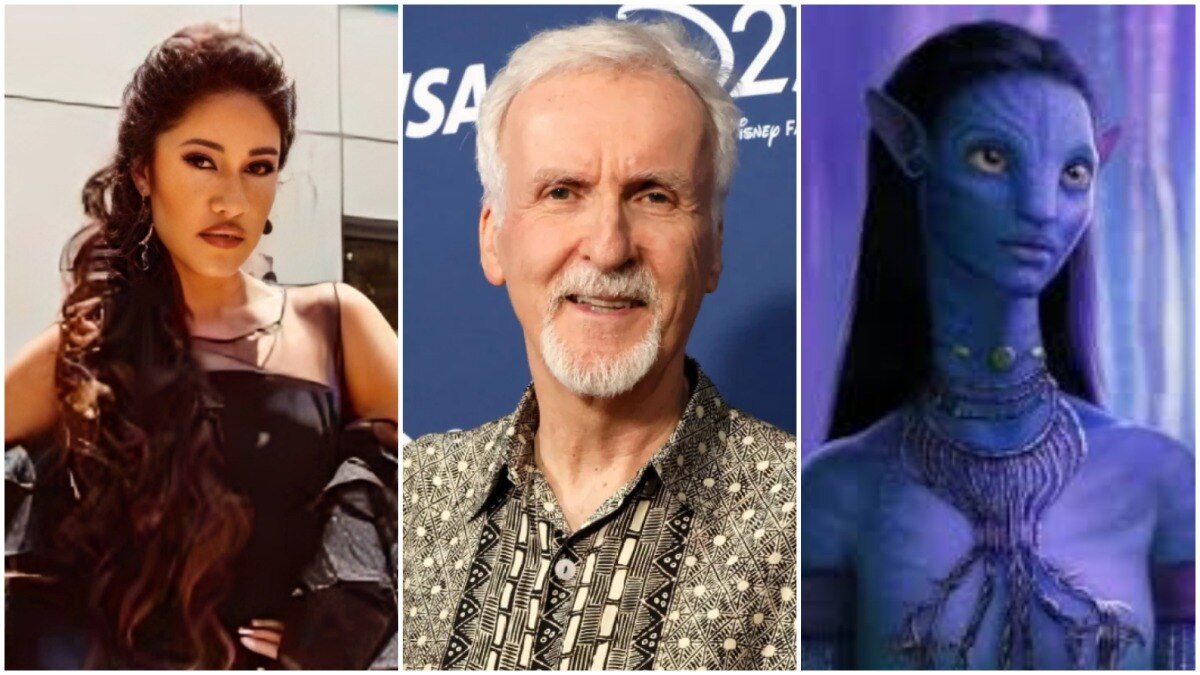
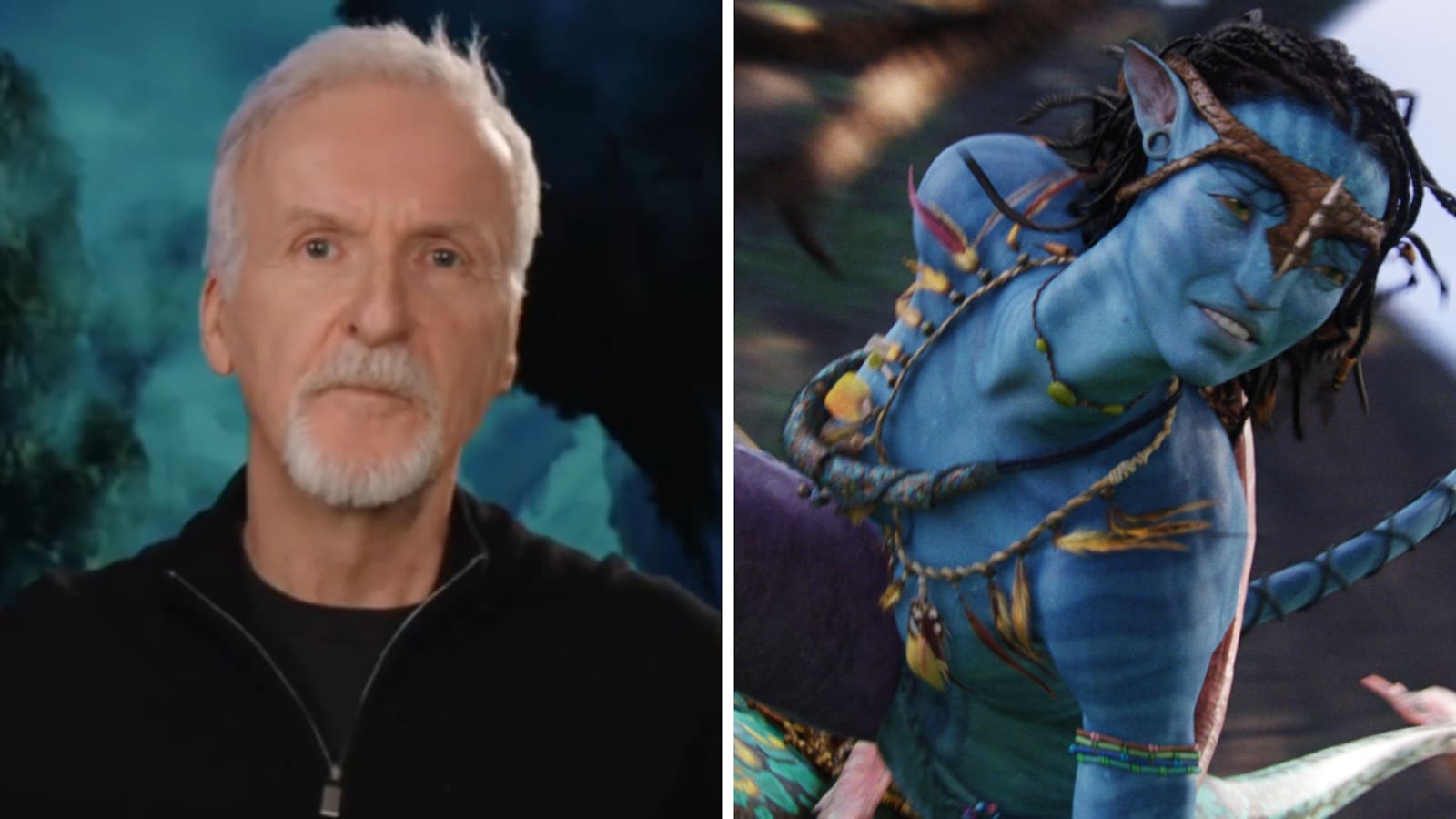
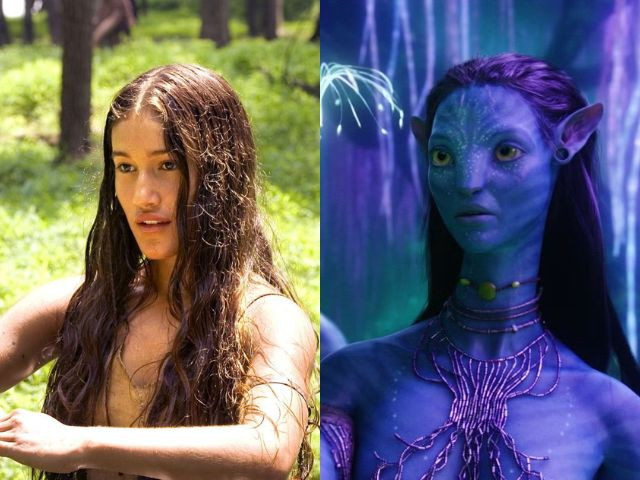
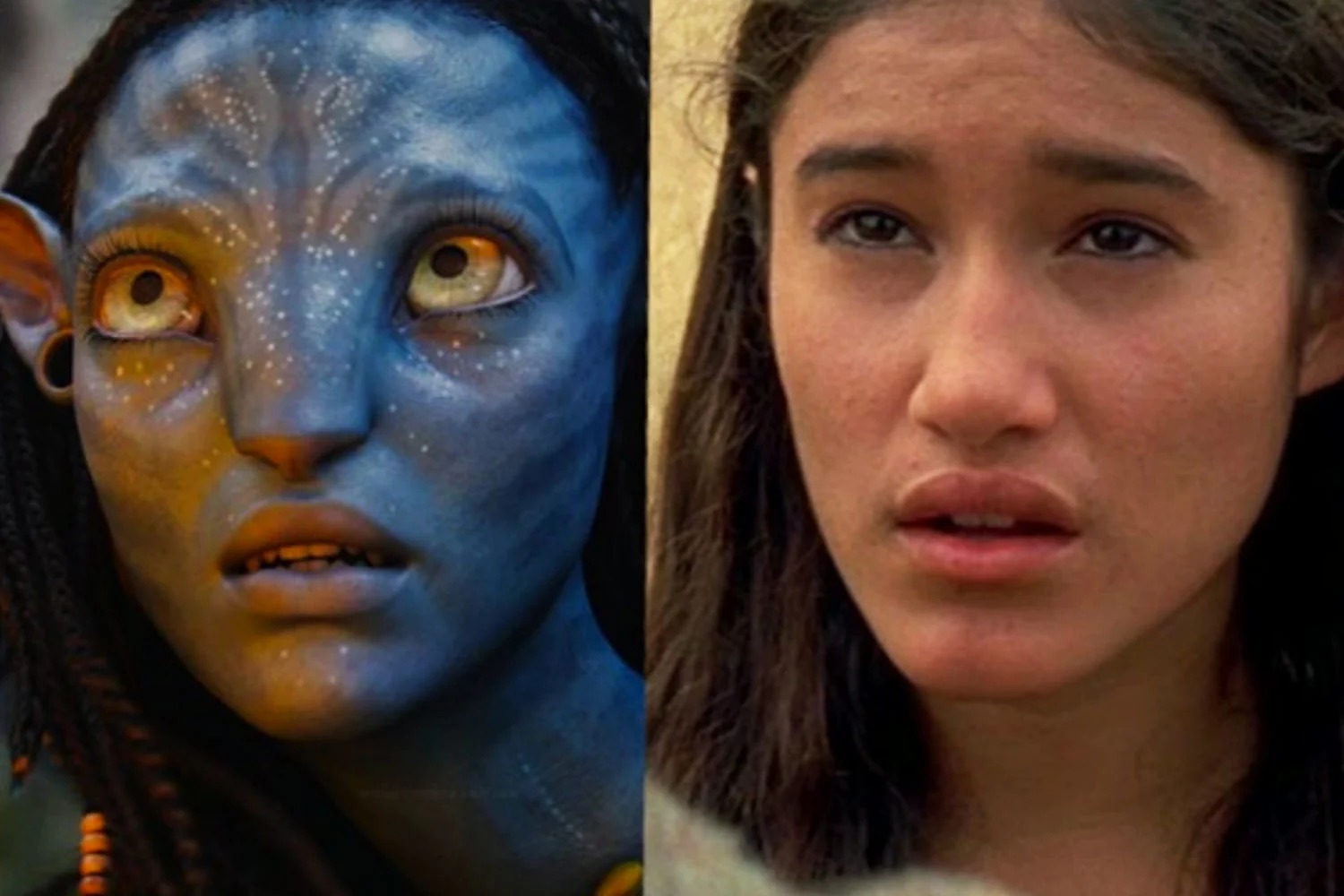
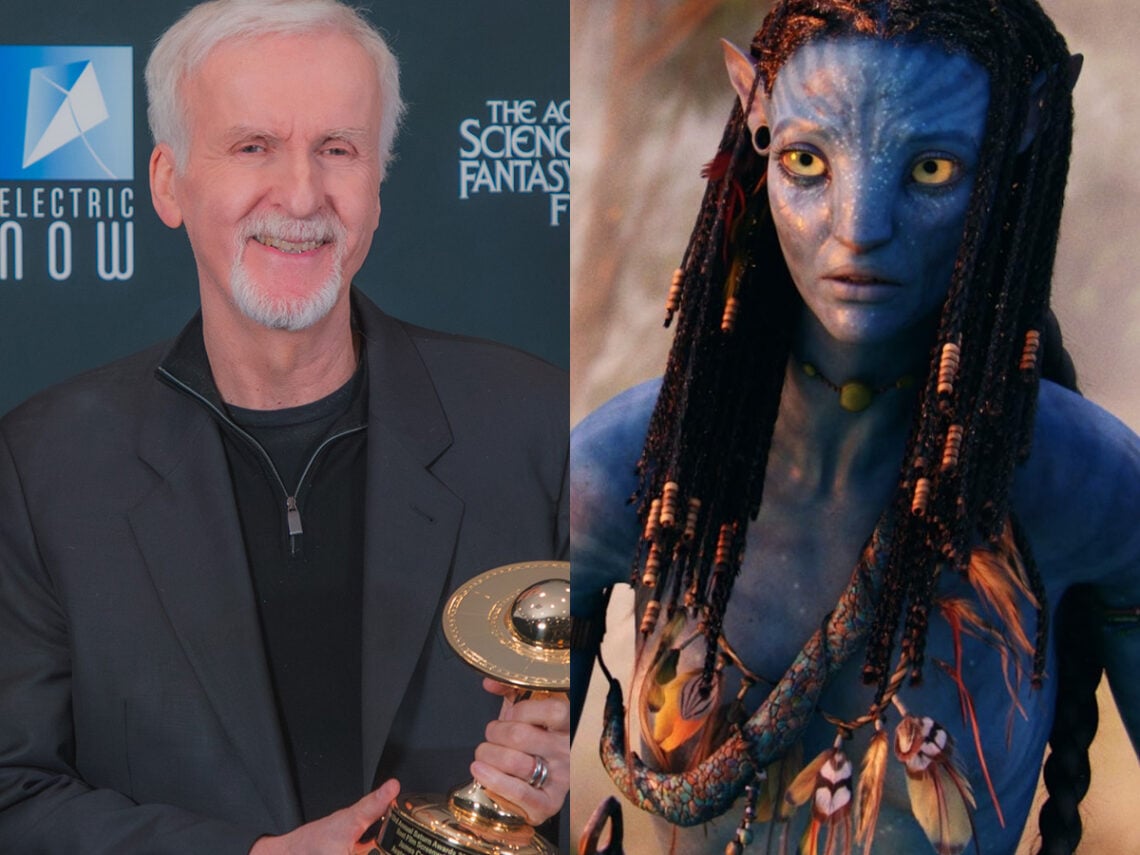
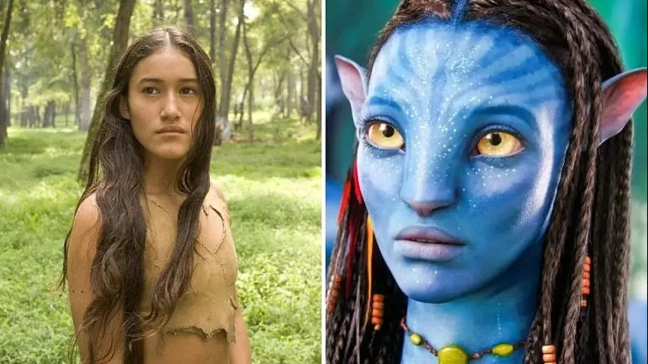
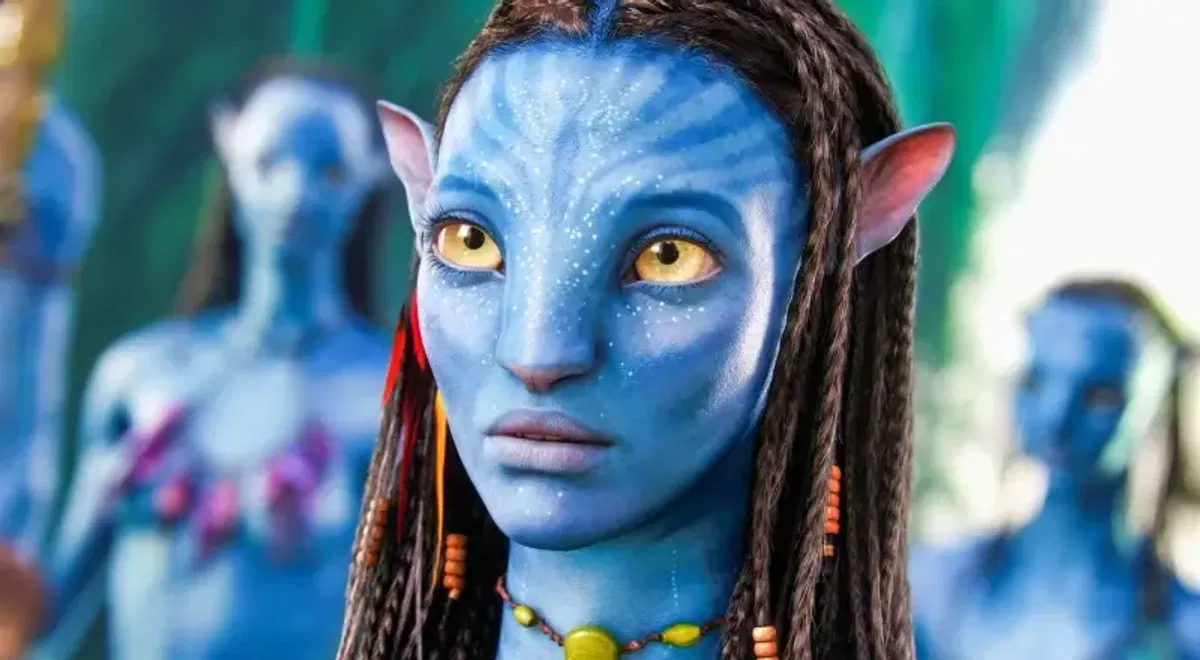
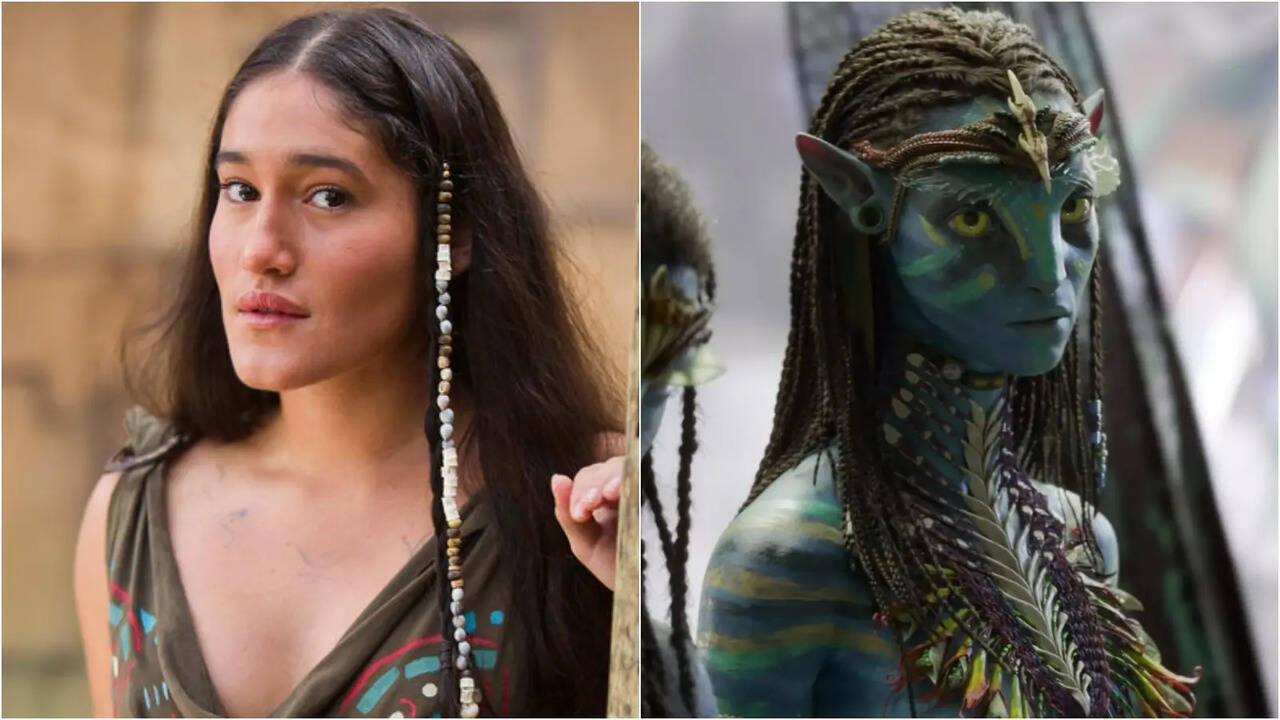
The Qorianka Kilcher v. James Cameron lawsuit filed in U.S. District Court for the Central District of California represents a watershed moment for digital likeness rights and intellectual property compliance in commercial content creation. Kilcher alleges Cameron extracted her facial biometric data from a 2005 photograph without consent to design Neytiri in Avatar—a franchise that generated $2.92 billion in box office revenue alone, with additional billions from merchandise, licensing, and digital distribution. This case directly impacts e-commerce sellers in three critical ways: (1) Merchandise and Licensed Products: Avatar merchandise sales exceeded $1.2 billion globally; the lawsuit establishes that sellers distributing character merchandise must verify that underlying character designs comply with strict consent requirements. Sellers on Amazon, eBay, Shopify, and Etsy offering Avatar collectibles, apparel, and digital products now face potential liability if character designs lack documented likeness rights. (2) AI-Generated Character Design Tools: The case invokes California's recently enacted deepfake pornography statute and establishes precedent that biometric extraction—even from public photographs—requires explicit written consent. Sellers using AI tools (Midjourney, Stable Diffusion, Adobe Firefly) to generate character designs must now implement consent verification workflows. The lawsuit demonstrates that "inspiration" claims provide no legal protection; Cameron's public acknowledgment that he used Kilcher's "lower face" as reference actually strengthened the plaintiff's case. (3) Digital Content and Gaming: The complaint specifically references an explicit sexual scene featuring the character, establishing that likeness rights extend to all contexts of use, including adult content. Game developers, VFX studios, and digital content creators selling on platforms like Gumroad, Patreon, and Steam must now obtain documented consent before incorporating real individuals' biometric features into digital characters. The lawsuit seeks disgorgement of all Avatar profits attributable to Kilcher's likeness—potentially $500M+ in damages—plus injunctive relief requiring removal of the character from distribution. This establishes a precedent that non-compliant sellers face not just cease-and-desist orders but retroactive profit recovery claims. For sellers, the immediate compliance requirement is implementing documented consent protocols: written agreements specifying (a) which biometric features are being used, (b) all contexts of use (merchandise, digital, adult content), (c) geographic territories, and (d) duration. The case also highlights enforcement risk: Kilcher discovered the unauthorized use through a social media video where Cameron explicitly identified her as the source—demonstrating that public statements about character inspiration can trigger liability. Sellers must audit existing product listings, character designs, and licensing agreements for undocumented likeness usage. The California precedent will likely influence federal legislation and international IP frameworks, particularly regarding AI-generated content and biometric data protection. Sellers operating in EU markets should note that GDPR's biometric data provisions already impose strict consent requirements; this case signals US law is converging toward similar standards. The enforcement timeline is accelerating: Kilcher's legal team identified the violation through social media monitoring, suggesting that IP enforcement agencies and plaintiff attorneys are increasingly using digital surveillance to identify unauthorized likeness usage. Sellers should expect similar scrutiny of character designs, AI-generated content, and merchandise featuring real individuals' likenesses.
Questions 8
What is the financial exposure for sellers with non-compliant character designs?
The Avatar case seeks disgorgement of all profits attributable to Kilcher's likeness—potentially $500M+ in damages from a single franchise. For e-commerce sellers, this establishes precedent that non-compliance can result in retroactive profit recovery claims, not just cease-and-desist orders. A seller with $100K in annual Avatar merchandise revenue could face $500K-$1M in total damages including punitive awards. The lawsuit also invokes California's deepfake pornography statute, establishing additional statutory damages for character designs used in adult content. Sellers should immediately calculate exposure from existing product sales and consider settling potential claims before enforcement actions escalate.
How does California's deepfake statute impact sellers of digital content and gaming products?
The lawsuit specifically references California's recently enacted deepfake pornography statute, establishing that likeness rights extend to all contexts of use, including adult content. Game developers, VFX studios, and digital content creators selling on platforms like Gumroad, Patreon, and Steam must now obtain documented consent before incorporating real individuals' biometric features into digital characters—even if the character appears in non-explicit contexts. The statute creates statutory damages liability separate from traditional IP claims, potentially doubling exposure. Sellers should review all character designs, digital avatars, and gaming content for undocumented likeness usage and implement consent verification before product launch.