


Billion-Dollar Dreams Unveiling the Massive Consumer Spending Potential in US Lottery Markets
- Exploring the Psychological and Economic Dynamics of Mega Jackpot Entertainment Ecosystems










Overview
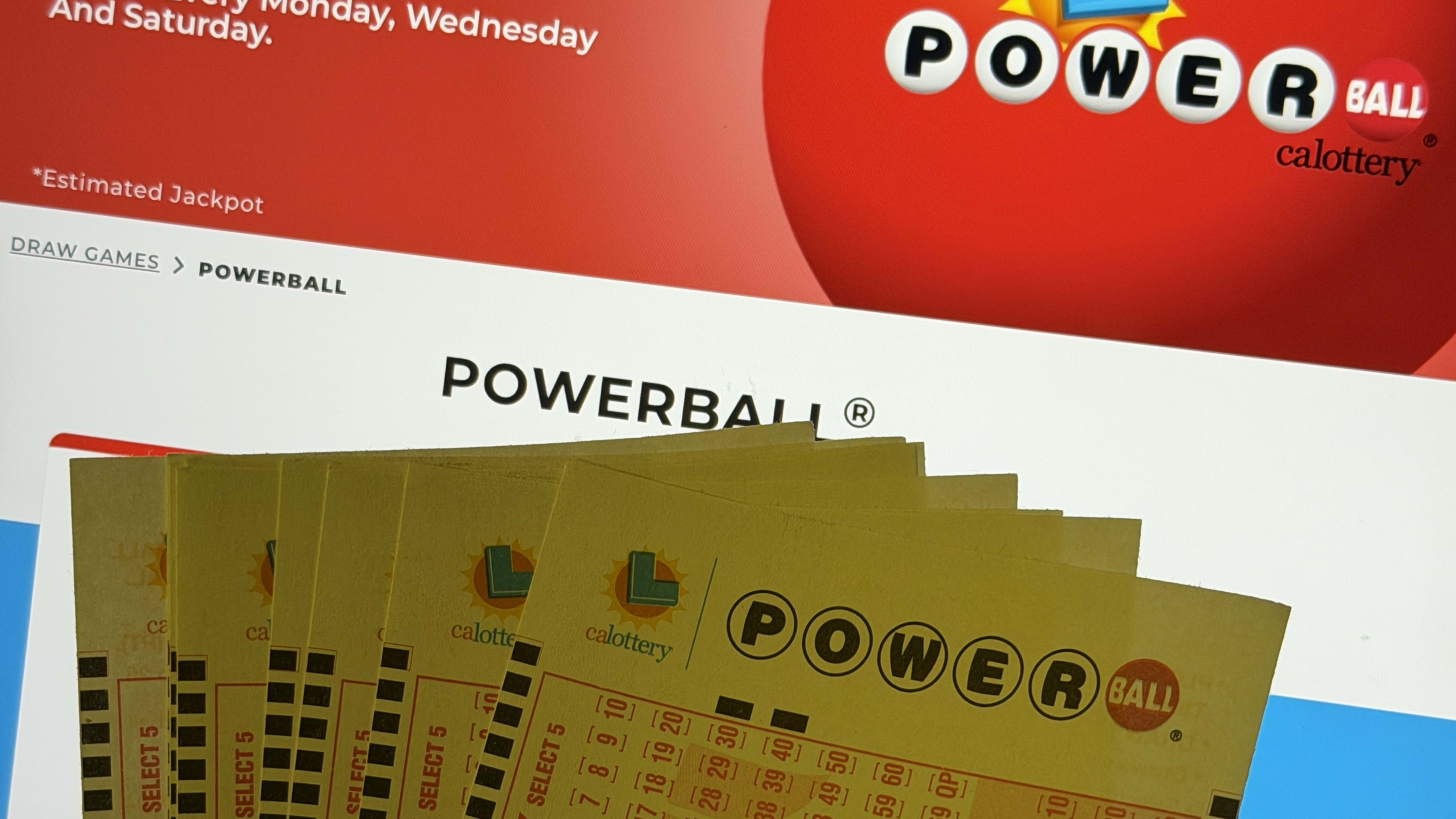
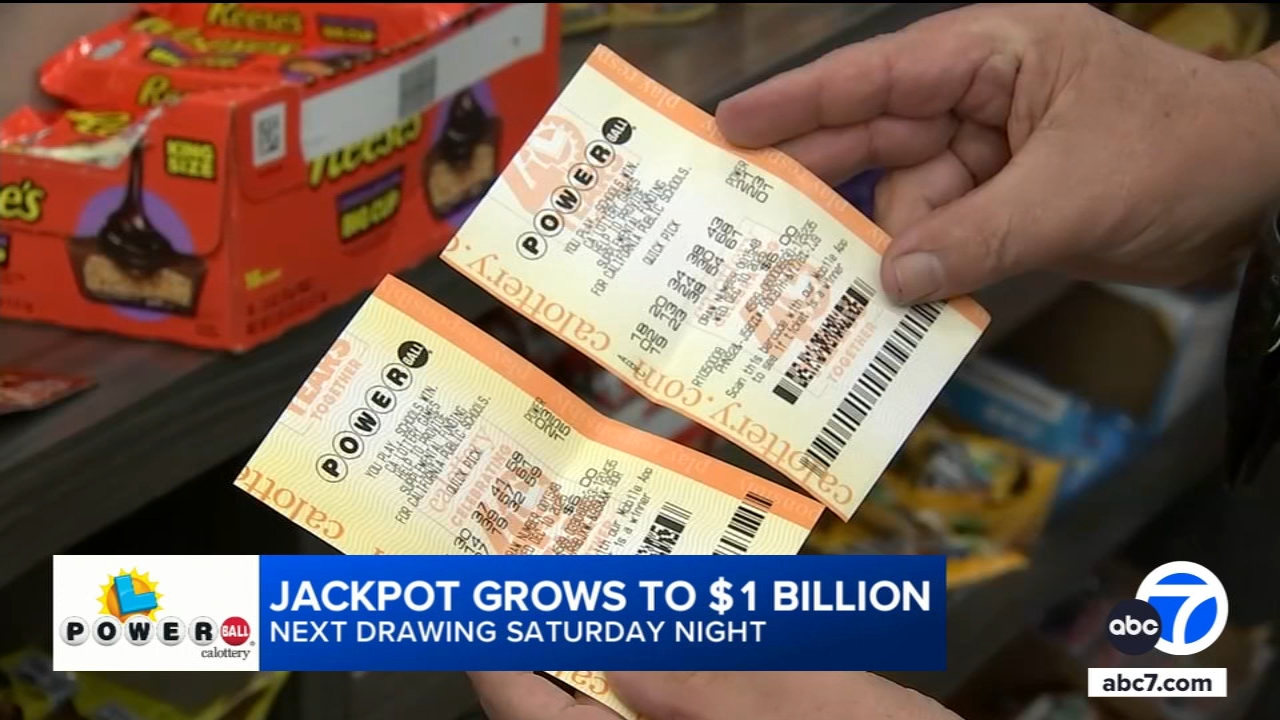
The US lottery market represents a fascinating intersection of consumer psychology, entertainment economics, and massive speculative spending potential. The recent Powerball drawing on December 13, 2025, featuring an estimated $1 billion jackpot, illuminates critical trends in how Americans engage with high-stakes gambling and dream-driven consumption.
Jackpot Scaling as Economic Indicator: The progression of lottery prizes reveals profound insights into consumer sentiment and discretionary spending patterns. From the record $2.04 billion win in November 2022 to the current $1 billion unclaimed jackpot, these astronomical figures suggest that Americans are increasingly seeking transformative financial narratives during economically uncertain times. The lottery ecosystem has evolved from a simple gambling mechanism to a complex entertainment product that sells hope as much as potential winnings.
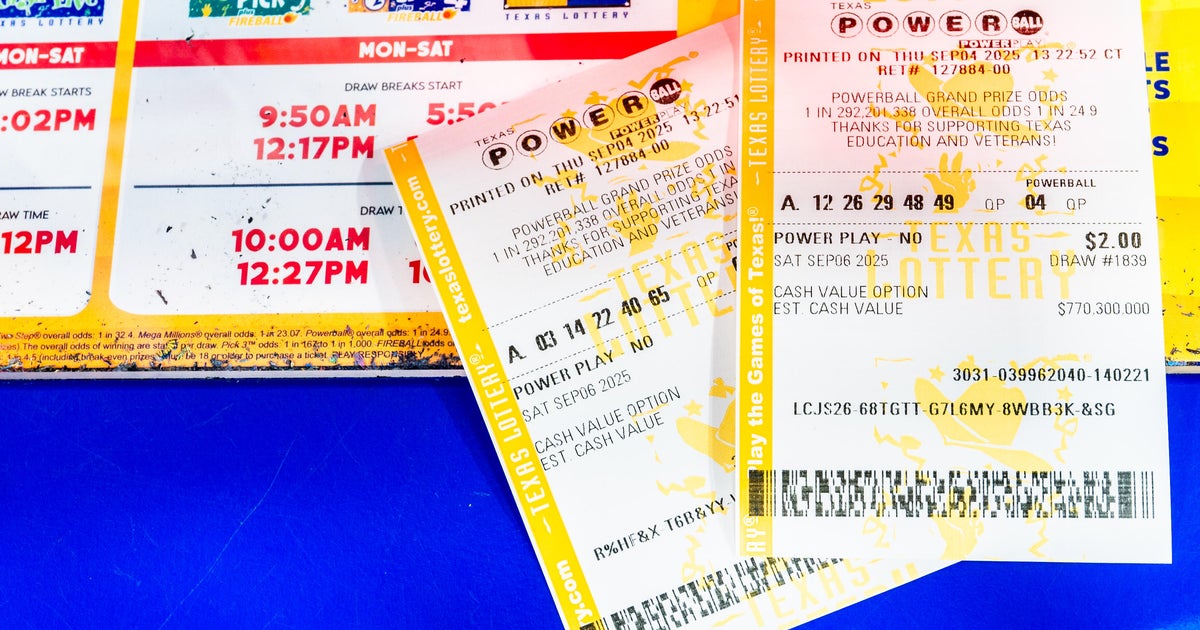
Market Structure and Consumer Engagement: The Powerball's intricate design—$2 base tickets with optional Power Play and Double Play add-ons—demonstrates sophisticated product engineering. By offering multiple participation tiers and frequent drawings (three times weekly), the lottery creates continuous engagement. The current cash option of $457.7 million represents a strategic financial product that bridges speculative entertainment with tangible monetary value.
Psychological Economics of Mega Jackpots: The consistent reporting of increasingly large jackpots, including the $1.787 billion split between Missouri and Texas in September 2025, indicates a deliberate market strategy. These headline-generating prizes function as marketing tools, transforming lotteries from mere gambling mechanisms into national conversation pieces that capture collective imagination.
For businesses and market analysts, the lottery represents more than a gambling product—it's a sophisticated entertainment platform that monetizes collective aspiration. The robust information ecosystem surrounding these drawings, with detailed historical context and comprehensive reporting, suggests a deeply integrated cultural and economic phenomenon that extends far beyond simple chance-based gambling.
Questions 3
What economic insights can be drawn from mega lottery jackpots?
Mega jackpots serve as a barometer of consumer sentiment, discretionary spending capacity, and collective economic aspiration. The willingness to participate in high-stakes lottery games during economic uncertainty reveals complex psychological responses to financial challenges and dreams of rapid wealth transformation.
Why are lottery jackpots becoming increasingly large?
Larger jackpots serve multiple strategic purposes: they generate massive media attention, attract more participants, and create a narrative of transformative potential. The increasing prize sizes reflect both marketing strategy and growing consumer appetite for high-stakes entertainment experiences.