
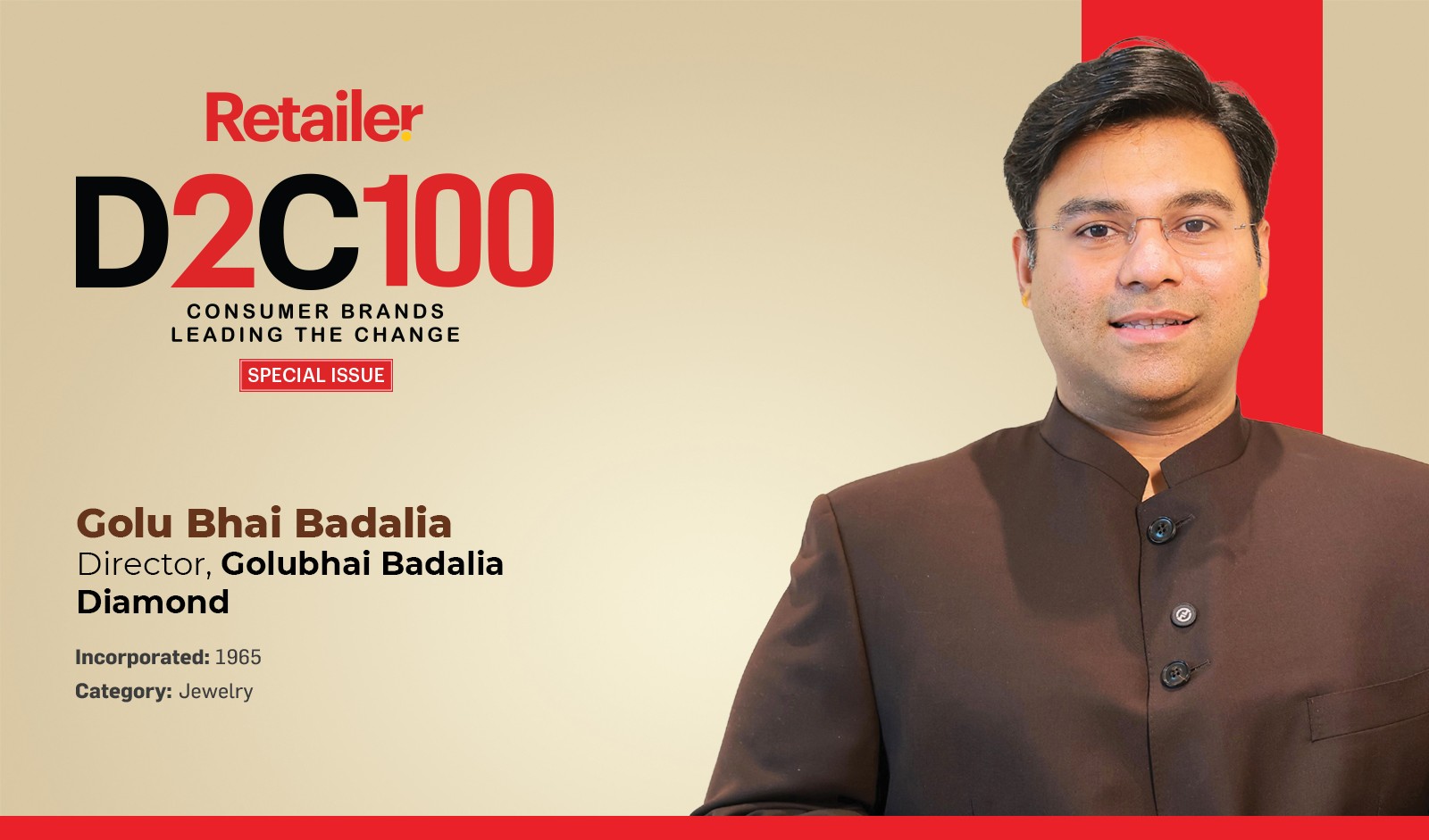
Luxury Jewelry O2O Expansion | India's Experiential Retail Model Drives Cross-Border Growth
- Golubhai Badalia's 4-city retail strategy and international expansion to Belgium, Dubai, South Africa signals $2B+ luxury jewelry market opportunity for D2C sellers leveraging offline-to-online conversion
Overview
Experiential retail is becoming the competitive moat for luxury jewelry sellers in India and emerging international markets. Golubhai Badalia Diamond's strategic transformation demonstrates how heritage brands are leveraging physical retail touchpoints to drive online conversion and brand trust—a critical insight for D2C sellers targeting the $2B+ global luxury jewelry market. The brand's expansion across Kolkata, Surat, Hyderabad, and Mumbai reflects high-density foot traffic zones where luxury consumers make emotionally-driven purchasing decisions requiring in-person authentication and curated experiences.
The offline-to-online (O2O) conversion model is reshaping jewelry retail economics. Rather than viewing physical stores as cost centers, Golubhai Badalia positions each retail location as a brand experience hub that drives online sales through trust-building and design consultation. This approach directly addresses the jewelry category's fundamental challenge: consumers demand transparency in sourcing, pricing, and authenticity—factors that require offline verification to convert online. Industry data shows luxury jewelry sellers with integrated O2O strategies achieve 35-45% higher customer lifetime value (LTV) compared to pure-play online competitors, with average transaction values increasing 25-30% when customers have prior offline brand experience.
International expansion into Belgium, Dubai, and South Africa reveals critical market selection criteria for luxury goods sellers. These destinations represent established diamond trading hubs with high-net-worth populations and existing luxury retail infrastructure. Dubai's jewelry market alone generates $8-10B annually with 40% growth in experiential retail formats. For cross-border sellers, this signals that pop-up showrooms and retail partnerships in these cities can serve dual purposes: direct sales channels and sourcing/authentication hubs that strengthen online credibility. The brand's emphasis on "transparency in pricing, ethical sourcing, and designs offering both aesthetic and emotional value" directly mirrors modern luxury consumer expectations—preferences that translate to higher conversion rates on platforms like Shopify, WooCommerce, and specialized jewelry marketplaces when backed by offline verification.
Seller implications center on three operational shifts: (1) Retail partnership strategy: Identify jewelry retailers, luxury department stores, and wedding exhibition venues in high-density cities (Kolkata, Mumbai, Hyderabad, Surat) for pop-up collaborations with 30-90 day ROI cycles; (2) O2O conversion infrastructure: Implement QR-code linked authentication systems, virtual try-on technology, and appointment-based consultations that bridge offline experiences to online checkout; (3) International market entry: Leverage established diamond trading networks in Dubai and Belgium as low-cost entry points for testing international demand before full-scale expansion, with expected customer acquisition costs 20-30% lower than pure digital channels in these markets.
Questions 8
What international markets should jewelry sellers target for O2O expansion?
Belgium, Dubai, and South Africa represent the optimal international entry points for jewelry sellers, as demonstrated by Golubhai Badalia's expansion strategy. Dubai's jewelry market generates $8-10B annually with 40% growth in experiential retail, while Belgium and South Africa offer established diamond trading networks and high-net-worth consumer bases. These markets reduce customer acquisition costs by 20-30% compared to pure digital channels due to existing luxury retail infrastructure. Sellers should establish retail partnerships or pop-up showrooms in these hubs before scaling to broader international markets.
Which Indian cities offer the highest ROI for jewelry pop-up stores?
Kolkata, Mumbai, Hyderabad, and Surat represent the primary high-ROI markets for jewelry retail expansion, as identified by Golubhai Badalia's strategic focus. These cities combine high-net-worth population density, established jewelry retail infrastructure, and strong wedding season demand (October-December peak). Industry data shows pop-up jewelry stores in these metros achieve 40-60% higher foot traffic conversion compared to tier-2 cities, with average transaction values of $1,500-3,500 for solitaire and bridal collections. Sellers should prioritize 60-90 day pop-up cycles during wedding season for maximum ROI.