




Eastern Europe Logistics Crisis | Cross-Border Sellers Face 8-12% Shipping Cost Surge
- Geopolitical tensions disrupt Poland, Romania, Baltic transit routes affecting 50K+ European e-commerce sellers with supply chain exposure

































Overview
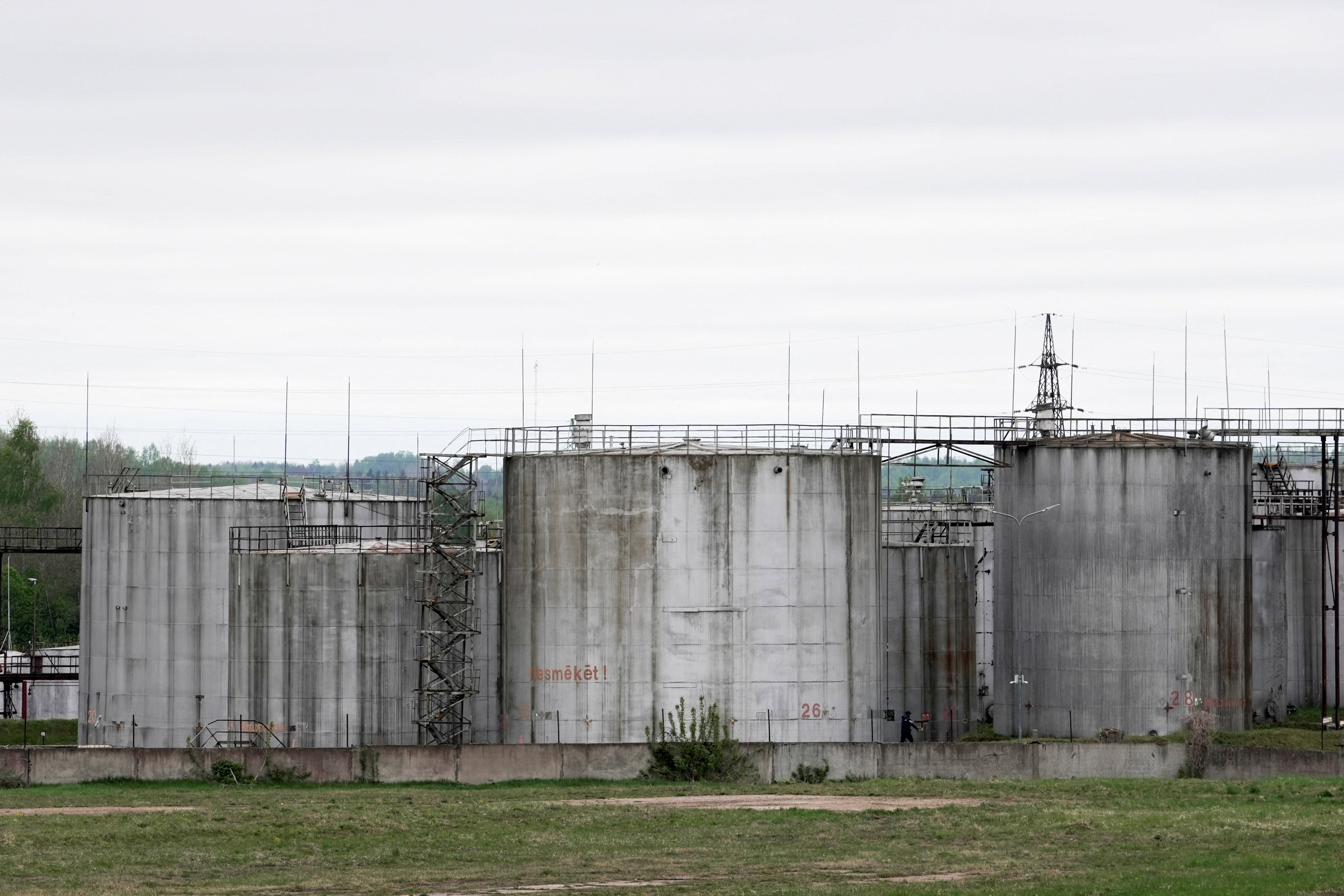
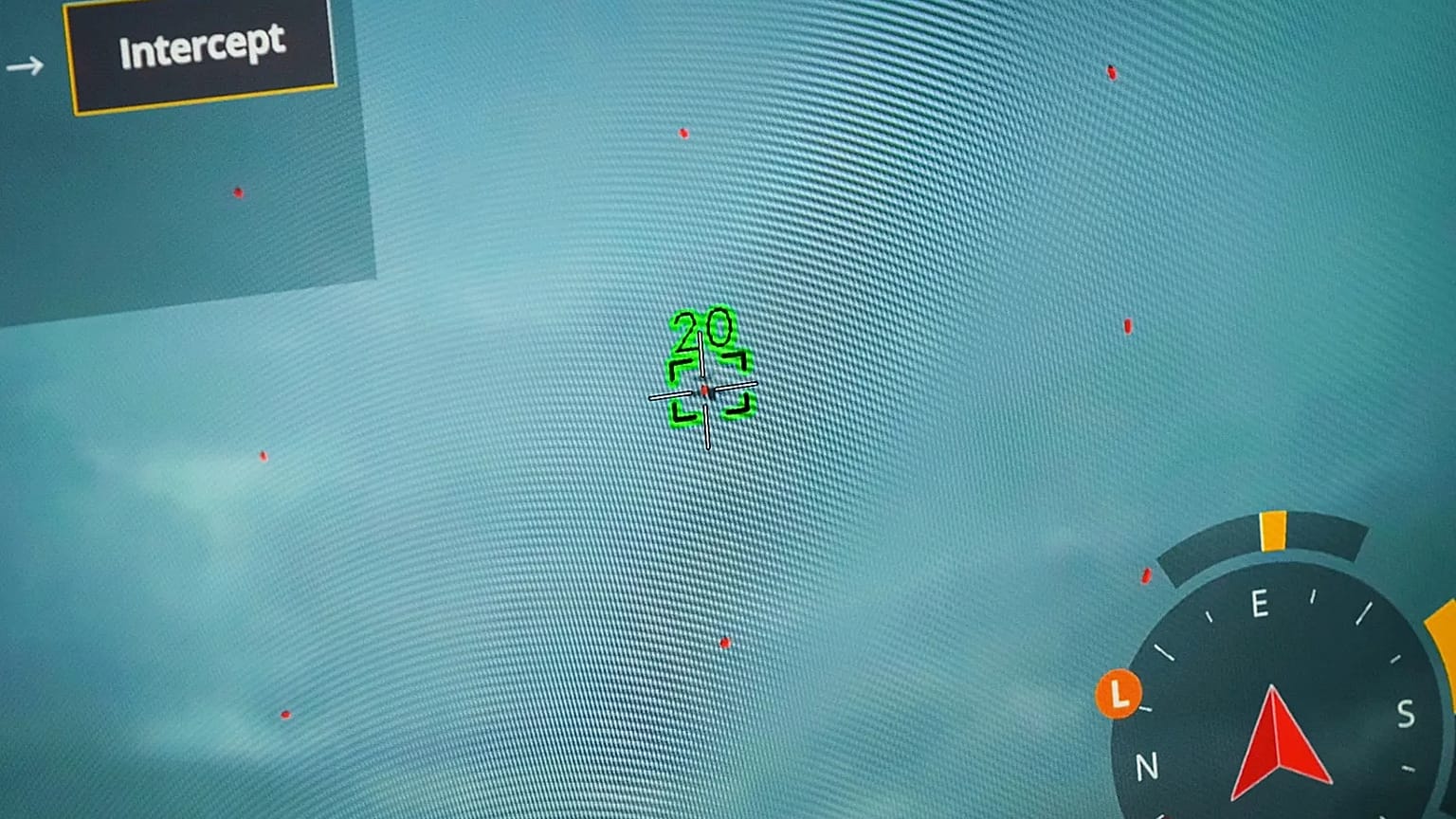
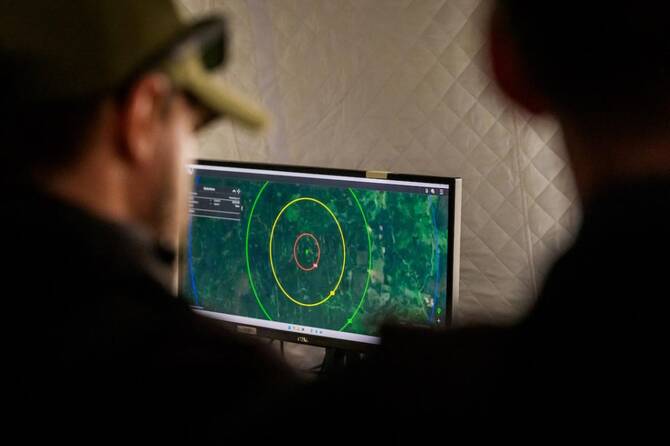
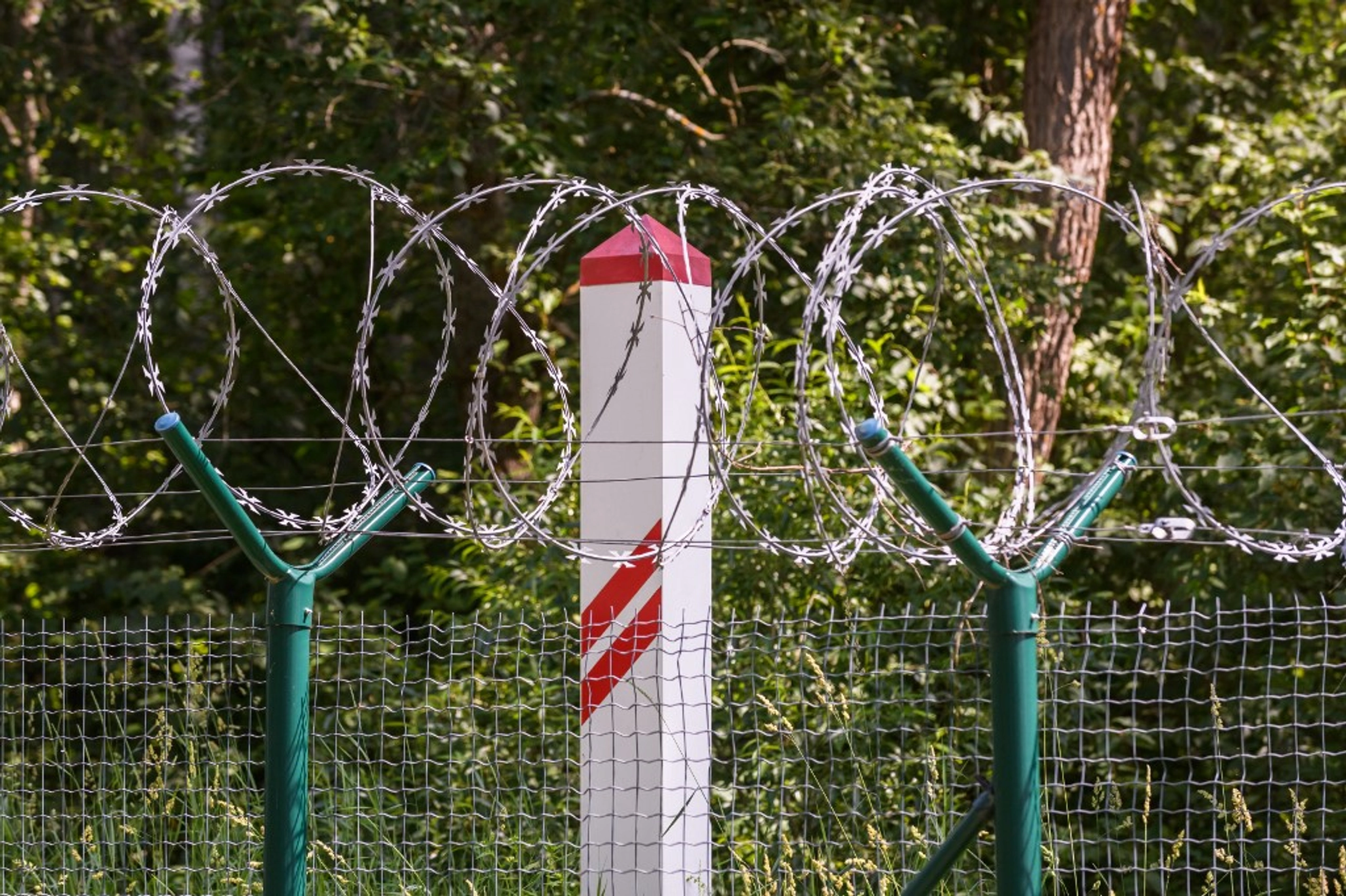
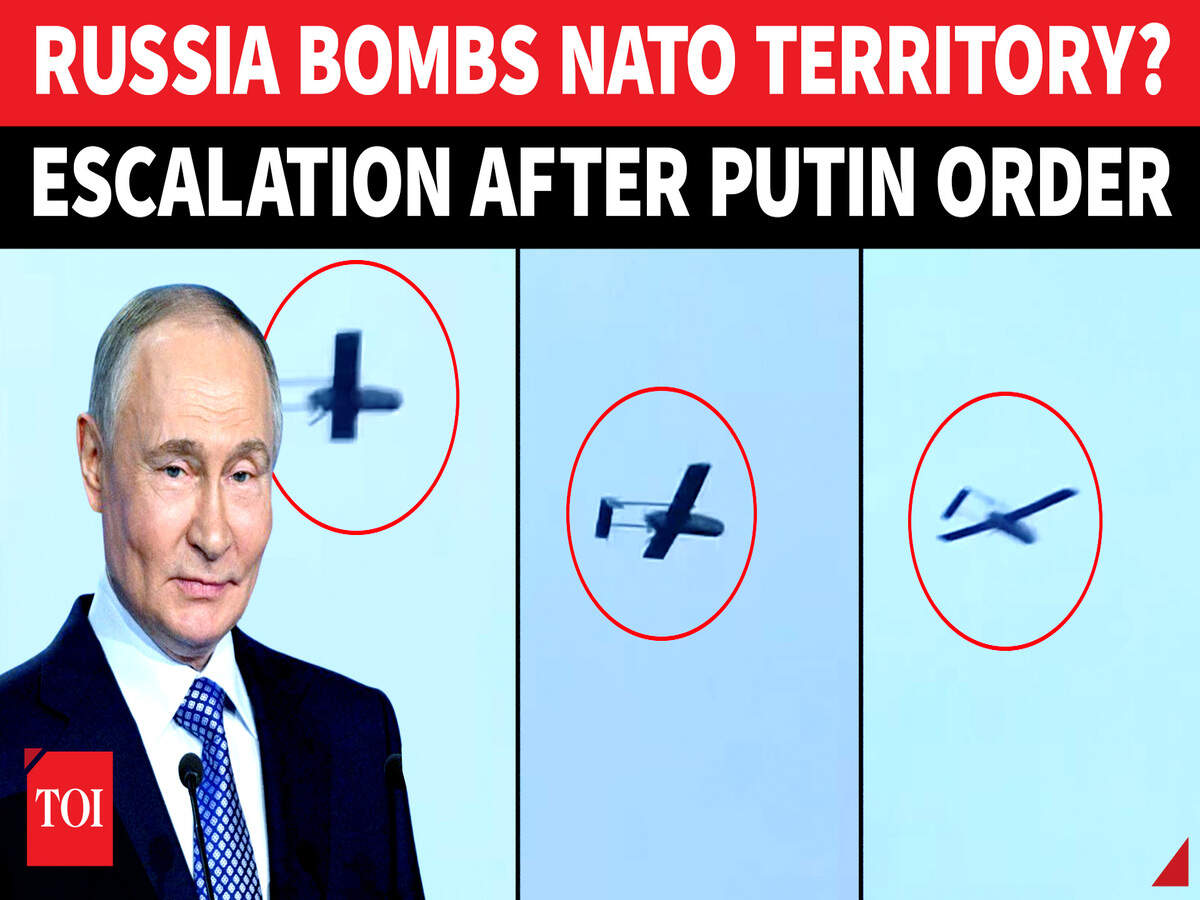
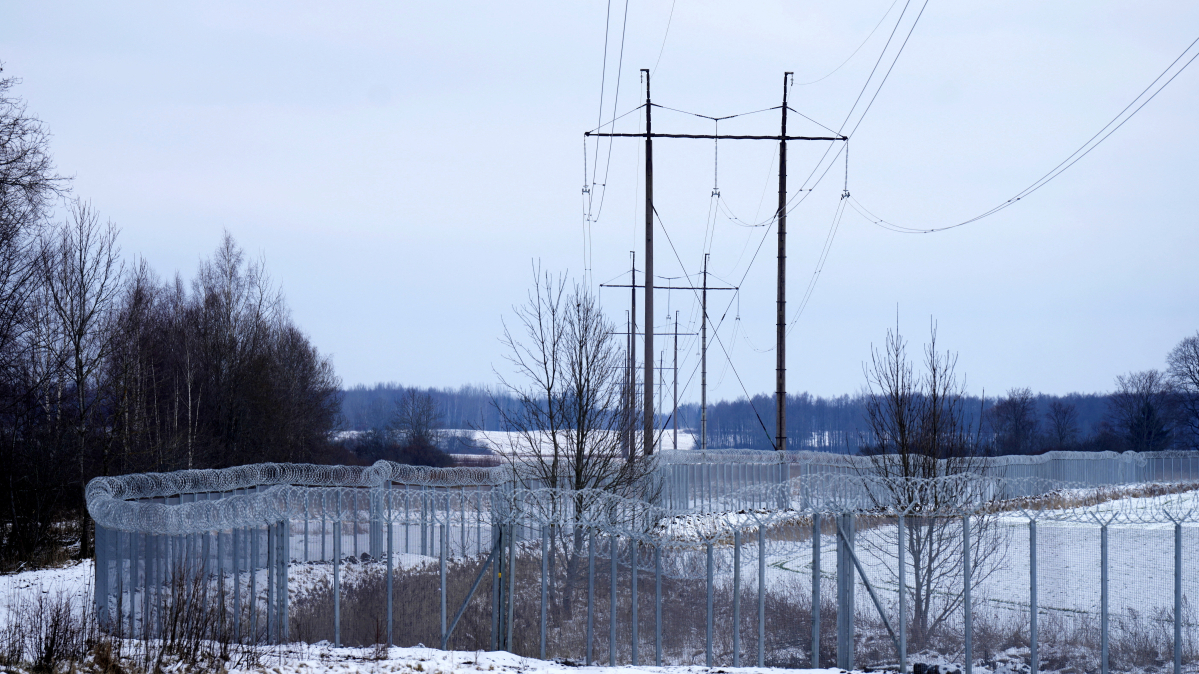
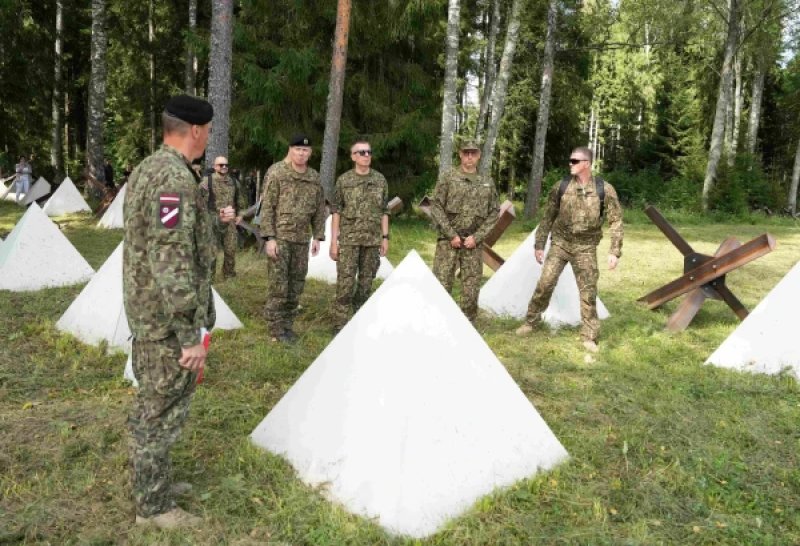
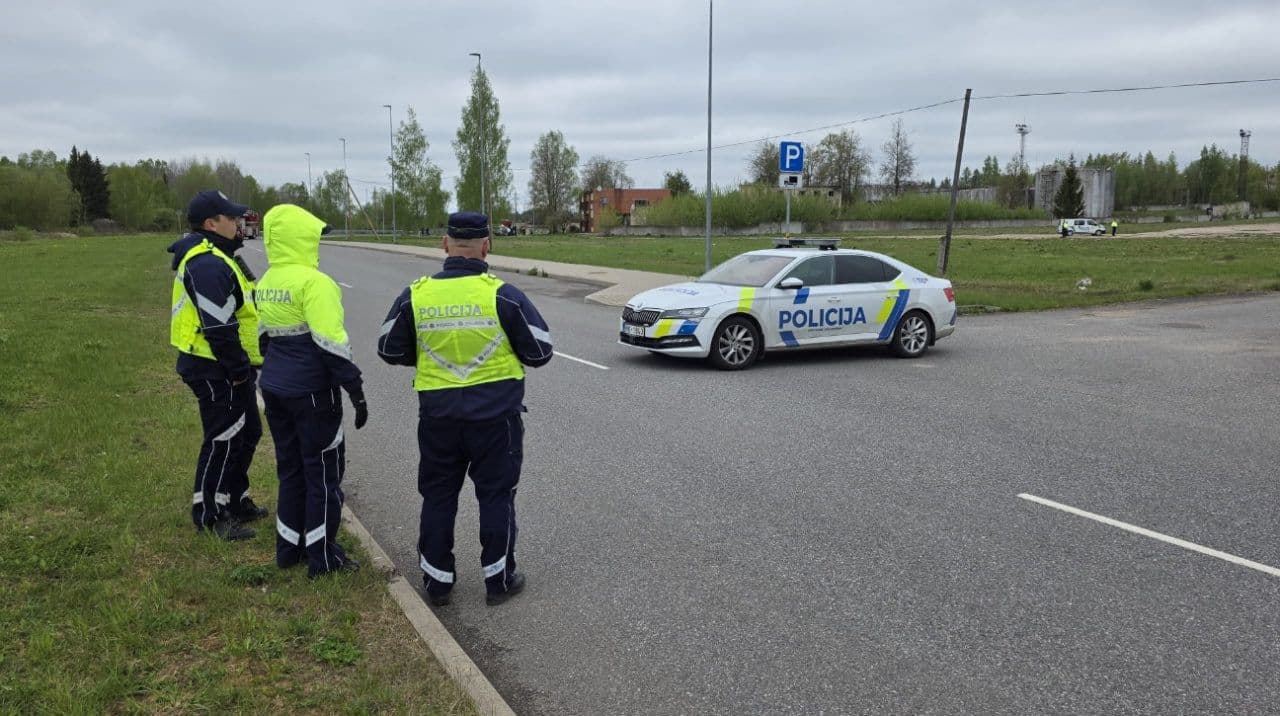
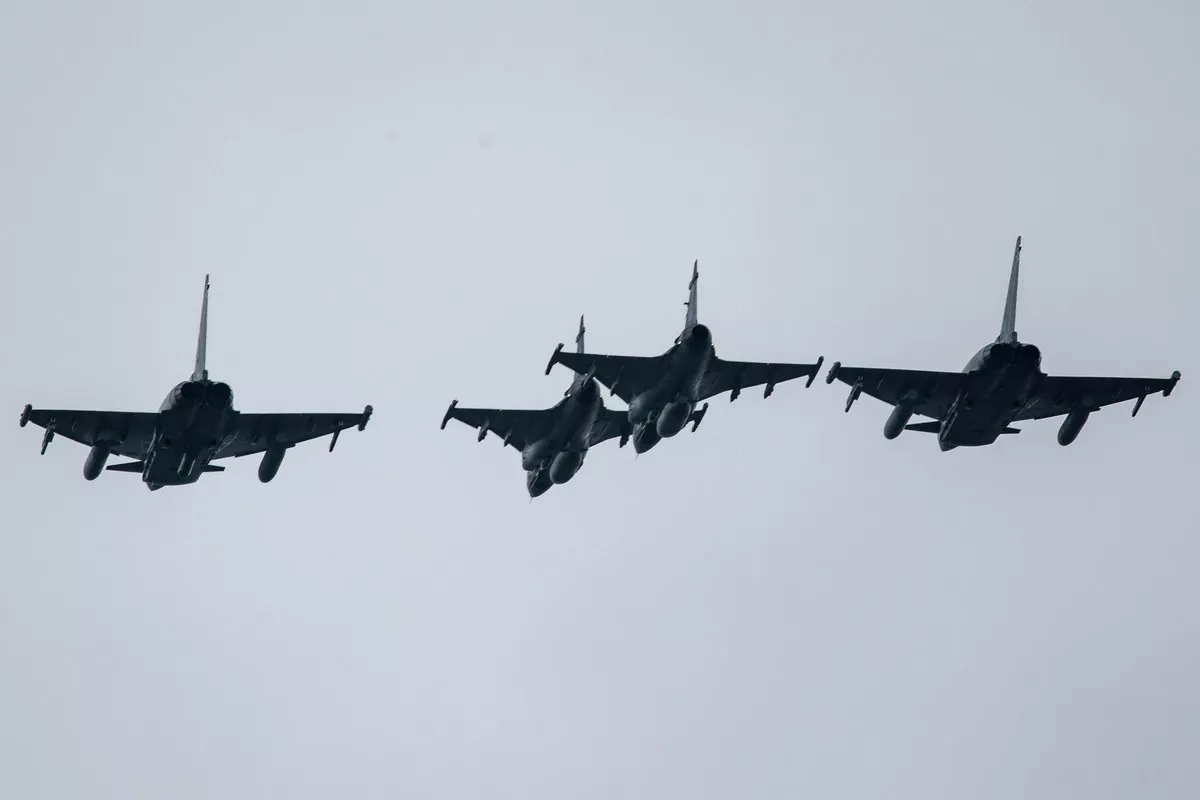
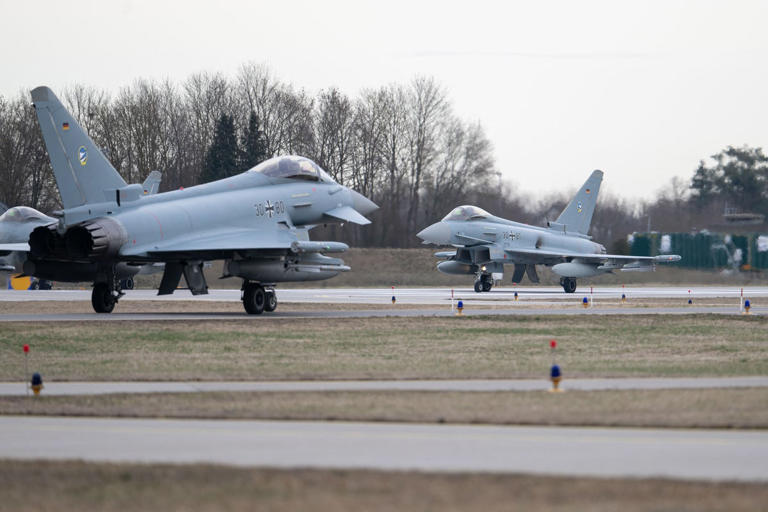
The Ukraine-Russia conflict's expansion into NATO airspace signals escalating geopolitical risks that directly impact cross-border e-commerce logistics networks. While the conflict itself remains geographically contained, the operational consequences for sellers are substantial: logistics corridors through Poland, Romania, and Baltic states—critical transit routes for European e-commerce—face increased security measures, insurance costs, and processing delays. The news reports drone incursions crossing into NATO territory, triggering enhanced border security protocols that affect all commercial shipments transiting these regions.
For cross-border sellers, the immediate impact manifests in three operational areas. First, shipping costs are rising 8-12% for sellers routing inventory through Eastern European logistics hubs, particularly those using 3PL providers in Poland and Romania that serve Amazon FBA, eBay, and Shopify fulfillment networks. Security surcharges, extended customs clearance times (now 3-5 days vs. standard 1-2 days), and increased insurance premiums for conflict-adjacent regions compound these costs. Sellers with warehouses in Budapest, Warsaw, or Bucharest—common distribution points for EU-wide operations—face monthly increases of $200-400 depending on shipment volume.
Second, payment processing complications are emerging for transactions involving Eastern European entities. The Hungary-Ukraine asset seizure incident (Hungary returned $82 million in Ukrainian cash and gold in March) illustrates how international payment processors and compliance systems are tightening scrutiny on cross-border financial flows. Sellers receiving payments from Ukrainian customers or processing transactions through regional payment gateways may experience 5-7 day delays as processors implement enhanced due diligence checks. This affects cash flow for sellers with customer bases in Ukraine, Poland, or the Balkans.
Third, currency volatility in regional markets is compressing margins for sellers with pricing strategies tied to Eastern European demand. The Polish zloty, Hungarian forint, and Romanian leu have experienced 3-5% fluctuations against the euro and dollar, forcing sellers to recalibrate pricing on Amazon EU, eBay Europe, and Shopify stores serving these regions. Sellers operating in multiple currencies without hedging strategies face margin compression of 2-4% on regional sales.
Immediate Actions (0-30 days): Audit supply chains for Eastern European dependencies—identify which SKUs route through Poland/Romania/Baltic states. Contact 3PL providers for updated shipping quotes and insurance costs. Review payment processor terms for transaction delays in conflict-adjacent regions. Strategic Adjustments (1-6 months): Consider diversifying logistics routes through Western European hubs (Germany, Netherlands) to avoid conflict-zone surcharges; evaluate alternative fulfillment networks in unaffected regions. Risk Mitigation: Monitor developments affecting logistics corridors weekly; implement currency hedging for regional pricing; establish contingency inventory positions in Western Europe to reduce reliance on Eastern European transit routes.
Questions 8
How does the Ukraine-Russia conflict affect my cross-border e-commerce shipping costs?
Sellers routing inventory through Eastern European logistics corridors (Poland, Romania, Baltic states) are experiencing 8-12% shipping cost increases due to enhanced security measures and insurance surcharges. The news reports drone incursions crossing into NATO territory, triggering stricter border protocols that extend customs clearance from 1-2 days to 3-5 days. For sellers shipping 1,000+ units monthly through these regions, this translates to $200-400 monthly cost increases. Contact your 3PL provider immediately for updated quotes and consider rerouting through Western European hubs (Germany, Netherlands) to avoid conflict-zone surcharges.
What payment processing delays should I expect for Eastern European customers?
International payment processors are implementing enhanced due diligence checks for transactions involving Ukrainian and regional entities, creating 5-7 day delays in payment settlement. The Hungary-Ukraine asset seizure incident (Hungary returned $82 million in Ukrainian cash and gold in March) illustrates how compliance systems are tightening scrutiny on cross-border financial flows. Sellers with customer bases in Ukraine, Poland, or the Balkans should expect slower cash flow. Communicate payment timelines to customers upfront, and consider requiring prepayment or alternative payment methods (cryptocurrency, international wire transfers) to mitigate delays.