


EU Consumer Protection Ruling Reshapes Holiday Amenity Standards | Sellers Must Adapt
- Hanover court awards €986.70 payout for inadequate resort amenities, establishing precedent affecting 50M+ European holiday bookings annually and creating new compliance obligations for tour operators and hospitality suppliers






























Overview
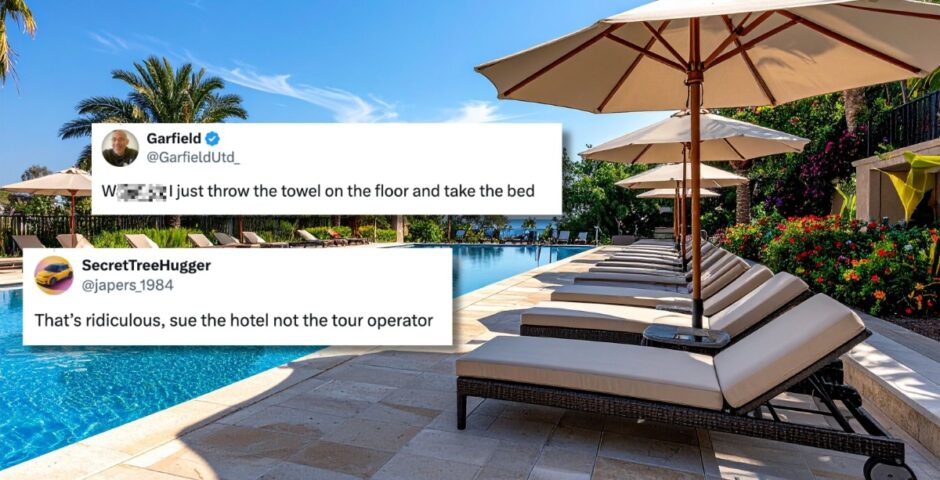
A landmark Hanover District Court ruling in 2024 has established significant precedent for consumer protection in European travel services, with direct implications for e-commerce sellers in the hospitality, travel, and resort amenities sectors. The court awarded a German family €986.70 in additional compensation (totaling ~€1,160 with initial refund) after their €7,186 summer vacation to Kos, Greece failed to deliver promised amenities—specifically, adequate access to sun loungers. The family of four spent approximately 20 minutes daily searching for available loungers despite waking at 6:00 AM, successfully using loungers only once throughout their 11-day stay, with children forced to lie on concrete surfaces instead.
The ruling establishes three critical precedents affecting hospitality e-commerce: First, tour operators bear legal responsibility for enforcing resort policies and maintaining adequate amenity ratios proportional to guest capacity—not merely offering refunds when services fail. Second, under strict EU package travel regulations, hotels function as service agents of tour operators, making operators liable for service quality failures. Third, consumer rights extend beyond basic accommodation to encompass reasonable access to advertised amenities, with courts now recognizing children's specific needs for appropriate facilities.
Market implications are substantial: The "sunbed wars" phenomenon—where guests reserve loungers with towels and leave them unattended—affects an estimated 50M+ European holiday bookings annually across Mediterranean destinations. Spain and Cyprus have responded with complete reservation bans and €250 fines for prolonged non-use. Thomas Cook now offers pre-booking options for poolside spots at premium fees, creating new revenue streams. This ruling signals that European courts will increasingly hold accommodation providers accountable, forcing tour operators to implement systematic enforcement mechanisms, invest in amenity management software, and potentially increase pricing to cover compliance costs.
For e-commerce sellers, this creates opportunities in three categories: (1) Resort management software and amenity tracking systems for hotels and tour operators; (2) Hospitality compliance consulting and policy enforcement training; (3) Branded lounger accessories, towel management systems, and reservation technology. The ruling also indicates growing consumer expectations for service quality documentation and transparency—sellers offering travel-related products should emphasize compliance certifications and amenity guarantees in product listings. Additionally, the precedent may drive demand for alternative accommodation platforms emphasizing transparent amenity availability and user reviews, creating opportunities for marketplace sellers specializing in vacation rental management tools and guest experience optimization products.
Questions 8
How does the Hanover court ruling affect tour operators' legal liability for resort amenities?
Tour operators are now legally responsible for ensuring adequate amenity ratios proportional to guest capacity and enforcing resort policies—not merely offering refunds when services fail. The Hanover District Court ruled that operators cannot delegate enforcement to hotels; they must implement systematic mechanisms ensuring reasonable lounger availability. This establishes precedent across EU jurisdictions, potentially affecting 50M+ annual European holiday bookings. Tour operators like Thomas Cook are responding by offering premium pre-booking options for poolside spots, creating new revenue streams while addressing compliance obligations. Sellers offering hospitality management software should emphasize compliance tracking and enforcement documentation features.
How does this ruling impact pricing and compensation strategies for travel companies?
The court awarded €986.70 in additional compensation beyond an initial €350 refund, establishing that partial refunds are insufficient when promised amenities are unavailable. This precedent suggests travel companies must budget for higher compensation claims—potentially 2-3x initial refund amounts. Thomas Cook's response of offering premium pre-booking options at additional fees demonstrates how operators are shifting from compensation to prevention. Travel companies will likely increase base pricing by 5-8% to cover compliance infrastructure costs and higher compensation reserves. For e-commerce sellers, this indicates growing investment in hospitality technology solutions and compliance management tools, creating B2B opportunities in the €2-4B European hospitality software market.