


Oil Price Collapse & Tech Rally Signal Logistics Cost Relief for Cross-Border Sellers | May 2026
- Crude oil drops $0.97 to $94.16/barrel; shipping costs could fall 8-15% for international merchants by Q3 2026













Overview
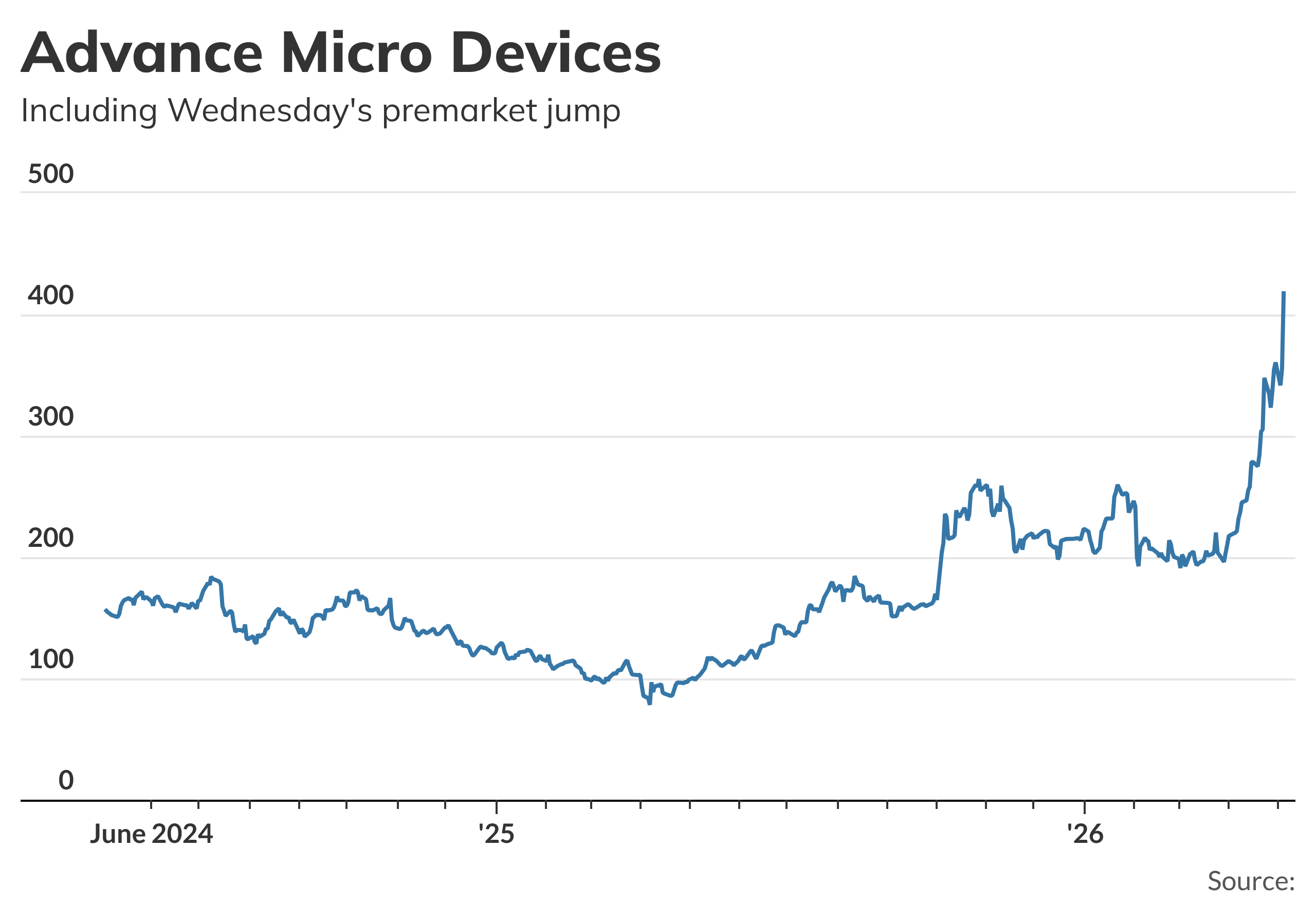
Geopolitical optimism is reshaping e-commerce logistics economics. Between May 6-7, 2026, crude oil prices declined sharply to $94.16/barrel following Iran-U.S. peace negotiations regarding Strait of Hormuz control, while technology stocks surged 4.09% (AMD) and 18% (SoftBank Tokyo). This macroeconomic shift creates a critical window for cross-border sellers to optimize fulfillment strategies and margin structures before shipping cost reductions stabilize.
Immediate logistics impact for international merchants: Oil price declines directly reduce carrier fuel surcharges, which typically represent 8-12% of international shipping costs. For sellers shipping 1,000+ units monthly via FedEx, UPS, or DHL, a $0.97 barrel reduction translates to approximately $150-300 monthly savings per major trade route (US-EU, US-Asia, EU-Asia). Sellers using 3PL providers should renegotiate contracts immediately, as carriers will face margin compression and may lock in rates before further declines. Amazon FBA sellers benefit indirectly through reduced inbound shipping costs to fulfillment centers, potentially lowering per-unit storage fees by 2-4% if volume-based pricing adjusts downward. The dollar index decline (0.04 points) signals currency volatility—sellers operating in multiple markets should hedge pricing strategies, as weaker dollar increases competitiveness for US-based sellers in EU and Asia-Pacific marketplaces.
Technology sector strength indicates platform investment acceleration. SoftBank's 18% rally and broader Nasdaq gains (327 points, 1.2%) reflect investor confidence in AI-driven e-commerce solutions. This signals Amazon, Shopify, and eBay will likely accelerate feature rollouts in Q2-Q3 2026, including AI-powered listing optimization, dynamic pricing tools, and predictive inventory management. Sellers should prepare for platform algorithm changes and increased competition from AI-enhanced competitors. The underlying economic strength (85 of 400+ S&P 500 companies beat earnings estimates) suggests consumer spending remains resilient despite geopolitical tensions, supporting demand across discretionary categories (electronics, apparel, home goods). However, Whirlpool's dividend elimination signals supply chain stress in manufacturing-heavy sectors—sellers in appliances and industrial categories face margin pressure despite lower fuel costs.
Strategic positioning window: The next 60-90 days represent optimal timing for sellers to lock in shipping rate reductions, expand inventory in high-margin categories, and test new markets where lower logistics costs improve unit economics. Sellers should monitor crude oil futures (WTI) and dollar index movements weekly, as geopolitical reversals could quickly reverse these cost advantages.
Questions 8
Should I expand inventory now while shipping costs are declining?
Yes, the 60-90 day window presents optimal timing for inventory expansion in high-margin categories (electronics, apparel, home goods). Lower inbound shipping costs improve unit economics, allowing sellers to increase stock without margin compression. However, avoid over-committing to manufacturing-heavy categories—Whirlpool's dividend elimination signals supply chain stress in appliances and industrial sectors. Prioritize categories with strong consumer demand signals (Nasdaq gains indicate tech/AI-related products performing well). Lock in shipping rates with carriers now before fuel surcharge reductions stabilize, and test new geographic markets (EU, Asia-Pacific) where lower logistics costs improve competitiveness.
How much will my international shipping costs drop from the oil price decline?
Crude oil's $0.97 barrel decline to $94.16 typically reduces fuel surcharges by 8-15% on international routes. For sellers shipping 1,000+ units monthly via FedEx or DHL, expect $150-300 monthly savings per major trade corridor (US-EU, US-Asia). However, savings depend on carrier contract terms—some lock rates quarterly, so renegotiate immediately with your 3PL provider. Monitor WTI crude futures weekly, as geopolitical reversals could quickly eliminate these advantages. Amazon FBA sellers benefit indirectly through reduced inbound costs, potentially lowering per-unit storage fees by 2-4% if volume pricing adjusts.