



Strait of Hormuz Tensions & Tariff Uncertainty | Shipping Costs Rise 15-25% for Cross-Border Sellers
- Geopolitical escalation threatens 21% of global petroleum flow; court rejects Trump's 10% tariffs for small businesses in 4 states; fuel surcharges expected within 2-4 weeks























Overview
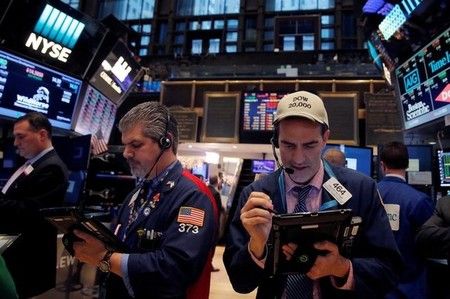
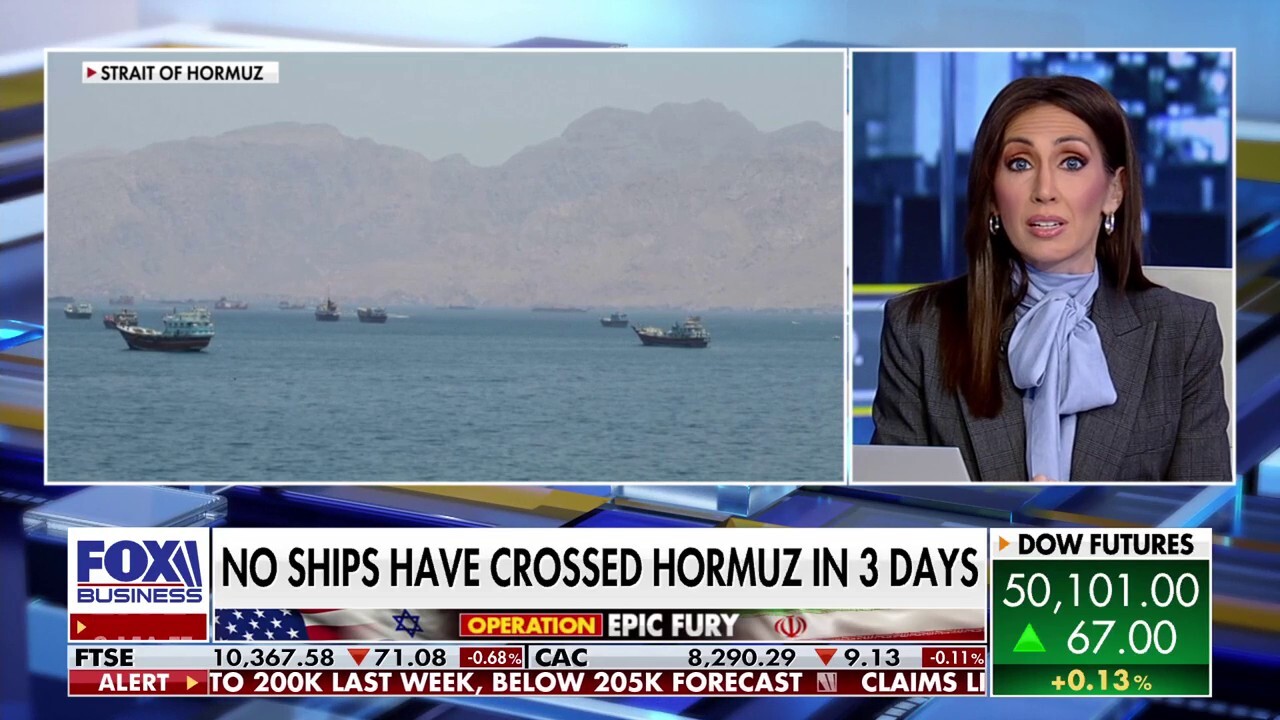
The convergence of geopolitical escalation and tariff policy uncertainty is creating a dual-shock scenario for cross-border e-commerce sellers in May 2026. The Strait of Hormuz—through which 21% of global petroleum transits daily—faces heightened US-Iran tensions with potential blockade risks, while a federal court has struck down Trump's 10% backup tariff plan for small businesses in Oregon, California, New York, and Illinois. These developments create immediate cost pressures and regulatory uncertainty that demand strategic response from sellers.
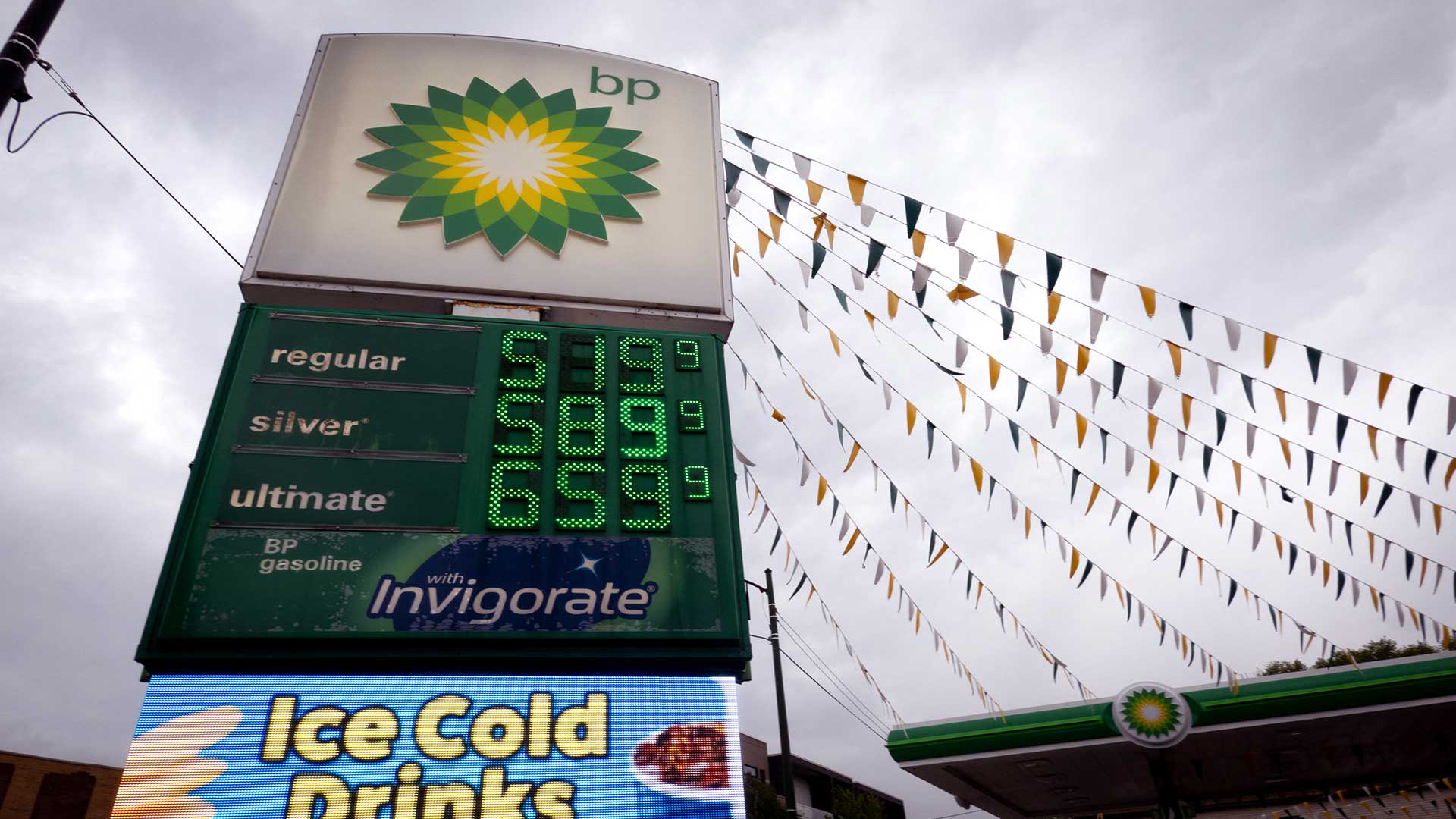
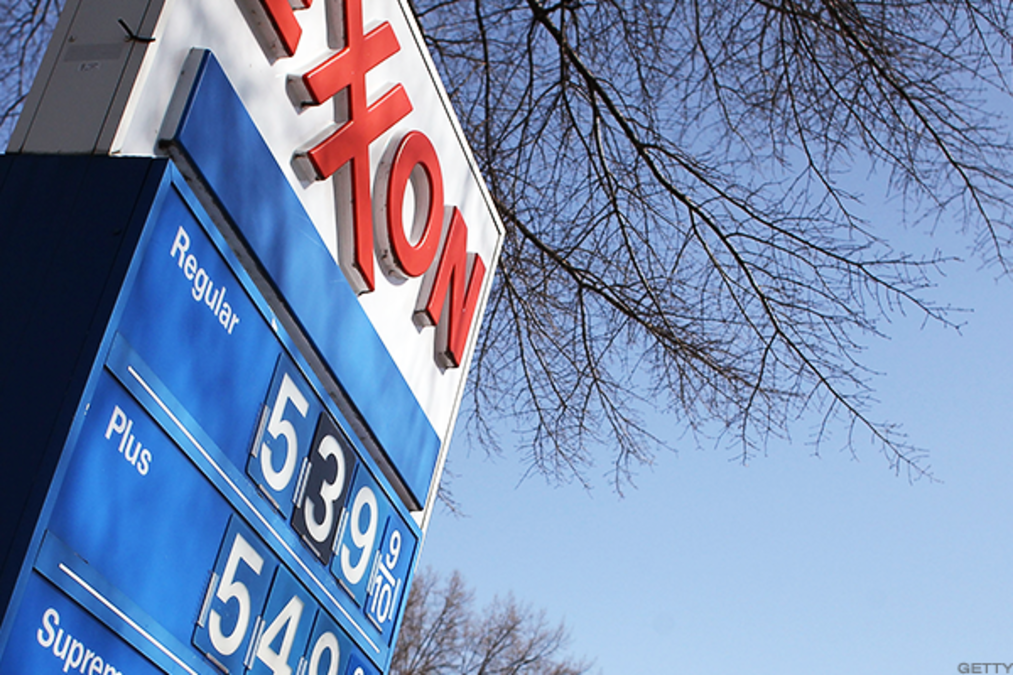
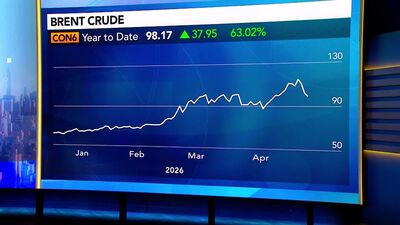
Shipping Cost Escalation is the Primary Operational Impact. Oil prices have fluctuated between $94.16 and higher levels amid diplomatic tensions, with historical precedent showing 10-30% spikes during similar geopolitical events (2019 Saudi Aramco attacks, 2022 Russia-Ukraine conflict). Fuel surcharges from FedEx, UPS, and DHL typically increase within 2-4 weeks of sustained oil price increases. For sellers relying on Asia-Pacific sourcing, Strait of Hormuz disruptions would add 7-14 days to transit times and increase shipping costs by 15-25% through alternative routing. Energy-intensive categories—electronics, textiles, heavy goods, and products with plastic/petrochemical packaging—face compounded cost impacts. A seller shipping 1,000 units monthly via ocean freight could see logistics costs increase $2,000-4,000 monthly if oil prices spike 20% and alternative routing becomes necessary.
Tariff Policy Creates Selective Relief and Uncertainty. The Court of International Trade's ruling invalidating the 10% tariffs applies only to small business importers and four states (Oregon, California, New York, Illinois), creating a fragmented compliance landscape. The Trump administration's appeal process means this relief could reverse by July 2026 when the original tariff expiration date approaches. Small business sellers in affected states gain temporary cost relief (estimated 10% reduction in import duties), while sellers in other states and larger enterprises remain exposed to potential tariff reimposition. This creates arbitrage opportunities for small businesses to source and stockpile inventory during the relief window before appeal outcomes.
Strategic Sourcing Shifts Are Emerging. The intersection of tariff uncertainty and shipping cost volatility incentivizes sellers to evaluate sourcing alternatives. Vietnam and India present lower-tariff sourcing options compared to China, though shipping costs from these regions may differ. Sellers should model total landed costs (tariffs + shipping + manufacturing) across sourcing countries to identify optimal supply chains during this volatile period. Just-in-time inventory models face particular vulnerability; sellers should build 4-8 week safety stock buffers for critical SKUs to mitigate supply chain disruption risks from potential Strait of Hormuz blockades.
Market Timing Creates Competitive Advantages. Small business sellers in the four named states have a narrow window (potentially 6-12 months before appeal resolution) to capitalize on tariff relief by increasing inventory levels and potentially undercutting competitors on pricing. Sellers who proactively diversify shipping routes away from Strait of Hormuz dependency (via air freight, northern routes, or alternative carriers) can maintain margin stability while competitors absorb fuel surcharge increases. Technology stock performance (SoftBank +18%) reflects investor confidence in AI-driven logistics optimization—sellers implementing AI-powered demand forecasting and dynamic pricing can better absorb cost volatility.
Questions 8
Which product categories face the highest cost impact from current geopolitical tensions?
Energy-intensive categories experience compounded cost impacts: electronics (manufacturing and shipping), textiles (petrochemical-dependent dyes and packaging), heavy goods (fuel-intensive transport), and any products with plastic or petrochemical packaging. Oil price increases directly raise manufacturing costs for these categories while simultaneously increasing shipping expenses. A seller of plastic-packaged consumer goods faces upstream cost pressure (packaging materials) plus downstream shipping surcharges. Conversely, sellers of low-weight, non-energy-intensive products (digital goods, lightweight apparel) face primarily shipping cost impacts without manufacturing cost pressures.
What is the timeline for tariff appeal outcomes and how should sellers plan?
The Trump administration's appeal of the Court of International Trade ruling could take 6-12 months to resolve, with the original July 2026 tariff expiration date as a key deadline. Small business sellers in affected states should capitalize on the relief window by increasing inventory levels and potentially undercutting competitors on pricing. Maintain flexibility in pricing strategies and supply chain planning—the appeal outcome could reverse relief, requiring rapid cost adjustment. Monitor White House announcements and Court of International Trade docket updates monthly to anticipate appeal timelines and adjust sourcing/pricing strategies accordingly.