
)


China's Military Purge Signals Governance Shift | Supply Chain Risk Alert for Cross-Border Sellers
- Xi Jinping's unprecedented anti-corruption campaign removes 100+ senior PLA officers, creating regulatory uncertainty for sellers with Chinese manufacturing dependencies and supply chain exposure












Overview
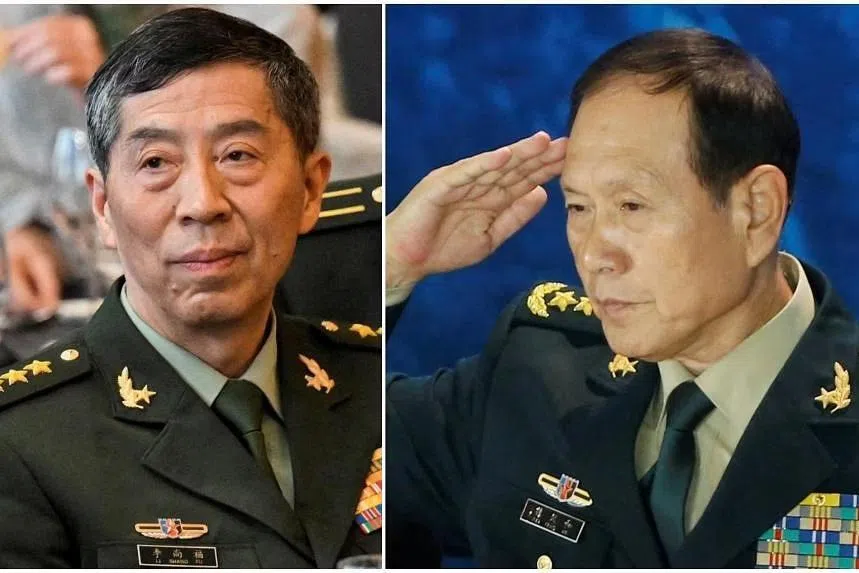
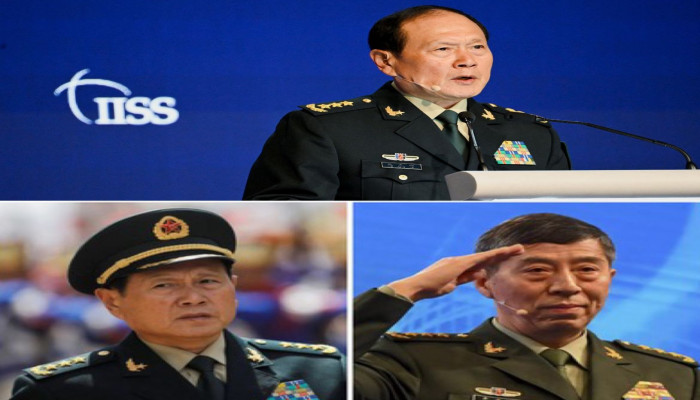
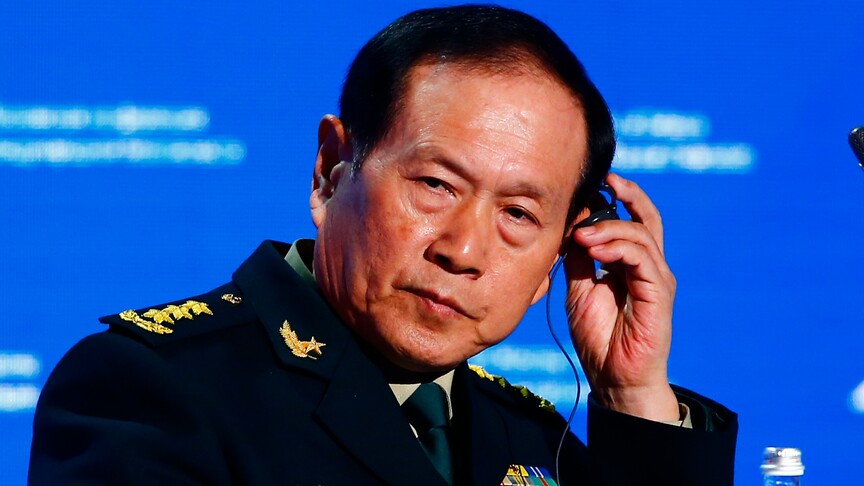
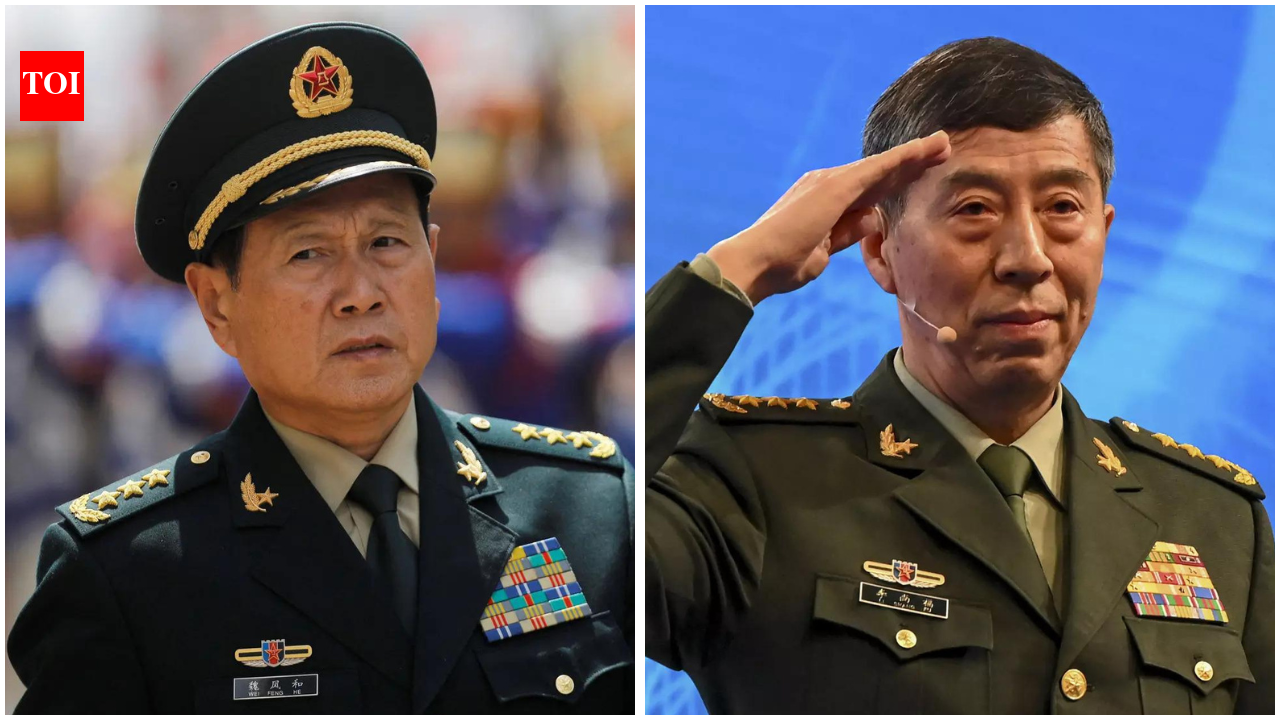
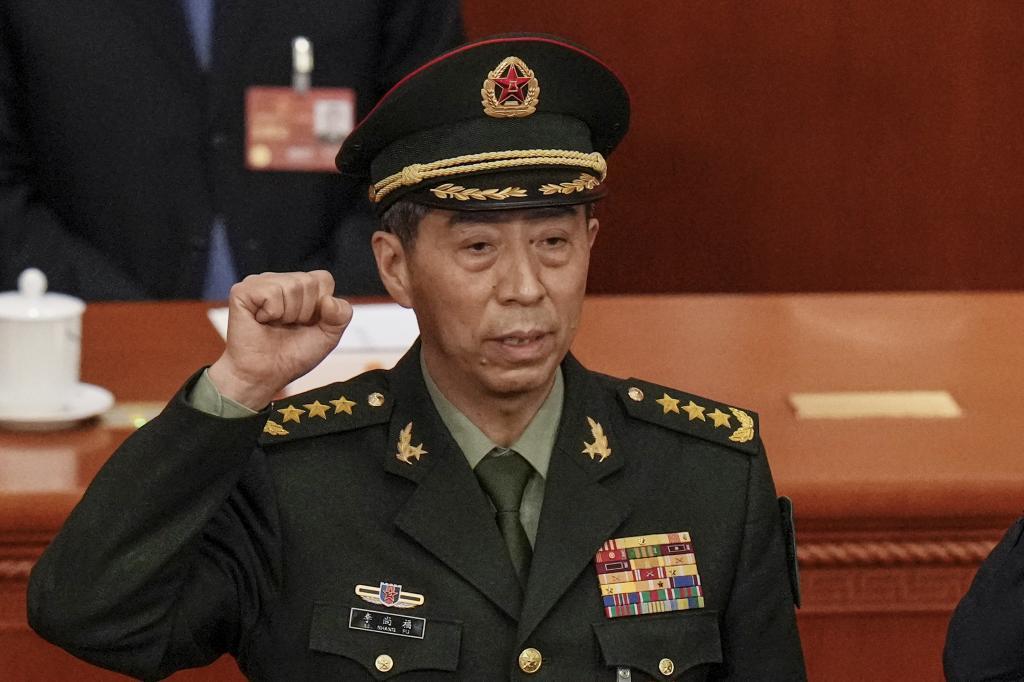
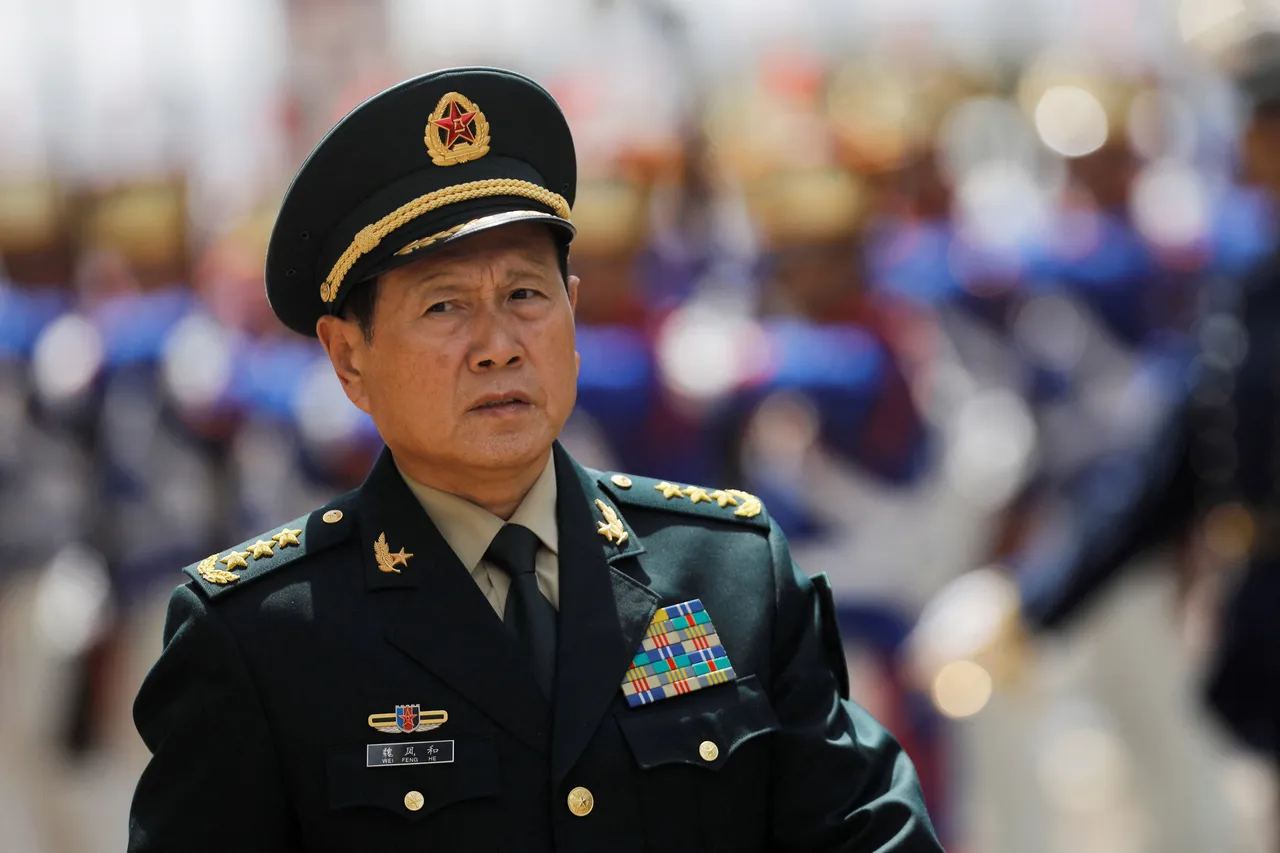
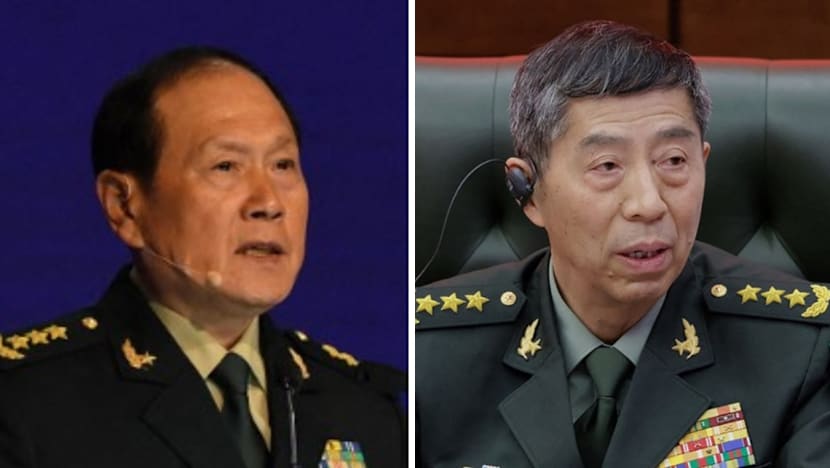
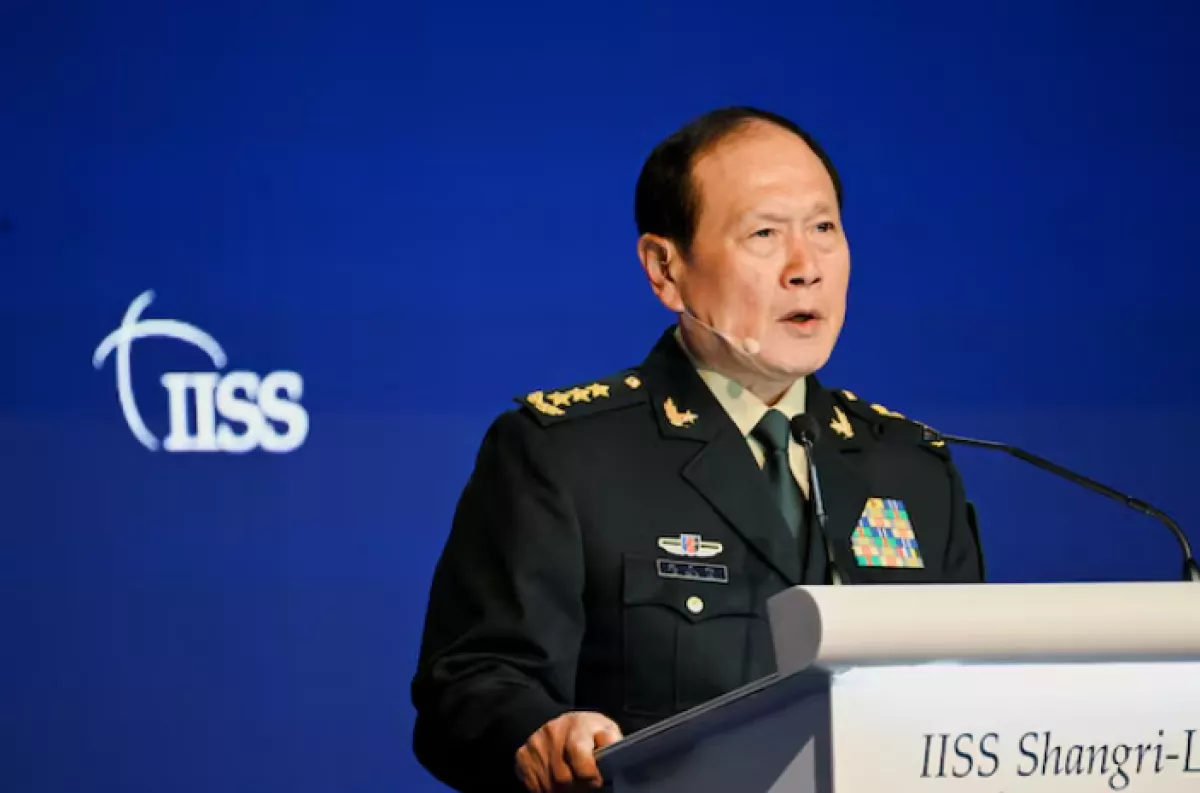
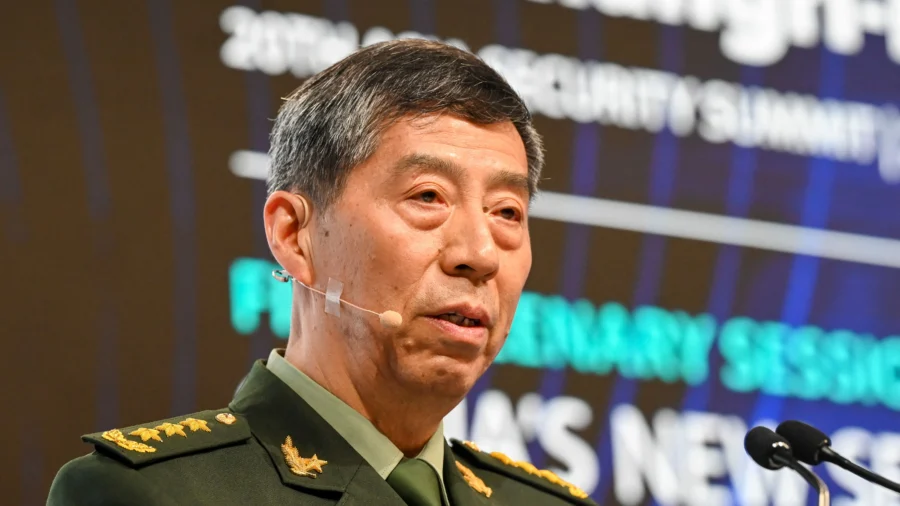
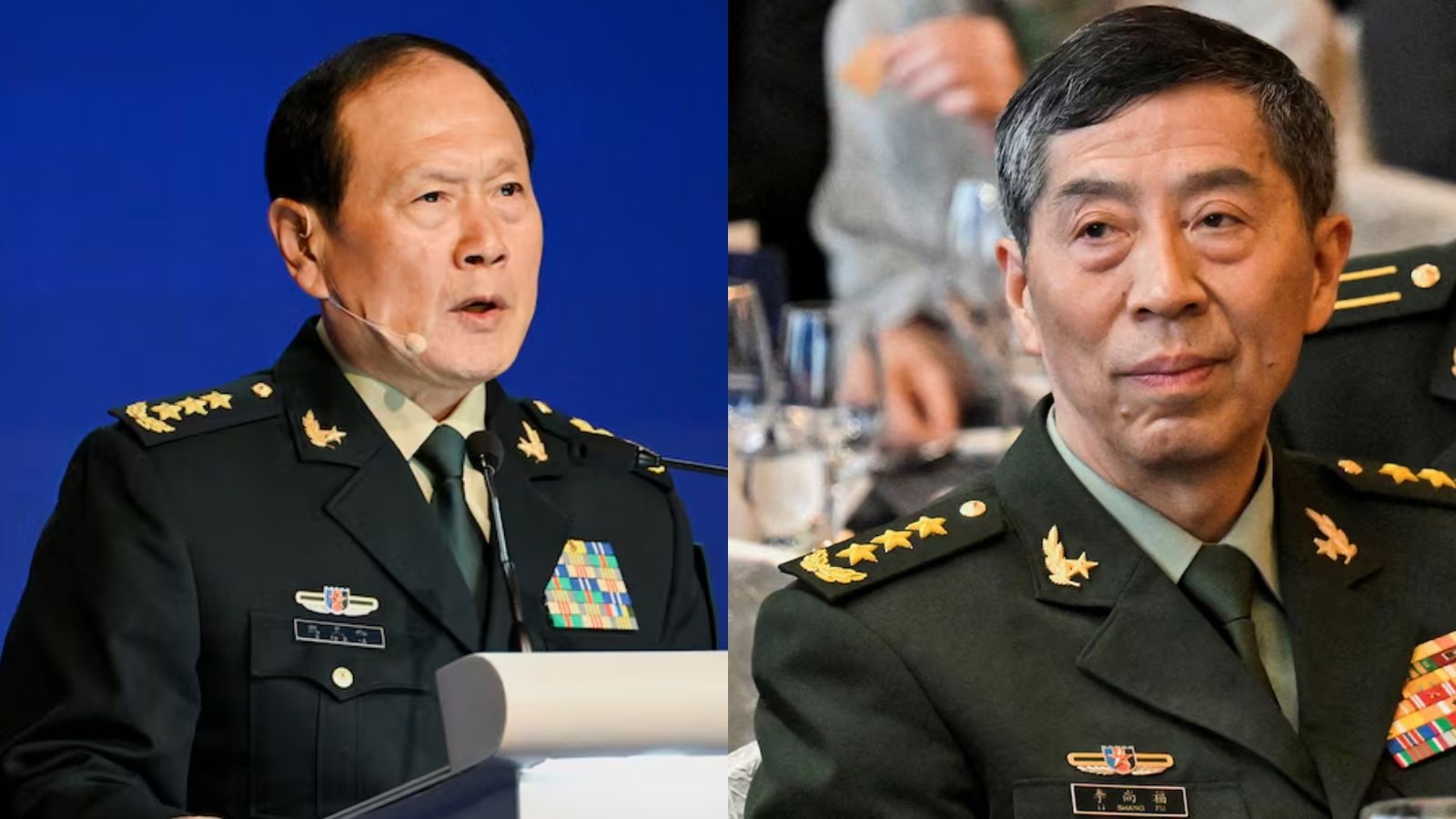
China's sweeping military anti-corruption campaign has reached a critical inflection point with the May 7, 2026 sentencing of two former defense ministers—Wei Fenghe and Li Shangfu—to suspended death sentences (effectively life imprisonment). This represents the highest-level military convictions in Xi Jinping's broader purge that has removed or disappeared approximately 100 senior PLA officers since 2022, including 36 officially purged generals and lieutenant generals. The Center for Strategic and International Studies reports 52 of the PLA's top leadership positions have been affected across multiple purges, with Zhang Youxia (the top military general) removed in January 2026.
For cross-border e-commerce sellers, this governance consolidation creates indirect but material supply chain risks. While the military purge itself doesn't directly alter platform policies or logistics networks, it signals Xi's intensifying control over China's institutional apparatus—a pattern historically preceding regulatory tightening on foreign business operations. The purge's focus on "corruption and disloyalty" reflects Xi's view that institutional discipline directly impacts economic governance. Sellers with manufacturing dependencies in China should monitor three emerging risks: (1) Regulatory unpredictability: Consolidation of power often precedes sudden policy shifts affecting foreign business compliance, customs procedures, and export licensing; (2) Supply chain disruption: The International Institute for Strategic Studies warns the purge has created "serious deficiencies in China's command structure," potentially affecting military-adjacent industries (aerospace, defense electronics, dual-use manufacturing) that supply components to civilian e-commerce products; (3) Geopolitical escalation: Military leadership instability historically correlates with more assertive foreign policy, which can trigger tariff changes, export controls, or trade restrictions affecting sourcing costs.
The broader pattern matters more than individual convictions. Xi's anti-corruption campaign since 2012 has systematically consolidated power while critics note it serves dual purposes as a political purge tool. For sellers, this indicates China's regulatory environment will likely become more centralized, less transparent, and potentially more restrictive toward foreign business participation. The two-year reprieve period for suspended death sentences (after which sentences convert to life imprisonment) suggests Xi expects continued institutional compliance monitoring through 2028—a timeline that could encompass additional regulatory changes affecting cross-border commerce.
Immediate seller implications: Diversify sourcing away from single-supplier Chinese dependencies; monitor Chinese customs and export licensing announcements; review supply chain insurance for geopolitical disruption; track regulatory changes through official Chinese government channels and CSIS reports on PLA restructuring.
Questions 8
What supply chain categories are most vulnerable to China's military restructuring?
Sellers sourcing dual-use components (electronics, semiconductors, precision manufacturing) and military-adjacent products face elevated risk because the purge specifically targets the Rocket Force (which oversees nuclear weapons and conventional missiles) and command structure. The International Institute for Strategic Studies warns the purge has created 'serious deficiencies in China's command structure,' potentially affecting civilian suppliers to defense contractors. Additionally, sellers in electronics, telecommunications, and advanced manufacturing should monitor export control changes, as Xi's consolidation often precedes tighter restrictions on sensitive technology exports. Diversifying sourcing to Vietnam, India, or Southeast Asia can mitigate concentration risk in Chinese supply chains.
When should sellers expect regulatory changes from this military consolidation?
The two-year reprieve period for suspended death sentences extends through May 2028, suggesting Xi's institutional consolidation timeline extends to that date. Historically, major purges in China precede regulatory changes within 6-18 months. Sellers should expect potential policy shifts affecting customs procedures, export licensing, and foreign business compliance through 2028. Key monitoring points include: Q3 2026 (post-sentencing institutional adjustments), Q1 2027 (potential policy announcements), and Q2 2028 (reprieve period conclusion). Sellers should review supply chain insurance, establish compliance monitoring systems, and maintain relationships with Chinese customs brokers who can provide early warning of regulatory changes.