


Chipotle's Portion Control Crisis Reveals Premium Pricing Vulnerability | Seller Lessons
- CEO messaging contradicts store-level enforcement; 4 quarters of transaction decline signal consumer skepticism about value; premium ingredient surcharges ($2.50-$4.10) create friction points for fast-casual retail model









Overview
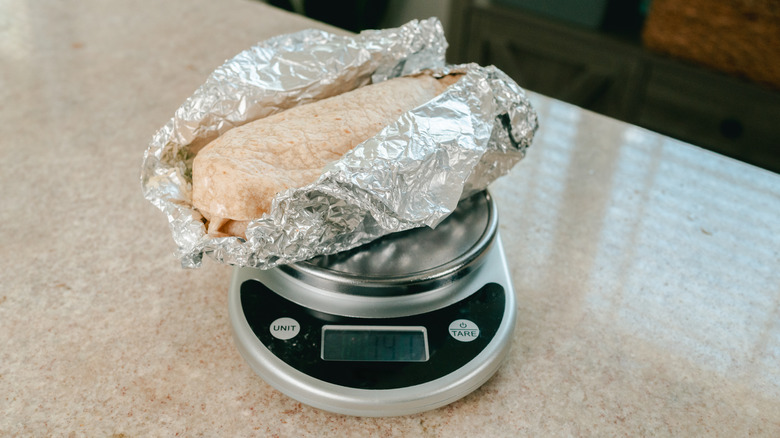
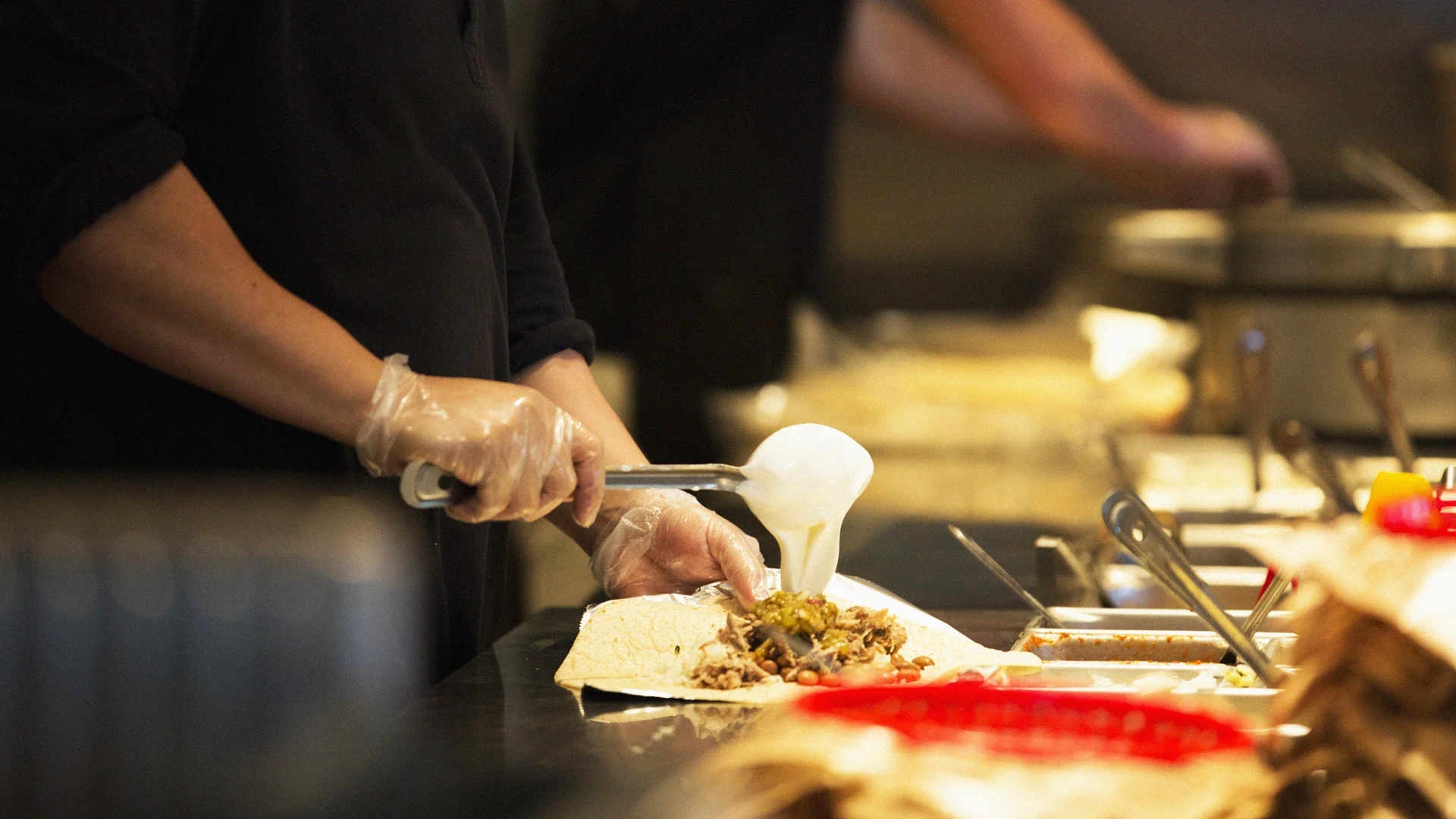
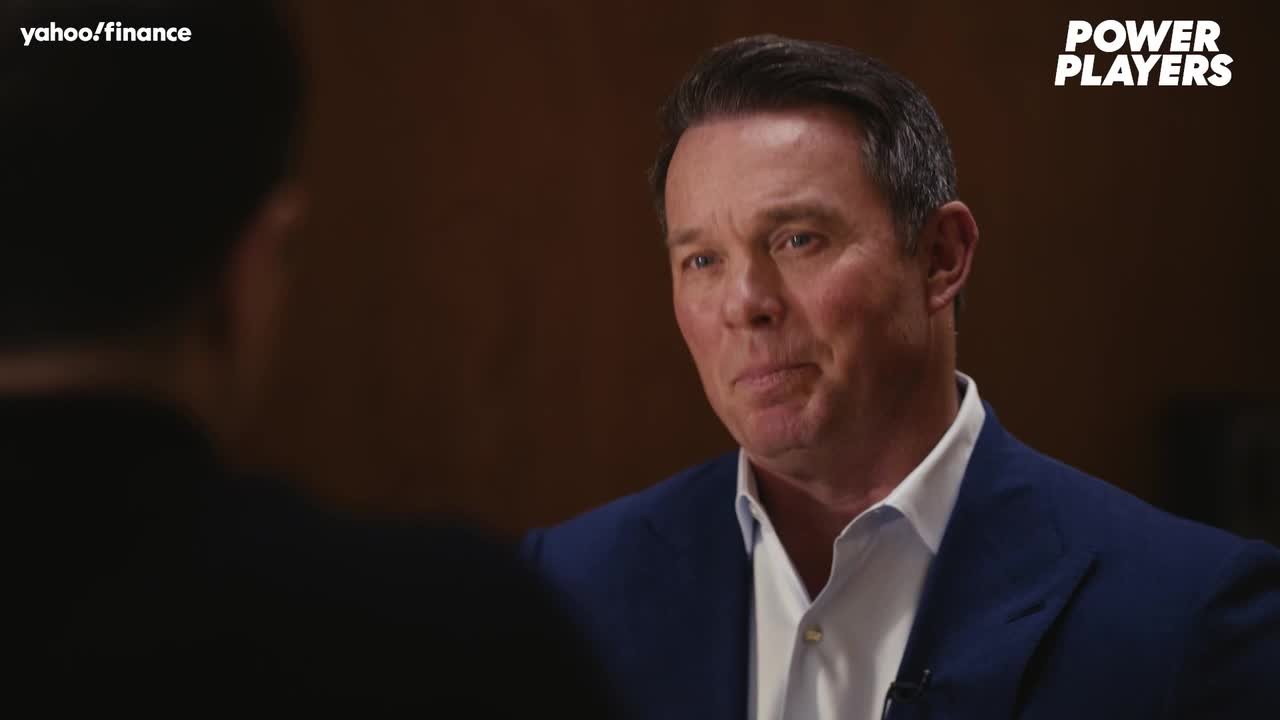
Chipotle's portion size controversy exposes critical gaps between corporate messaging and operational execution, with direct implications for how premium-positioned brands manage customer expectations and pricing transparency. CEO Scott Boatwright's viral claim that customers should "just ask for more food" contradicts documented store-level practices where staff enforce strict portion limits and charge $2.50-$4.10 surcharges for premium ingredients (protein, guacamole, queso, cilantro lime sauce). A Wells Fargo analyst's 2024 study of 72 bowls across 8 NYC locations documented inconsistent portions, while Business Insider's testing across 3 California locations revealed enforcement varies dramatically by manager discretion and supply availability—directly contradicting the CEO's "no questions asked" promise.
The operational reality reveals a tiered pricing system masquerading as abundance. Chipotle's official policy permits free additions of non-premium items (rice, beans, vegetables, salsa, cheese, lettuce) but charges for premium proteins and specialty sauces. However, employees report that when supplies run low, managers instruct staff to "watch your portions," creating customer friction and contradicting brand positioning. This disconnect has escalated customer requests for extra portions while simultaneously increasing frustration when surcharges apply—particularly damaging given Chipotle's Q1 2026 earnings call emphasized "generous portions" as critical to reversing 4 consecutive quarters of transaction decline.
The broader strategic vulnerability: premium pricing requires premium transparency. Chipotle's 2025 price increases (following late 2024 hikes) combined with tariff absorption claims position the brand as premium-quality, yet operational inconsistencies undermine that positioning. The company's core customer base skews younger with higher income levels—demographics highly sensitive to perceived value misalignment. Competitors like Cava and Sweetgreen face identical pressure to justify premium pricing amid consumer skepticism. The real issue isn't portion size; it's that corporate messaging (abundance, customization, quality) conflicts with store-level execution (portion limits, surcharges, supply constraints). This creates a trust deficit that no menu expansion (desserts, breakfast items, new sauces) can repair without operational alignment.
For retail operations and O2O strategies, this case study demonstrates why operational consistency matters more than marketing claims. Brands expanding offline presence through pop-ups, showrooms, or retail partnerships must ensure store-level staff training aligns with corporate positioning. The portion controversy shows that inconsistent execution across locations damages brand equity faster than transparent pricing would. Sellers in premium food/supplement categories should prioritize clear, consistent portion/dosage communication across all touchpoints—online product descriptions, in-store signage, and staff training—rather than relying on customer requests to clarify value propositions.
Questions 8
How should premium brands align messaging with operational execution?
Chipotle's core customer base skews younger with higher income—demographics highly sensitive to value misalignment. The company positioned itself as premium-quality with 'real ingredients' and 'customizable meals,' yet store-level practices (portion limits, surcharges, supply constraints) contradict this positioning. Corporate messaging about 'abundance' and 'big, beautiful bowls' conflicts with documented inconsistent portions and manager-discretionary surcharges. For sellers expanding offline through pop-ups, showrooms, or retail partnerships, this case study shows that operational consistency matters more than marketing claims. Brands must: (1) Train all staff on consistent portion/dosage standards, (2) Clearly communicate pricing for premium add-ons, (3) Ensure supply chain can support promised portion sizes, (4) Monitor store-level execution against corporate standards, (5) Adjust messaging if operations can't deliver—transparency beats false promises.
What retail partnership opportunities exist for premium food/supplement sellers?
Chipotle's portion controversy reveals that fast-casual chains struggle with operational consistency and customer trust. The company is expanding menu offerings (desserts, breakfast items, dipping sauces) to drive transaction growth, indicating openness to new product partnerships. Competitors like Cava and Sweetgreen face identical pressure to justify premium pricing. For premium food and supplement sellers, this creates partnership opportunities: (1) Supply premium proteins or specialty ingredients that differentiate menu offerings, (2) Provide portion-controlled packaging that ensures consistency, (3) Offer transparent sourcing documentation to support 'real ingredients' positioning, (4) Develop training materials for staff to communicate value clearly. Sellers should target fast-casual chains struggling with transaction decline and customer skepticism about value—these chains need differentiated products and operational solutions to rebuild trust.