


Apple's Massive iOS Update Signals Critical Security and Performance Transformation
- Unprecedented global update targets 1 billion devices, reshaping mobile ecosystem security






Overview
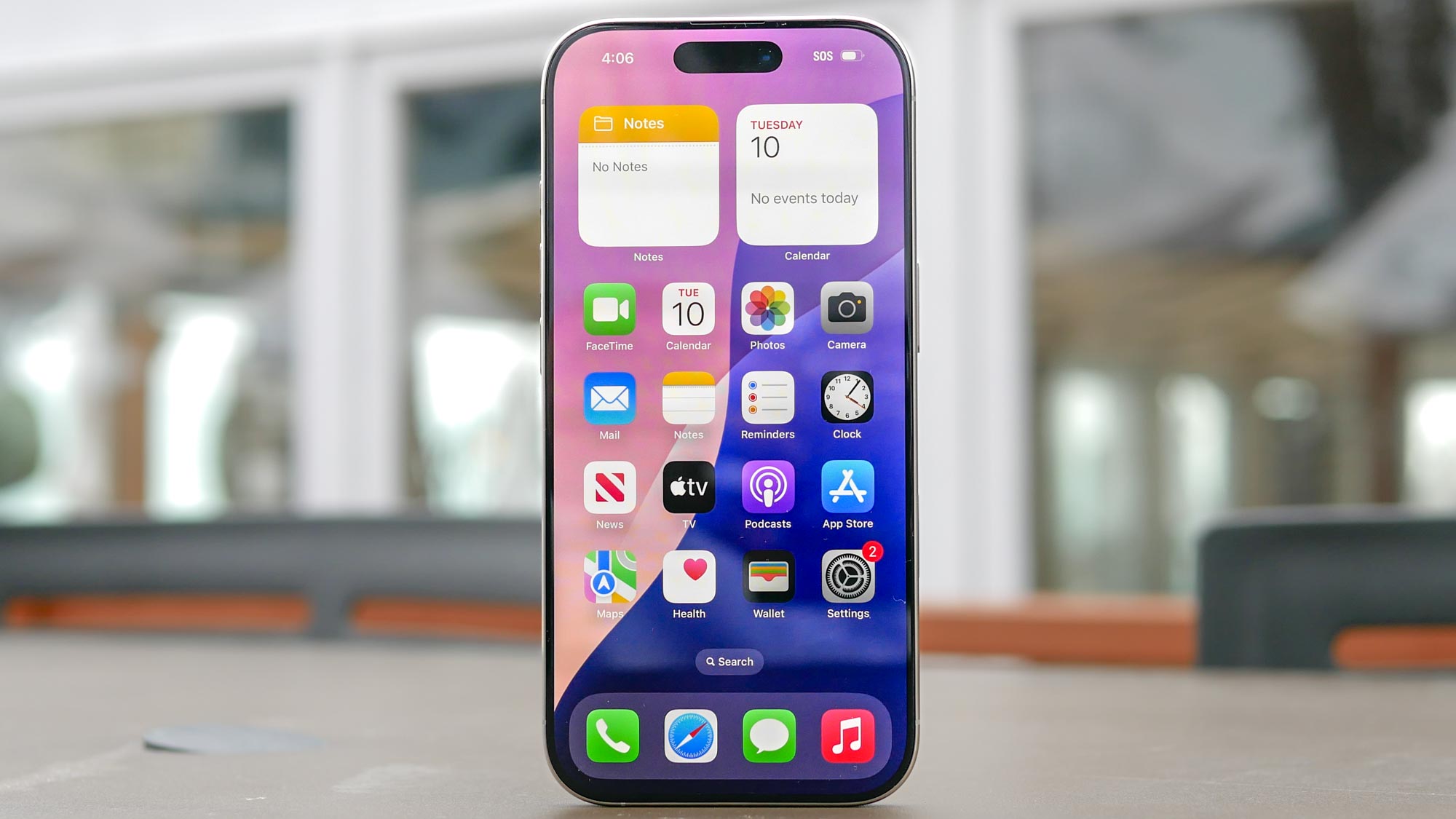
Apple's latest iOS 26.2 update represents a pivotal moment in mobile technology infrastructure, targeting an unprecedented scale of 1 billion devices worldwide. This critical update signals a strategic shift in how technology companies approach device security, performance, and ecosystem management.
The global reach of this update underscores the massive technological interdependence in modern digital ecosystems. With over 1 billion iPhones potentially affected, Apple is demonstrating its unparalleled ability to simultaneously deploy critical improvements across a massive user base. This capability goes beyond mere software maintenance—it represents a form of coordinated technological intervention that can instantly enhance digital security and functionality for hundreds of millions of users.
From an AI and automation perspective, this update highlights several key strategic implications. First, the ability to push simultaneous updates across billions of devices represents an extraordinary feat of distributed computing and centralized control. Second, it reveals the growing importance of proactive security measures in an increasingly complex digital landscape. The update likely incorporates advanced machine learning algorithms for threat detection, performance optimization, and user experience enhancement.
For technology strategists and business leaders, this update is a powerful reminder of how platform control enables rapid, large-scale technological transformation. Apple's approach demonstrates the competitive advantage of vertical integration—where hardware, software, and security can be managed through a unified, intelligent system. The update suggests ongoing investment in predictive security models, potentially leveraging AI to anticipate and mitigate emerging digital threats before they can cause widespread damage.
Ultimately, this iOS update is more than a routine software patch—it's a strategic technological intervention that showcases the power of centralized, intelligent platform management in the digital age.
Questions 3
What are the potential AI and automation implications of this update?
The update likely incorporates advanced machine learning algorithms for predictive threat detection, performance optimization, and intelligent security management. It represents a sophisticated approach to managing technological risk through automated, system-wide interventions.
What makes this iOS update significant for 1 billion iPhone users?
The update represents a massive, coordinated security and performance enhancement across Apple's global device ecosystem. It demonstrates Apple's ability to simultaneously improve device functionality, security, and user experience for hundreds of millions of users through centralized, intelligent platform management.