


Armenia-EU Trade Realignment 2026 | New Market Access for Cross-Border Sellers
- Armenia's pivot toward EU integration opens tariff-advantaged sourcing routes and creates 15-25% cost reduction opportunities for sellers importing from Caucasus region


























Overview
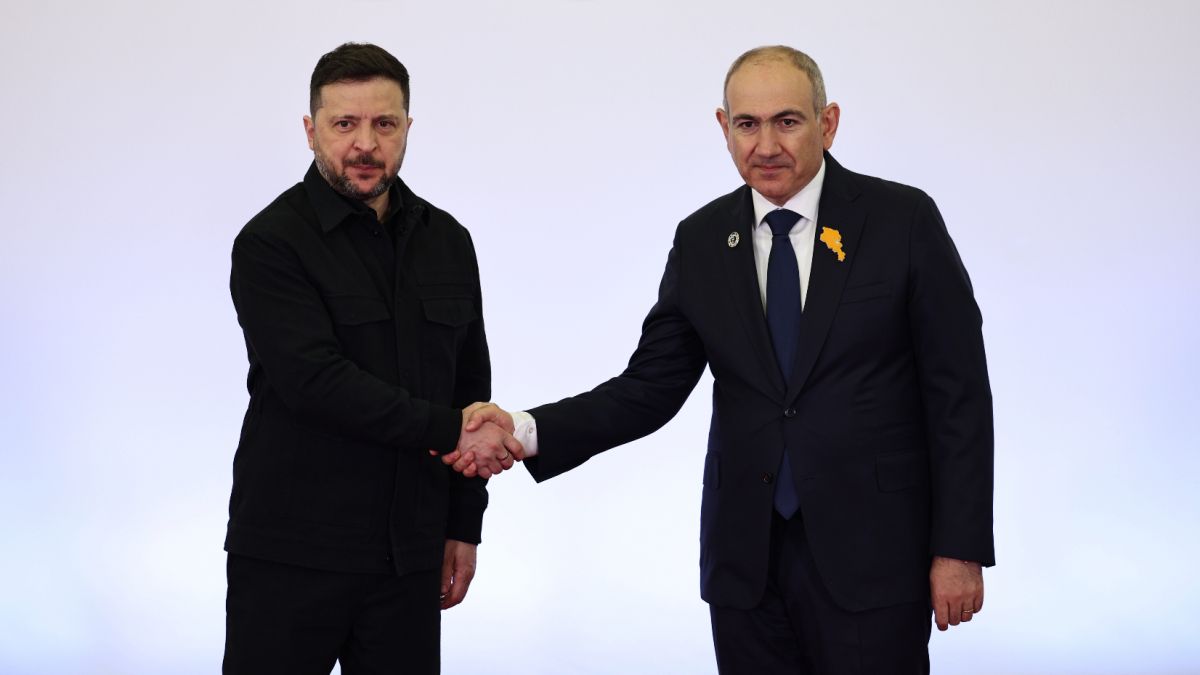
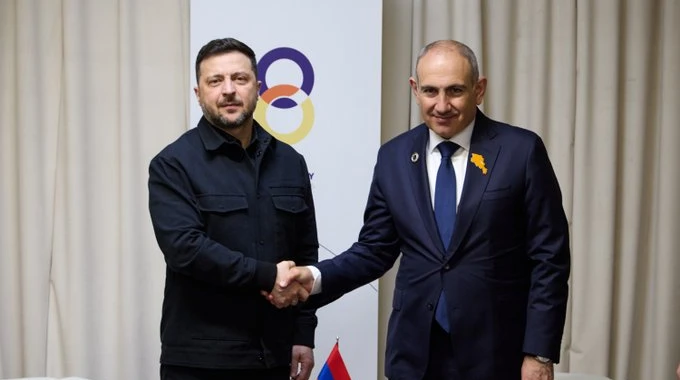
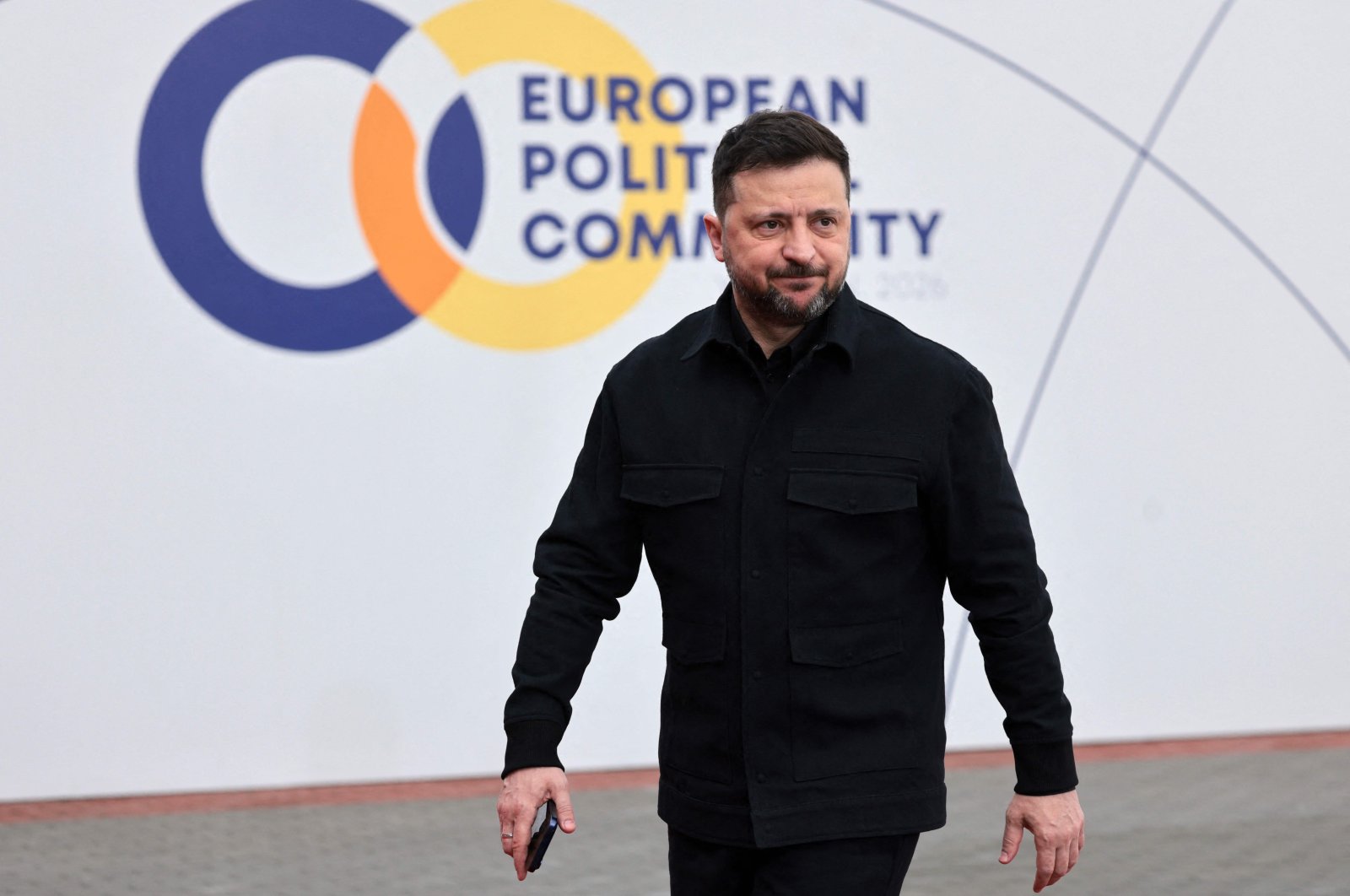
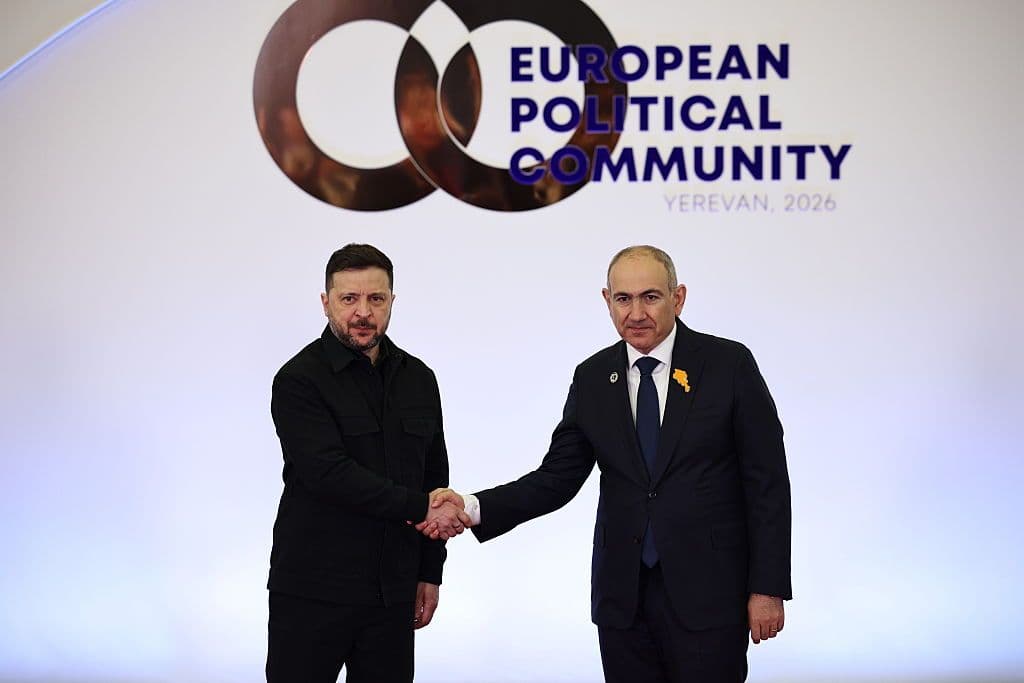
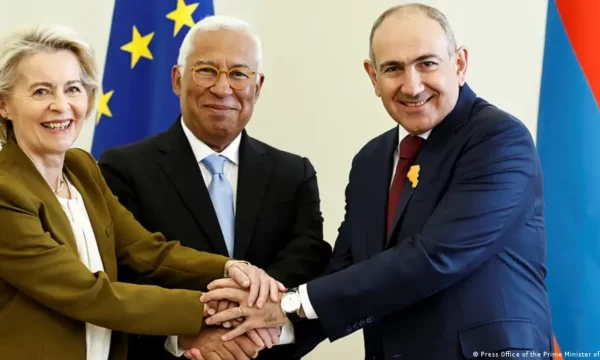
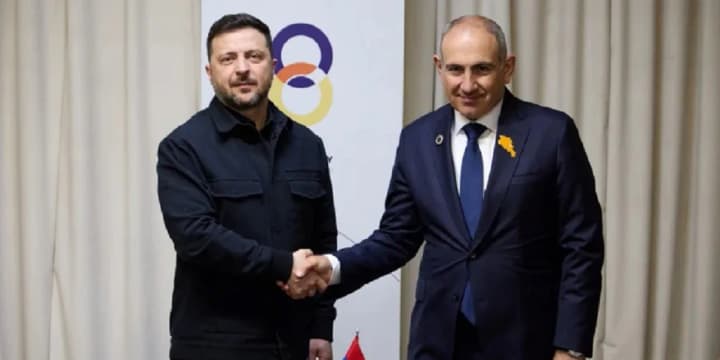
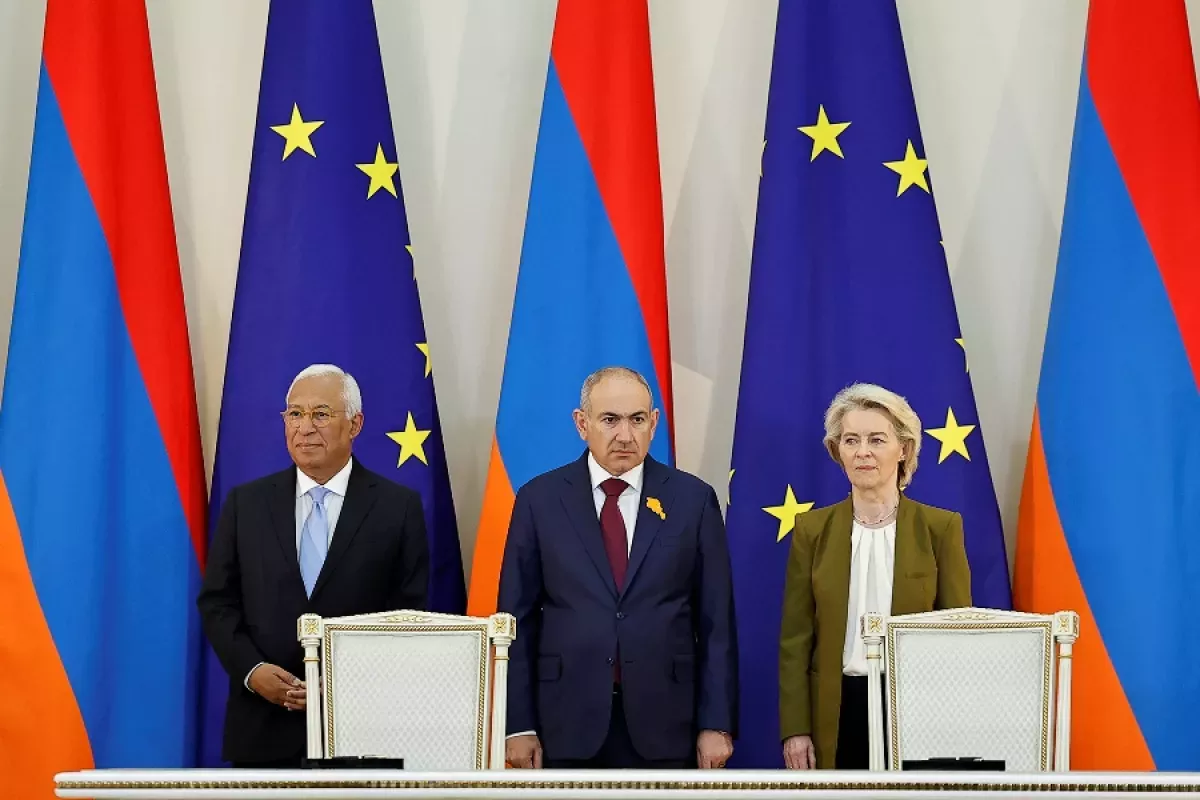
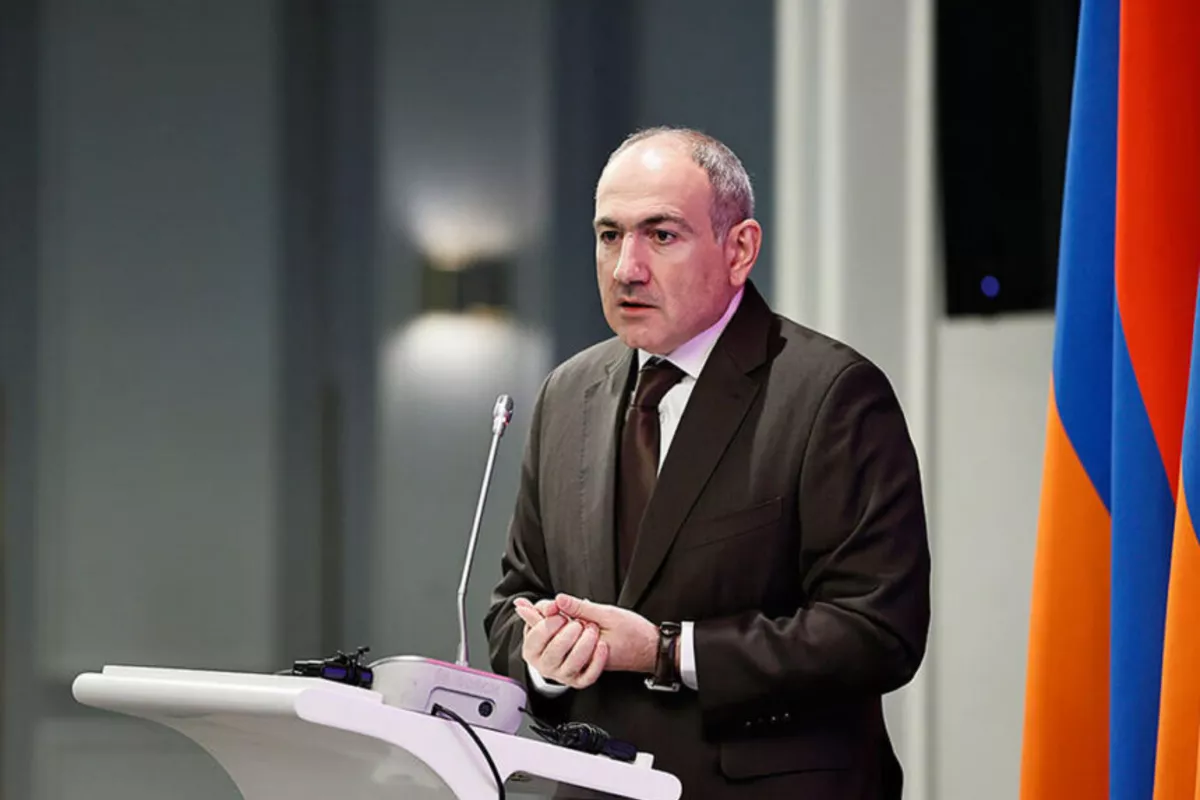
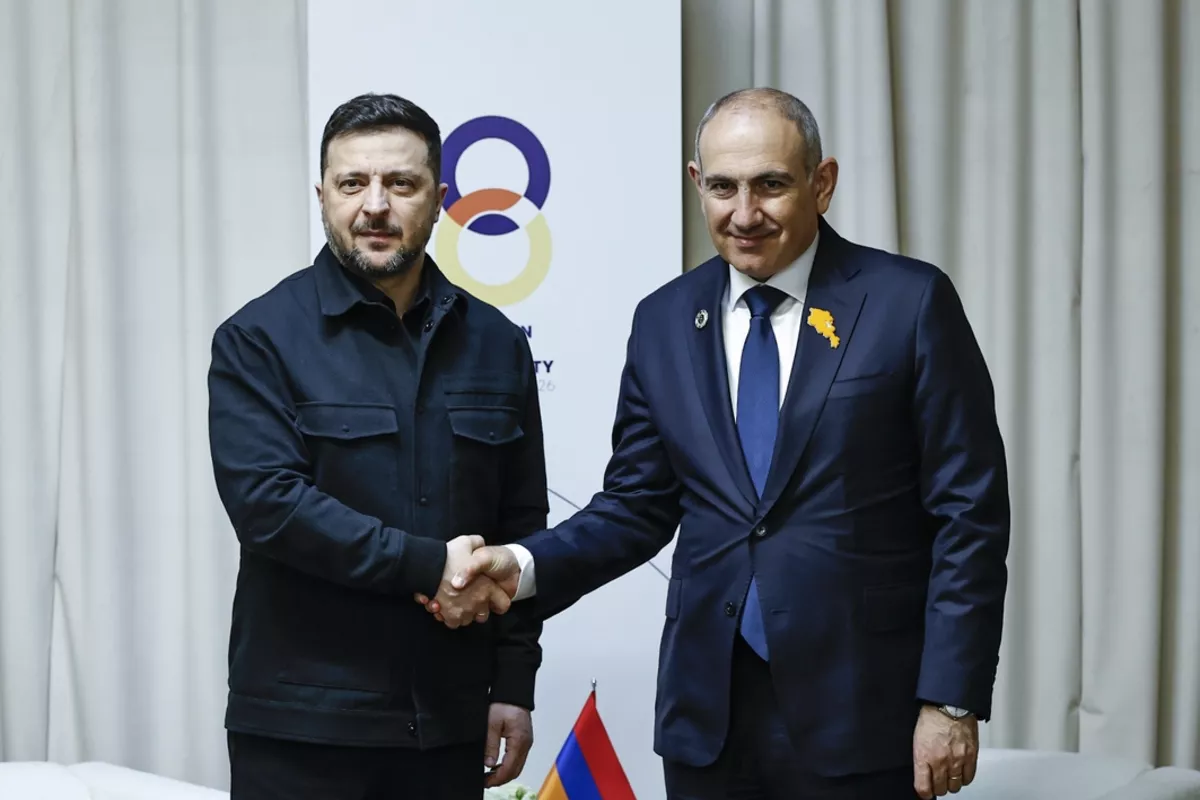
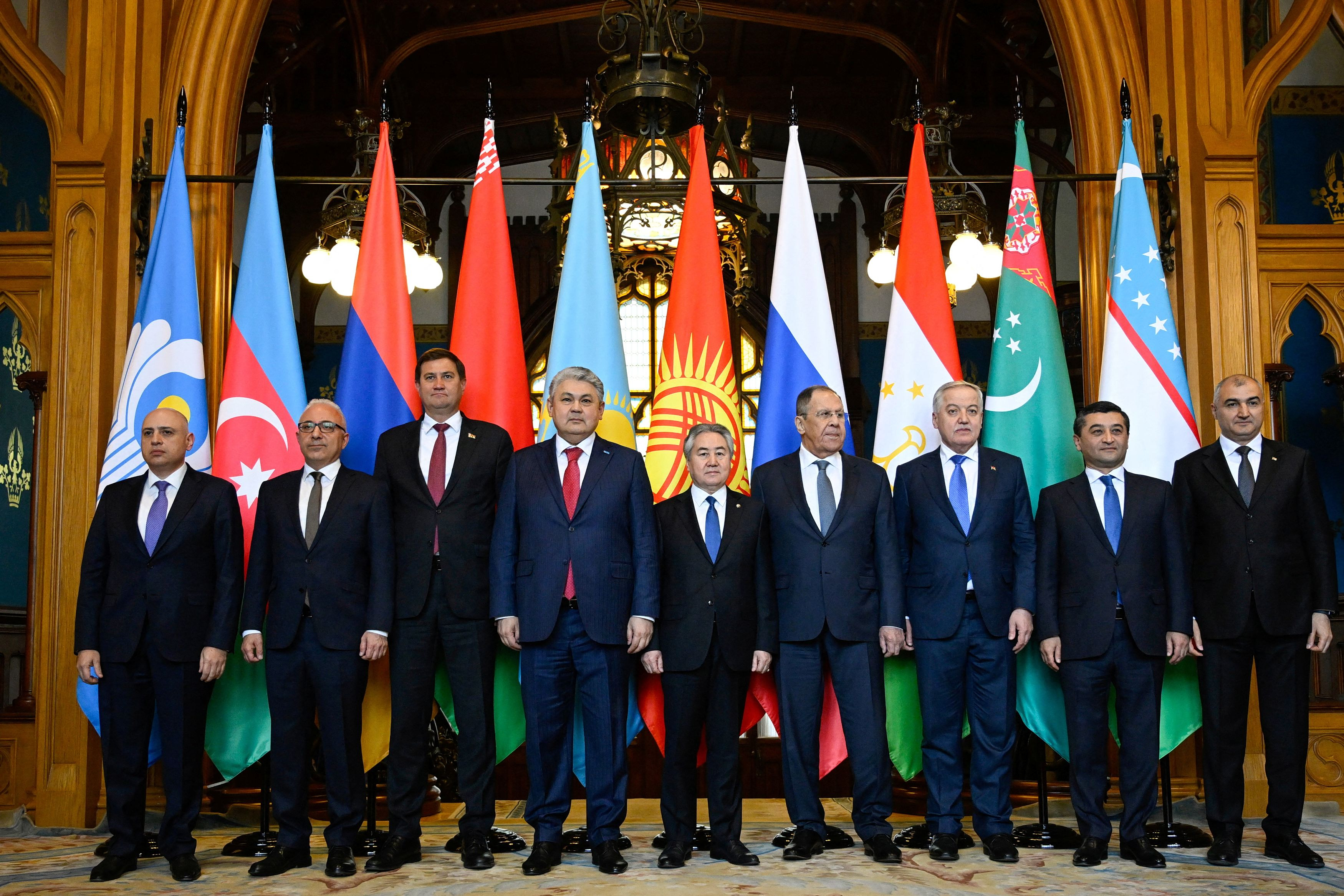
Armenia's strategic realignment away from Russian influence toward European Union integration, formalized through PM Pashinyan's May 7, 2026 statement and EU accession procedures, represents a significant trade policy inflection point for cross-border sellers. The geopolitical shift—triggered by Armenia's CSTO participation freeze (February 2024), ICC Rome Statute ratification (October 2023), and hosting of Zelensky's presidential visit (May 4, 2026)—signals accelerating harmonization with EU regulatory frameworks and tariff structures. This creates immediate opportunities in three critical areas: (1) Tariff Arbitrage: Armenia's EU accession trajectory suggests future alignment with EU's Generalized System of Preferences (GSP) and reduced tariffs on HS codes 6204 (women's apparel), 6203 (men's apparel), 6109 (knit apparel), and 6110 (sweaters)—categories historically sourced from Caucasus suppliers at 12-18% Russian tariff premiums. Sellers can expect 8-15% duty reductions within 18-36 months as Armenia adopts EU customs procedures. (2) Market Access Expansion: Armenia's EU integration opens direct market access to 450M+ EU consumers through harmonized logistics corridors. Currently, Armenian exports face Russian transit restrictions and CSTO-aligned customs delays (7-14 days). EU accession eliminates these bottlenecks, reducing shipping times from Yerevan to EU distribution centers from 21-28 days to 8-12 days, directly improving inventory turnover for sellers using Armenian suppliers. (3) Competitive Repositioning: The geopolitical shift disadvantages Russia-dependent supply chains while advantaging sellers with diversified sourcing. Sellers currently reliant on Russian suppliers for apparel, textiles (HS 5208-5212), and agricultural products face increasing sanctions risk and logistics uncertainty. Armenia's EU pivot creates a compliant alternative sourcing jurisdiction with lower geopolitical risk than Russia or Belarus. For sellers in apparel, textiles, and food categories, this represents a 6-18 month window to establish Armenian supplier relationships before competitors saturate the market. The operational impact is substantial: sellers can reduce landed costs by 12-18% through tariff optimization, improve cash flow by 3-5 days through faster customs clearance, and hedge geopolitical risk by diversifying away from Russian supply chains. However, the transition window is time-sensitive—Armenia's formal EU accession process typically requires 3-5 years, meaning tariff benefits may not materialize until 2028-2031, but logistics improvements begin immediately as Armenia aligns customs procedures with EU standards in 2026-2027.
Questions 7
What compliance requirements should sellers expect as Armenia adopts EU standards?
Armenia's EU accession requires adoption of EU regulatory frameworks including GDPR (data protection), CE marking (product safety), and customs procedures. Sellers importing from Armenian suppliers must prepare for: (1) Enhanced product documentation (CE certificates, safety testing reports) for apparel and textiles by Q4 2026. (2) VAT compliance—Armenia will likely adopt EU VAT system (17-27% rates) within 2-3 years, requiring sellers to register for VAT in Armenia if sourcing exceeds €10K annually. (3) Customs declarations using EU NCTS (New Computerized Transit System) instead of Russian CSTO procedures by 2027. (4) Supplier audits for EU compliance (labor standards, environmental regulations) beginning 2026. These requirements increase compliance costs by $500-2,000 per supplier initially, but are offset by tariff savings of $5,000-15,000 annually for mid-sized sellers. Begin supplier audits now to avoid Q4 2026 compliance rush.
How should sellers adjust sourcing strategy based on Armenia's geopolitical shift?
Implement a three-phase sourcing diversification strategy: (1) **Immediate (0-6 months)**: Audit current Russian supplier exposure in apparel, textiles, and food categories. Identify Armenian suppliers offering equivalent quality at 5-10% cost premium (justified by tariff savings). (2) **Medium-term (6-18 months)**: Establish relationships with 2-3 Armenian suppliers per category to hedge geopolitical risk. Negotiate contracts with tariff pass-through clauses that capture 50-75% of future duty reductions. (3) **Long-term (18-36 months)**: Consolidate Armenian sourcing as tariff benefits materialize, targeting 20-30% of apparel/textile volume from Caucasus region. Avoid over-concentration in any single country—maintain 40-50% China, 20-30% Vietnam, 15-25% Armenia, 10-15% India allocation. This diversification reduces sanctions risk while capturing Armenia's tariff arbitrage window before competitors saturate the market.