

South Korea Semiconductor Boom | Supply Chain Stabilization Unlocks Cross-Border Payment Opportunities
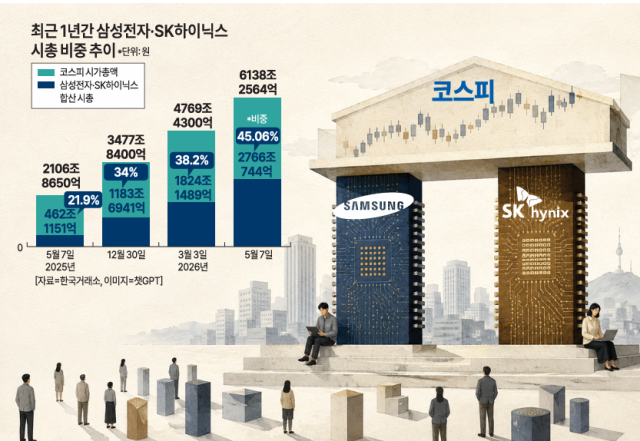
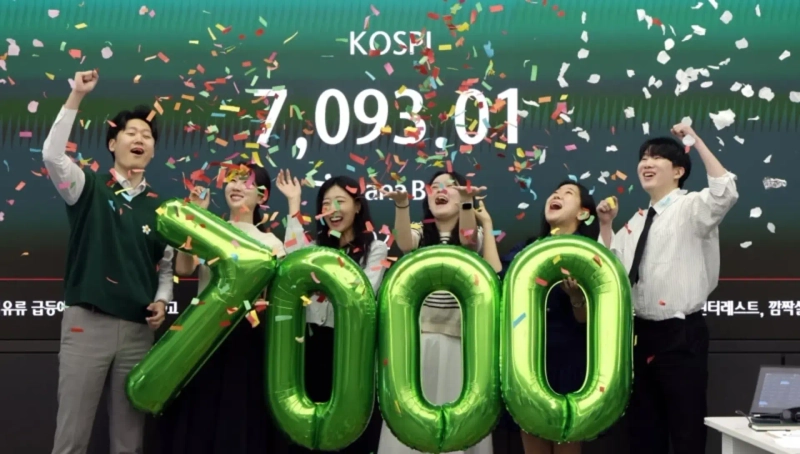
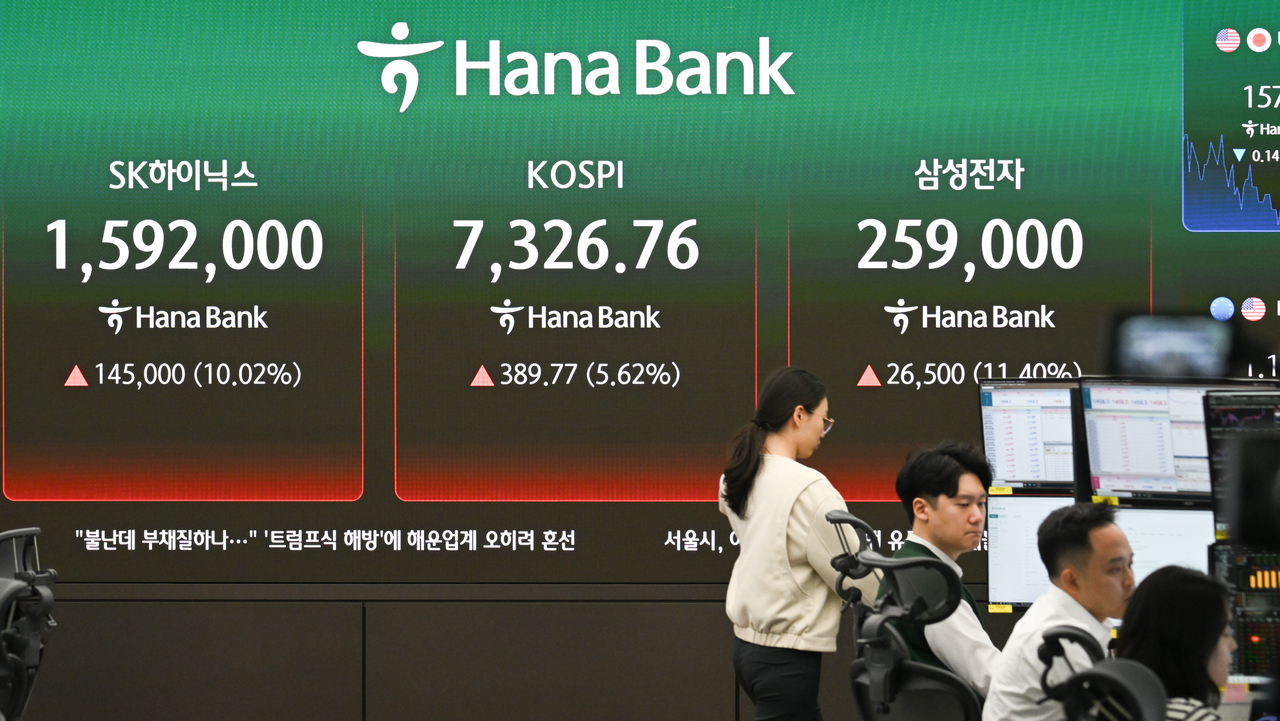
- KOSPI surges 78% YTD driven by Samsung (111% gain) and SK Hynix (144% gain); energy crisis resolution reduces geopolitical risk premiums for sellers sourcing Korean components








)














Overview
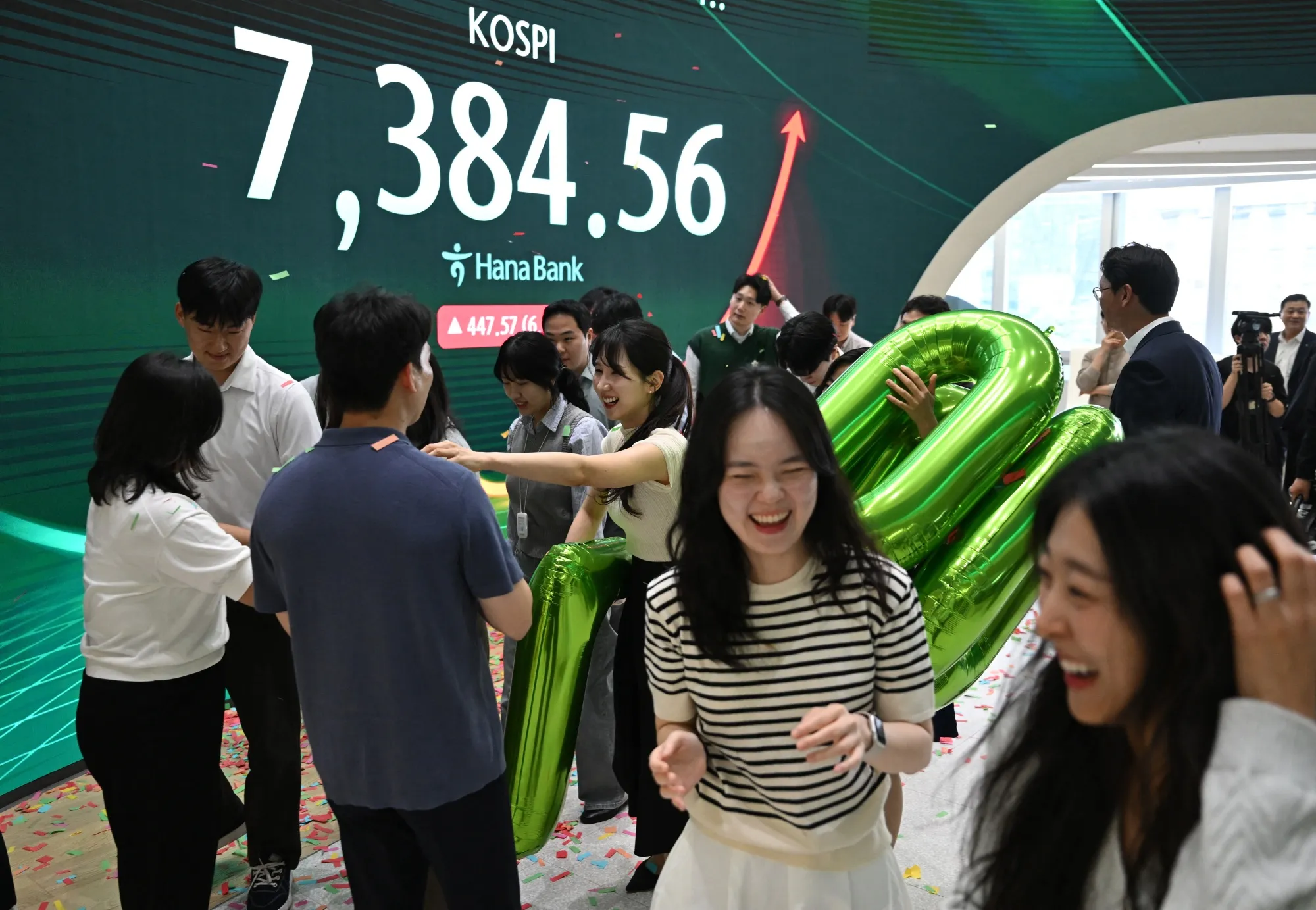
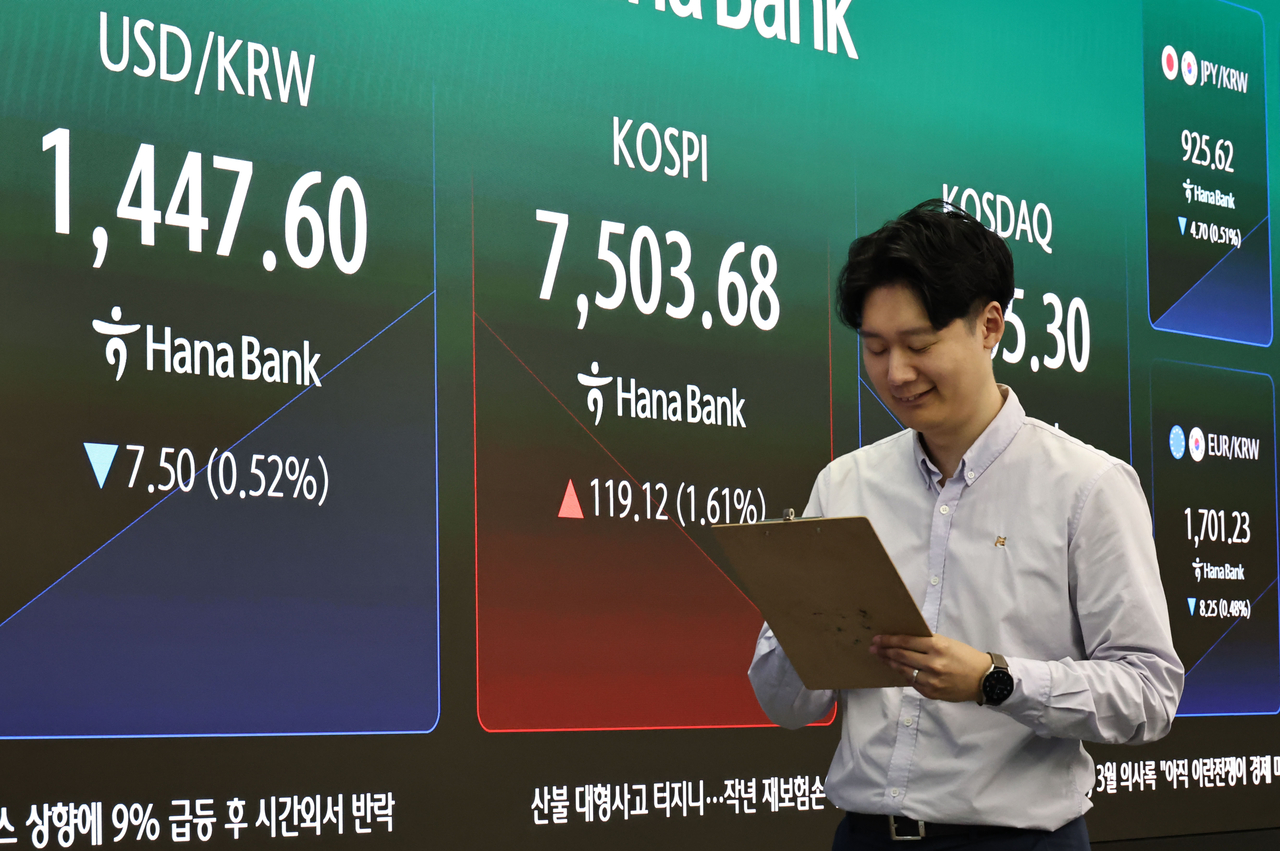
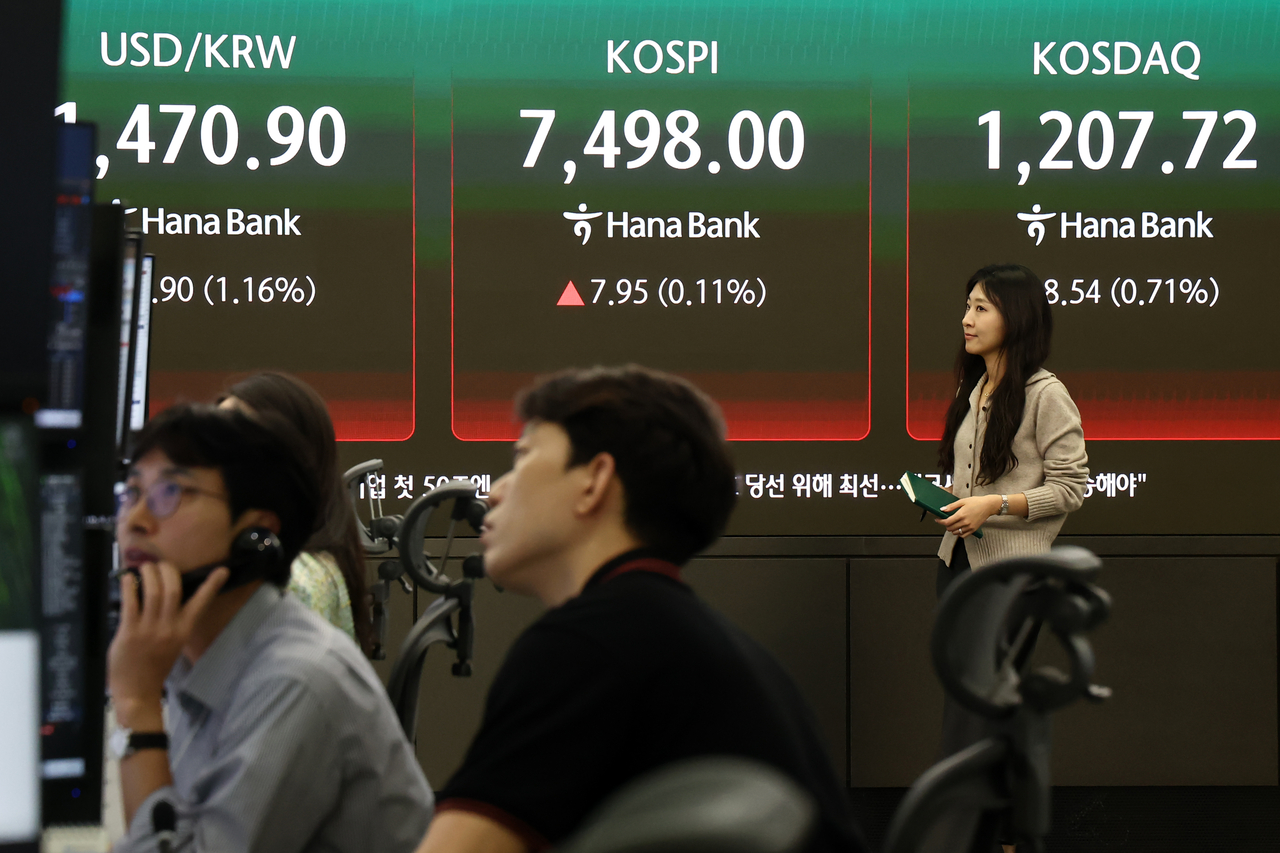
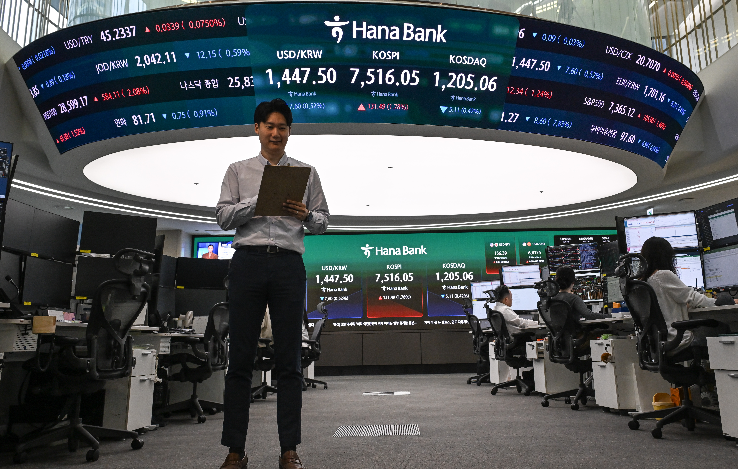
South Korea's exceptional market performance—KOSPI up 78% year-to-date through May 2026, far outpacing the Nasdaq's 11% gain—creates immediate financial optimization opportunities for cross-border e-commerce sellers. The rally is anchored by semiconductor giants Samsung Electronics and SK Hynix, which represent over 40% of the KOSPI's composition and dominate high-bandwidth memory markets critical to AI infrastructure. Samsung's achievement of $1 trillion market valuation (only the second Asian company to reach this milestone) signals sustained confidence in Korean tech leadership.
For sellers sourcing semiconductors, components, or technology products from South Korea, the energy crisis resolution between late March and May 2026 eliminates a critical tail risk that had triggered an 18.7% market decline (EWY's worst monthly performance since 2008). The government's successful supply diversification—reducing Middle East crude dependence from 69% to 56% in a single month by securing 974.62 million barrels for May alone and shifting non-Middle East crude arrivals at Ulsan port from 12% to 30%—ensures uninterrupted manufacturing capacity. This stabilization directly reduces geopolitical risk premiums embedded in component pricing and shipping costs.
Payment optimization opportunities emerge from three financial dynamics: First, the Won's strength (reflected in the 75% KOSPI gain in USD terms) creates favorable FX conditions for sellers paying Korean suppliers in local currency—the currency appreciation means lower effective costs when converting USD to KRW for invoices. Sellers should lock in forward contracts now before further Won appreciation, potentially saving 3-5% on component costs. Second, Samsung and SK Hynix's market confidence enables improved trade credit terms; suppliers facing reduced bankruptcy risk are more willing to extend 60-90 day payment terms instead of 30-day COD arrangements, unlocking 30-60 days of working capital. Third, the energy crisis resolution eliminates supply chain financing premiums—invoice factoring rates for Korean suppliers typically drop 150-200 basis points when geopolitical risk dissipates, reducing the cost of accelerating payments from 8-10% APR to 6-8% APR.
For sellers managing cross-border payments to Korean suppliers, the stabilized energy environment enables negotiation of better payment terms with reduced risk premiums. The removal of existential industrial output threats (which had driven up supplier financing costs) means sellers can access supply chain financing at lower rates. Additionally, the Won's strength creates a 6-12 month window where locking in forward FX contracts provides 2-4% savings on future component purchases. Sellers should immediately review supplier payment schedules and consider shifting from spot FX transactions to 90-day forward contracts, capturing the currency appreciation before market normalization.
Questions 7
How does Samsung and SK Hynix's market dominance affect component availability and pricing?
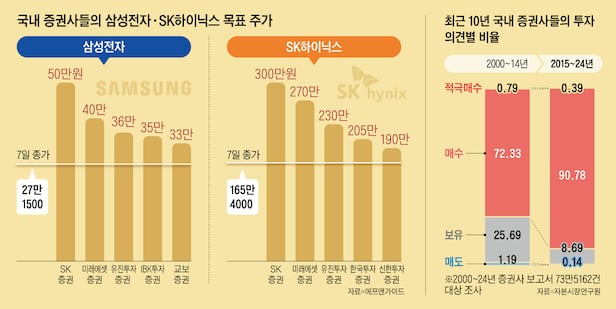
Samsung and SK Hynix represent over 40% of the KOSPI and dominate high-bandwidth memory markets essential for AI servers and data centers. Their sustained market confidence (Samsung +111%, SK Hynix +144% YTD) signals strong demand visibility through 2026-2027, improving component availability for sellers. The energy crisis resolution ensures uninterrupted manufacturing capacity, reducing supply constraints that typically drive 10-15% price premiums during geopolitical uncertainty. Sellers should expect stable or declining component prices over the next 6-12 months as supply chain risks normalize, creating opportunities to lock in long-term supply agreements at current rates before potential price increases in 2027.
What payment methods offer the lowest fees for Korean supplier transactions?
For KRW-denominated payments to Korean suppliers, bank transfers via SWIFT typically cost 0.1-0.3% of transaction value with 2-3 day settlement. However, given the Won's strength, sellers should prioritize forward contracts (0.05-0.15% cost) to lock in FX rates before appreciation accelerates. For high-volume sellers ($500K+ monthly), negotiating direct bank relationships with Korean suppliers can reduce SWIFT fees to 0.05-0.1%. Avoid credit card payments (2-3% fees) and PayPal (2.9% + $0.30) for supplier transactions; these are suitable only for small purchases under $5K.