



Southeast Asia Energy Crisis Reshapes Supply Chains | Seller Logistics Impact 2026
- 70-day Strait of Hormuz blockade increases shipping costs 15-25% for 700M+ Southeast Asian consumers; energy emergency in Philippines, Thailand, Vietnam creates fulfillment bottlenecks and sourcing opportunities
























Overview
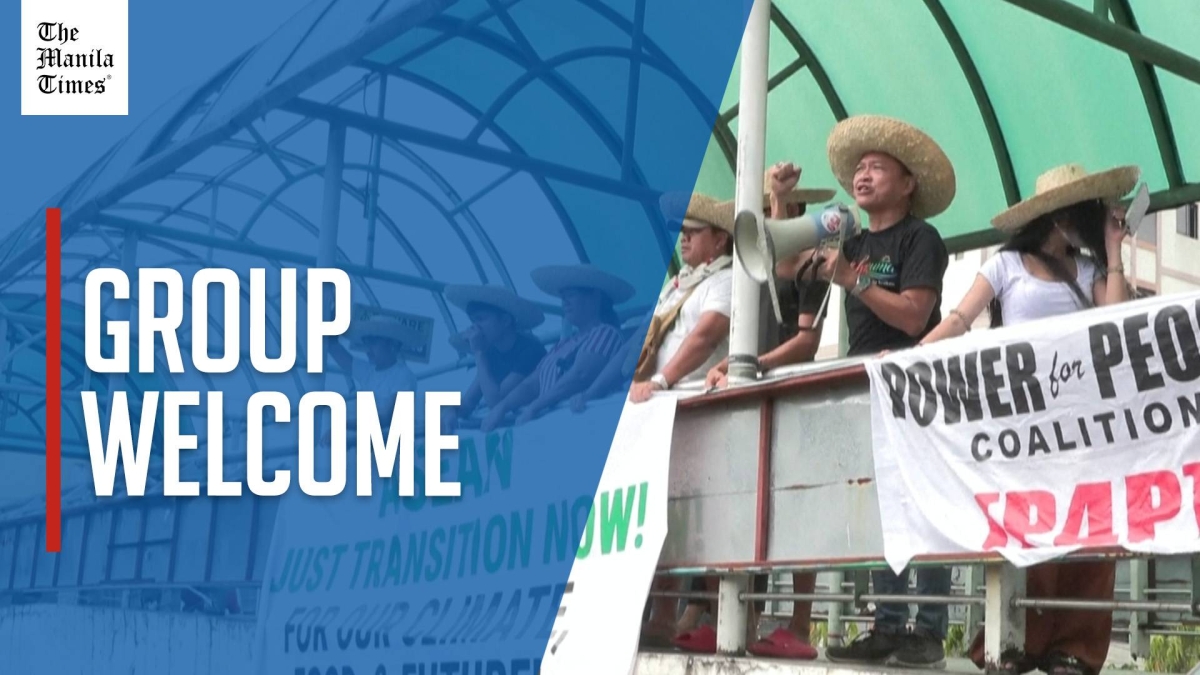
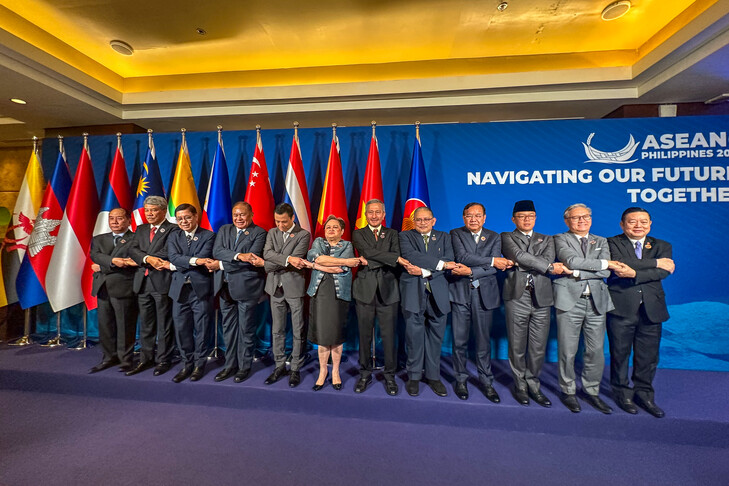
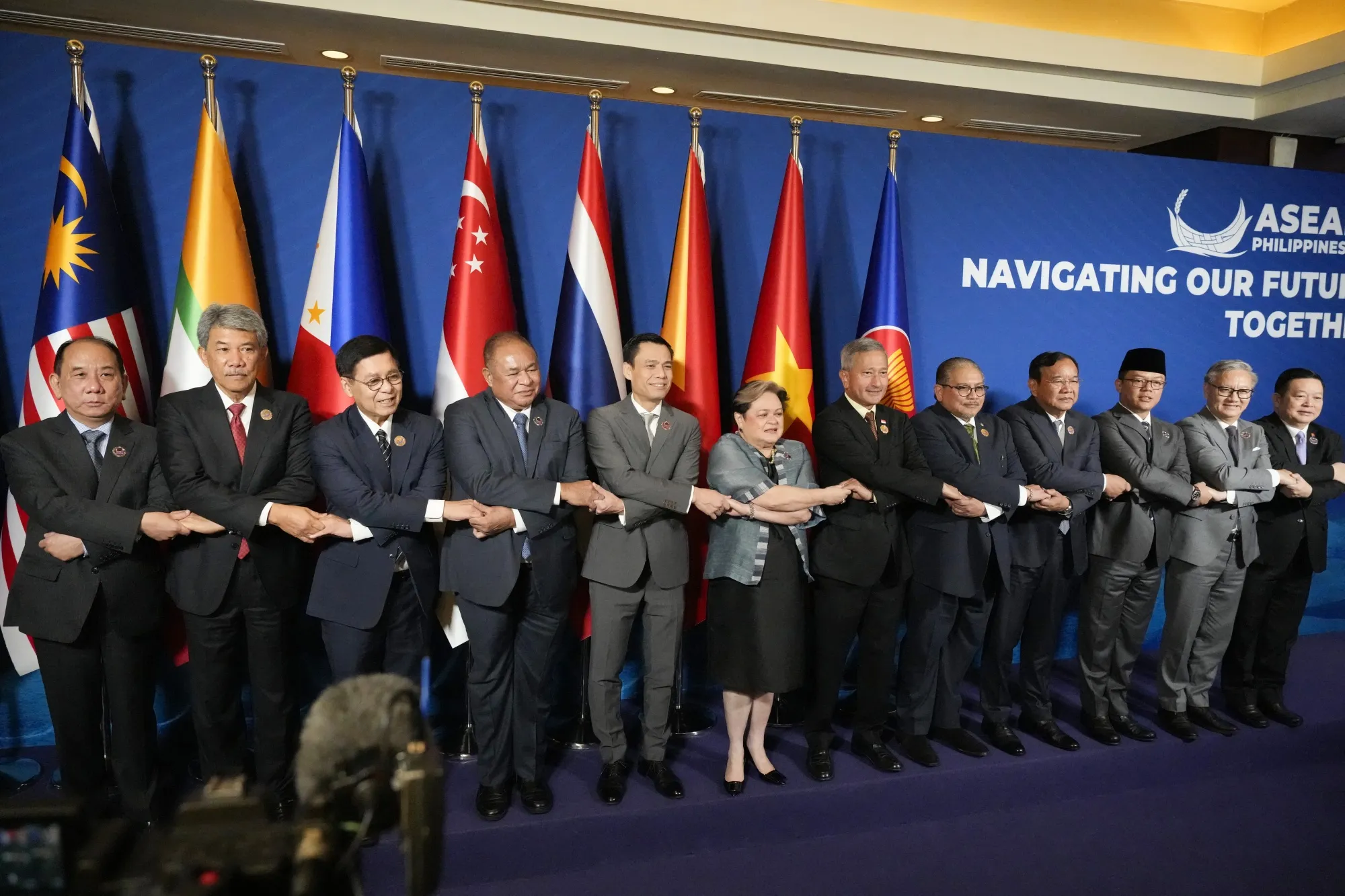
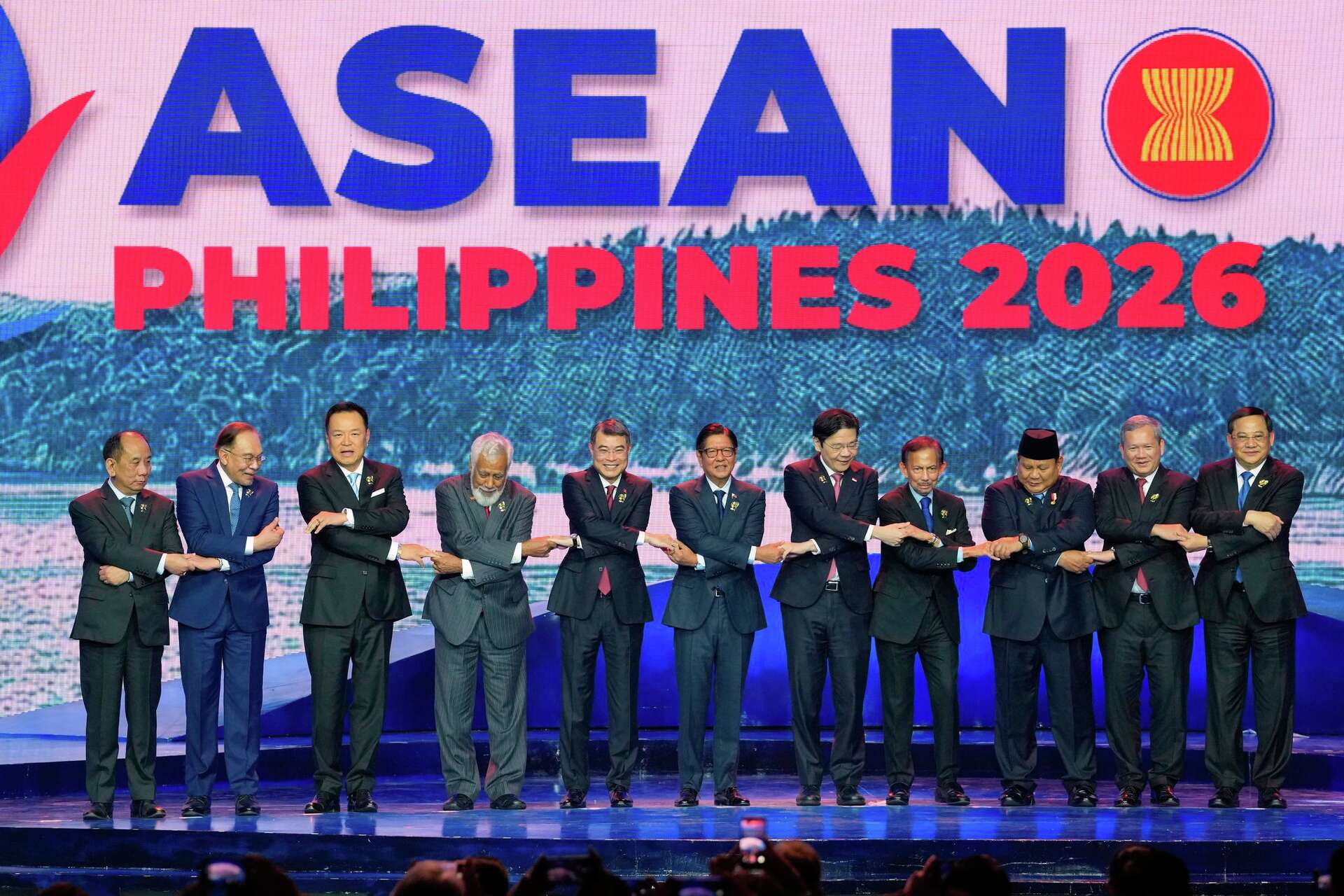
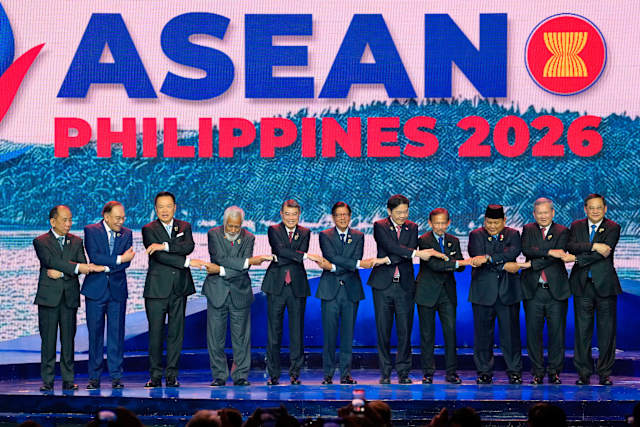
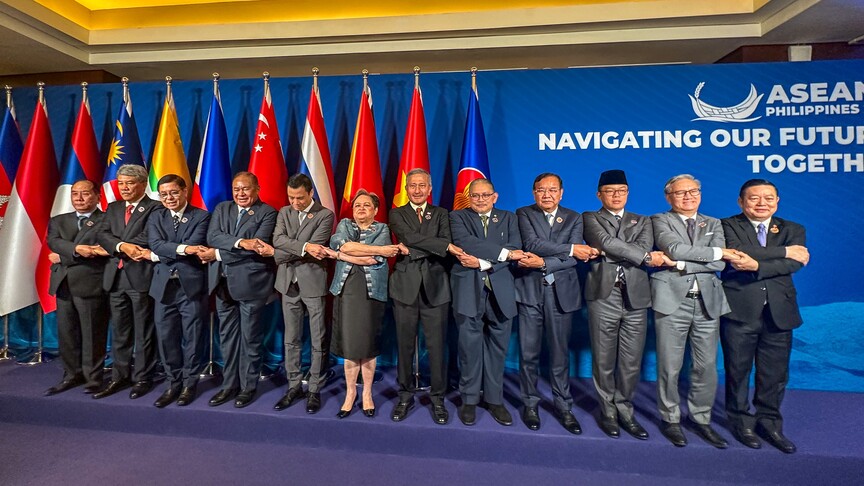
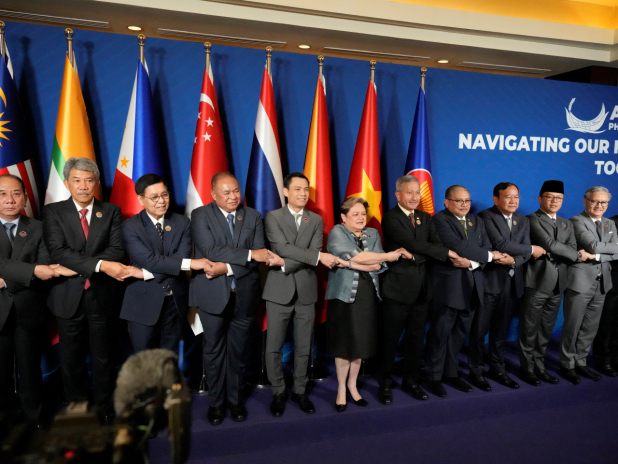
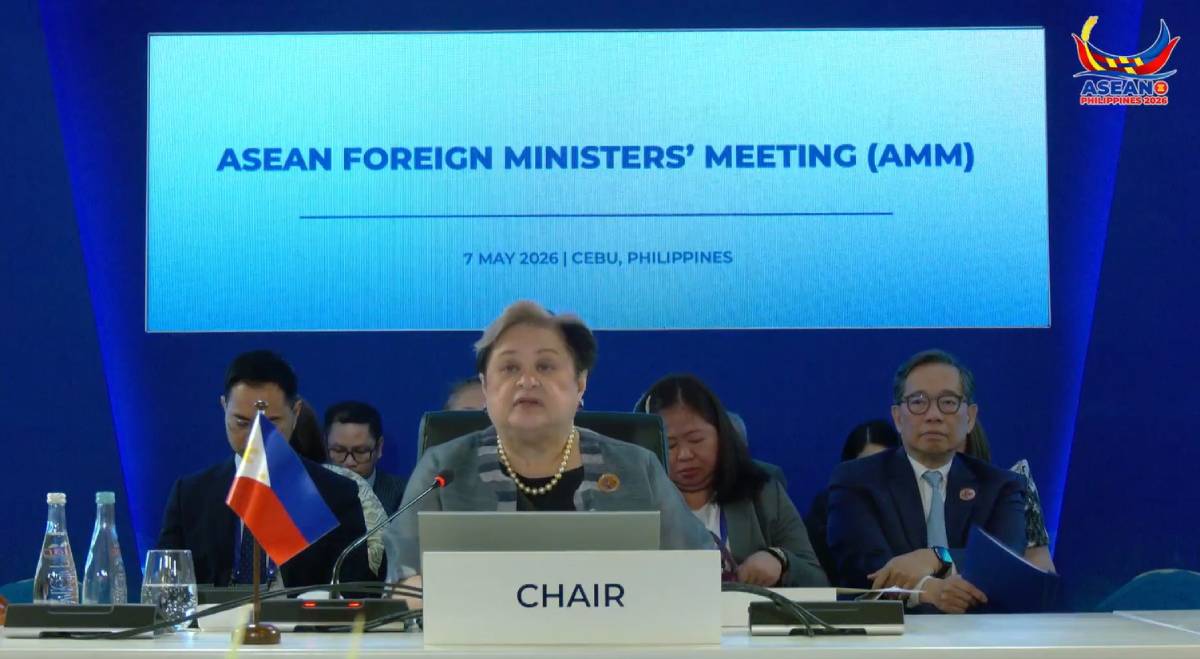
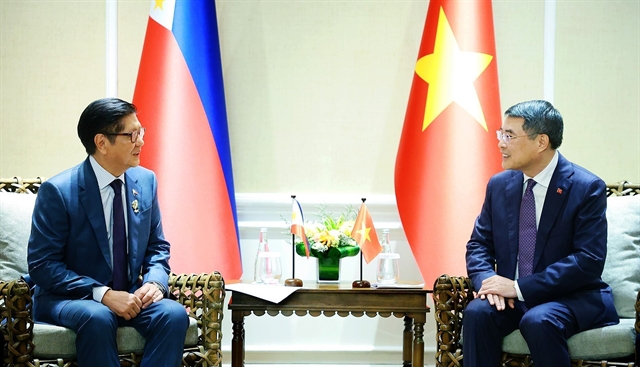
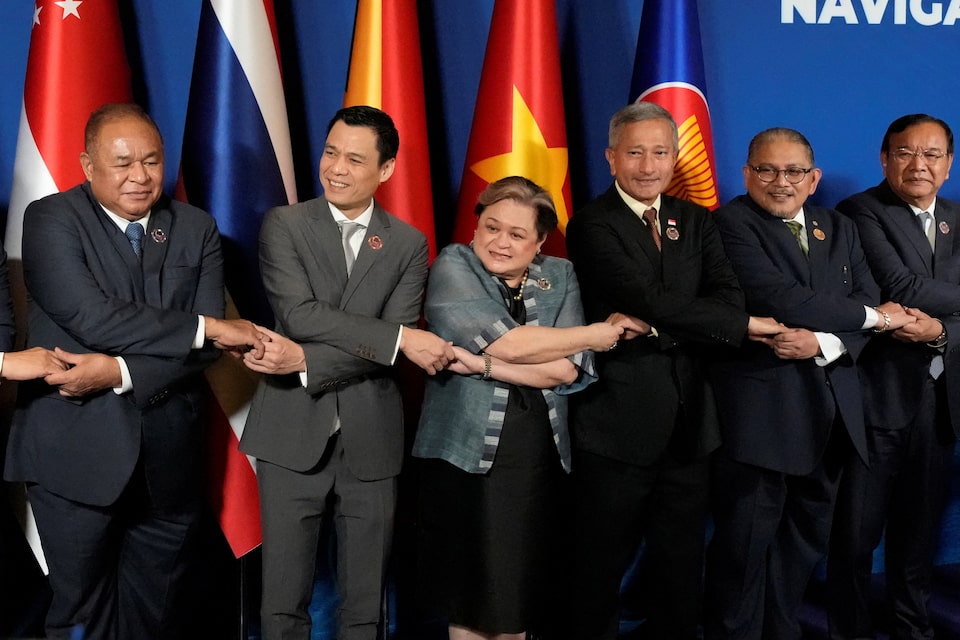
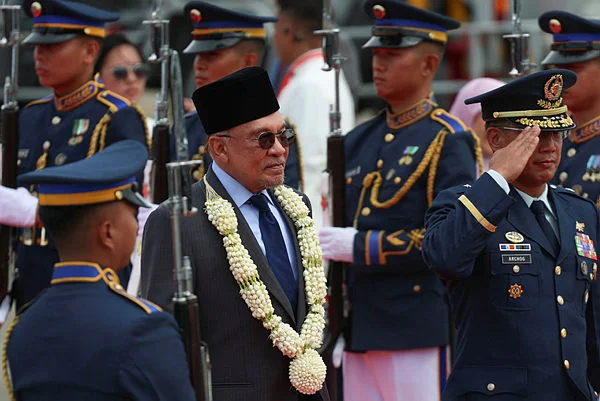
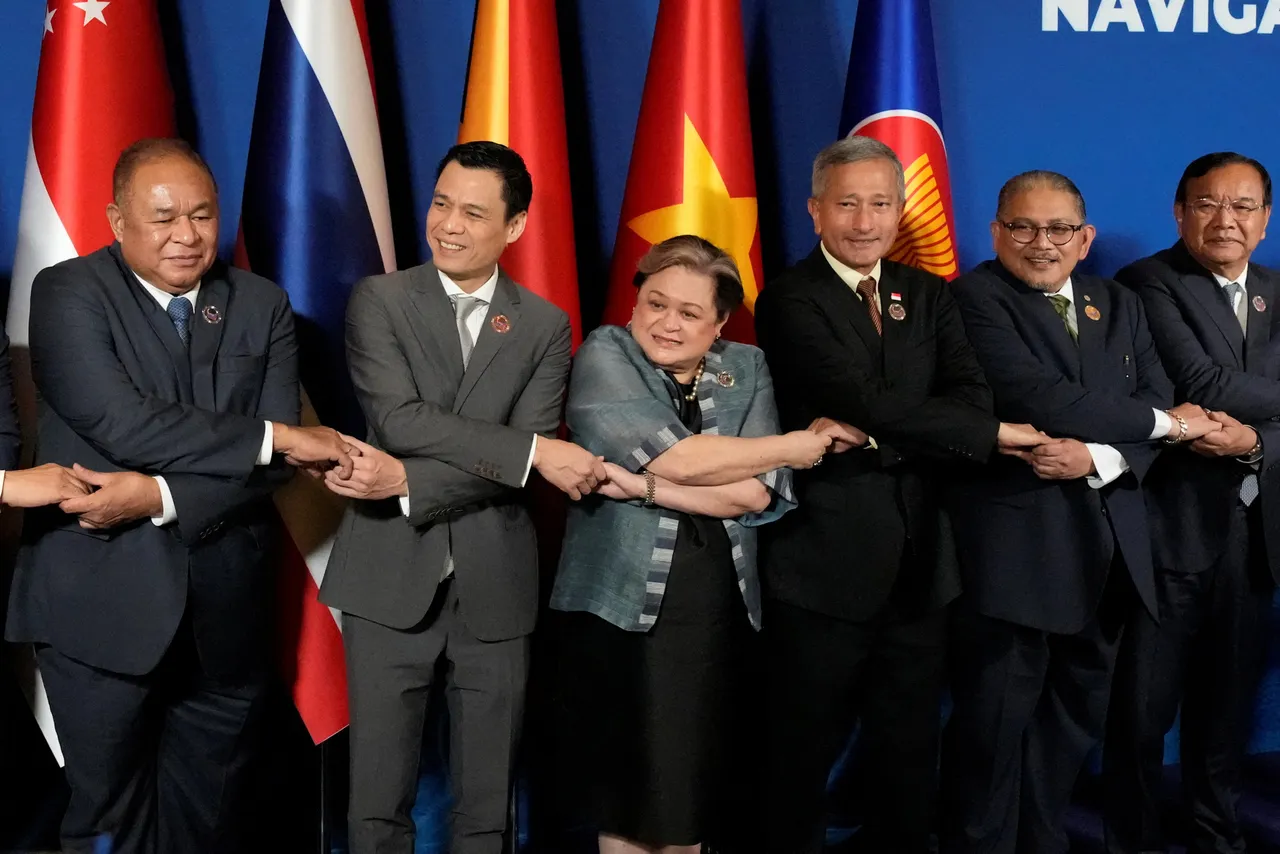
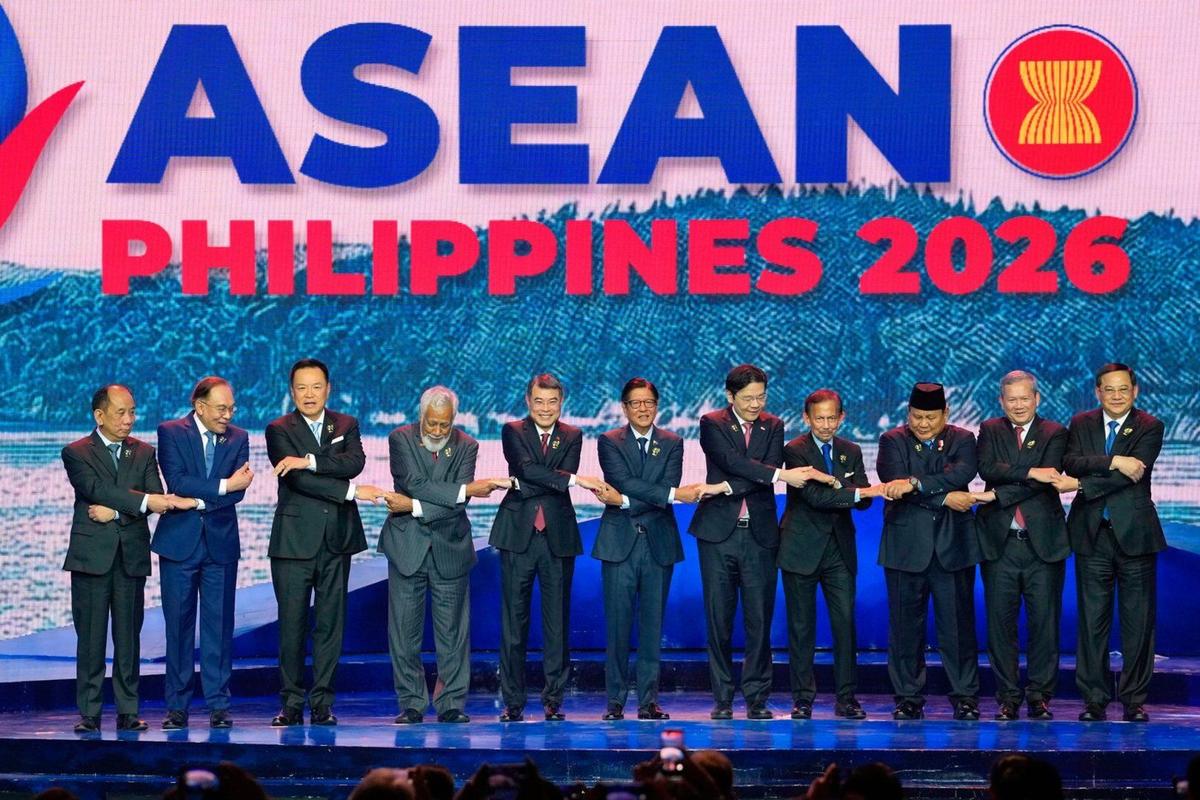
The 48th ASEAN Summit (May 8, 2026, Cebu) convened amid a critical 70-day blockade of the Strait of Hormuz triggered by the Iran-Israel conflict, creating unprecedented supply chain disruptions affecting 700 million Southeast Asian residents across an economy worth $3.8 trillion. The Philippines declared a national energy emergency in March, while Thailand, Vietnam, Indonesia, and Malaysia implemented emergency measures including price caps and work-from-home policies. This geopolitical crisis directly impacts cross-border e-commerce sellers through three critical mechanisms: elevated shipping costs via alternative routes, energy-driven inflation in manufacturing hubs, and accelerated regional sourcing diversification.
Shipping Route Disruption Creates Immediate Cost Pressures: The Strait of Hormuz handles 130 vessels daily and supplies one-fifth of global oil and gas. The blockade forces Southeast Asian importers to utilize alternative shipping routes, adding 10-15 days to transit times and increasing freight costs by 15-25% for sellers sourcing from or shipping to the region. Petrochemical companies across Indonesia, Thailand, and Singapore invoked force majeure clauses, signaling supply constraints for plastic-based packaging, electronics components, and synthetic textiles—categories representing 35-40% of Southeast Asian e-commerce inventory. Sellers relying on just-in-time inventory models face critical stockouts, particularly in fast-moving categories like consumer electronics, home appliances, and beauty products.
Energy Costs Compress Margins in Manufacturing-Dependent Categories: Thailand, Vietnam, and Indonesia are major manufacturing hubs for apparel (HS 6204-6209), footwear (HS 6401-6406), and electronics assembly (HS 8471-8517). Energy emergency measures and price caps create production bottlenecks, reducing output capacity by 15-20% while increasing per-unit manufacturing costs by 8-12%. Sellers sourcing from these countries face margin compression of 200-400 basis points, particularly in price-sensitive categories where retail markups are 25-35%. The ASEAN Economic Community agreements and Digital Economic Framework implementation signal coordinated regional responses, but enforcement remains weak due to the bloc's lack of central authority.
Strategic Sourcing Diversification Accelerates: ASEAN leaders emphasized supplier diversification and alternative shipping routes as core mitigation strategies. This creates a 6-12 month window for sellers to shift sourcing from energy-constrained Vietnam/Thailand to less-affected suppliers in India, Bangladesh, and Pakistan. Categories most vulnerable to supply disruption—apparel, footwear, consumer electronics, and home goods—show highest sourcing migration potential. The Malacca Strait (900 km, world's busiest trade waterway) remains operational but faces congestion from rerouted vessels, adding 5-8 days to typical transit times. Sellers must rebalance inventory allocation across regional fulfillment centers, with 3PL providers in Singapore, Malaysia, and Indonesia experiencing 20-30% capacity constraints through Q3 2026.
Questions 8
How does the energy crisis create opportunities for sellers in energy-efficient and alternative product categories?
The energy emergency measures across Southeast Asia—including price caps and work-from-home policies—signal increased consumer demand for energy-efficient appliances, LED lighting, solar products, and home office equipment. Thailand, Vietnam, and Indonesia's production constraints create supply gaps for these categories, presenting opportunities for sellers sourcing from less-affected regions. The ASEAN Power Grid initiative (targeting 2045) indicates long-term policy support for renewable energy infrastructure, creating demand for solar panels, batteries, and smart home devices. Sellers can capitalize on this trend by sourcing energy-efficient products from India, China, or developed markets and targeting Southeast Asian consumers facing elevated electricity costs. This represents a 12-24 month opportunity window before local manufacturing capacity recovers.
What is the timeline for ASEAN's energy-sharing agreement and how does it affect sellers?
The Philippines championed a voluntary, commercial-based ASEAN oil-sharing framework agreement at the May 8, 2026 summit, with leaders urging completion of domestic approval processes for earliest implementation. However, ASEAN's 11-member structure lacks central authority to enforce compliance, and vast differences between members complicate unified action. The integrated ASEAN Power Grid is targeted for 2045—a long-term initiative unlikely to provide near-term relief. Sellers should expect energy constraints to persist through 2026-2027, requiring sustained sourcing diversification and inventory management adjustments. The voluntary nature of the agreement means individual country energy policies will continue driving supply chain volatility.