



Fuel Cost Surge Threatens Seller Margins | Logistics Costs Rise 8-15% Despite Oil Price Drop
- Gasoline prices at $4.54-$4.56/gallon persist through summer 2025; shipping costs increase 8-15% for FBA and 3PL sellers; Western states face steepest impact with California at $6.16/gallon









Overview
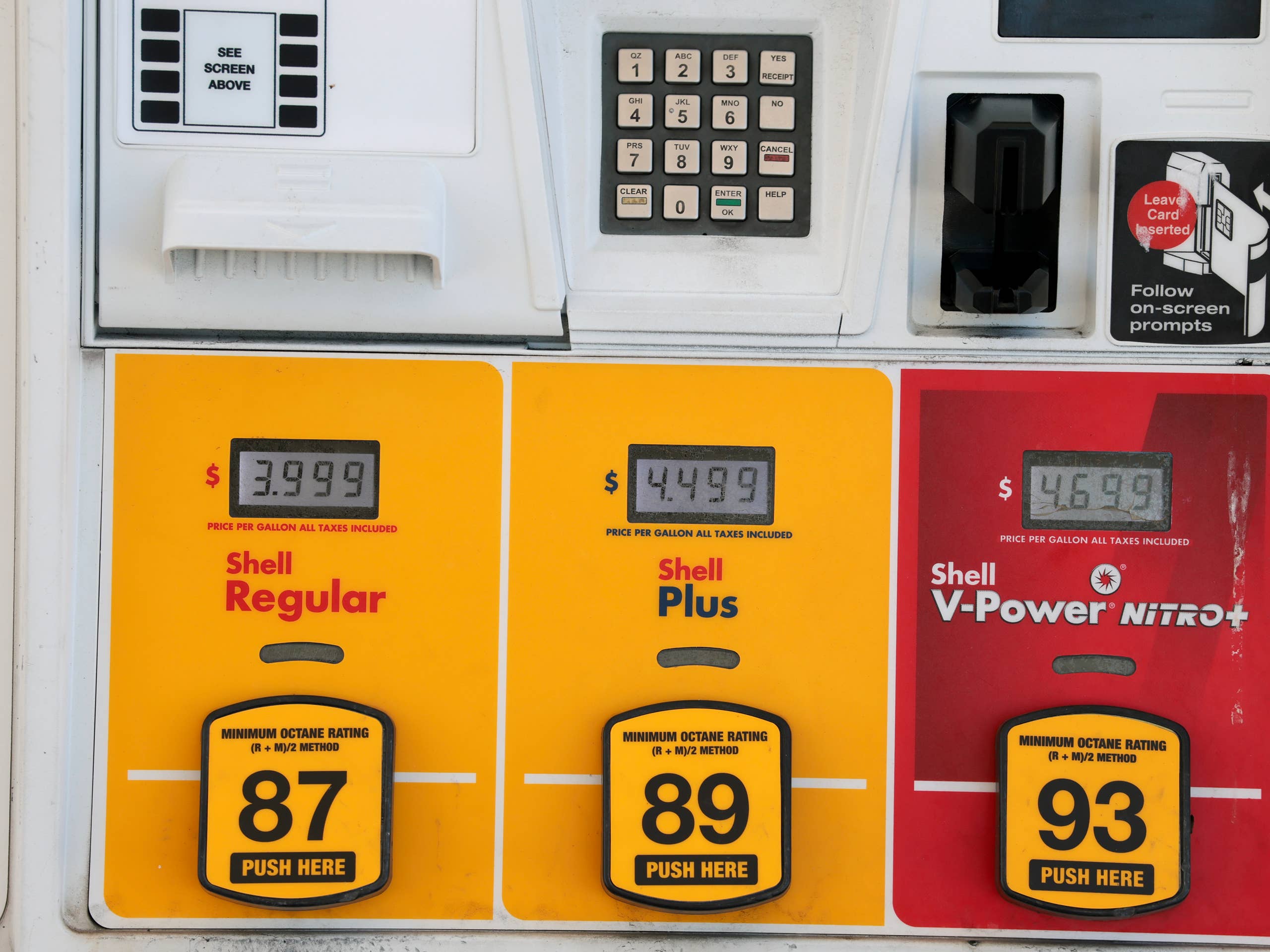
Elevated fuel costs are creating a critical margin compression crisis for cross-border e-commerce sellers despite crude oil declining 7% following Iran peace negotiations. As of May 6, 2025, the national average gasoline price stands at $4.54-$4.56 per gallon—up 59.8-62 cents year-to-date and representing the highest levels since June 2022. The core problem: gasoline prices lag crude oil changes by several days due to data collection delays, meaning sellers face sustained elevated logistics costs even as oil markets stabilize. GasBuddy's Patrick DeHaan warns prices "likely won't decline significantly until the end of summer," creating a 4-month window of compressed profitability for sellers dependent on ground transportation and last-mile delivery.
The operational impact is severe and regionally stratified. Western states face the steepest burden, with California averaging $6.16/gallon and Mono County reaching $7.044/gallon—representing 35-55% premiums over national averages. This creates a two-tier logistics cost structure: sellers shipping from West Coast warehouses face 12-15% higher fuel surcharges, while East Coast operations benefit from relatively lower costs at $4.20-$4.40/gallon. For Amazon FBA sellers, increased fuel costs translate directly to higher fulfillment fees through Amazon's variable logistics pricing. 3PL providers are already implementing fuel surcharges of 3-5% on shipping rates, with some carriers (UPS, FedEx) applying additional peak-season adjustments. The Strait of Hormuz closure affecting 20% of global crude oil passage creates geopolitical uncertainty that could reverse any price declines if peace negotiations fail—analyst Robert Yawger notes "the sense of optimism has faded to reality each time" in previous negotiations.
For sellers, the strategic challenge is cost forecasting under uncertainty. The delayed price transmission from crude to retail creates a 5-7 day lag between market signals and actual shipping cost changes, making it difficult to adjust pricing strategies in real-time. Sellers with high-volume, low-margin products (electronics, home goods, apparel) face the greatest margin compression—a 10% fuel cost increase on a 15% gross margin product reduces net profit by 6-7 percentage points. Asian sellers shipping to North America face compounded costs: international ocean freight remains elevated, and last-mile ground delivery now carries premium fuel surcharges. The equity market rally (S&P 500, Nasdaq reaching record levels) masks underlying logistics cost pressures that disproportionately affect smaller sellers without negotiated carrier contracts.
Questions 8
Are there product categories or business models that benefit from elevated fuel costs?
Yes—local/regional sellers and digital products benefit indirectly. Sellers offering same-day or next-day delivery from local warehouses gain competitive advantage as fuel costs make distant fulfillment more expensive. Digital products (e-books, software, courses) have zero fuel costs and become relatively more attractive to consumers. Sellers offering local pickup options (Walmart, Target, Best Buy models) reduce shipping costs entirely. Additionally, sellers of fuel-efficient products (electric vehicle accessories, solar panels, energy-efficient appliances) may see increased demand as consumers seek to reduce fuel expenses. Niche categories with high margins (specialty tools, professional equipment, collectibles) are less affected by fuel surcharges. Consider diversifying into these categories or offering local fulfillment options to offset margin compression in traditional high-volume categories.
How do I calculate the exact impact of fuel costs on my product profitability?
Use this formula: (New Fuel Surcharge ÷ Product Cost) × 100 = Margin Impact %. Example: Product costs $15 (COGS $10 + FBA $3 + other $2). New fuel surcharge adds $0.50. Impact = ($0.50 ÷ $15) × 100 = 3.3% margin reduction. For a 25% target margin ($3.75 profit), this reduces profit to $3.25 (13.3% reduction). For high-volume sellers, multiply this by monthly unit sales: 1,000 units × $0.50 surcharge = $500/month additional cost. Track fuel surcharges separately in your accounting system and review monthly as prices change. Use Amazon Seller Central's profitability dashboard to monitor FBA fee changes, and request detailed fuel surcharge breakdowns from 3PL providers to verify accuracy.