


Strait of Hormuz Blockade Crisis | 21% Global Oil Transit Disrupted, Shipping Costs Surge 15-25% for Cross-Border Sellers
- Military escalation threatens critical shipping corridor; freight costs spike $200-400/container; Asian-European trade routes face 2-3 week delays; sellers must activate alternative logistics within 30 days















Overview
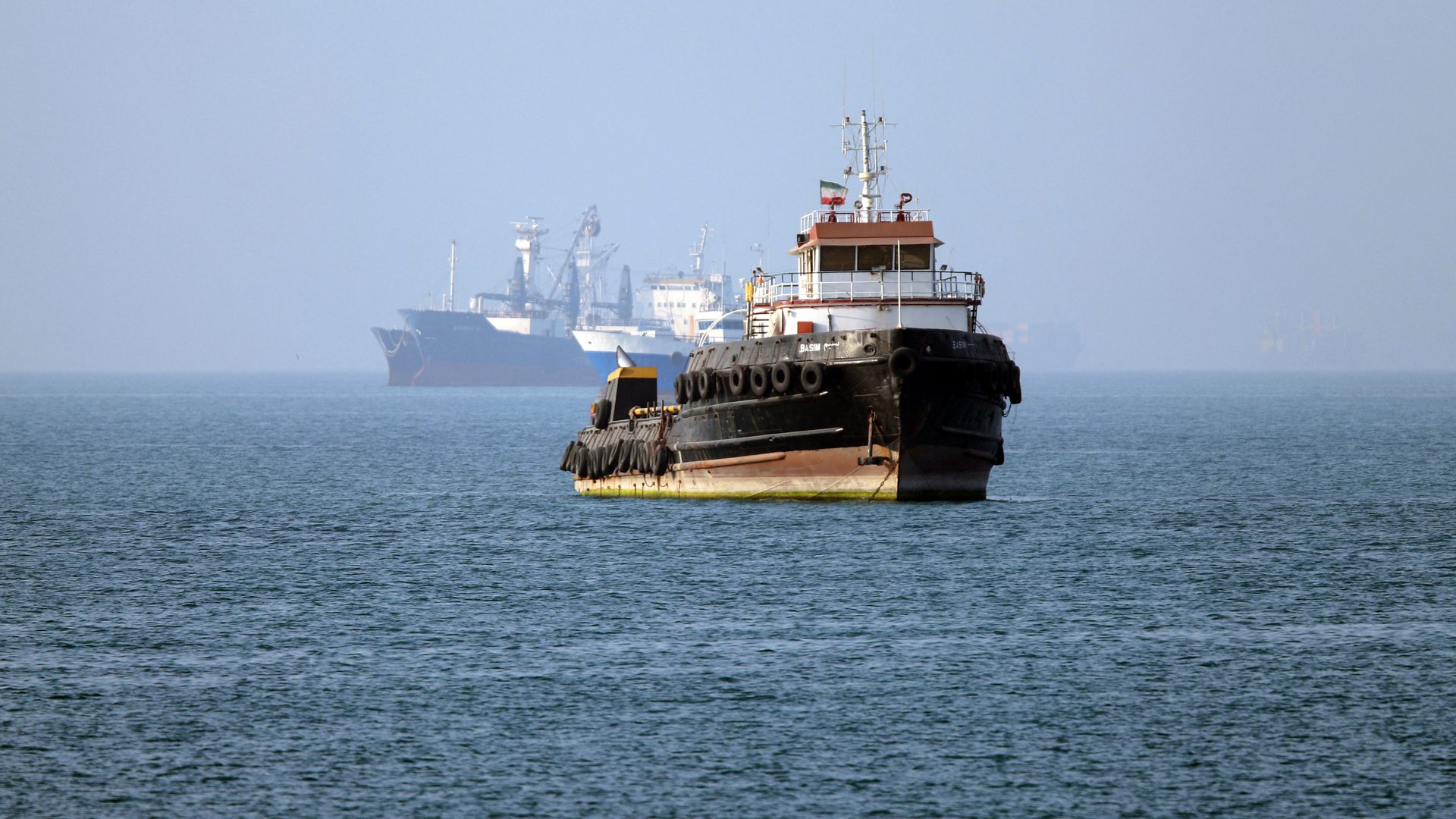
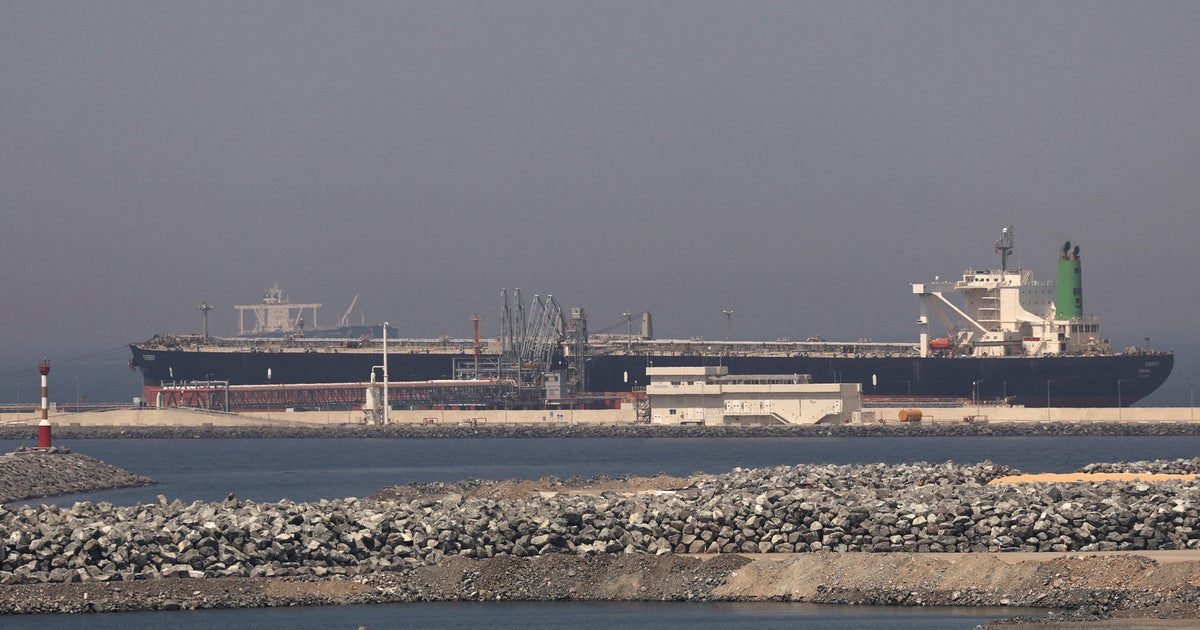
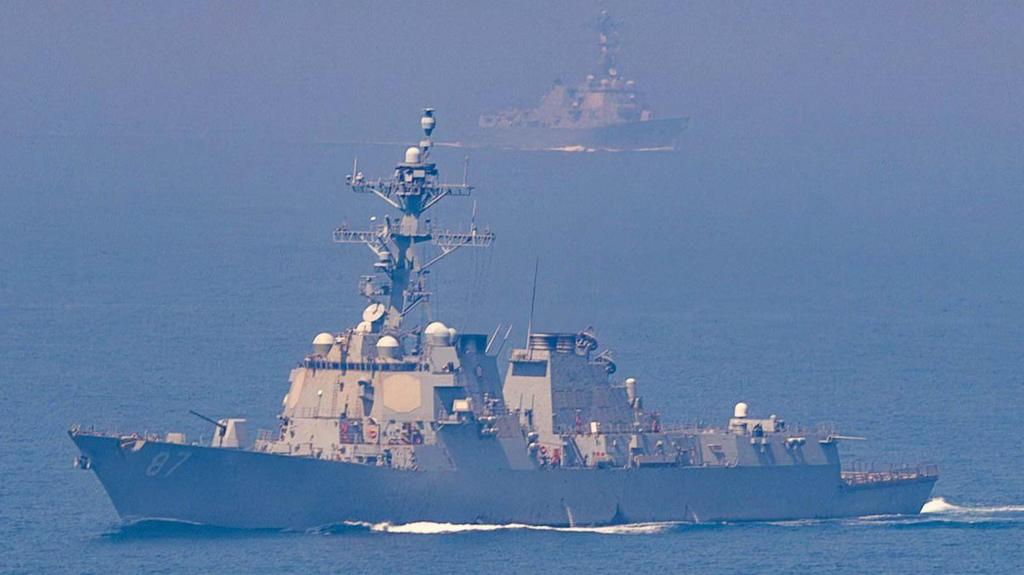
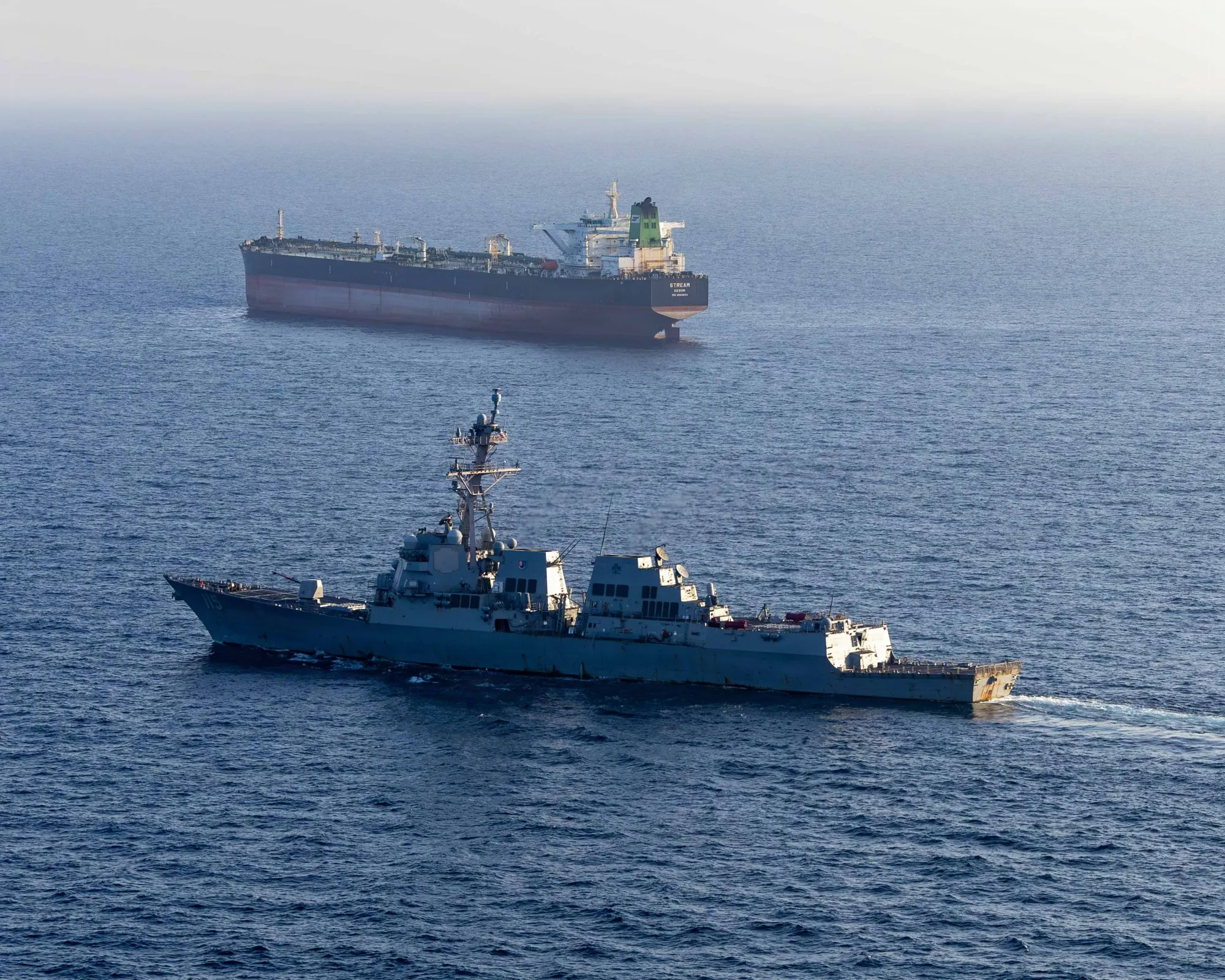
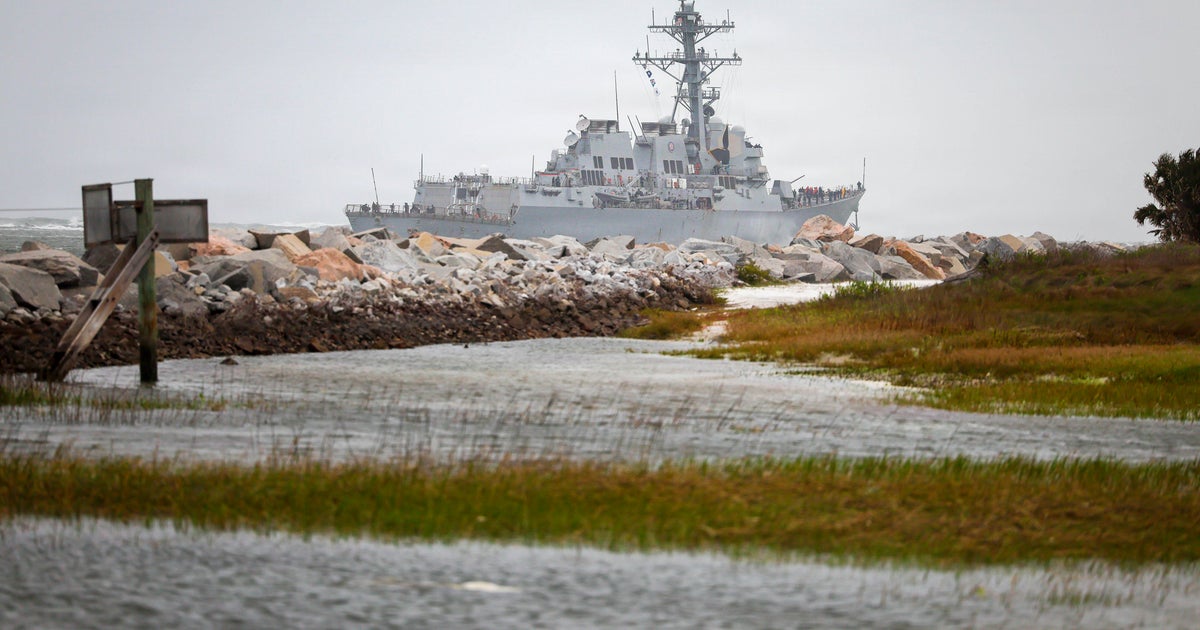
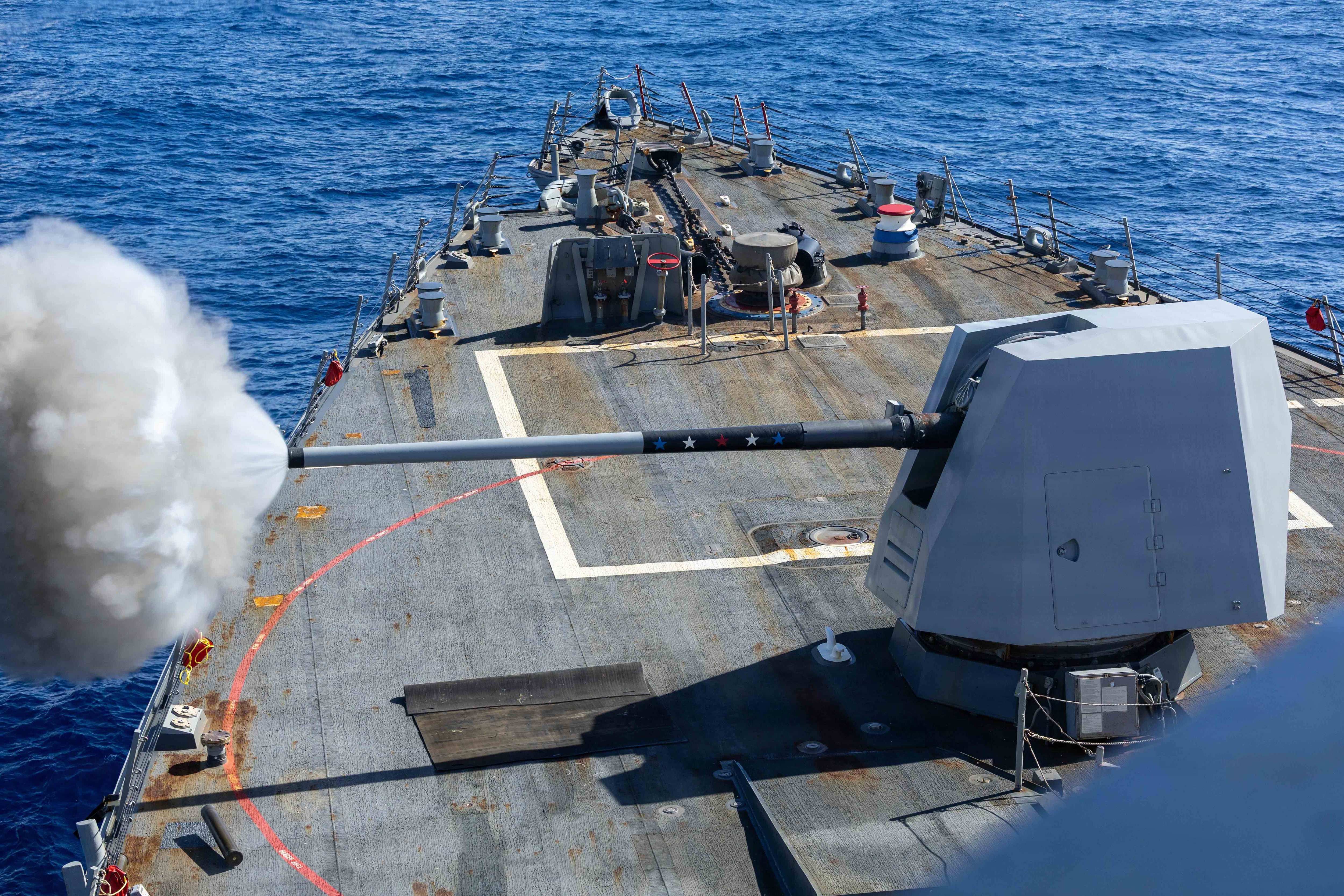
The May 2026 military escalation between the United States and Iran in the Strait of Hormuz represents a critical supply chain crisis for cross-border e-commerce sellers globally. The Strait handles approximately 21% of world petroleum transit daily, making it the most strategically important shipping chokepoint for international commerce. Following Iranian attacks on three U.S. Navy destroyers (USS Truxtun, USS Rafael Peralta, USS Mason) and subsequent U.S. retaliatory strikes on Iranian military facilities near Bandar Abbas, Qeshm Island, and Tehran, both nations have implemented military blockades that severely disrupt maritime commerce.
Immediate Logistics Impact for E-Commerce Sellers: The ongoing blockade has created a two-tier shipping crisis. First, fuel surcharges have increased 15-25% on container shipments routing through the Strait, directly compressing margins for sellers shipping high-volume, low-margin categories (electronics, apparel, home goods). A standard 40-foot container from Shanghai to Rotterdam now costs $2,800-3,400 (up from $2,200-2,600 pre-crisis), representing an additional $600-800 per shipment. Second, transit times have extended 14-21 days as vessels divert around Africa via the Cape of Good Hope, adding 4,000+ nautical miles to Asian-European routes. This creates critical inventory management challenges for sellers relying on just-in-time fulfillment models, particularly those using Amazon FBA with strict inventory velocity requirements (IPI scores penalize slow-moving inventory).
Competitive Advantage Shifts by Seller Segment: Large enterprise sellers with diversified 3PL networks and pre-positioned inventory in EU/US warehouses face minimal disruption, while small-to-medium sellers (SMBs) relying on single-source Asian manufacturing and direct-to-FBA models face 25-35% margin compression. Sellers with established relationships with alternative logistics providers (DHL, Maersk, CMA CGM) offering Suez Canal routing can negotiate premium rates ($3,200-3,600/container) but maintain predictable timelines. Conversely, budget-conscious sellers using spot-market freight forwarding face unpredictable pricing and 30-45 day delays. Product category impact varies significantly: High-velocity categories (consumer electronics, fast fashion, seasonal goods) suffer most from delays, while slow-moving luxury goods and bulk commodities show resilience. Energy-intensive manufacturing categories (plastics, chemicals, metals) face secondary cost pressures from elevated fuel prices, creating upstream supply chain inflation.
Policy Window and Negotiation Timeline: Trump's proposed 14-point memorandum of understanding with Iran includes a framework for nuclear negotiations with an implicit 30-day decision window. If negotiations succeed, the blockade could lift within 60-90 days, restoring normal Strait transit. However, Iranian parliamentary rejection of the proposal and ongoing military exchanges (10+ Iranian attacks since the month-old ceasefire began) suggest escalation risk remains elevated. The fragile cease-fire could collapse entirely, potentially extending disruptions 6+ months. Sellers must assume a 90-day worst-case scenario for supply chain planning, treating current alternative routing as the new baseline through Q3 2026.
Questions 8
How do fuel surcharges and war risk insurance affect total shipping costs?
Fuel surcharges (bunker adjustment factors) have increased 8-12% of total freight cost due to elevated global oil prices from Strait disruption. War risk insurance premiums for vessels transiting the Persian Gulf have increased 200-300%, adding $50-150 per container depending on cargo value. Combined, these factors add 10-15% to total landed costs. For a seller importing $100,000 in monthly inventory, this represents $10,000-15,000 in additional monthly costs. Insurance costs are particularly acute for high-value electronics and luxury goods, where war risk premiums can reach 0.5-1% of cargo value.
What alternative shipping routes should sellers consider immediately?
Sellers have two primary alternatives: (1) **Suez Canal routing** via longer transit around Africa (42-49 days, $3,200-3,600/container) offers schedule reliability but higher costs; (2) **Air freight** for high-value, time-sensitive goods (electronics, luxury items) costs $4-8 per kg but guarantees 5-7 day delivery. For bulk/low-margin goods, neither alternative is economically viable. Sellers should immediately contact 3PL providers (DHL, Maersk, CMA CGM) to lock in alternative routing rates before spot-market prices spike further. Pre-positioning inventory in EU/US warehouses (12-18% storage cost increase) provides a third option for sellers with sufficient capital.