



Strait of Hormuz Shipping Crisis | Cross-Border Sellers Face 8-12% Logistics Cost Surge
- 1,500 ships trapped in Persian Gulf blockade; oil prices spike to $95.93-$101.56/barrel; fuel surcharges threaten FBA profitability for sellers shipping Asia-Pacific routes











)










Overview
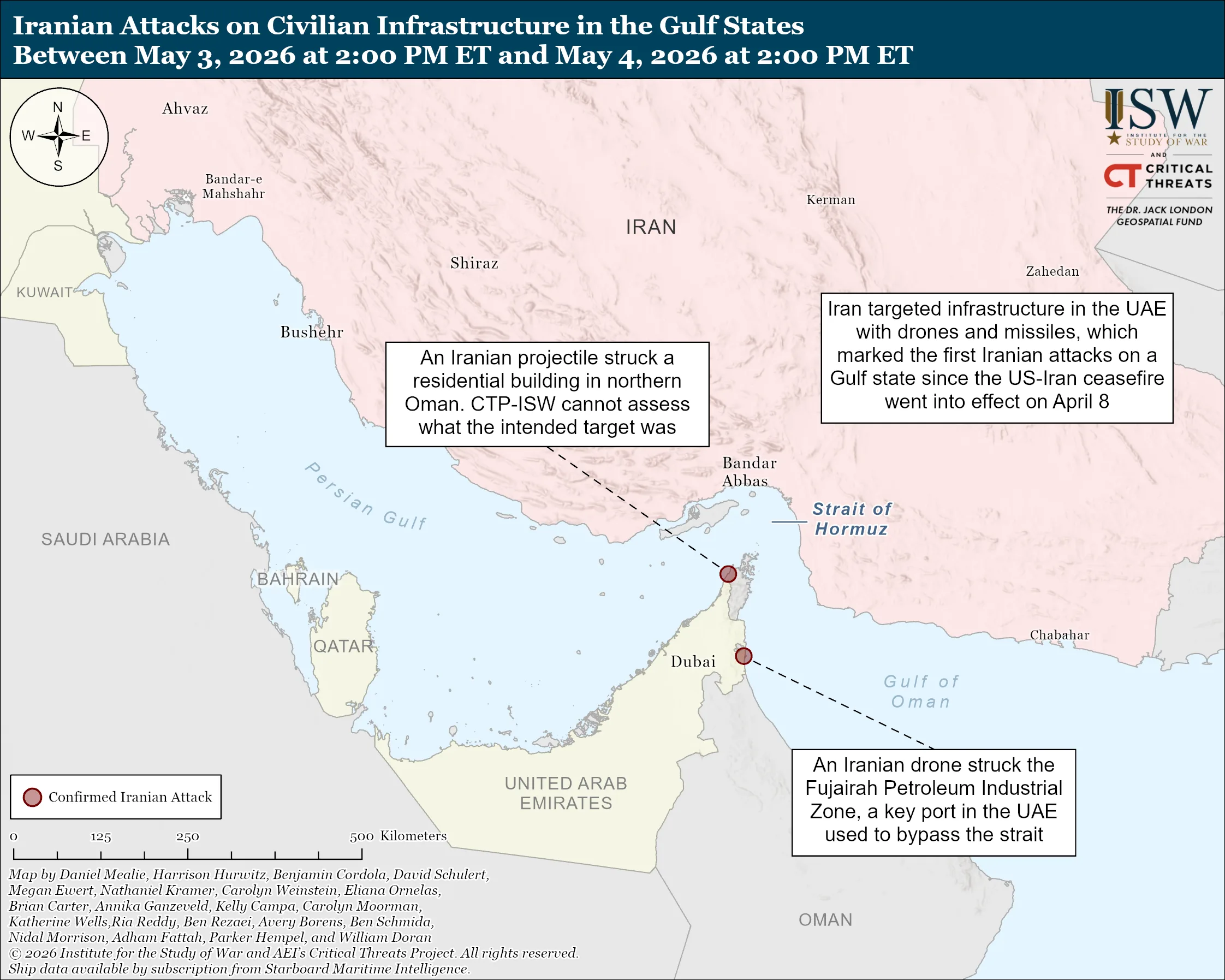
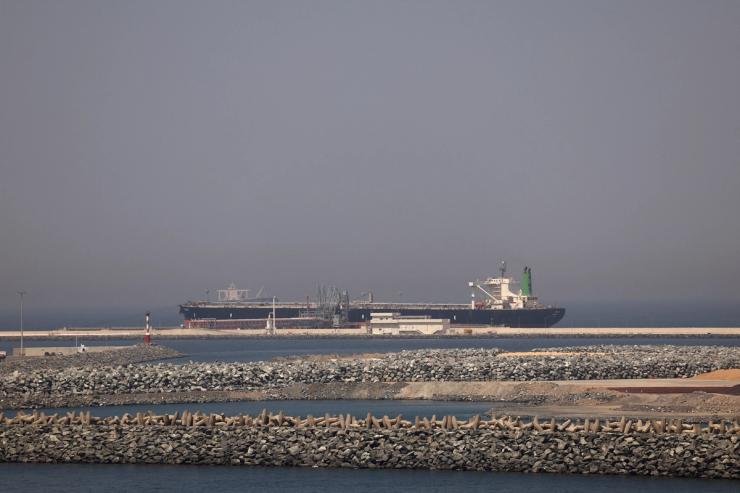
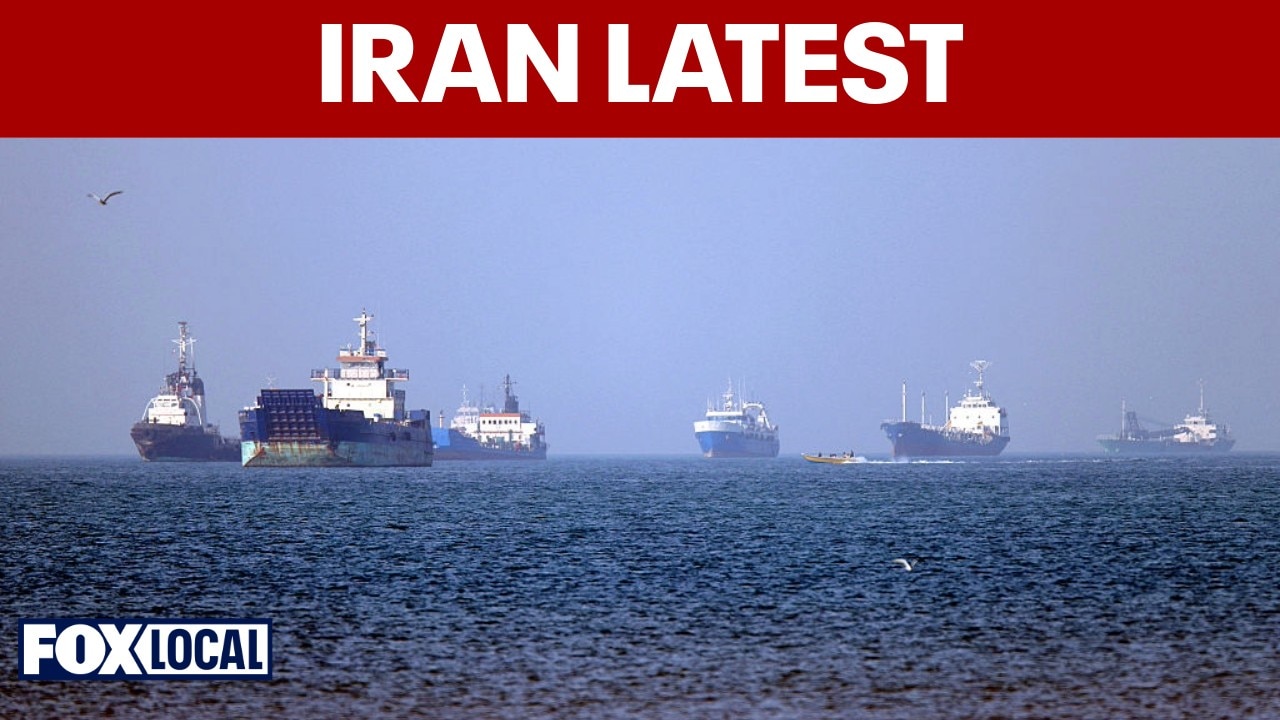
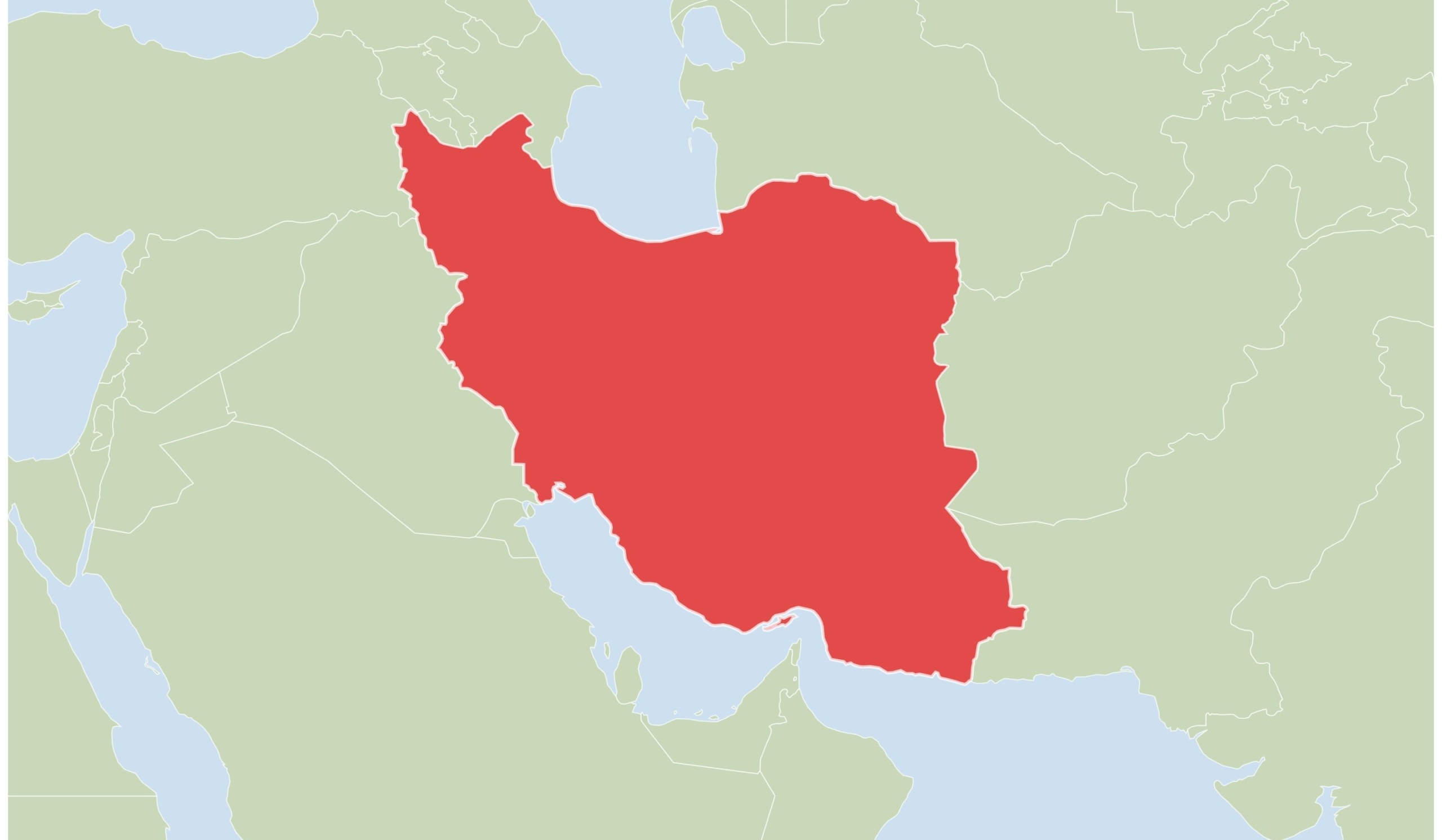
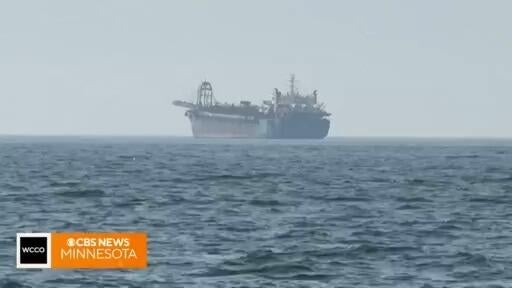
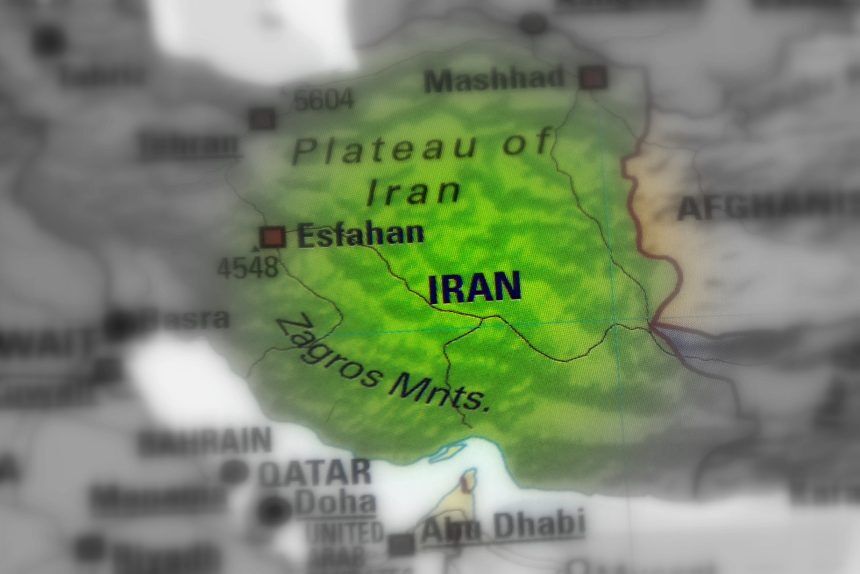
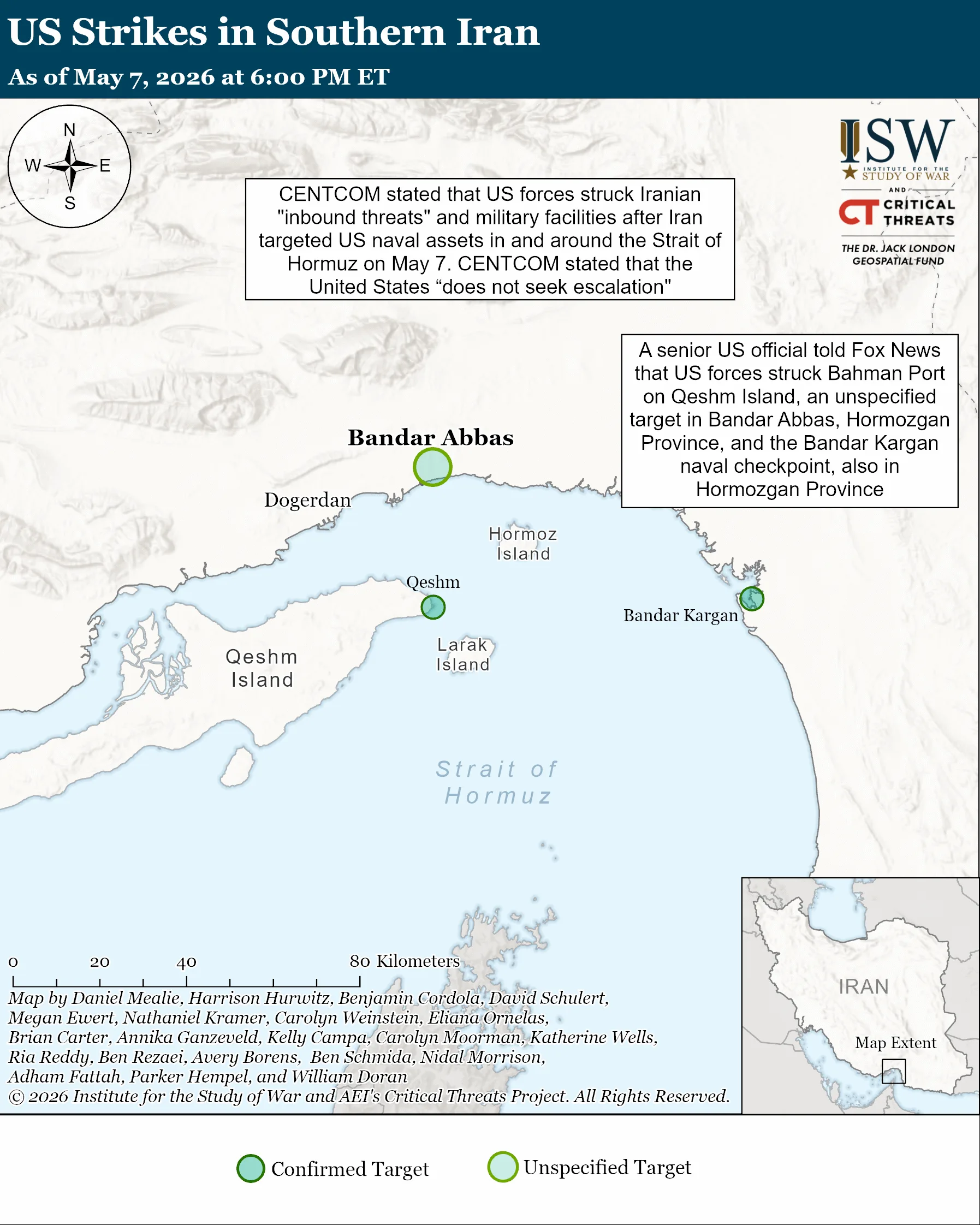
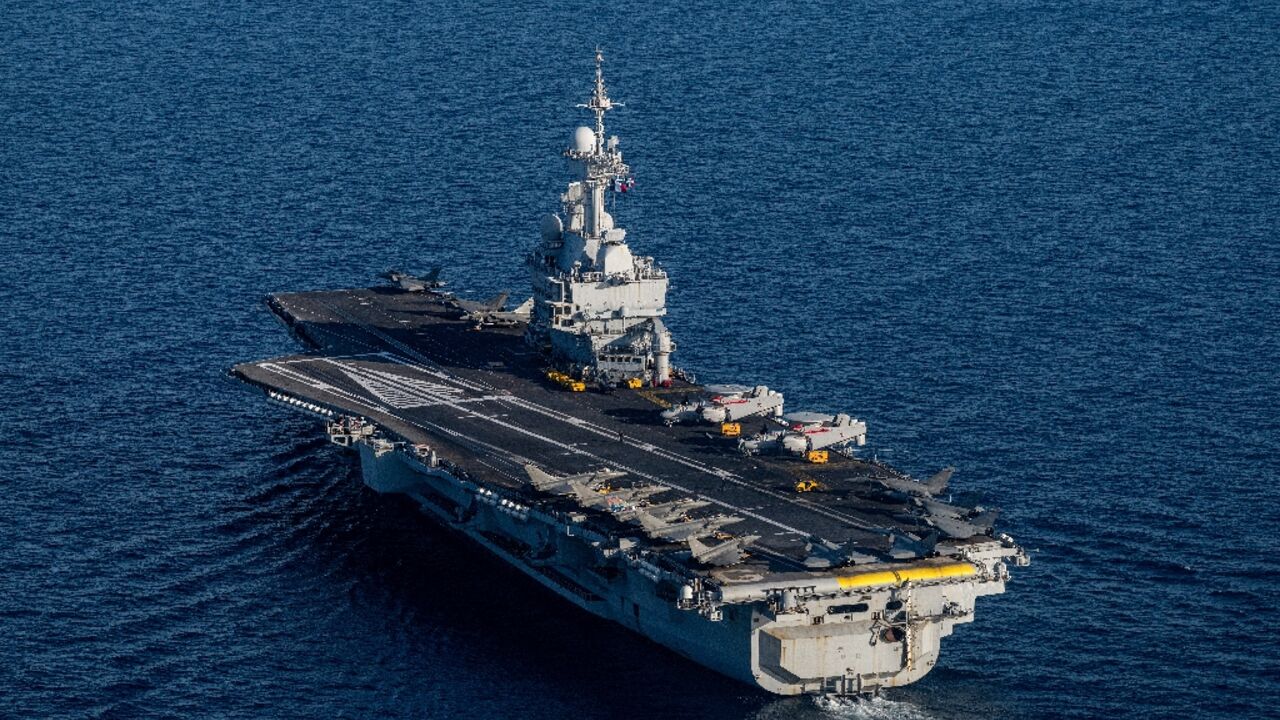
The escalating US-Iran military conflict in May 2026 has created a critical supply chain crisis affecting cross-border e-commerce sellers globally. According to UN International Maritime Organization chief Arsenio Dominguez, approximately 1,500 commercial vessels and 20,000 crewmen remain trapped in the Persian Gulf due to Iran's blockade of the Strait of Hormuz—a chokepoint through which 20-25% of global maritime trade flows. This geopolitical disruption directly impacts e-commerce logistics costs: WTI crude oil surged 1.2% to $95.93/barrel while Brent crude climbed 1.5% to $101.56, triggering immediate fuel surcharges on international shipping rates.
For cross-border sellers, this translates to measurable cost increases across multiple fulfillment channels. Sellers utilizing Amazon FBA for Asia-Pacific markets face 8-12% increases in per-unit shipping costs for goods transiting the Strait of Hormuz route. A typical seller shipping 1,000 units monthly from US warehouses to India/Middle East markets will see additional monthly costs of $400-800 depending on product weight and category. Sellers relying on 3PL providers report that freight forwarders are implementing emergency fuel surcharges (2-4% of base shipping rates) effective immediately, with some carriers adding 7-10 day transit delays due to rerouting around the blockade. The crisis particularly impacts sellers in high-volume categories: electronics (HS codes 8471-8517), textiles (HS codes 6201-6217), and machinery (HS codes 8401-8483) that depend on efficient Strait of Hormuz passage.
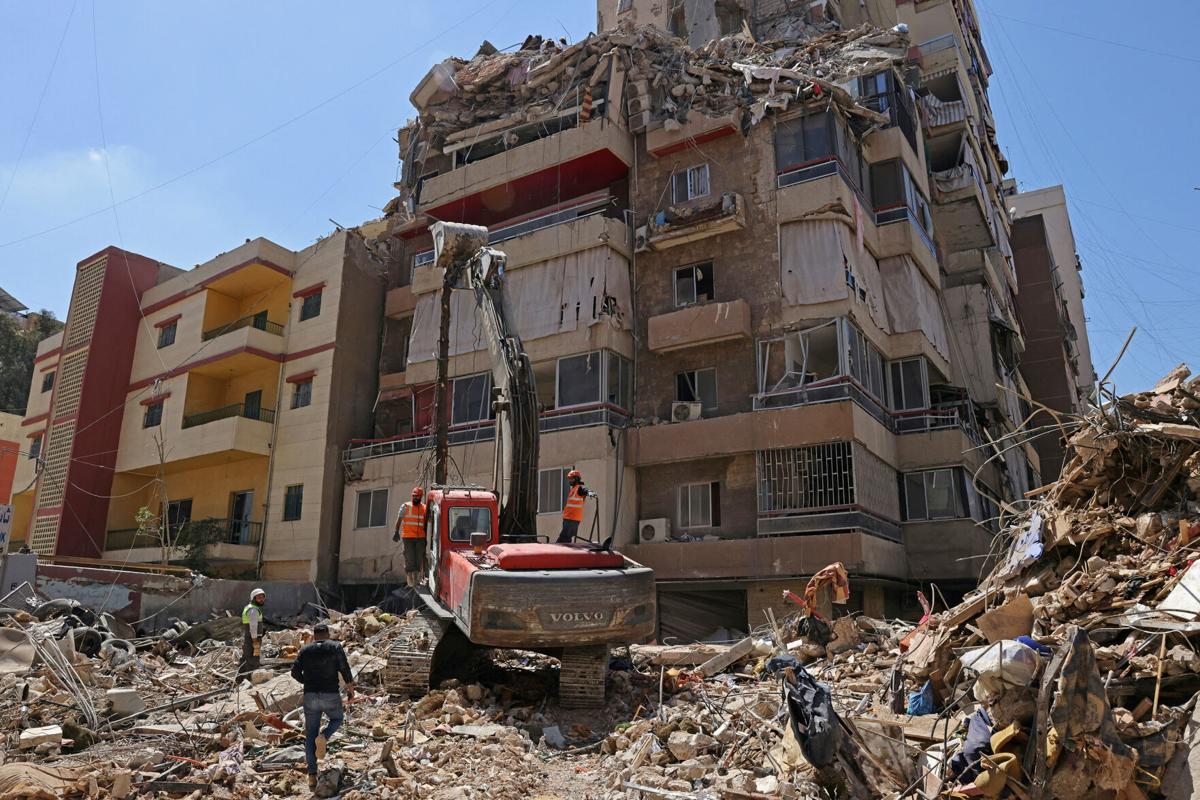
Strategic sourcing dynamics are shifting as sellers reassess supply chain resilience. Sellers previously optimizing for China-to-Middle East routes are now evaluating alternative sourcing from Vietnam, India, and Indonesia to bypass the Hormuz bottleneck. The ceasefire negotiations mentioned by President Trump remain uncertain—with Iran demanding "complete sanctions relief" and "sovereignty over the Strait of Hormuz" while the US insists on nuclear facility dismantlement—creating extended uncertainty through Q2-Q3 2026. Sellers with inventory in transit face potential 2-3 week delays, impacting inventory turnover rates and Amazon IPI scores. The broader geopolitical instability (Israeli-Lebanese tensions, scheduled May 14-15 peace talks) suggests this disruption could persist 60-90 days minimum, making immediate logistics contingency planning essential for sellers dependent on Middle East and Asia-Pacific markets.
Questions 8
How much will shipping costs increase for sellers using the Strait of Hormuz route?
Shipping costs are increasing 8-12% for sellers transiting the Strait of Hormuz, with fuel surcharges of 2-4% being implemented immediately by major carriers. A seller shipping 1,000 units monthly from US to India/Middle East markets will face $400-800 in additional monthly costs. The blockade of 1,500 vessels and 20,000 crewmen is creating bottlenecks that add 7-10 days to transit times. Sellers should immediately contact their 3PL providers to lock in rates before further increases occur, and consider rerouting through alternative passages (around Africa) which add 10-14 days but may offer better pricing stability.
Which product categories are most affected by the Hormuz shipping crisis?
Electronics (HS codes 8471-8517), textiles (HS codes 6201-6217), and machinery (HS codes 8401-8483) face the highest impact due to high shipping volumes and weight-dependent costs. These categories represent 35-40% of Asia-Pacific cross-border trade through the Strait. Sellers in consumer electronics, apparel, and industrial equipment should prioritize inventory repositioning. Lower-margin categories (under 25% gross margin) may become unprofitable on Hormuz routes until oil prices stabilize. Consider shifting 20-30% of inventory to regional fulfillment centers in Singapore, Dubai, or India to reduce reliance on direct Hormuz transit.