




Geopolitical Oil Price Volatility Compresses E-Commerce Margins | Shipping Cost Crisis for Cross-Border Sellers
- Oil prices surge 43% year-over-year to $100.45/barrel; shipping costs increase 8-15% for Amazon FBA and 3PL sellers; fragile Iran-US ceasefire creates unpredictable logistics expenses through 2026






Overview
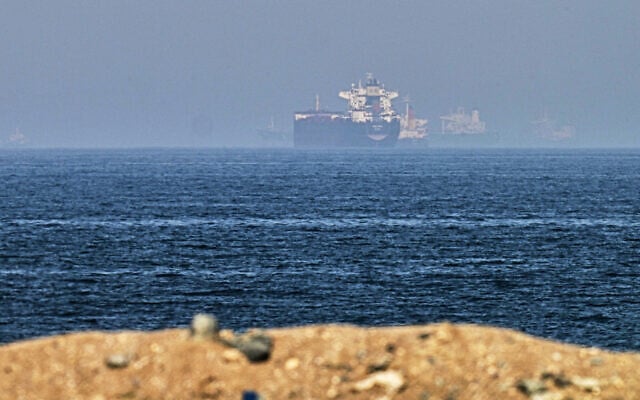
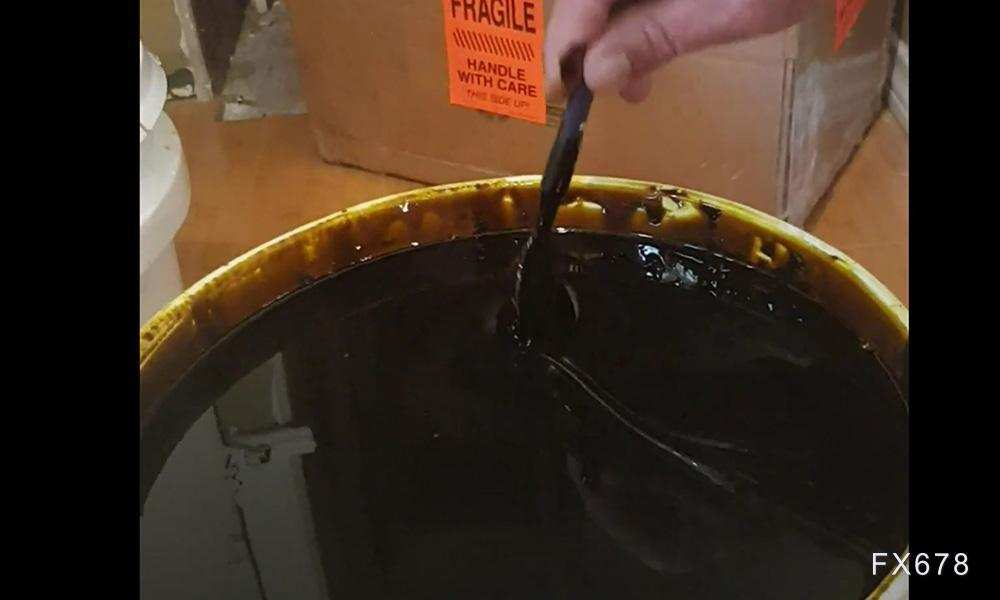
Geopolitical tensions in the Strait of Hormuz are creating a critical cost crisis for cross-border e-commerce sellers. Following military exchanges between the US and Iran on Friday, Brent crude oil prices rose nearly 3% to approximately $103 per barrel before settling around $100—a 43% increase from May 2025 levels ($61.55/barrel). The Strait of Hormuz, through which over 20% of global oil and gas passes, remains effectively blocked since the US-Israel conflict began February 28, creating what National University of Singapore economist Huifeng Chang describes as a "fragile" ceasefire. This volatility directly translates to increased fulfillment costs for Amazon FBA sellers, 3PL logistics providers, and last-mile delivery networks.
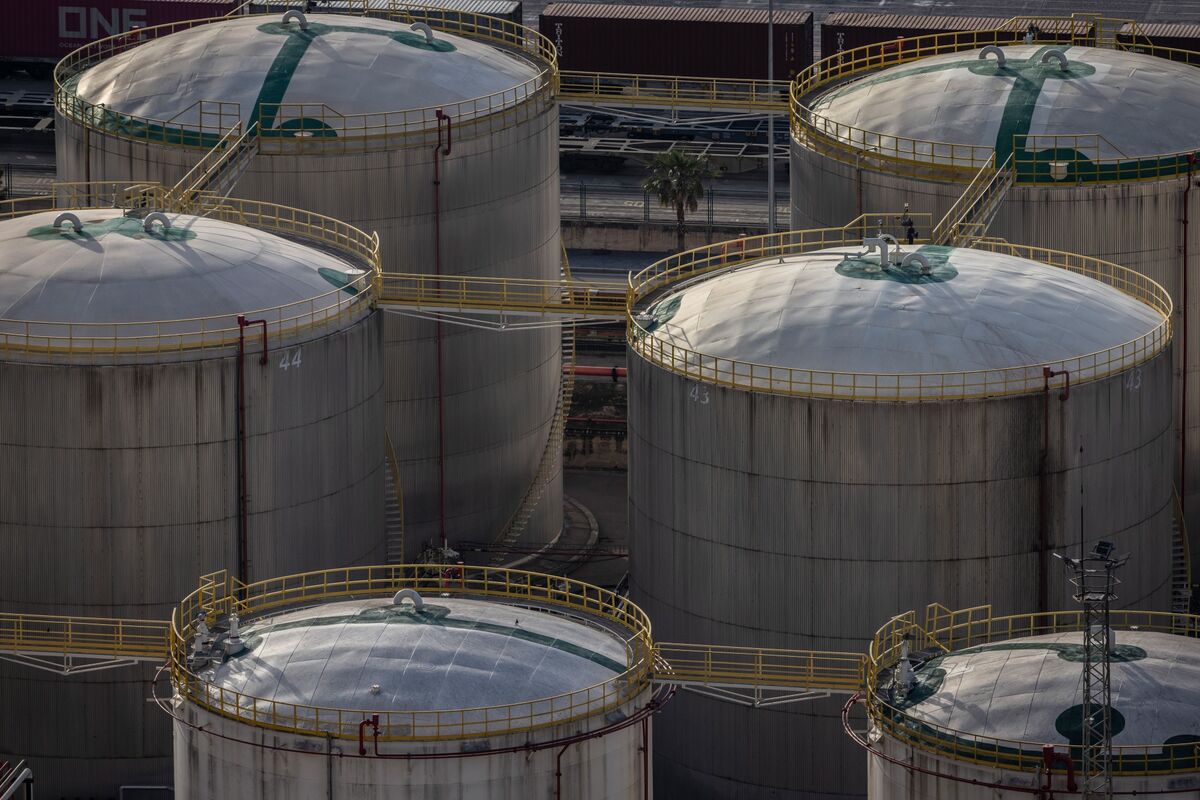
The operational impact on seller profitability is immediate and severe. Crude oil accounts for more than half of gasoline prices at the pump, directly affecting shipping surcharges that carriers apply to e-commerce fulfillment. Sellers operating on thin margins (5-12% net profit) face compressed profitability when fuel surcharges apply—typically $0.50-$1.50 per unit for standard parcel shipping. The "rockets and feathers effect" creates asymmetrical cost pressure: fuel price increases translate immediately to shipping costs, but decreases occur slowly, leaving sellers exposed to sustained elevated expenses. For a seller shipping 1,000 units monthly via FBA or 3PL, this translates to $500-$1,500 in additional monthly logistics costs. Energy-intensive product categories—electronics, appliances, furniture, and heavy goods—experience the most severe margin compression, with some sellers reporting 8-12% cost increases on fulfillment expenses.
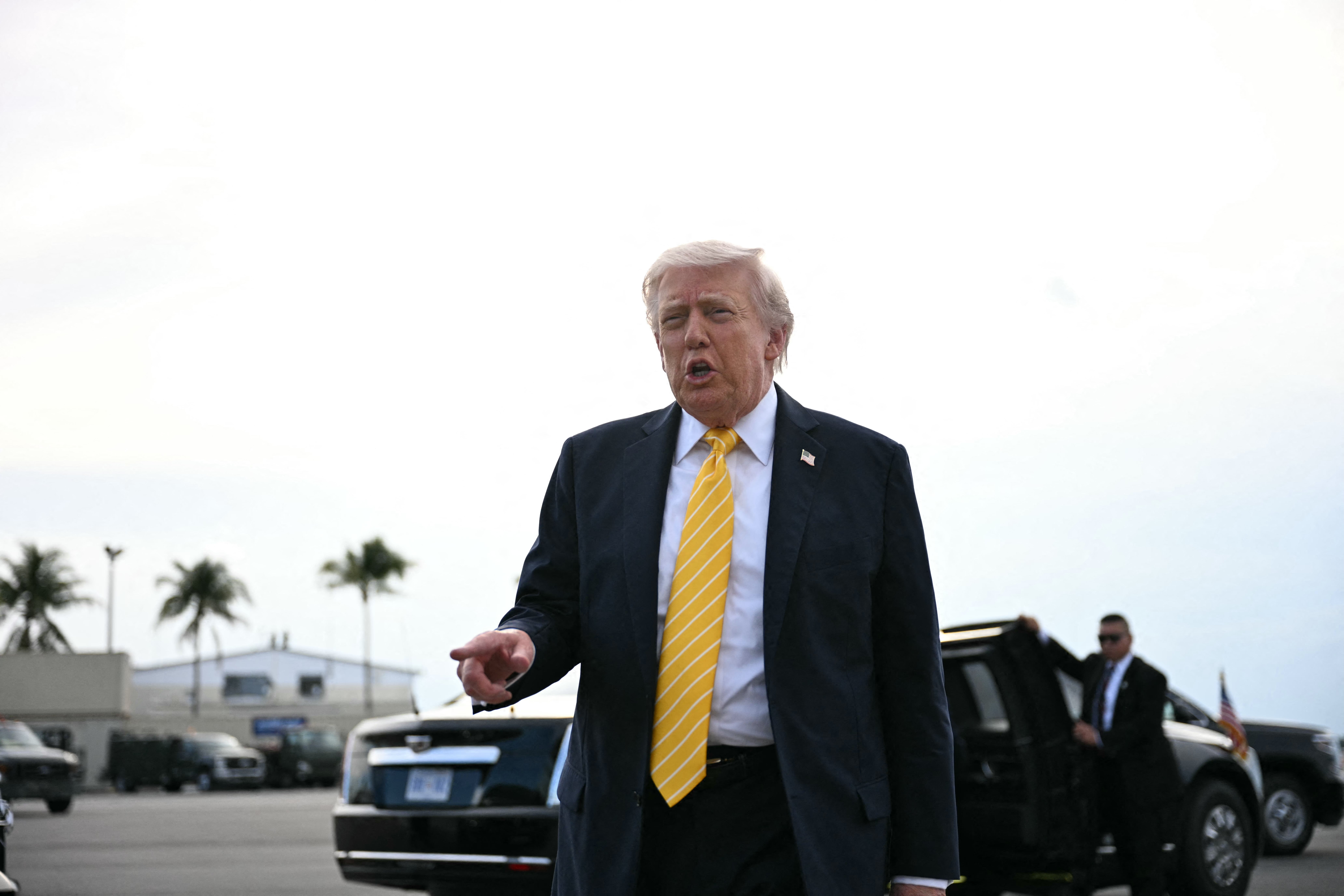
Strategic sourcing and inventory positioning become critical competitive advantages. The Trump administration's 2025 decision to open Arctic National Wildlife Refuge acreage for oil and gas leasing signals potential long-term supply increases that could moderate prices by 2027-2028, but near-term volatility will persist through the fragile ceasefire period. Sellers relying on just-in-time inventory from Asia-Pacific regions face compounded risks: higher shipping costs from manufacturing regions plus increased domestic fulfillment expenses. The U.S. Strategic Petroleum Reserve provides only short-term relief during supply disruptions, offering no structural price stability. Sellers should immediately audit their logistics networks, evaluate alternative 3PL providers in lower-cost regions, and consider shifting 20-30% of inventory to regional fulfillment centers to reduce long-haul shipping distances. Monitoring oil price trends as leading indicators of shipping cost changes enables dynamic pricing adjustments and margin protection strategies.
Questions 8
What immediate actions should I take to protect my margins from shipping cost increases?
Execute these steps within 30 days: (1) Audit your logistics network in Amazon Seller Central and 3PL dashboards to identify current fuel surcharge rates; (2) Evaluate alternative 3PL providers in lower-cost regions (Texas, Georgia, California) to reduce long-haul shipping distances; (3) Shift 20-30% of inventory to regional fulfillment centers to minimize cross-country shipping; (4) Implement dynamic pricing that adjusts for fuel surcharges—add $0.50-$1.50 per unit to product pricing; (5) Monitor oil prices weekly as leading indicators of shipping cost changes. Set alerts at $95 and $105/barrel to trigger pricing reviews.
When will oil prices stabilize and shipping costs decrease for e-commerce sellers?
The Trump administration's 2025 decision to open Arctic National Wildlife Refuge acreage for oil and gas leasing signals potential long-term supply increases that could moderate prices by 2027-2028, but near-term volatility will persist through the fragile ceasefire period. The U.S. Strategic Petroleum Reserve provides only short-term relief during supply disruptions, offering no structural price stability. Expect elevated shipping costs through Q4 2026 at minimum. Plan long-term pricing strategies assuming $95-$110/barrel oil through 2026, with potential relief in 2027. Don't rely on price decreases for margin recovery—focus on operational efficiency and cost structure optimization.