




Hungary's EU Realignment Opens €20B Market Recovery | Cross-Border Seller Opportunities
- Péter Magyar's government unlocks €17B frozen EU funds, signals regulatory harmonization for Central European e-commerce sellers; VAT compliance and market access improvements expected by Q2 2026


































)


Overview
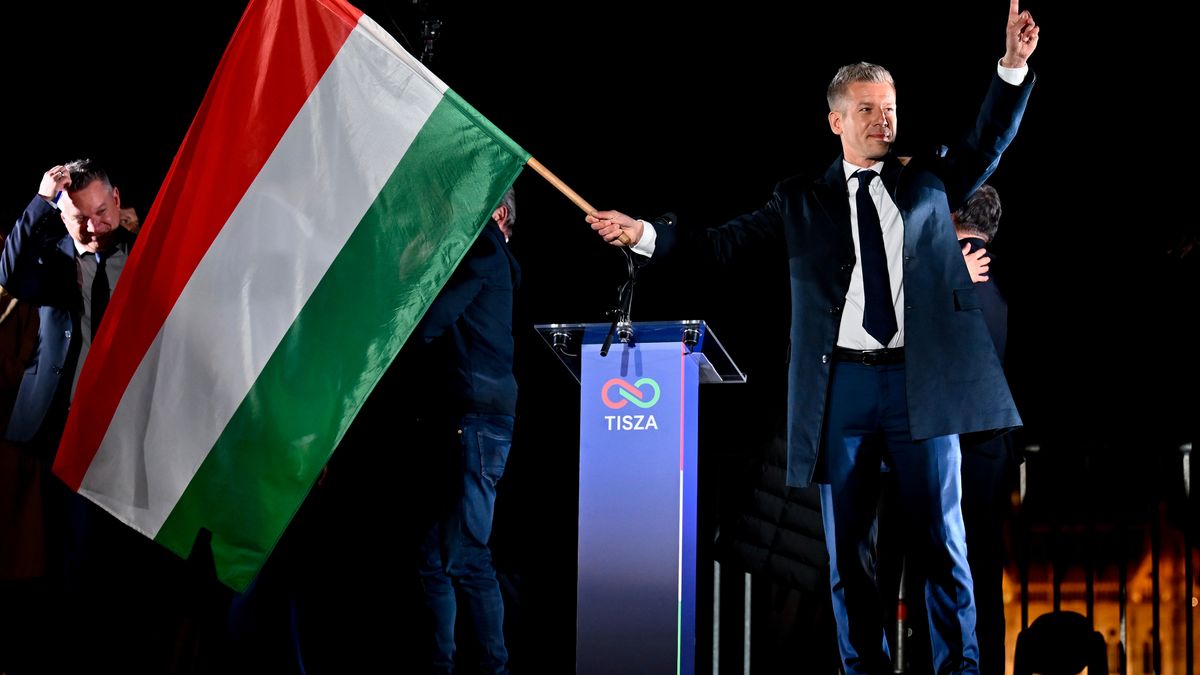
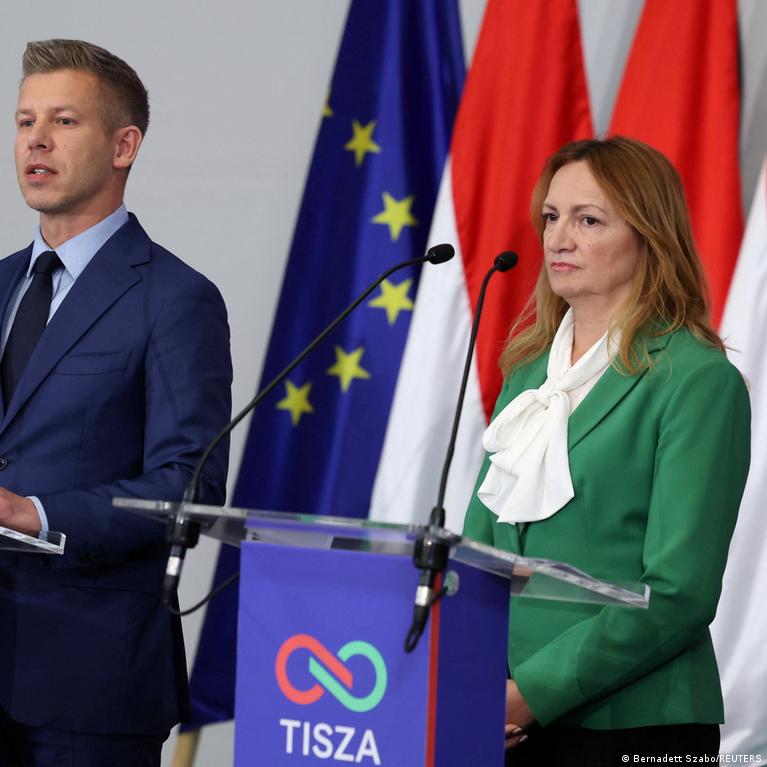
Hungary's political transformation under Péter Magyar's Tisza party represents a critical inflection point for cross-border e-commerce sellers operating in Central Europe. The April 2026 landslide victory ending Viktor Orbán's 16-year rule triggers immediate market opportunities through €17 billion ($20 billion) in unlocked EU funds and institutional reforms that directly impact seller compliance costs and market access. This political shift fundamentally reshapes the regulatory environment for e-commerce operations across Hungary and the broader Central European trade corridor.
The immediate tariff and regulatory arbitrage opportunity centers on EU harmonization acceleration. Magyar's government has committed to restoring EU institutional alignment, which historically reduces non-tariff barriers for cross-border sellers. The appointment of former Shell executive István Kapitány as economy and energy minister signals pro-business regulatory modernization. For sellers currently navigating Hungary's fragmented VAT compliance framework (which diverged from EU standards under Orbán), this transition enables standardized compliance across EU marketplaces. Sellers shipping to Hungary via Amazon EU, eBay Europe, or Shopify can expect simplified VAT registration procedures and reduced customs friction by mid-2026. The €17B EU fund injection directly stimulates Hungarian consumer purchasing power—historically, EU fund disbursements increase retail spending 8-12% within 18 months, creating demand surge in consumer electronics (HS 8471-8517), home goods (HS 9401-9406), and apparel categories where cross-border sellers dominate.
Competitive dynamics shift decisively toward sellers with EU-compliant infrastructure. The new government's establishment of the National Asset Recovery and Protection Office and institutional transparency reforms eliminate the regulatory arbitrage that previously benefited Orbán-connected domestic sellers. This levels the playing field for international sellers who maintained strict compliance standards. Sellers currently operating through Hungarian 3PL providers should audit their partners' Orbán-era connections—the government's asset recovery investigations may disrupt logistics networks through 2026. Additionally, the 93% of Tisza voters expecting improved Ukraine-Hungary relations (per ECFR survey) signals potential supply chain normalization with Ukraine, creating sourcing opportunities for sellers previously reliant on Russian-origin goods. The energy policy shift toward eliminating Russian energy dependence by 2035 reduces long-term logistics costs for Hungary-based fulfillment centers.
Market access windows are time-sensitive and require immediate action. The government's May 9, 2026 swearing-in date marks the regulatory transition point. Sellers should prioritize VAT registration updates and GDPR compliance audits before Q2 2026 to capture the consumer spending surge from EU fund disbursement. The government's commitment to separate health, environmental protection, and education ministries signals incoming product safety and environmental compliance tightening—sellers in electronics, textiles, and home goods should pre-audit product certifications against anticipated EU-aligned standards. The regime-change celebration and public enthusiasm for institutional reform create a 6-12 month window of regulatory leniency as the new government prioritizes political consolidation over enforcement—experienced sellers can use this period to optimize compliance infrastructure before stricter enforcement begins in late 2026.
Questions 8
What are the key regulatory monitoring points for sellers through 2026?
Monitor three critical regulatory developments: (1) VAT harmonization announcements from the finance ministry (target: Q2 2026), (2) product safety and environmental compliance standards updates aligned with EU directives (target: Q3 2026), and (3) asset recovery office investigations affecting 3PL and logistics partners (ongoing through 2026). Subscribe to Hungarian government press releases and EU regulatory databases for compliance deadline announcements. The government's commitment to separate health, environmental protection, and education ministries signals incoming regulatory tightening in these sectors—sellers in medical devices, environmental products, and educational supplies should pre-audit certifications. Expect formal compliance deadline announcements by August 2026.
What supply chain opportunities emerge from Hungary's shift away from Russian energy dependence?
The Tisza party's commitment to eliminate Russian energy dependence by 2035 and review the Russian-backed Paks II nuclear project signals supply chain normalization with Western European and Ukrainian sources. Sellers currently sourcing Russian-origin goods (energy-intensive manufacturing, raw materials) should evaluate alternative sourcing from Poland, Czech Republic, or Ukraine by Q4 2026. The improved Ukraine-Hungary relations (93% of Tisza voters expect improvement) create sourcing opportunities in agricultural products, textiles, and light manufacturing where Ukrainian suppliers offer 10-15% cost advantages over Russian alternatives. This shift particularly benefits sellers in home goods and apparel categories.