





SpaceX Becomes AI Hyperscaler | E-Commerce Cloud Costs Face Disruption in 2026
- SpaceX's $3-4B compute infrastructure deal signals new pricing competition for e-commerce platforms; sellers face potential 8-15% cost reductions in AI-powered tools by Q3 2026





























Overview
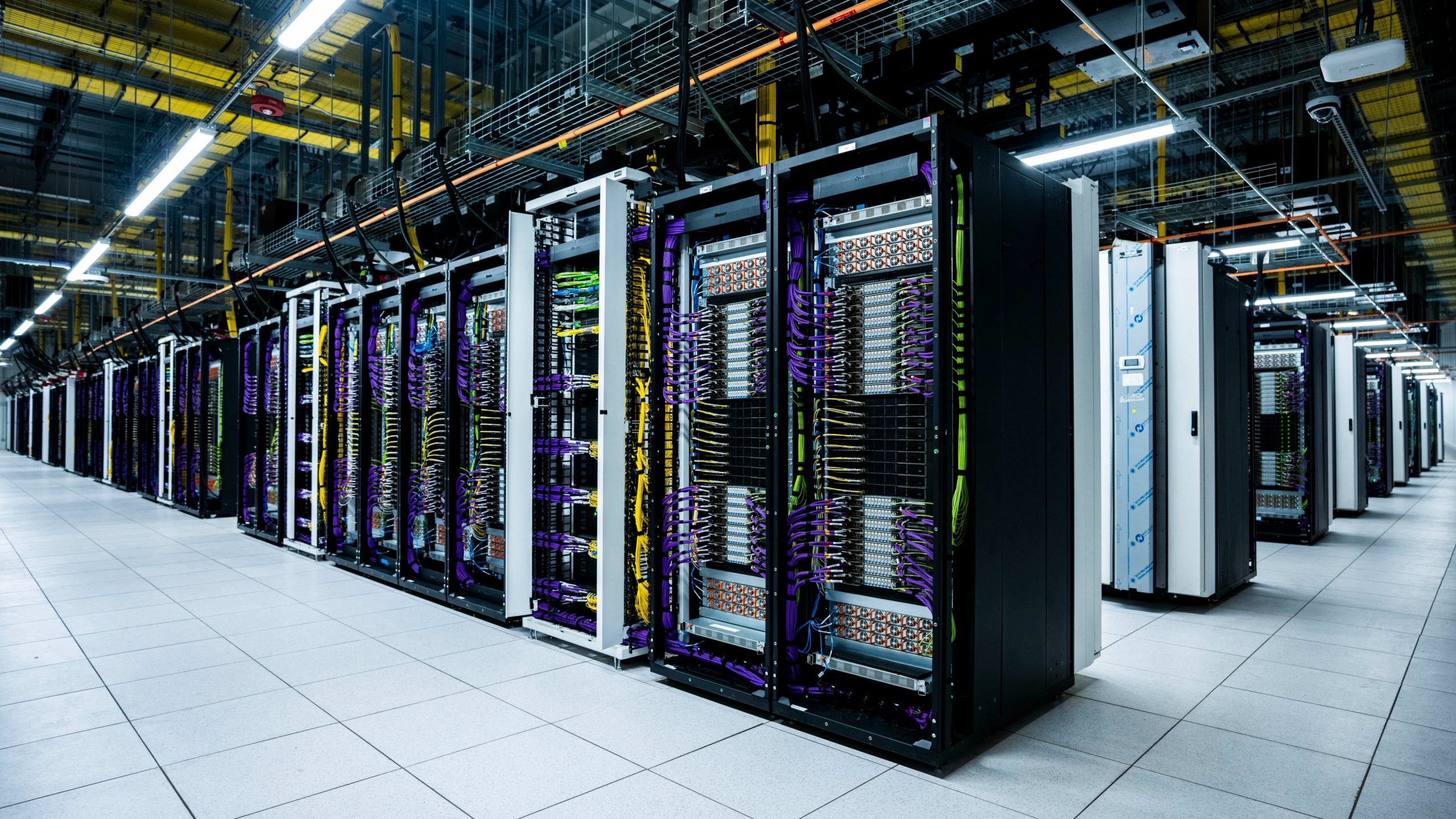
SpaceX's strategic pivot to become a fourth hyperscaler through its $3-4 billion annual compute lease to Anthropic represents a fundamental shift in AI infrastructure economics that will directly impact e-commerce sellers' access to AI-powered tools. The deal, announced in May 2026, leverages Colossus 1's 220,000 Nvidia GPUs—originally built for Grok but underutilized due to the AI assistant generating less than $1 billion in annualized revenue. By capturing 30%+ margins typically paid to AWS, Microsoft Azure, and Google Cloud, SpaceX is positioning itself as a disruptive fourth hyperscaler before its anticipated IPO targeting a $1.75-2 trillion valuation.
For e-commerce sellers, this infrastructure competition creates immediate automation opportunities. The consolidation of AI compute capacity—with Cerebras Systems, OpenAI, and Anthropic all planning 2026 IPOs—signals that cloud computing costs will face downward pressure. E-commerce platforms currently spend 15-25% of operational budgets on cloud infrastructure for seller-facing AI features: dynamic pricing engines, demand forecasting, inventory optimization, and customer service chatbots. As SpaceX and other new hyperscalers compete for market share, platforms like Amazon, Shopify, and eBay will have leverage to negotiate lower compute costs, potentially reducing the cost basis for AI tools offered to sellers.
The strategic risk, however, centers on infrastructure reliability and vendor lock-in. Gene Munster from Deepwater Asset Management estimates only 80% probability the SpaceX-Anthropic deal survives two years, citing Musk's historical tendency to change strategic direction. The controversial "kill-switch clause" in the contract—allowing SpaceX to reclaim compute if Anthropic's AI engages in harmful actions—creates operational uncertainty. For e-commerce platforms, this means contingency planning becomes critical: platforms relying on SpaceX infrastructure for seller tools face potential service disruptions if the deal dissolves or Musk pivots strategy.
The broader AI infrastructure IPO wave (Cerebras, Blackstone Digital Infrastructure Trust, Fervo Energy) indicates sustained investor demand for computational resources. This creates a competitive environment where e-commerce platforms can negotiate better terms with multiple hyperscalers. Sellers should expect platform announcements regarding AI tool pricing reductions and expanded feature access by Q2-Q3 2026, as platforms leverage new infrastructure competition to improve seller economics and drive adoption of AI-powered optimization tools.
Questions 8
How does SpaceX's infrastructure deal affect cross-border e-commerce sellers?
Cross-border sellers benefit from infrastructure cost reductions through improved logistics optimization and demand forecasting across regions. Platforms like Amazon Global, eBay International, and Shopify Plus can deploy region-specific AI models (EU VAT compliance, UK tariff calculations, Asia-Pacific demand patterns) at lower costs. Sellers shipping to 5+ countries currently spend $1,000-3,000/month on compliance and logistics tools; platform-native solutions could reduce this 20-30% by Q3 2026. Additionally, improved customer service chatbots (powered by cheaper compute) enable 24/7 multilingual support, reducing support costs 15-25% for sellers with international customer bases. Monitor platform announcements for regional AI tool launches in Q2-Q3 2026.
What data analysis opportunities emerge from AI infrastructure competition?
Cheaper compute enables platforms to offer sellers advanced analytics previously reserved for enterprise customers: cohort analysis (identifying high-lifetime-value customer segments), attribution modeling (understanding which marketing channels drive conversions), and predictive churn analysis (identifying at-risk customers). Sellers can expect platform dashboards with 50-100+ new metrics by Q3 2026. The competitive advantage comes from early adoption: sellers analyzing customer cohorts 2-3 months before competitors can optimize marketing spend 15-20% more efficiently. Sellers should prepare data infrastructure (clean customer databases, transaction logs, marketing spend tracking) by Q2 2026 to maximize value from new analytics tools. Sellers with $1M+ annual revenue should prioritize cohort and attribution analysis for 12-18% ROAS improvements.