

Michigan Football's Catastrophic Collapse: Leadership Crisis and Institutional Reckoning
- Unprecedented Scandal Exposes Deep Systemic Vulnerabilities in High-Profile Athletic Program











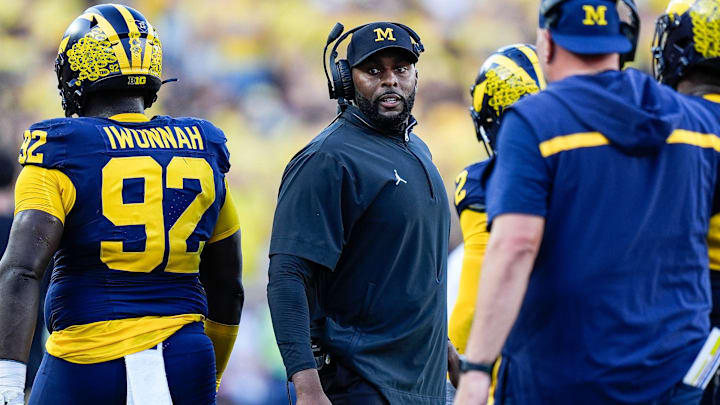
Overview
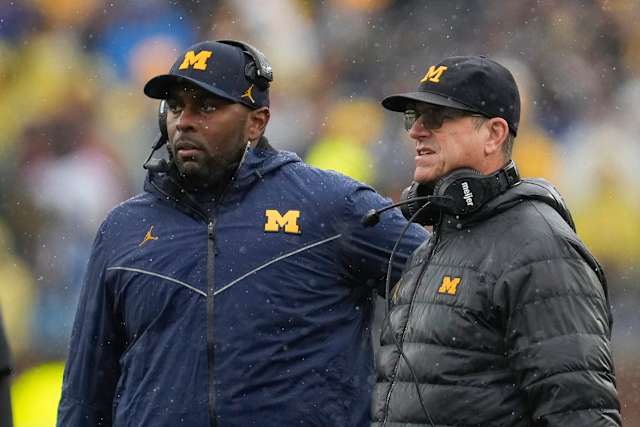
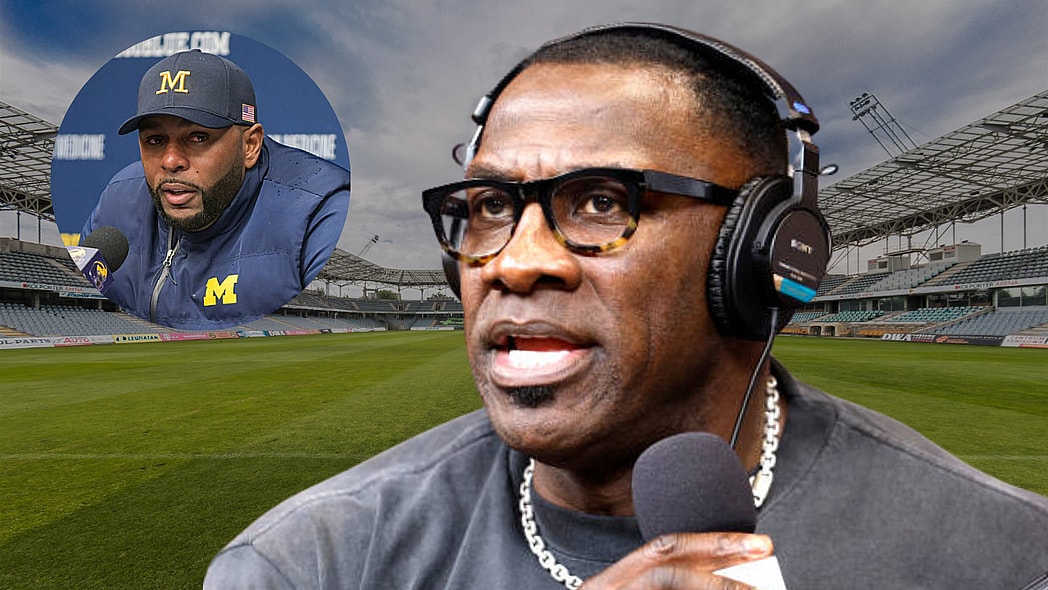
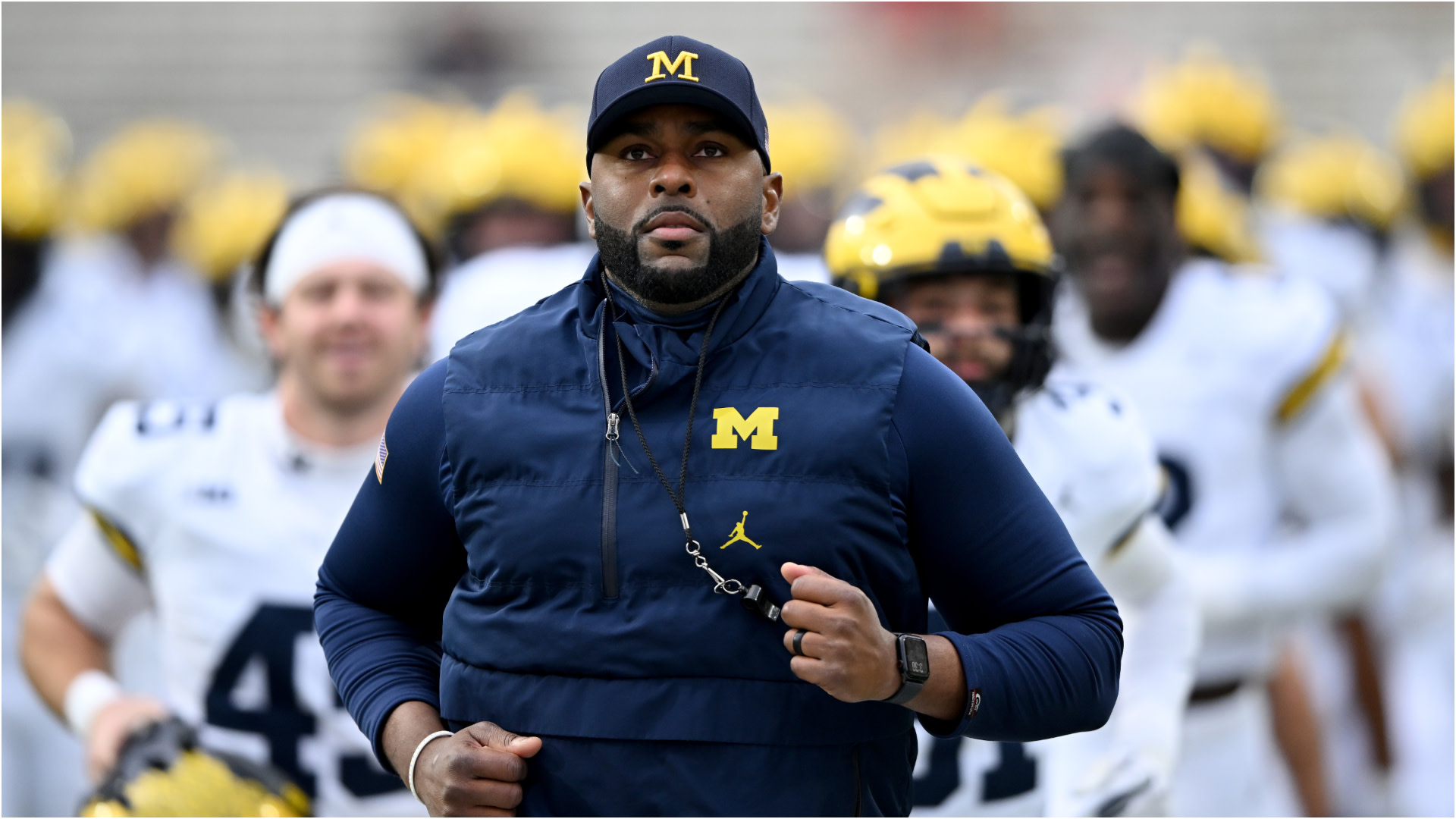
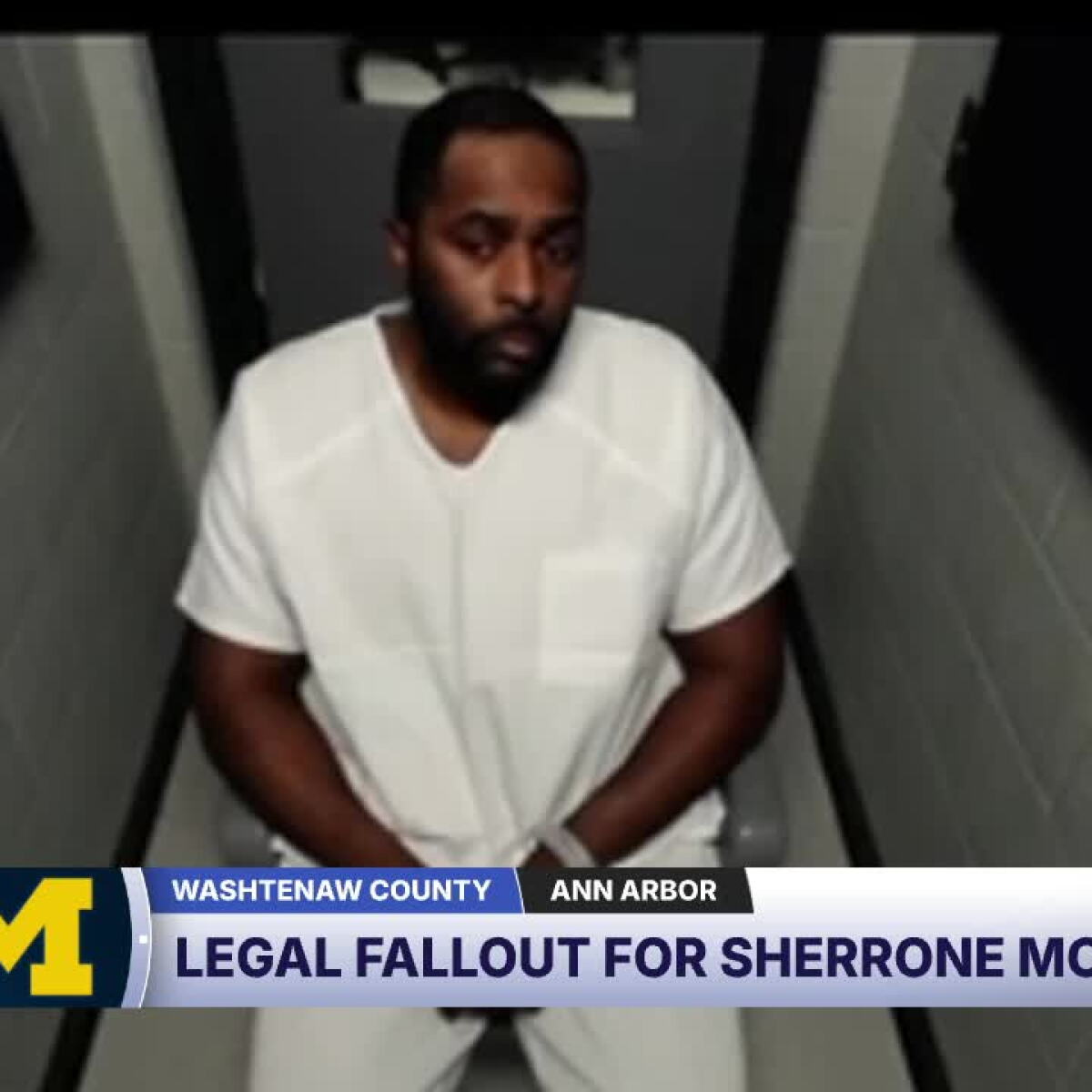
The University of Michigan football program is experiencing a seismic institutional crisis that transcends a simple coaching transition. Sherrone Moore's dramatic fall represents more than an individual misconduct case—it signals a profound leadership and cultural breakdown within a historically prestigious athletic department.
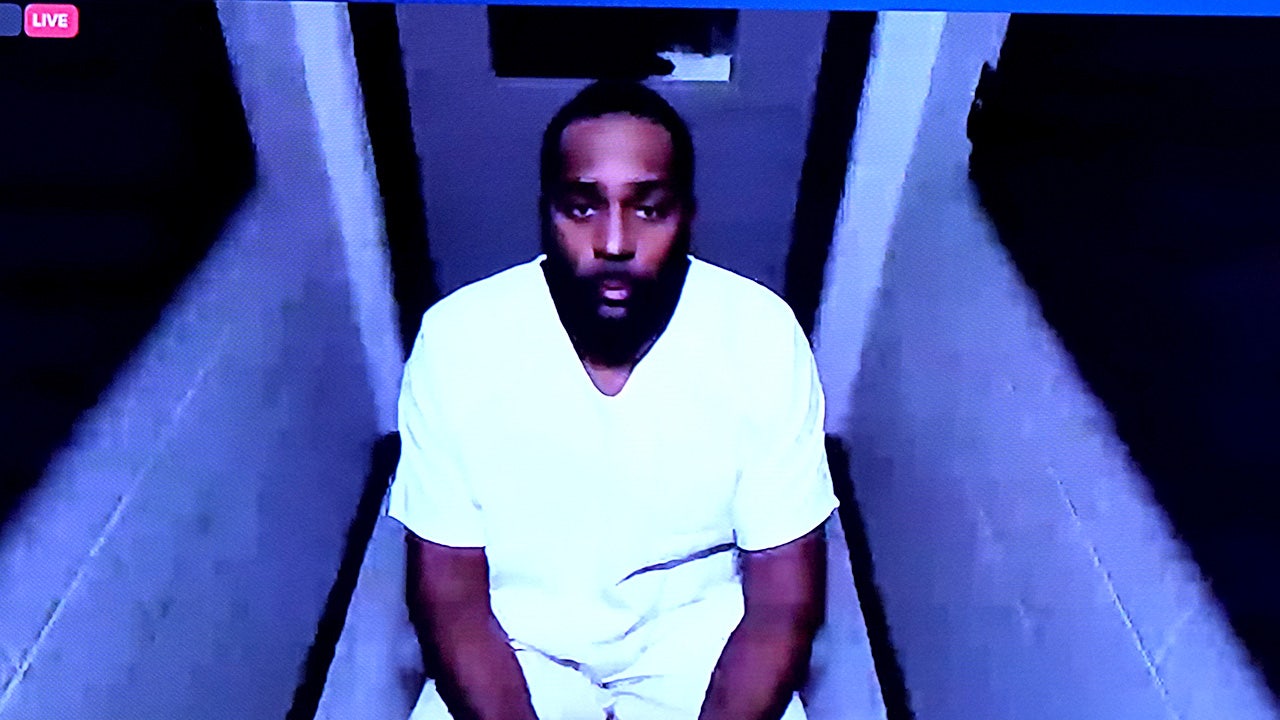
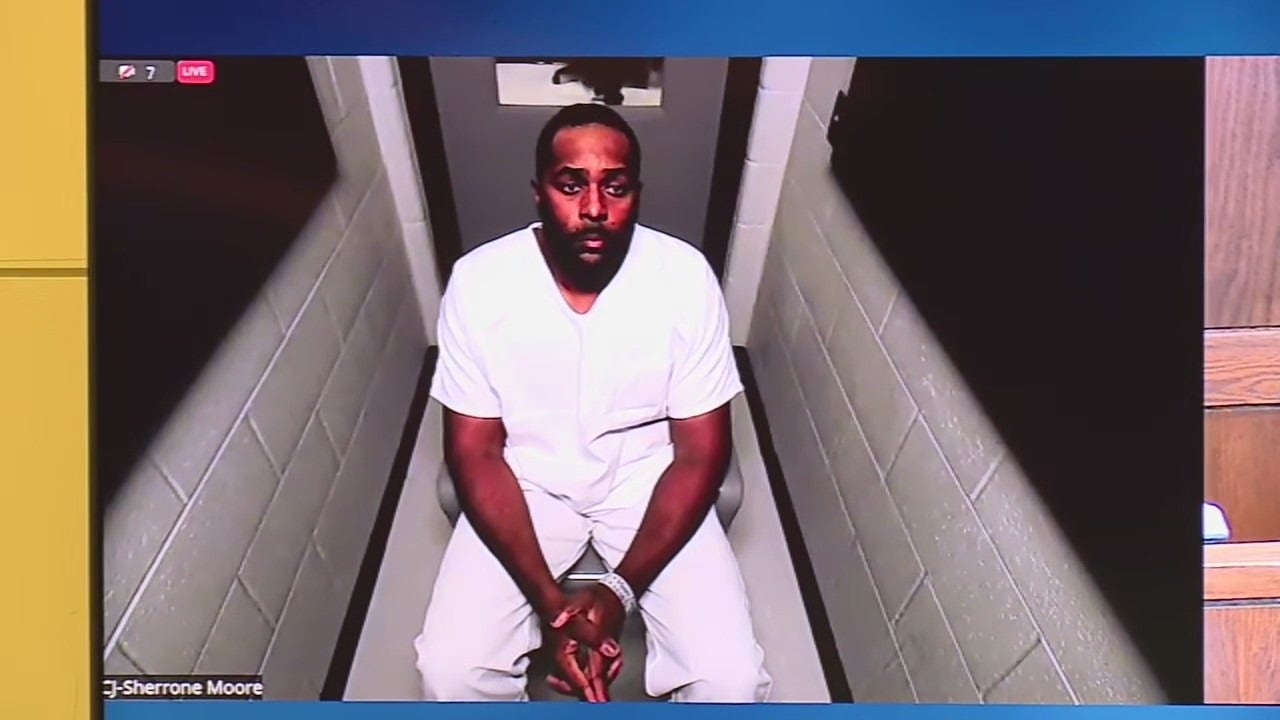
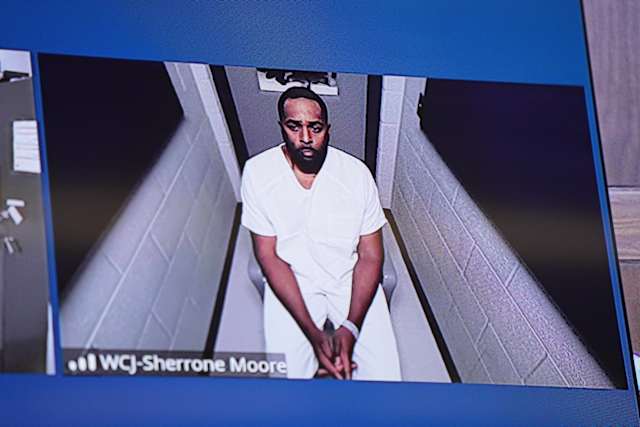
The unfolding narrative reveals a complex web of professional misconduct, legal complications, and institutional vulnerability. Moore's rapid descent—from potential head coach to criminal defendant—highlights the fragile nature of leadership in high-stakes collegiate athletics. His alleged actions, including an inappropriate workplace relationship, home invasion, and threatening behavior, have triggered a comprehensive institutional response that goes far beyond a typical personnel issue.
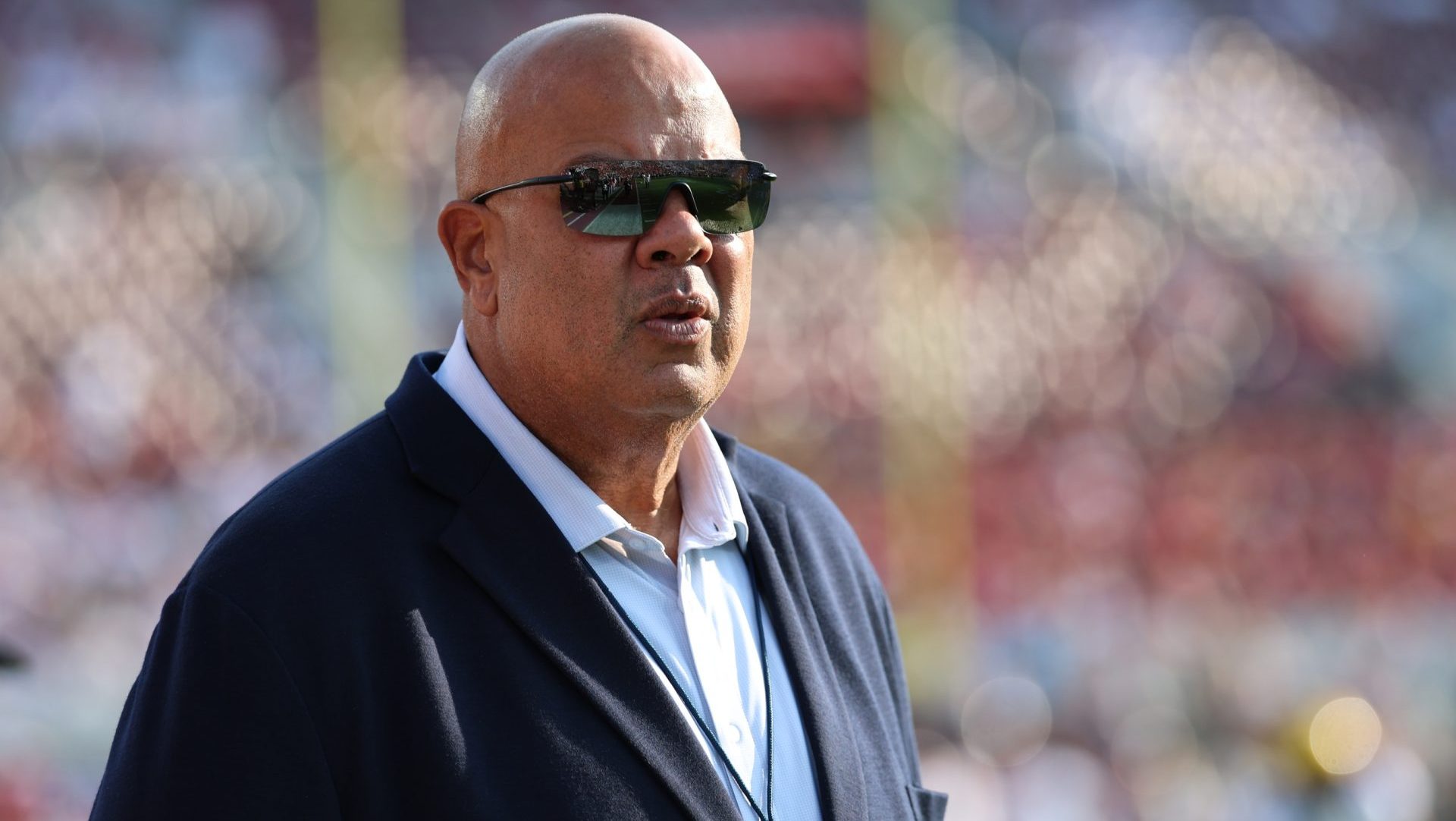
The University of Michigan's Board of Regents has taken an unusually proactive stance by engaging the Chicago-based law firm Jenner & Block to conduct a broad, transparent investigation. This signals a commitment to addressing potential systemic issues rather than merely managing a single personnel problem. The investigation's expanded mandate suggests the university recognizes deeper organizational challenges that require thorough examination.
The coaching search now becomes a critical inflection point. With potential candidates like Tommy Rees and Kalen DeBoer being considered, the program faces the challenge of rebuilding its reputation while maintaining competitive momentum. The shortest head coach tenure in nearly 100 years underscores the magnitude of this institutional disruption.
Critically, this case represents more than a sports management issue—it's a broader commentary on accountability, workplace conduct, and institutional responsibility in high-profile educational settings. The university's response will likely serve as a benchmark for how academic institutions handle complex personnel and cultural challenges.
Questions 3
What are the key implications of Sherrone Moore's firing for the Michigan football program?
The firing represents a critical leadership disruption that could impact team morale, recruiting, and competitive performance. With the shortest head coach tenure in nearly 100 years, the program faces significant challenges in maintaining stability and rebuilding its institutional reputation.
How is the University of Michigan responding to this crisis?
The university has engaged an independent law firm, Jenner & Block, to conduct a comprehensive investigation that goes beyond Moore's individual case and examines broader systemic issues within the athletic department. This approach demonstrates a commitment to transparency and institutional accountability.