



NFL Injury Protocols Reveal Critical Player Management Strategies
- Concussion Management Highlights Athlete Safety and Strategic Decision-Making in Professional Sports







.jpg?w=3800&h=2000)





Overview
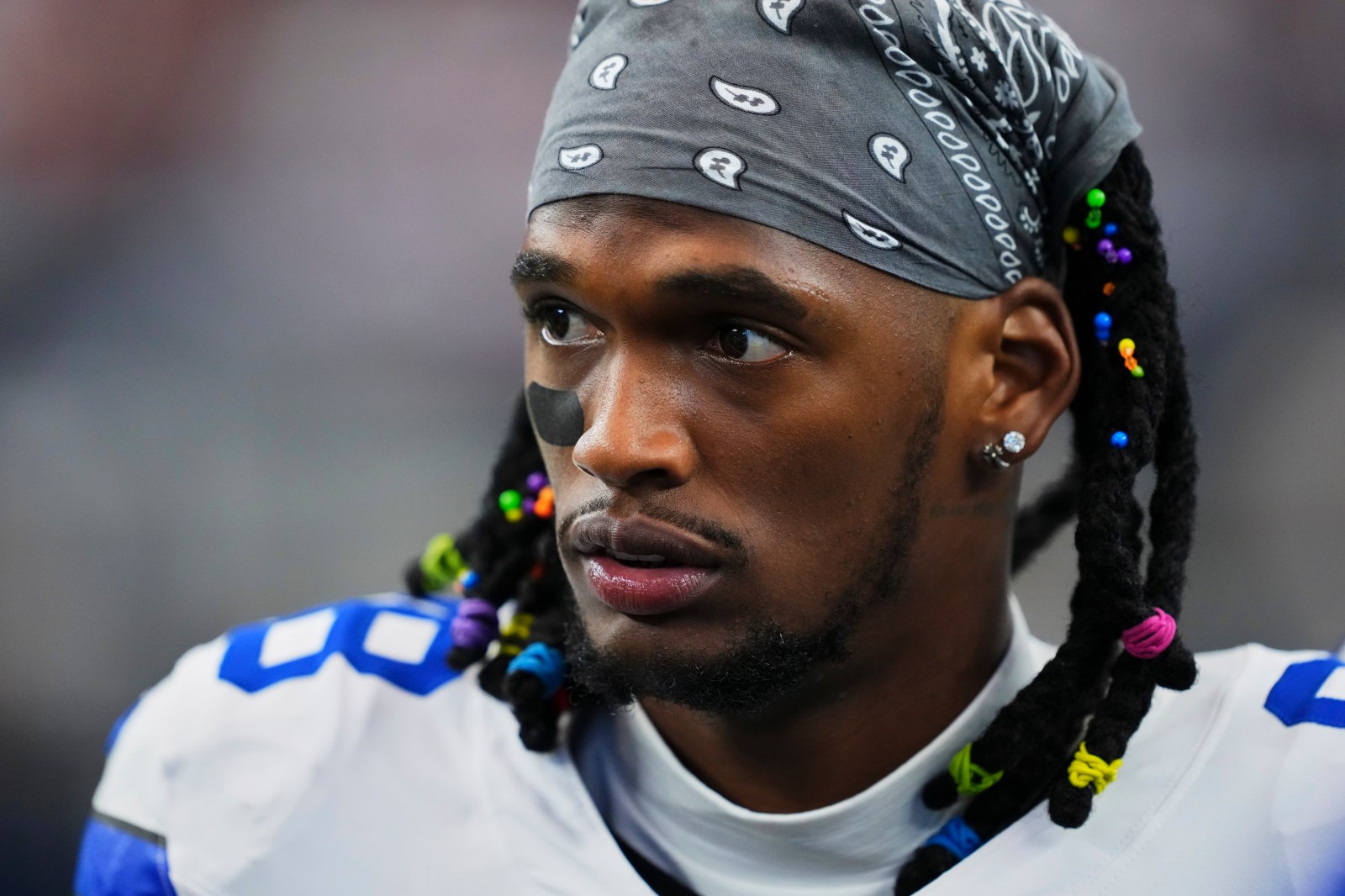
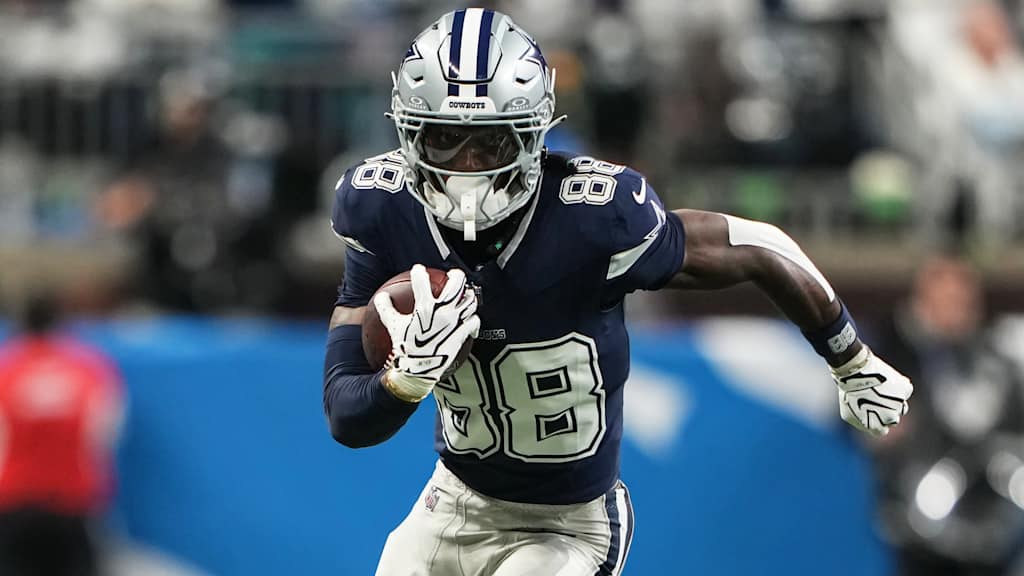
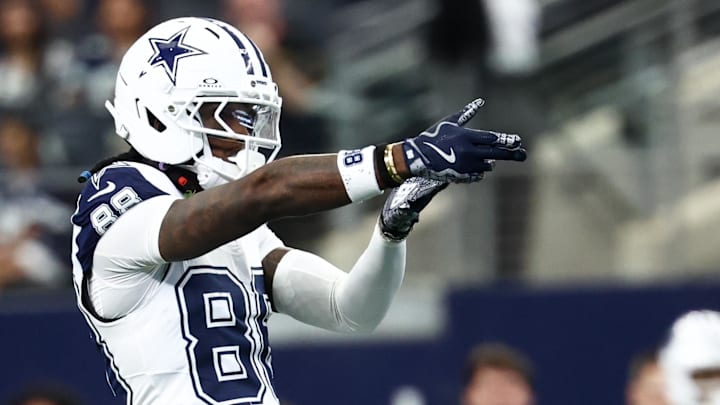
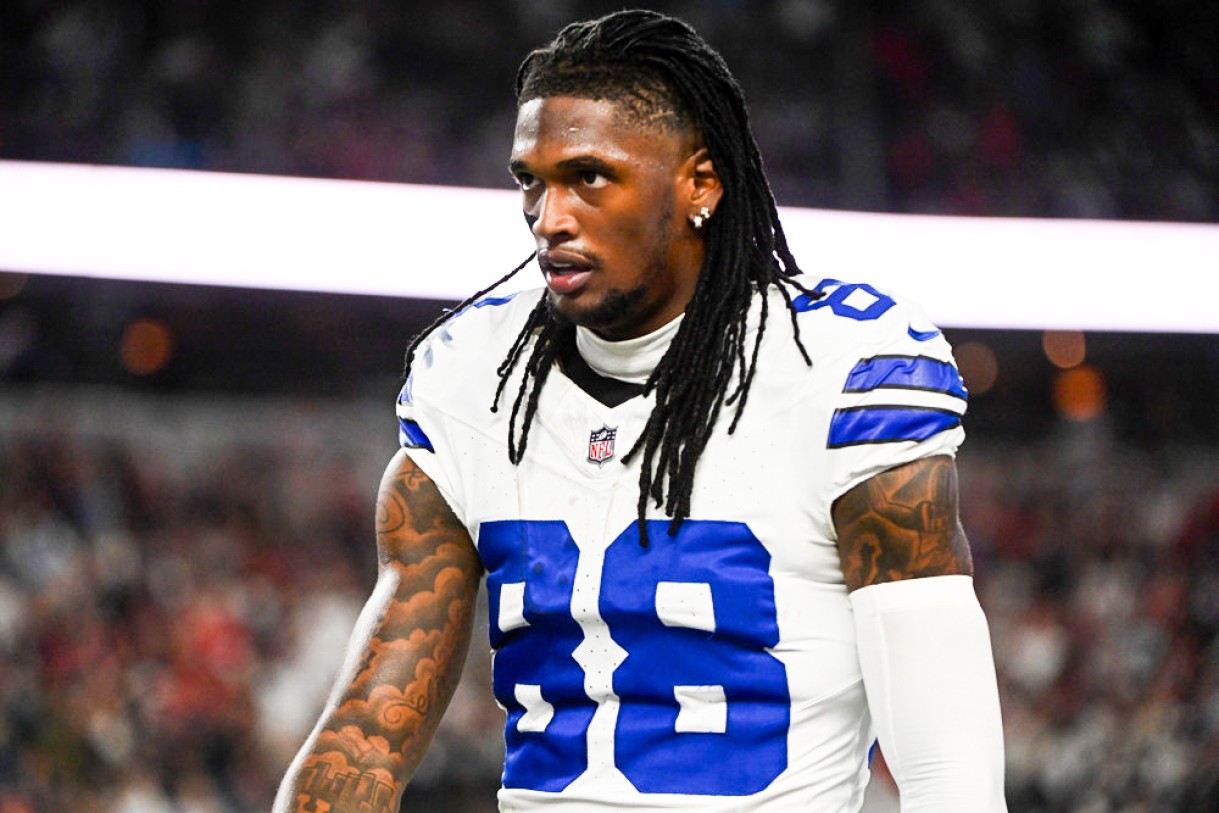
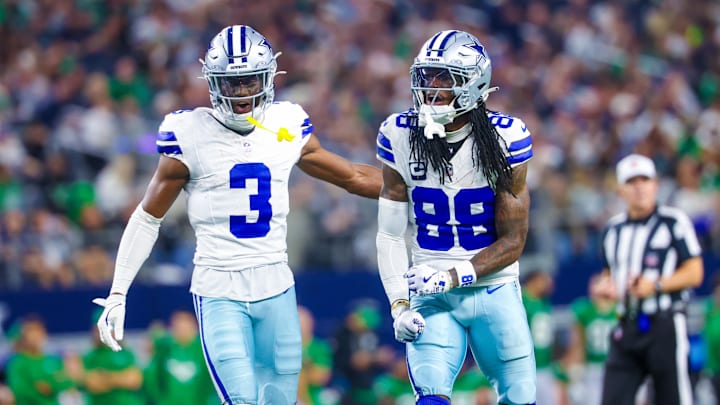
The recent coverage of CeeDee Lamb's concussion recovery offers a nuanced window into the sophisticated medical and strategic decision-making processes in professional sports. At the core of this narrative is a meticulous approach to player health that balances immediate competitive needs with long-term athlete well-being.
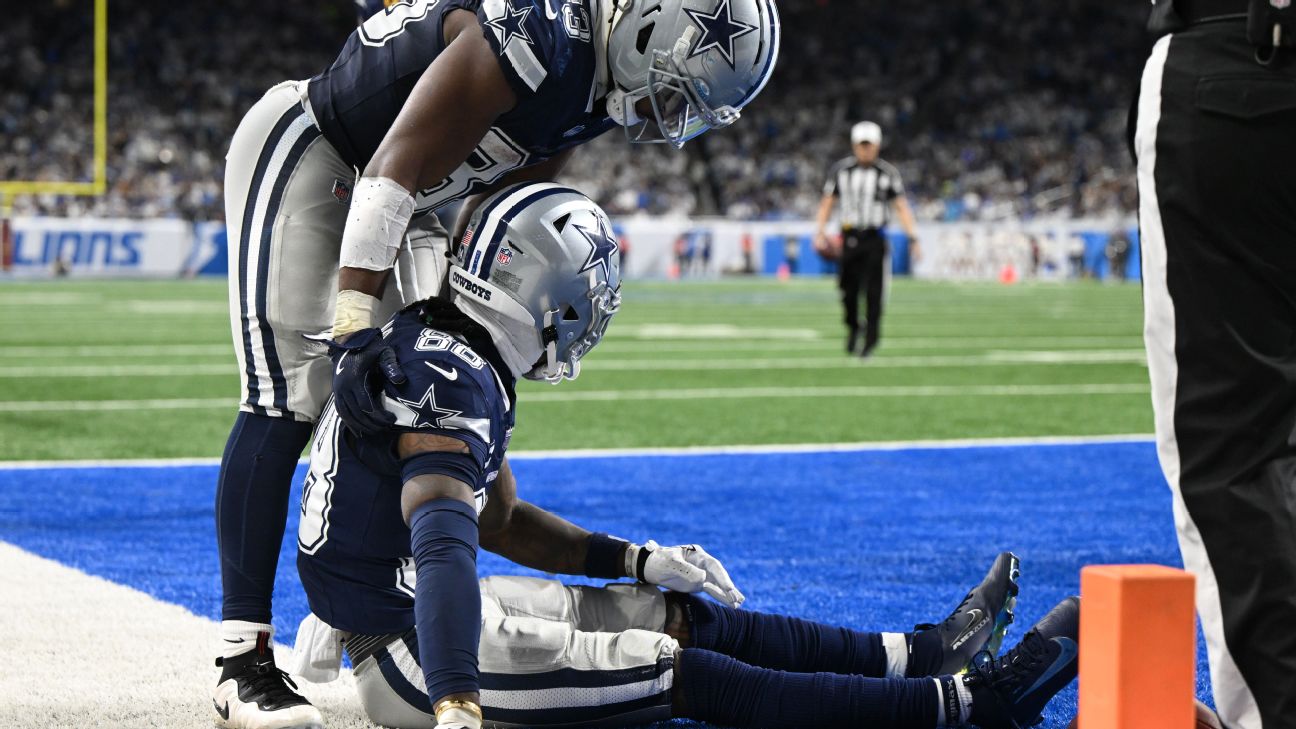
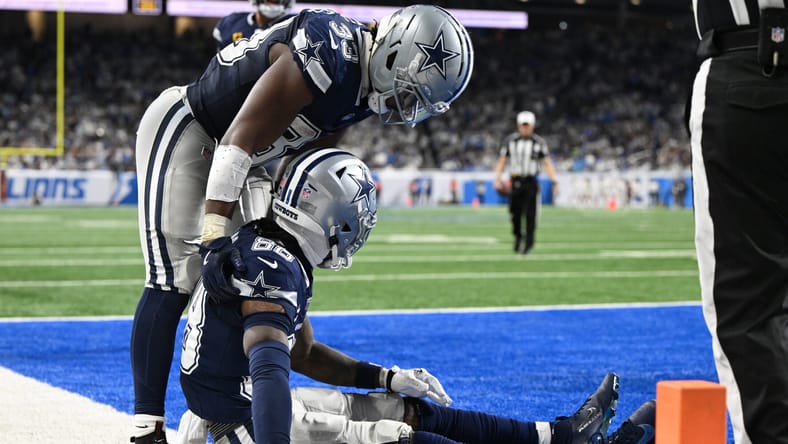
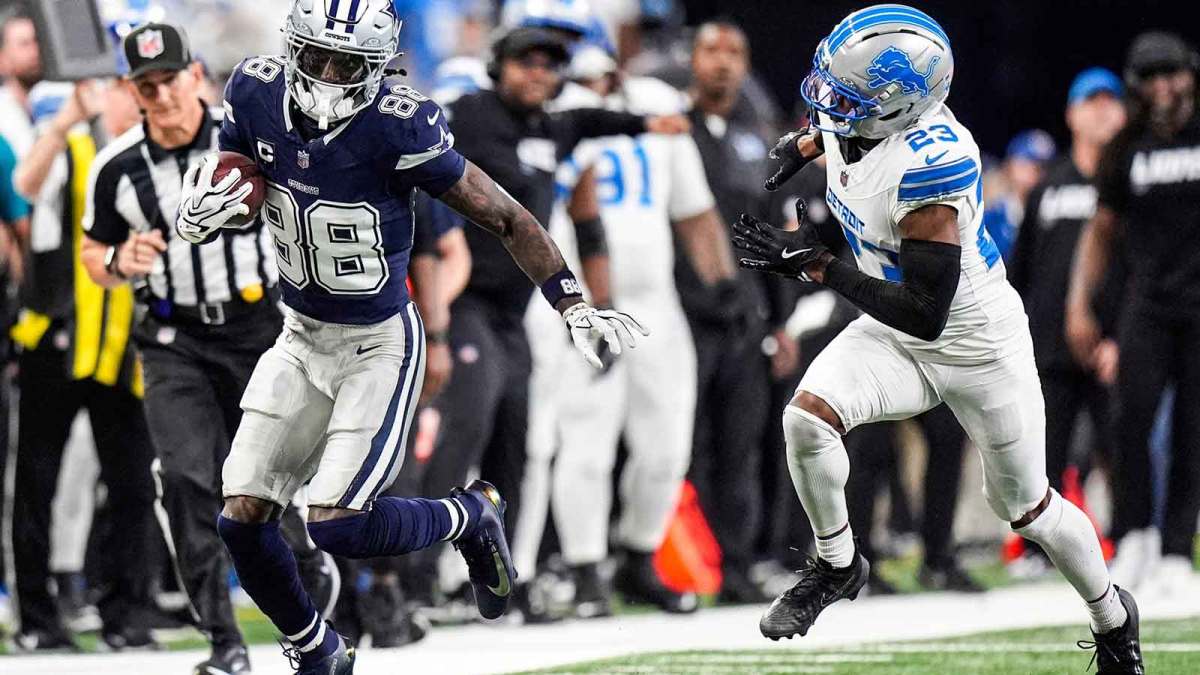
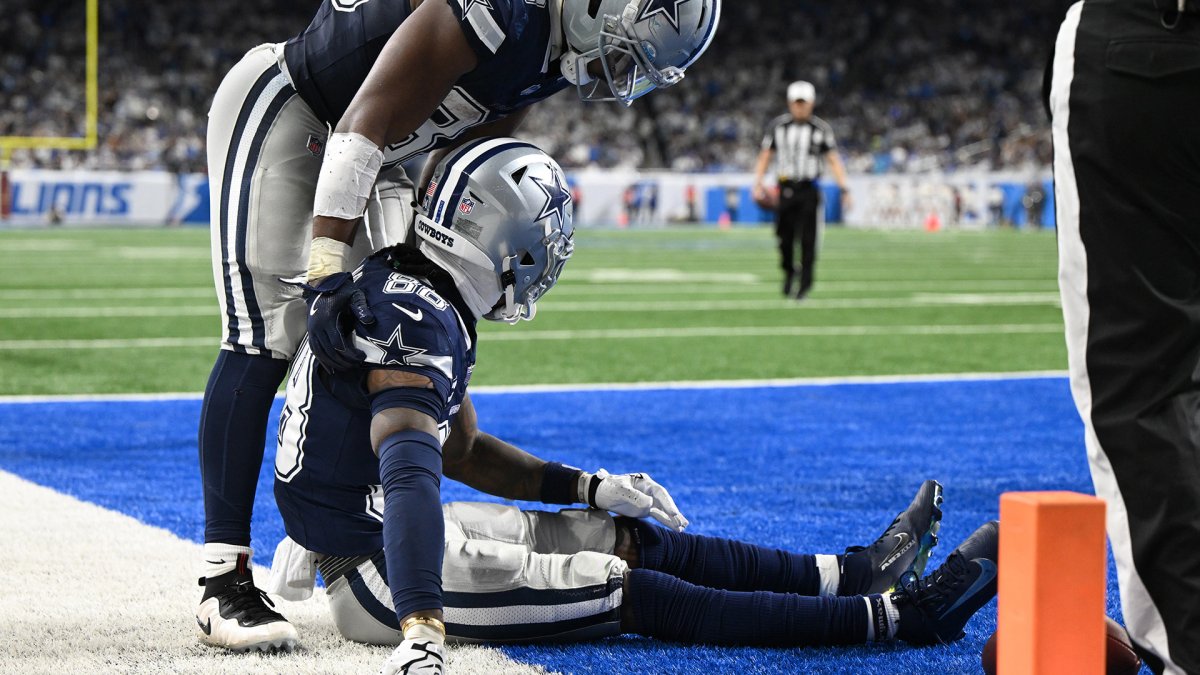
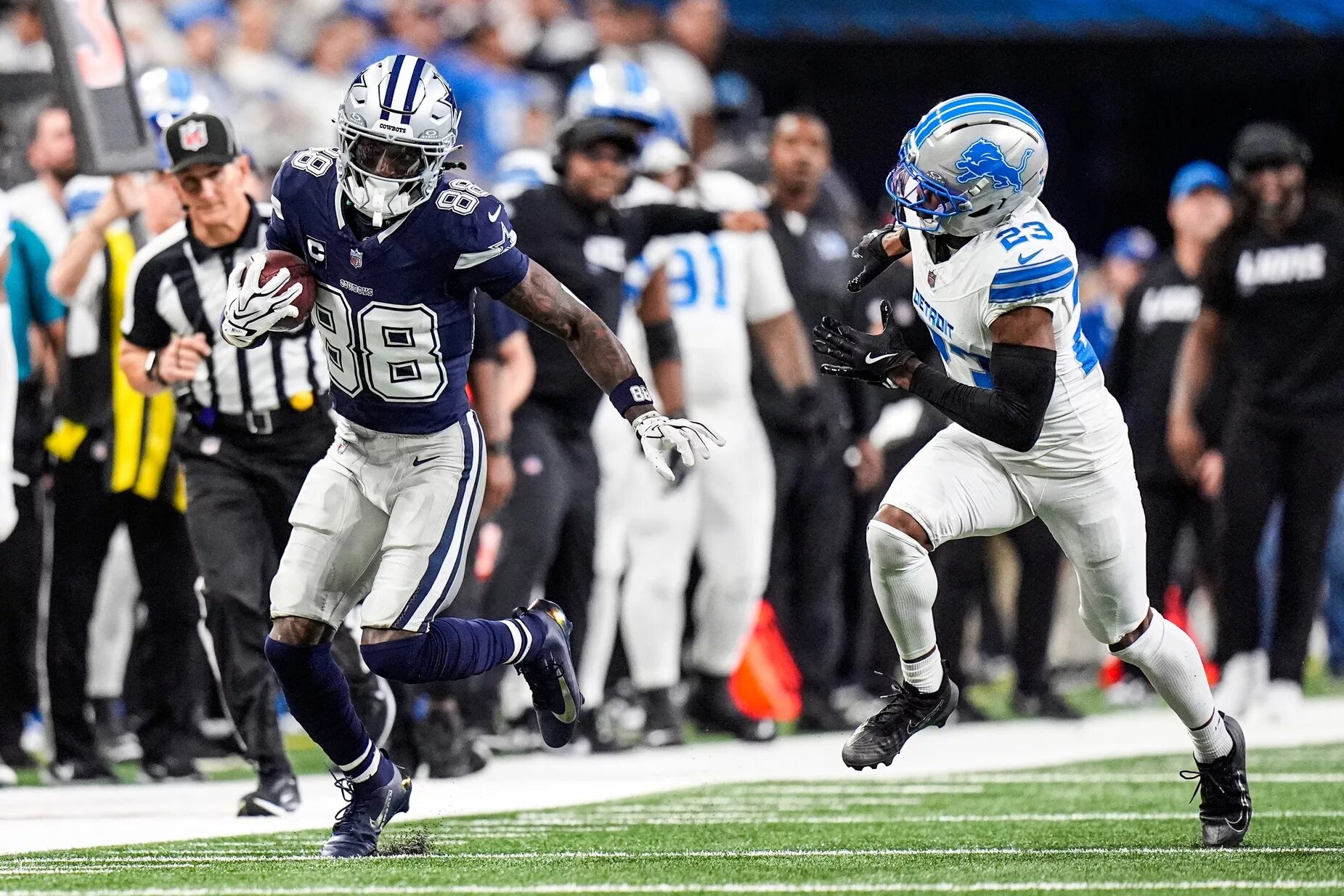
Medical protocols have emerged as a critical strategic asset in professional athletics, transforming injury management from a reactive to a proactively structured process. Lamb's journey through concussion protocol demonstrates a multi-stakeholder approach involving medical staff, coaching teams, and the player himself. After a frightening incident where he blacked out during a game against the Detroit Lions, Lamb was immediately removed from play—a decision that underscores the prioritization of player safety over short-term performance.
The comprehensive injury reports reveal a broader trend in professional sports: increasingly sophisticated health management. Multiple teams—from the Dallas Cowboys to the Washington Commanders—are showcasing complex decision-making frameworks around player availability. The reports highlight not just medical assessments, but a holistic approach that considers psychological readiness, neurological recovery, and gradual reintegration into competitive environments.
What makes this case particularly compelling is the transparent communication around Lamb's recovery. Head coach Brian Schottenheimer's indication that Lamb is just "one or two benchmarks away" from clearing protocol, and quarterback Dak Prescott's confident statements about Lamb's responsiveness, demonstrate a mature ecosystem of player support. This approach goes beyond traditional "play or sit" binary decisions, revealing a nuanced understanding of athlete health as a dynamic, individualized process.
The broader implications extend far beyond football. These protocols represent a sophisticated risk management strategy that balances immediate competitive objectives with long-term human capital preservation. For organizations across industries, this serves as a powerful case study in managing high-stakes human performance under complex, unpredictable conditions.
Questions 3
What broader lessons can organizations learn from these injury management strategies?
Professional sports injury protocols offer a masterclass in risk management: balancing immediate performance needs with long-term human capital preservation, maintaining transparent communication, and creating individualized recovery frameworks that prioritize human health.
What makes CeeDee Lamb's concussion recovery significant?
Lamb's recovery demonstrates a sophisticated, multi-stakeholder approach to player health that prioritizes long-term well-being over short-term performance. His careful navigation through concussion protocol, involving medical staff, coaches, and personal assessment, represents a modern standard in athlete management.