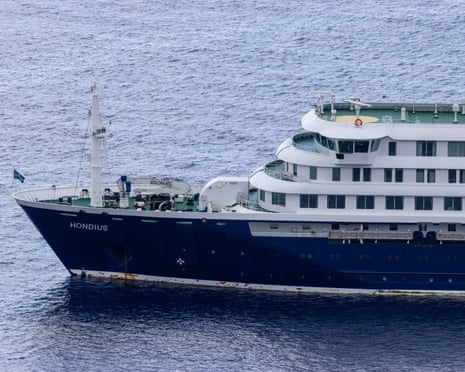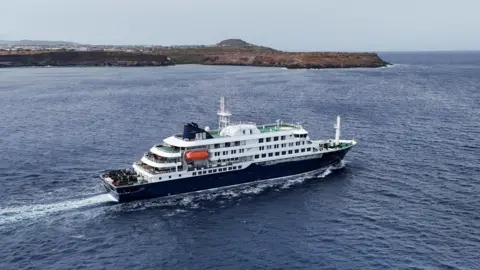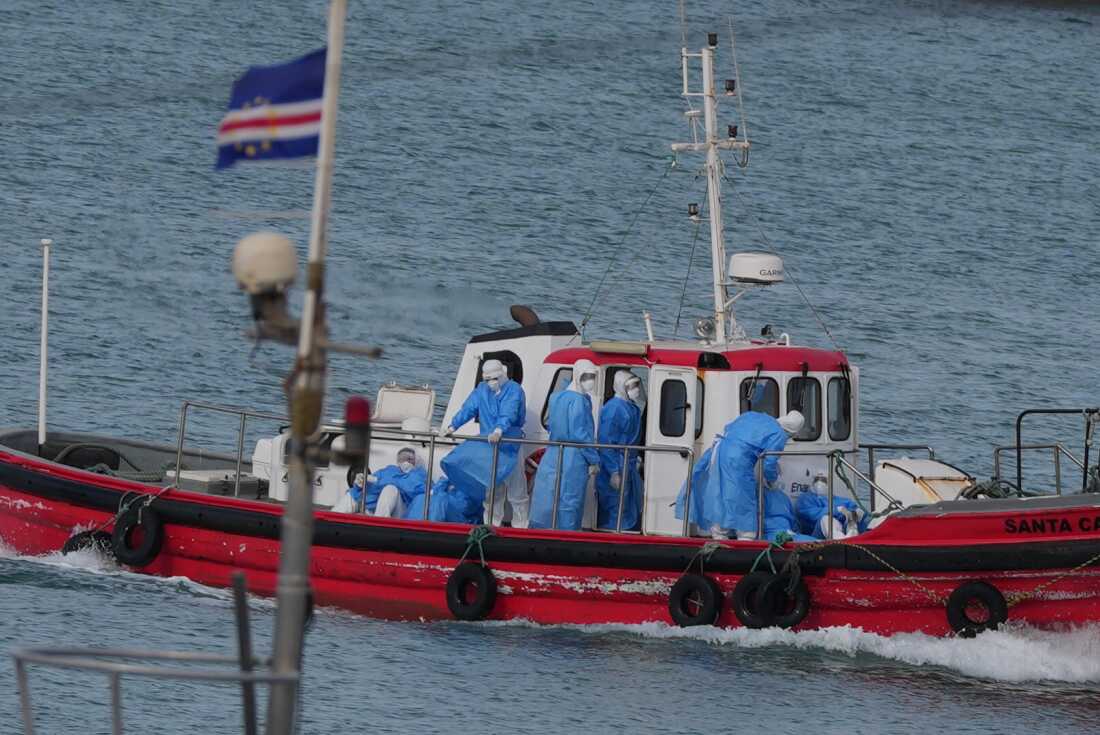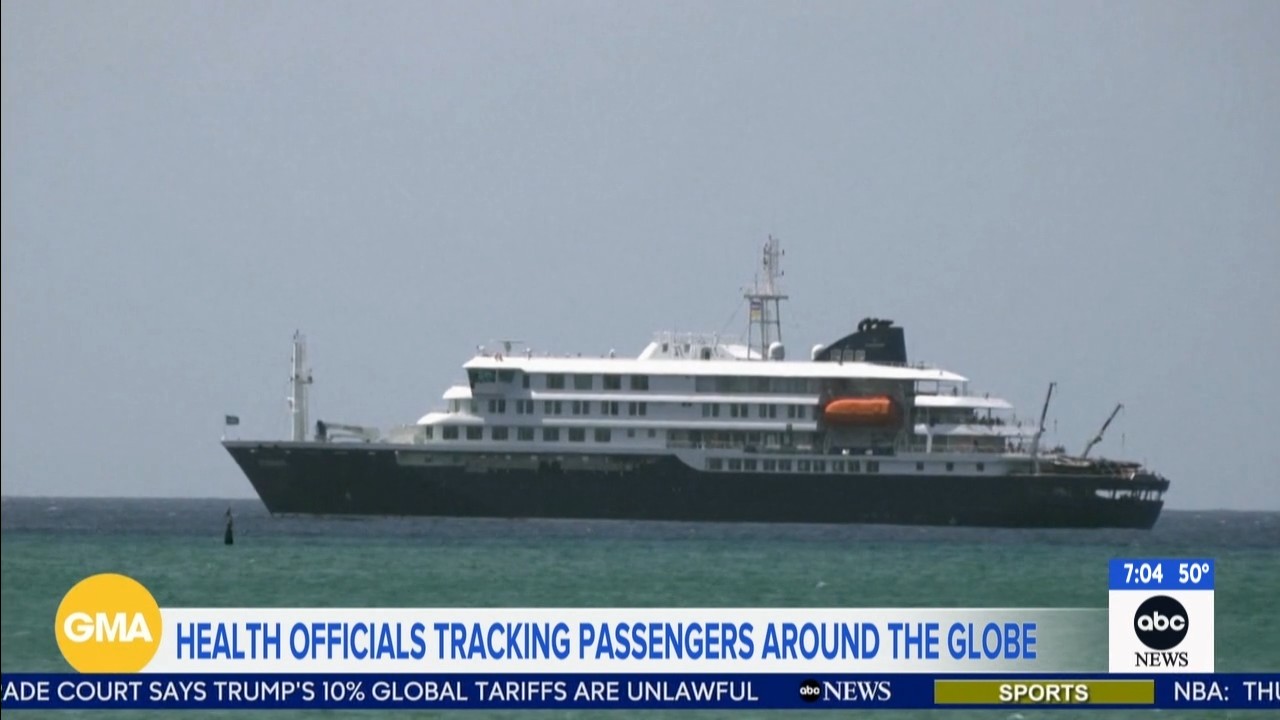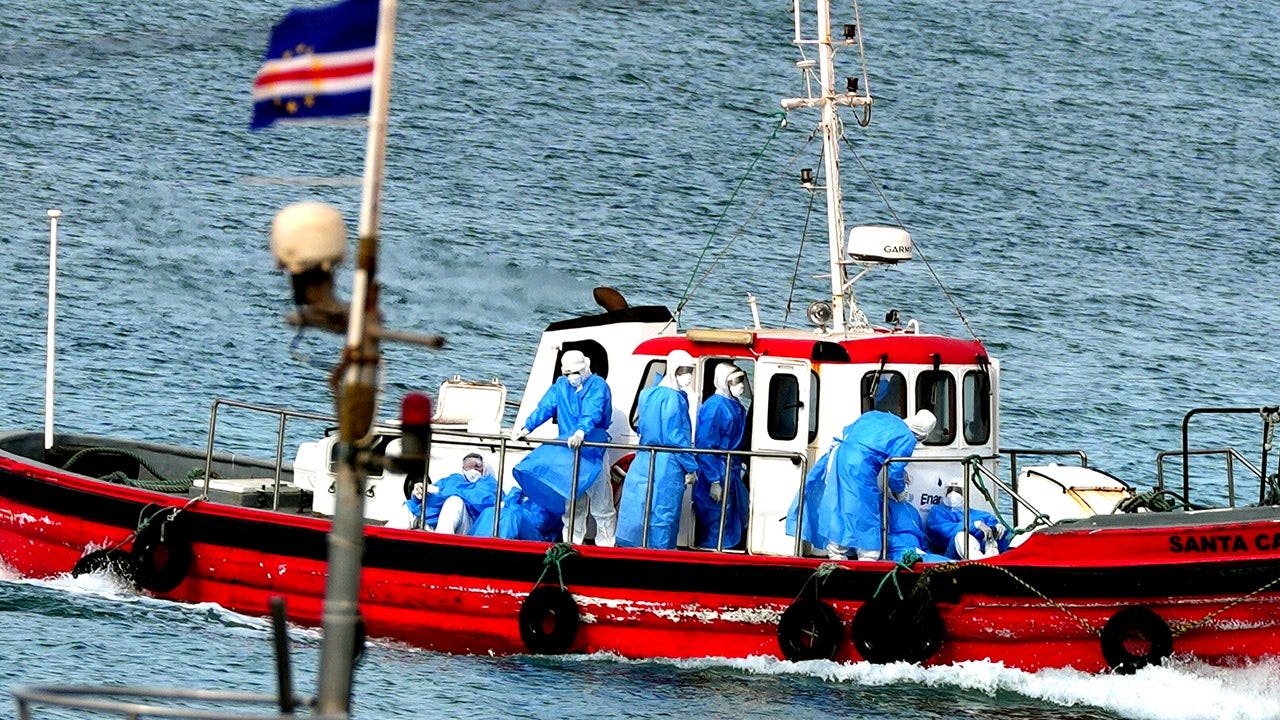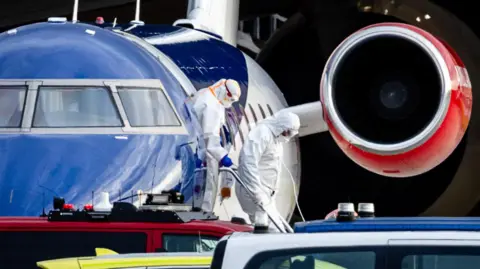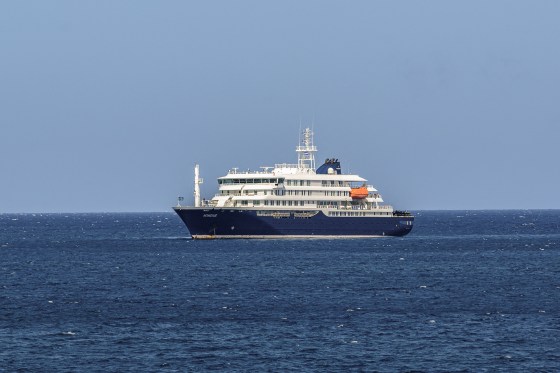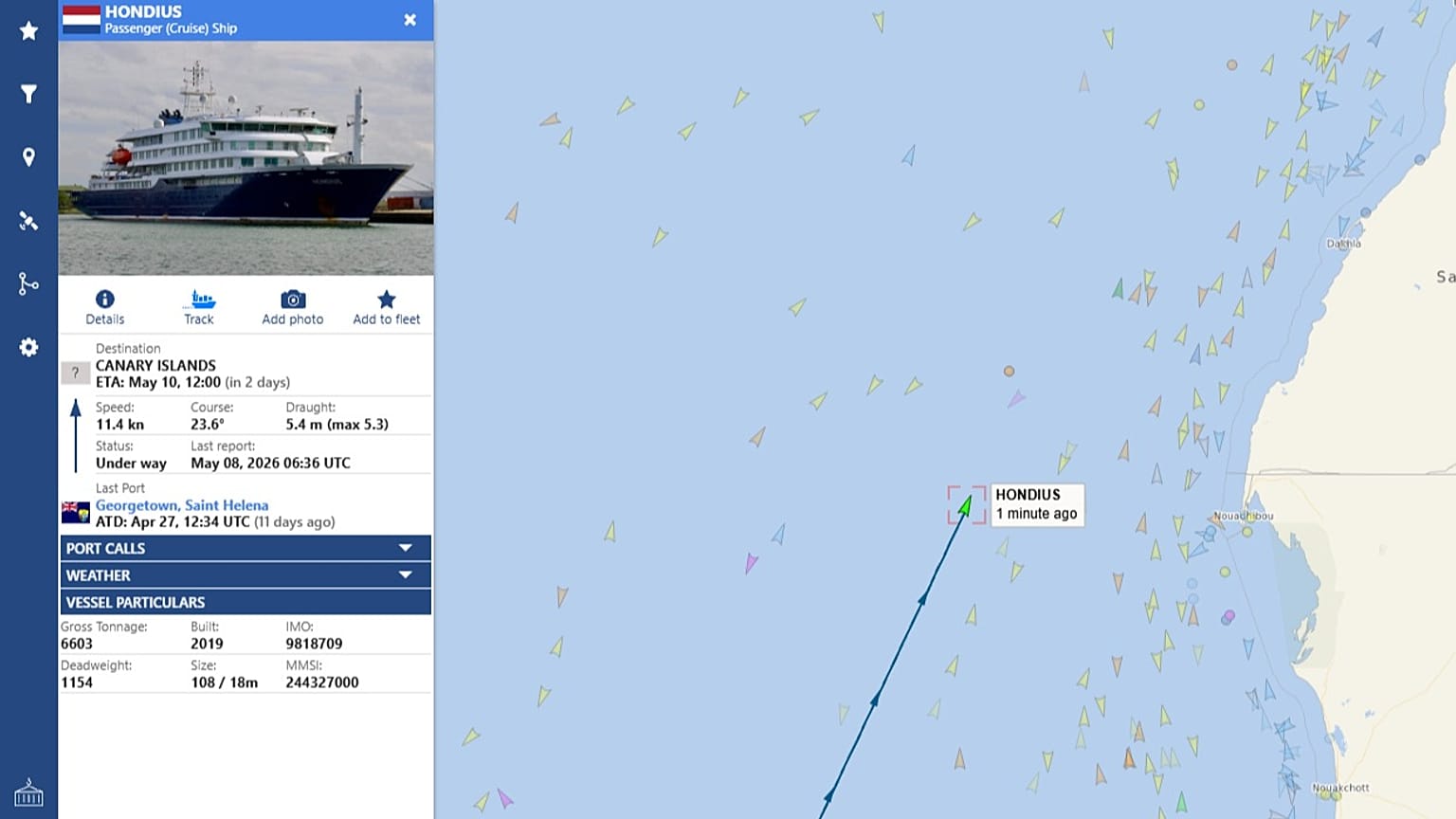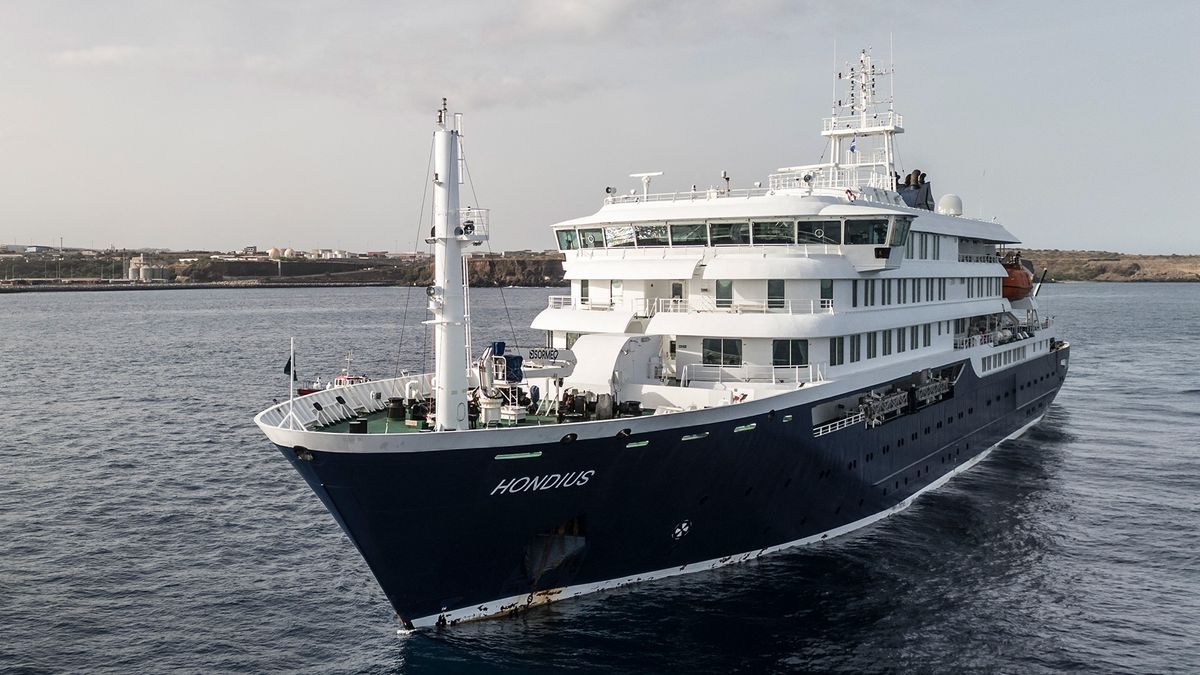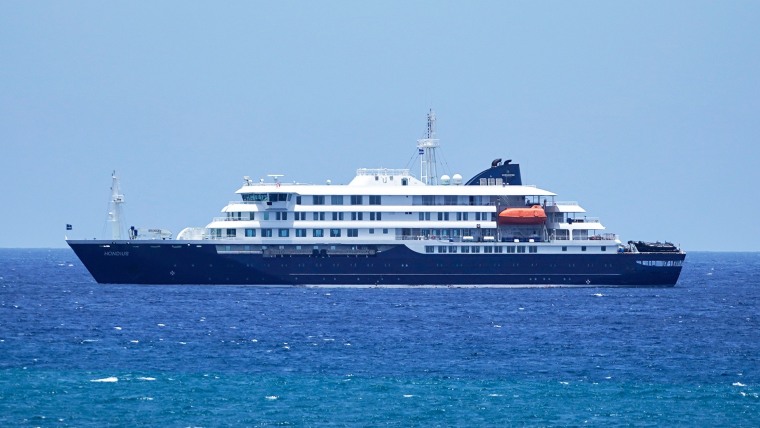
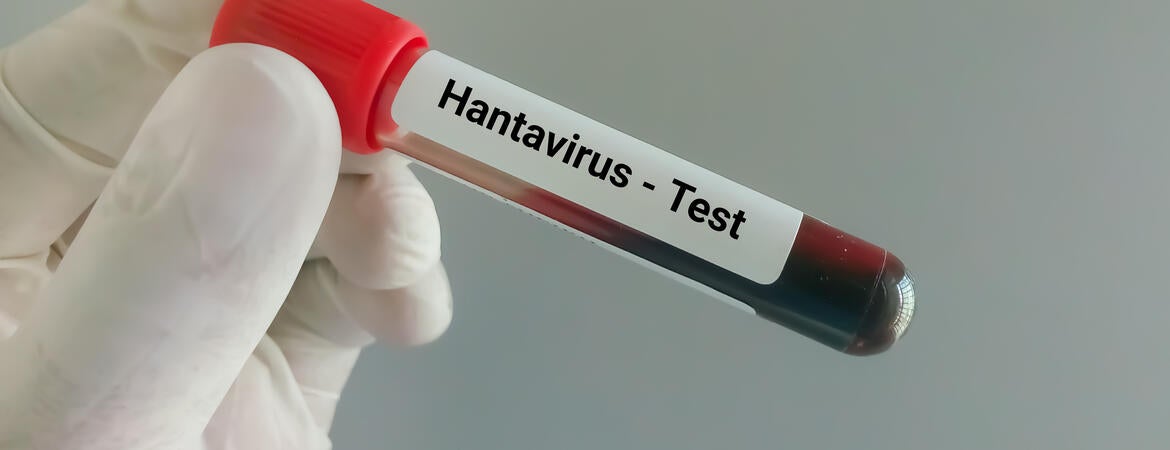
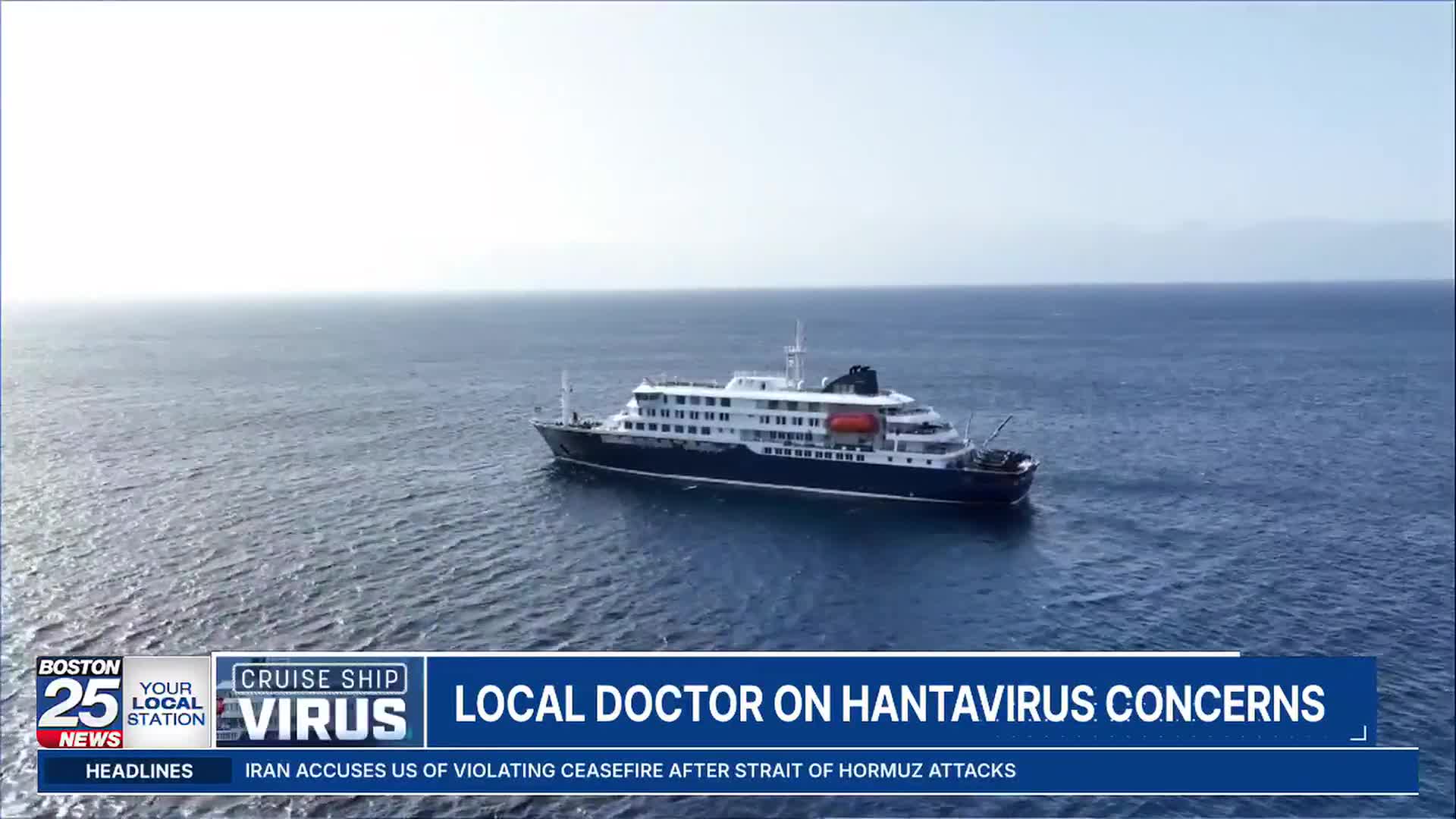


The MV Hondius hantavirus outbreak in April 2026 represents a critical inflection point for e-commerce sellers in health, safety, and travel categories. With 5 confirmed infections, 3 deaths, and 146+ passengers requiring medical monitoring across multiple countries (US, UK, Spain, Argentina), this incident demonstrates the persistent demand for infectious disease prevention products and travel safety merchandise. The WHO's assessment that hantavirus poses "no epidemic risk comparable to COVID-19" actually signals market maturation—consumers now view health preparedness as routine rather than crisis-driven, creating sustained demand for protective equipment, medical supplies, and travel safety products.
Market opportunity specifics: The cruise industry's 30+ million annual passengers represent a concentrated consumer segment with elevated health consciousness and disposable income. Sellers can capitalize on several product categories: (1) Travel health kits ($45-120 price point, 35-40% margins), including portable medical supplies, antimicrobial wipes, and respiratory protection; (2) Telemedicine accessories (pulse oximeters, digital thermometers, blood pressure monitors) experiencing 18-22% YoY growth post-2024; (3) Travel insurance and safety guides as digital products with 70%+ margins; (4) Cruise-specific merchandise (cabin air purifiers, UV sanitizers, portable water filters) targeting the 12+ million annual cruise passengers in North America and Europe.
The incident's geographic spread—cases identified in Arizona, Georgia, California, UK, and Spain—indicates cross-border consumer awareness and purchasing patterns. Sellers shipping to these regions should expect 15-25% increased search volume for "travel health," "cruise safety," and "portable medical" products in Q2-Q3 2026. The involvement of international health authorities (WHO, UK Health Security Agency) and the Trump administration's January 2026 WHO withdrawal create regulatory uncertainty that favors established sellers with compliant supply chains. Dr. Stephen Kornfeld's volunteer medical response aboard the ship highlights consumer interest in medical professional-endorsed products—a marketing angle for sellers to emphasize third-party certifications, medical-grade materials, and expert recommendations in product listings.
The MV Hondius outbreak identified cases in Arizona, Georgia, California, UK, and Spain—indicating strong demand in US West Coast, UK, and Southern Europe markets. These regions represent high-value e-commerce segments: US cruise passengers (12M+ annually) with average household income $75K+, UK travelers with strong Amazon/eBay adoption, and Spanish/European cruise passengers with growing cross-border purchasing. Sellers should prioritize Amazon FBA warehouses in US East Coast and EU (Germany, UK) for faster delivery to these markets. Consider localized product variations: US-focused marketing emphasizing CDC guidance, EU-focused messaging highlighting CE compliance. Spanish and Portuguese language listings capture growing Latin American cruise passenger segment departing from Argentina (MV Hondius departure point).
Travel health kits, portable medical devices, and cruise-specific safety products experience 15-25% search volume increases following publicized health incidents. The MV Hondius outbreak demonstrates consumer awareness across multiple countries—cases in Arizona, Georgia, California, UK, and Spain indicate geographically dispersed purchasing intent. Sellers should prioritize listings for portable pulse oximeters ($25-60), antimicrobial travel kits ($40-100), cabin air purifiers ($80-200), and digital thermometers. Amazon and eBay health category data shows 18-22% YoY growth in telemedicine accessories, with cruise passengers representing a high-value demographic segment willing to pay premium prices for medical-grade products.
The global cruise industry serves 30+ million passengers annually, with 12+ million in North America and Europe alone. Create targeted product bundles for cruise-specific needs: cabin air purifiers, portable water filters, antimicrobial wipes, and compact medical supplies. Develop marketing campaigns around cruise season peaks (Q2-Q3 in Northern Hemisphere, Q4-Q1 in Southern Hemisphere). Partner with cruise travel influencers and travel bloggers to promote health-focused products. Use Amazon Sponsored Products and eBay Promoted Listings targeting keywords like 'cruise ship essentials,' 'travel health,' and 'portable medical.' Consider creating educational content about health preparedness for cruise passengers, positioning your brand as a trusted safety partner.
Travel health kits typically achieve 35-40% gross margins at $45-120 price points. Portable medical devices (thermometers, pulse oximeters) range $25-60 with 45-55% margins. Cruise-specific safety products (air purifiers, water filters) command $80-200 with 40-50% margins. Digital products (travel insurance guides, health preparation checklists) achieve 70%+ margins with minimal fulfillment costs. Premium positioning—emphasizing medical-grade materials and professional endorsements—supports 15-25% price premiums. Consider tiered pricing: budget bundles ($30-50), mid-range kits ($60-100), premium medical-grade sets ($120-250). Monitor competitor pricing on Amazon and eBay, but avoid race-to-bottom strategies; health-conscious cruise passengers prioritize quality and certifications over lowest price.
Emphasize medical professional endorsement, third-party certifications, and expert recommendations in product titles and descriptions. Dr. Kornfeld's volunteer medical response aboard MV Hondius demonstrates consumer trust in physician-backed products. Include specific use cases: 'Cruise Ship Medical Kit,' 'Travel Respiratory Protection,' 'International Health Monitoring.' Use keywords matching the geographic spread (Arizona, California, UK, Spain) to capture regional search intent. Highlight FDA approval, CE marking for EU sellers, and compliance with international health standards. Consider creating bundle products combining multiple safety items at 20-30% premium pricing, targeting cruise passengers and international travelers.
The Trump administration's January 2026 WHO withdrawal creates uncertainty in disease surveillance coordination, but does not directly impact FDA or CE marking requirements. Sellers must maintain compliance with FDA regulations for medical devices (thermometers, pulse oximeters) and CE marking for EU distribution. Portable medical devices require proper classification—most travel health items fall under Class I or II, requiring less stringent approval than Class III devices. Sellers should verify product certifications before listing on Amazon, eBay, or Shopify. Consider consulting regulatory specialists for cross-border medical device sales, particularly for products marketed with health claims. Documentation requirements increase for international shipments to EU countries.
The Trump administration's January 2026 WHO withdrawal creates uncertainty in global disease surveillance, potentially affecting supply chain planning for health products. Sellers should diversify suppliers across multiple countries to reduce single-source risk. Monitor CDC, UK Health Security Agency, and EU health authority announcements independently rather than relying solely on WHO coordination. Build 30-45 day safety stock for high-demand travel health items, particularly during cruise season peaks. Consider nearshoring manufacturing for time-sensitive products—US-based suppliers for North American market, EU-based for European distribution. Establish relationships with regulatory consultants in key markets (US, UK, EU) to navigate potential compliance changes. Track shipping delays to Spain, Canary Islands, and other cruise hub destinations, as the MV Hondius diversion to Tenerife demonstrates potential logistics disruptions.
The WHO's statement that hantavirus poses 'no epidemic risk comparable to COVID-19' signals market maturation—health preparedness is now viewed as routine rather than crisis-driven. This creates sustained, predictable demand rather than panic-buying spikes. Sellers should shift from emergency positioning to lifestyle/wellness framing: 'Travel Health Essentials,' 'Wellness for Adventurers,' 'Smart Traveler Kits.' This approach supports higher margins and repeat purchases. The assessment also reduces regulatory urgency—sellers don't face sudden compliance changes like during COVID-19. However, continued monitoring of disease surveillance (despite WHO withdrawal concerns) remains important for inventory planning. Build evergreen content around travel health, not crisis response, to establish long-term customer relationships.
The MV Hondius outbreak identified cases in Arizona, Georgia, California, UK, and Spain—indicating strong demand in US West Coast, UK, and Southern Europe markets. These regions represent high-value e-commerce segments: US cruise passengers (12M+ annually) with average household income $75K+, UK travelers with strong Amazon/eBay adoption, and Spanish/European cruise passengers with growing cross-border purchasing. Sellers should prioritize Amazon FBA warehouses in US East Coast and EU (Germany, UK) for faster delivery to these markets. Consider localized product variations: US-focused marketing emphasizing CDC guidance, EU-focused messaging highlighting CE compliance. Spanish and Portuguese language listings capture growing Latin American cruise passenger segment departing from Argentina (MV Hondius departure point).
Travel health kits, portable medical devices, and cruise-specific safety products experience 15-25% search volume increases following publicized health incidents. The MV Hondius outbreak demonstrates consumer awareness across multiple countries—cases in Arizona, Georgia, California, UK, and Spain indicate geographically dispersed purchasing intent. Sellers should prioritize listings for portable pulse oximeters ($25-60), antimicrobial travel kits ($40-100), cabin air purifiers ($80-200), and digital thermometers. Amazon and eBay health category data shows 18-22% YoY growth in telemedicine accessories, with cruise passengers representing a high-value demographic segment willing to pay premium prices for medical-grade products.
The global cruise industry serves 30+ million passengers annually, with 12+ million in North America and Europe alone. Create targeted product bundles for cruise-specific needs: cabin air purifiers, portable water filters, antimicrobial wipes, and compact medical supplies. Develop marketing campaigns around cruise season peaks (Q2-Q3 in Northern Hemisphere, Q4-Q1 in Southern Hemisphere). Partner with cruise travel influencers and travel bloggers to promote health-focused products. Use Amazon Sponsored Products and eBay Promoted Listings targeting keywords like 'cruise ship essentials,' 'travel health,' and 'portable medical.' Consider creating educational content about health preparedness for cruise passengers, positioning your brand as a trusted safety partner.
Travel health kits typically achieve 35-40% gross margins at $45-120 price points. Portable medical devices (thermometers, pulse oximeters) range $25-60 with 45-55% margins. Cruise-specific safety products (air purifiers, water filters) command $80-200 with 40-50% margins. Digital products (travel insurance guides, health preparation checklists) achieve 70%+ margins with minimal fulfillment costs. Premium positioning—emphasizing medical-grade materials and professional endorsements—supports 15-25% price premiums. Consider tiered pricing: budget bundles ($30-50), mid-range kits ($60-100), premium medical-grade sets ($120-250). Monitor competitor pricing on Amazon and eBay, but avoid race-to-bottom strategies; health-conscious cruise passengers prioritize quality and certifications over lowest price.
Emphasize medical professional endorsement, third-party certifications, and expert recommendations in product titles and descriptions. Dr. Kornfeld's volunteer medical response aboard MV Hondius demonstrates consumer trust in physician-backed products. Include specific use cases: 'Cruise Ship Medical Kit,' 'Travel Respiratory Protection,' 'International Health Monitoring.' Use keywords matching the geographic spread (Arizona, California, UK, Spain) to capture regional search intent. Highlight FDA approval, CE marking for EU sellers, and compliance with international health standards. Consider creating bundle products combining multiple safety items at 20-30% premium pricing, targeting cruise passengers and international travelers.
The Trump administration's January 2026 WHO withdrawal creates uncertainty in disease surveillance coordination, but does not directly impact FDA or CE marking requirements. Sellers must maintain compliance with FDA regulations for medical devices (thermometers, pulse oximeters) and CE marking for EU distribution. Portable medical devices require proper classification—most travel health items fall under Class I or II, requiring less stringent approval than Class III devices. Sellers should verify product certifications before listing on Amazon, eBay, or Shopify. Consider consulting regulatory specialists for cross-border medical device sales, particularly for products marketed with health claims. Documentation requirements increase for international shipments to EU countries.
The Trump administration's January 2026 WHO withdrawal creates uncertainty in global disease surveillance, potentially affecting supply chain planning for health products. Sellers should diversify suppliers across multiple countries to reduce single-source risk. Monitor CDC, UK Health Security Agency, and EU health authority announcements independently rather than relying solely on WHO coordination. Build 30-45 day safety stock for high-demand travel health items, particularly during cruise season peaks. Consider nearshoring manufacturing for time-sensitive products—US-based suppliers for North American market, EU-based for European distribution. Establish relationships with regulatory consultants in key markets (US, UK, EU) to navigate potential compliance changes. Track shipping delays to Spain, Canary Islands, and other cruise hub destinations, as the MV Hondius diversion to Tenerife demonstrates potential logistics disruptions.
The WHO's statement that hantavirus poses 'no epidemic risk comparable to COVID-19' signals market maturation—health preparedness is now viewed as routine rather than crisis-driven. This creates sustained, predictable demand rather than panic-buying spikes. Sellers should shift from emergency positioning to lifestyle/wellness framing: 'Travel Health Essentials,' 'Wellness for Adventurers,' 'Smart Traveler Kits.' This approach supports higher margins and repeat purchases. The assessment also reduces regulatory urgency—sellers don't face sudden compliance changes like during COVID-19. However, continued monitoring of disease surveillance (despite WHO withdrawal concerns) remains important for inventory planning. Build evergreen content around travel health, not crisis response, to establish long-term customer relationships.
The MV Hondius outbreak identified cases in Arizona, Georgia, California, UK, and Spain—indicating strong demand in US West Coast, UK, and Southern Europe markets. These regions represent high-value e-commerce segments: US cruise passengers (12M+ annually) with average household income $75K+, UK travelers with strong Amazon/eBay adoption, and Spanish/European cruise passengers with growing cross-border purchasing. Sellers should prioritize Amazon FBA warehouses in US East Coast and EU (Germany, UK) for faster delivery to these markets. Consider localized product variations: US-focused marketing emphasizing CDC guidance, EU-focused messaging highlighting CE compliance. Spanish and Portuguese language listings capture growing Latin American cruise passenger segment departing from Argentina (MV Hondius departure point).
Travel health kits, portable medical devices, and cruise-specific safety products experience 15-25% search volume increases following publicized health incidents. The MV Hondius outbreak demonstrates consumer awareness across multiple countries—cases in Arizona, Georgia, California, UK, and Spain indicate geographically dispersed purchasing intent. Sellers should prioritize listings for portable pulse oximeters ($25-60), antimicrobial travel kits ($40-100), cabin air purifiers ($80-200), and digital thermometers. Amazon and eBay health category data shows 18-22% YoY growth in telemedicine accessories, with cruise passengers representing a high-value demographic segment willing to pay premium prices for medical-grade products.