



Nintendo Switch 2 Price Surge 11% | Gaming Hardware Supply Chain Crisis Reshapes Seller Margins & Inventory Strategy
- $50 US price increase (Sept 1, 2026) + ¥10,000 Japan hike (May 26, 2026) signals $637.8M component cost impact; 17% sales decline forecast creates urgent inventory liquidation window for resellers





























Overview
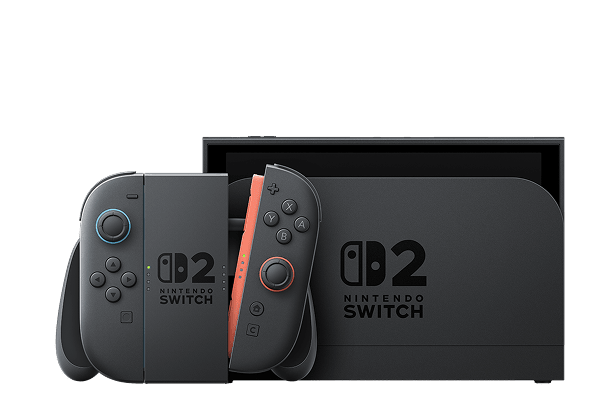
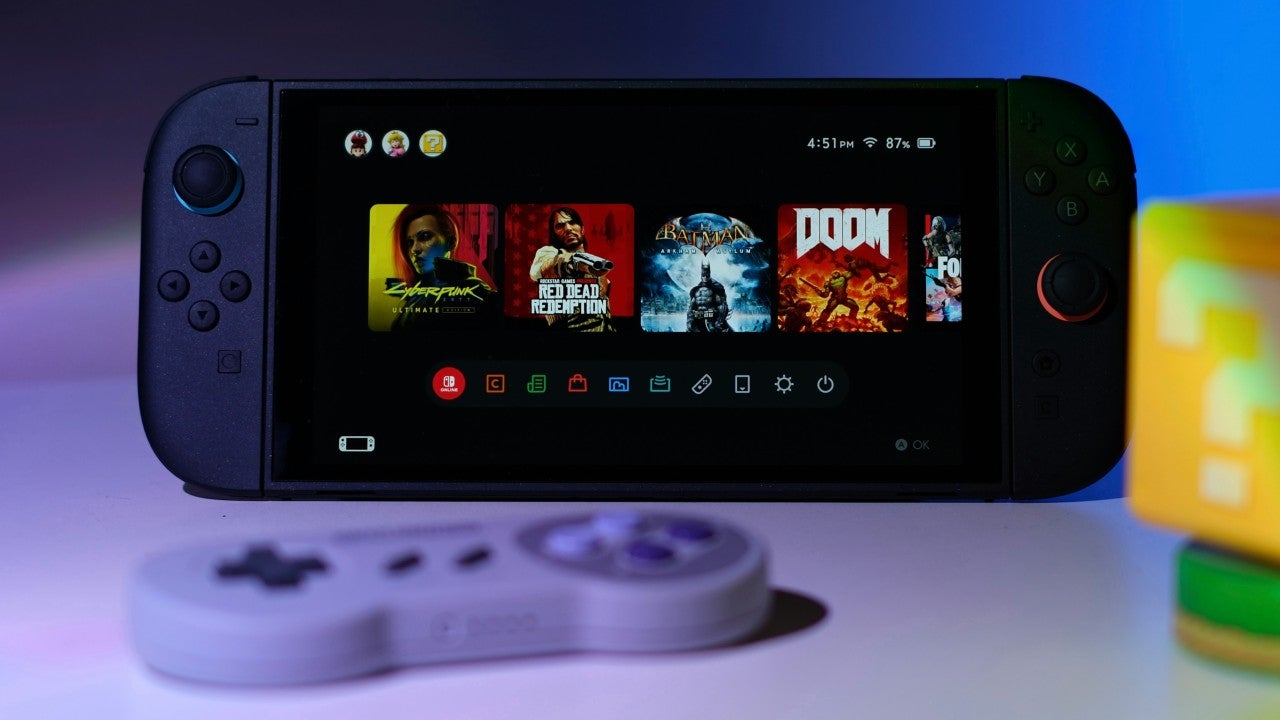
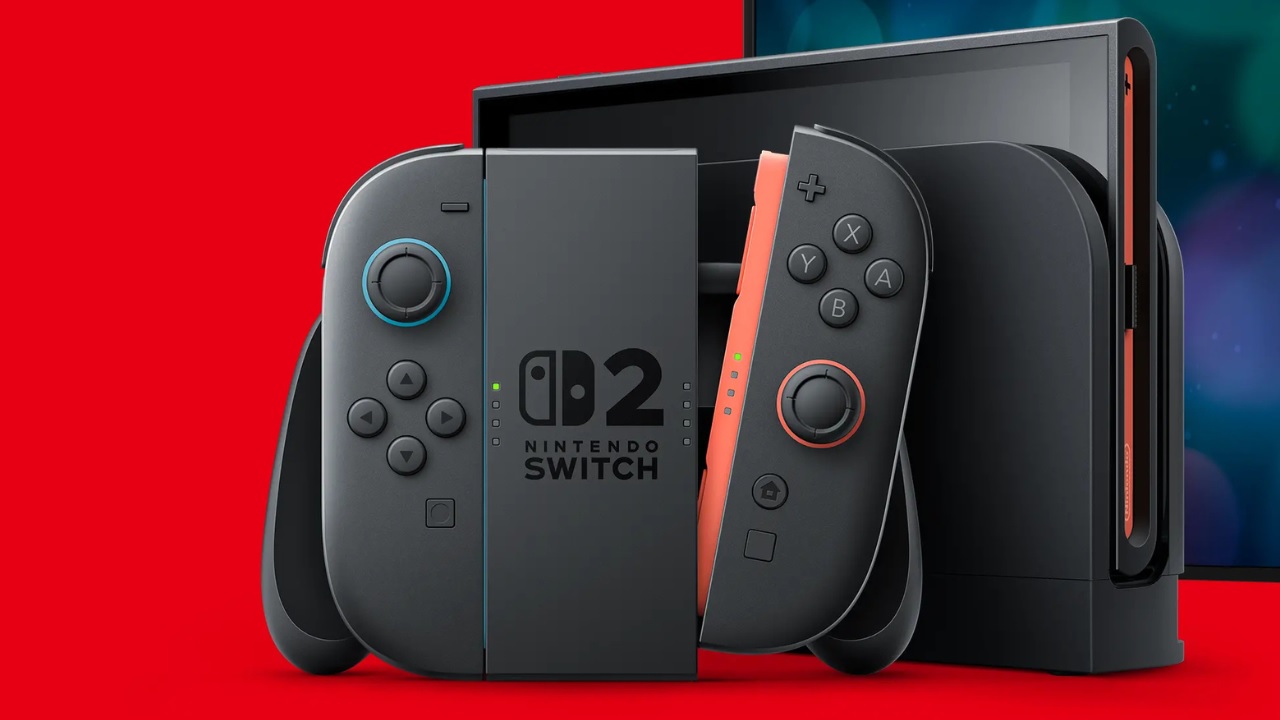
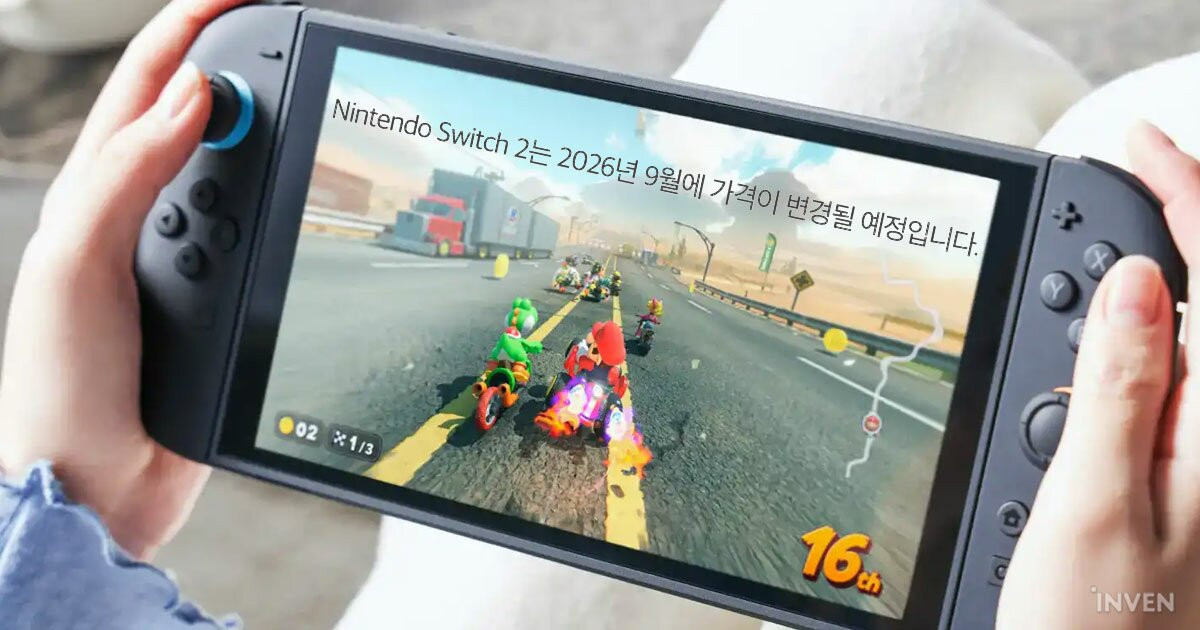
Nintendo's unprecedented Switch 2 price increase—$50 in the US ($449.99→$499.99), ¥10,000 in Japan (¥49,980→¥59,980), €30 in Europe, and $50 CAD in Canada—represents a critical supply chain inflection point for cross-border gaming hardware sellers. The company explicitly attributed the 11% price hike to "unprecedented rises in memory chip costs driven by global AI data center expansion" alongside tariff pressures, with Nintendo absorbing approximately ¥100 billion ($637.8 million) in component cost increases. This mirrors Sony's PlayStation 5 price increases of up to $150 announced in March 2025, signaling industry-wide semiconductor constraints that will persist through 2026.
The logistics and inventory implications are severe for resellers. Nintendo's fiscal 2027 sales forecast of 16.5 million units represents a 17% year-over-year decline from 19.86 million units in fiscal 2026—an unusual contraction for a console's second year post-launch. This demand elasticity signals price-sensitive consumers are deferring purchases, creating a critical 4-6 month liquidation window (May-September 2026) before the September 1 US price increase takes effect. Sellers holding existing Switch 2 inventory face margin compression of 8-15% if they maintain current retail pricing, while those with original Switch stock (OLED, standard, Lite models) benefit from unchanged US pricing but face Japanese market headwinds with increases of ¥10,000-¥22,000 per unit.
For cross-border e-commerce operations, the staggered regional implementation creates both arbitrage opportunities and sourcing challenges. Japan's May 26 price increase precedes North America/Europe's September 1 implementation by 3+ months, creating a temporary cost advantage for sellers sourcing from Japanese distributors before the US increase. However, Nintendo's ¥100 billion cost impact suggests wholesale acquisition costs will rise proportionally across all regions—expect 8-12% wholesale price increases from authorized distributors by Q3 2026. The broader semiconductor shortage affecting gaming peripherals (controllers, docking stations, memory cards) will sustain pricing pressure across the entire gaming hardware category through 2026-2027. Sellers must immediately audit inventory positions: liquidate slow-moving Switch 2 stock before September 1 at current margins, shift sourcing to original Switch models in US markets (unchanged pricing), and evaluate alternative gaming peripheral categories (PlayStation 5 accessories, Xbox controllers) where supply constraints may create less aggressive pricing pressure.
Questions 8
Should sellers shift to FBA or 3PL fulfillment given the inventory liquidation window?
Given the 4-6 month liquidation window (May-September 2026) and 17% sales decline forecast, sellers should prioritize rapid inventory turnover over long-term FBA storage. FBA storage fees ($0.87/unit/month for standard-size items) become prohibitive if inventory sits beyond 90 days. Recommended strategy: (1) Use FBA for fast-moving inventory (BSR <10,000) with 30-45 day turnover targets; (2) Shift slower-moving stock to 3PL providers offering month-to-month terms without long-term commitments; (3) Consider dropshipping models for new orders post-September 1 to avoid inventory risk. Avoid stockpiling inventory before September 1—the demand decline forecast suggests excess inventory will face liquidation pressure and storage cost penalties.
How will the price increase impact demand and sales forecasts?
Nintendo forecasts 16.5 million Switch 2 units sold in fiscal 2027, down 17% from 19.86 million units in fiscal 2026—an unusual contraction for a console's second year post-launch. Industry analyst Serkan Toto from Kantan Games noted this decline is dramatic, as console sales typically increase in year two. The forecast indicates significant price elasticity among consumers, with price-sensitive buyers deferring purchases. This creates a critical 4-6 month liquidation window (May-September 2026) before the September 1 US increase, as consumers rush to purchase at current pricing.