




NFL Team Resilience Signals Strategic Adaptation in High-Stakes Performance Environments
- Navigating Unexpected Challenges Reveals Critical Organizational Flexibility





Overview
In the high-pressure world of professional sports, the New York Jets' recent injury challenges offer a compelling narrative of organizational resilience and strategic adaptation. The team's response to multiple starter injuries reveals a nuanced approach to performance management that extends far beyond the football field.
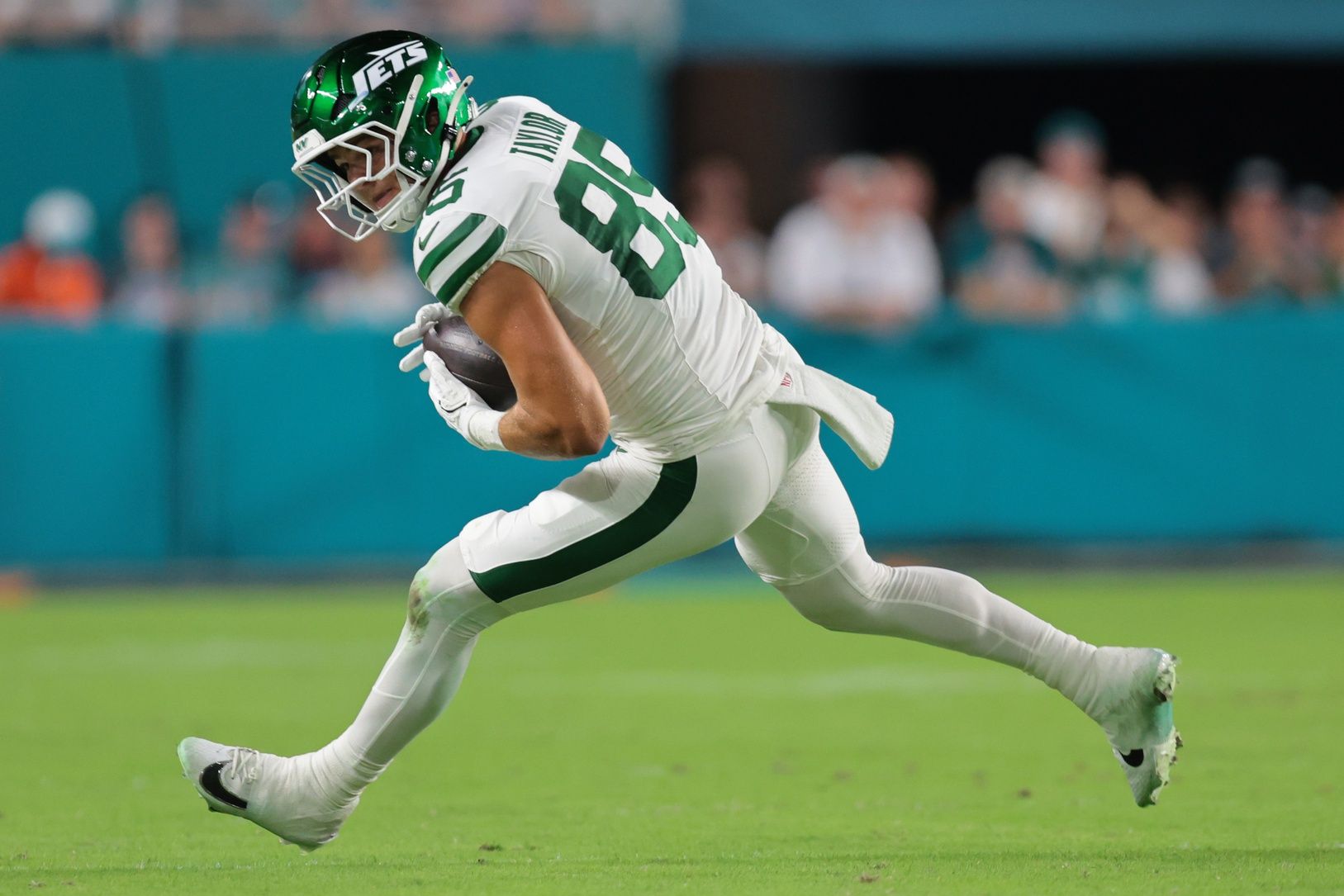
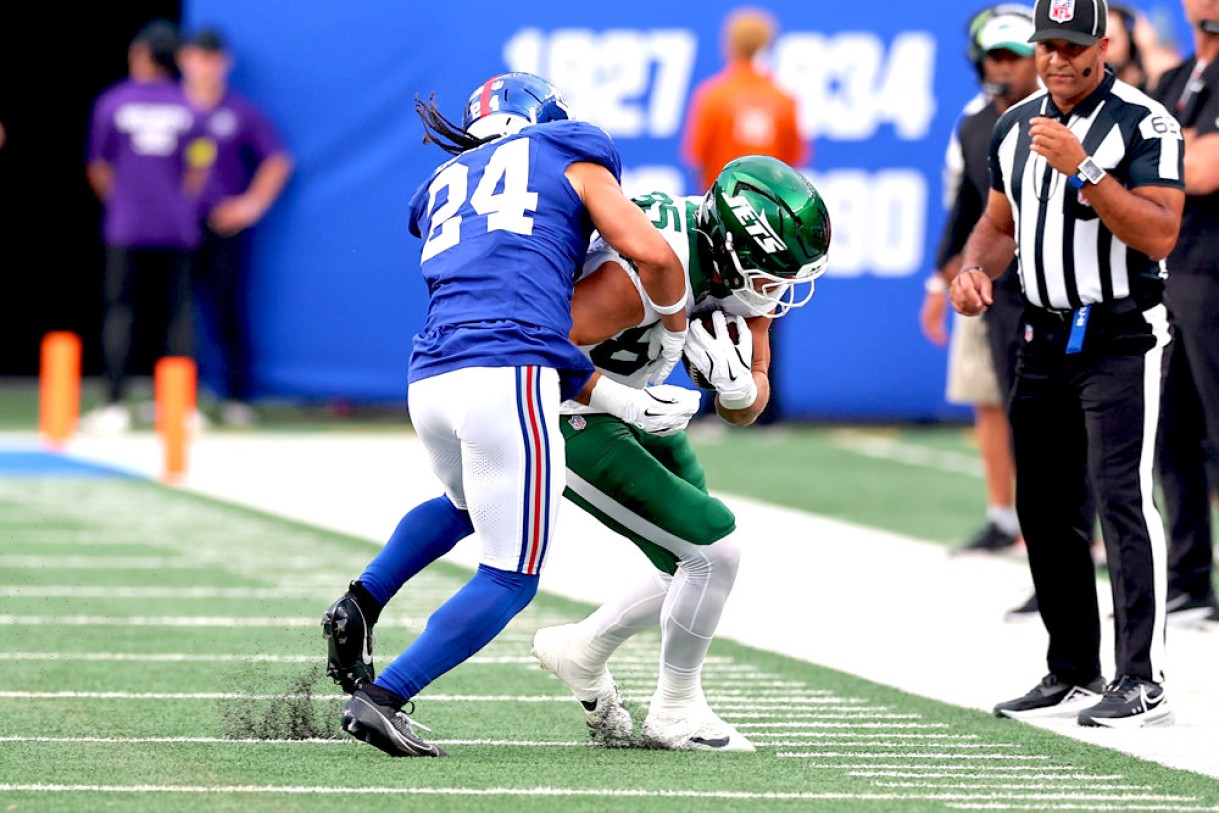
Injury dynamics have transformed the Jets' Week 15 strategy, with key players like Tyrod Taylor and Mason Taylor sidelined, forcing a rapid recalibration of team capabilities. Head Coach Aaron Glenn's response epitomizes a critical leadership principle: maintaining momentum despite unexpected setbacks. By emphasizing mental toughness and viewing injuries as opportunities for player development, the organization demonstrates a sophisticated approach to talent management.
The most intriguing aspect is how the team reframes a potentially devastating situation. With 13 different players having taken defensive backfield snaps this season, the Jets are effectively turning personnel challenges into a strategic advantage. This approach mirrors advanced organizational strategies in rapidly changing environments—where adaptability trumps rigid planning. The decision to start Brady Cook and integrate Adrian Martinez represents a forward-looking talent development model that prioritizes long-term growth over short-term stability.
Particularly noteworthy is the team's special teams strategy, highlighted by the dynamic capabilities of players like Parker Washington, who has returned two punts for touchdowns. This demonstrates how organizations can create value and competitive differentiation through unexpected channels, transforming potential weaknesses into strategic strengths.
The broader lesson transcends sports: true organizational resilience isn't about avoiding challenges, but about developing systems and mindsets that can rapidly reconfigure and respond to unexpected disruptions. The Jets' approach suggests a model of continuous adaptation that could be instructive across industries—where flexibility, talent development, and strategic reframing become competitive advantages.
Questions 3
How are the Jets transforming injury challenges into strategic opportunities?
By integrating multiple players across defensive positions and emphasizing mental toughness, the Jets are treating injuries as chances for talent development. Starting new quarterbacks like Brady Cook allows the team to evaluate emerging talent while maintaining competitive spirit.
What leadership principles does Coach Aaron Glenn demonstrate in managing team challenges?
Glenn exemplifies adaptive leadership by maintaining team morale, viewing injuries as developmental opportunities, and stressing continuous performance regardless of personnel changes. His approach prioritizes long-term team growth over short-term setbacks.