
Branded Microdramas Drive Narrative Marketing | E-Commerce Content Strategy Shift 2026
- Microdramas generate millions of views with engagement metrics matching traditional ads; sellers must allocate 15-25% of content budgets to short-form video production
Overview
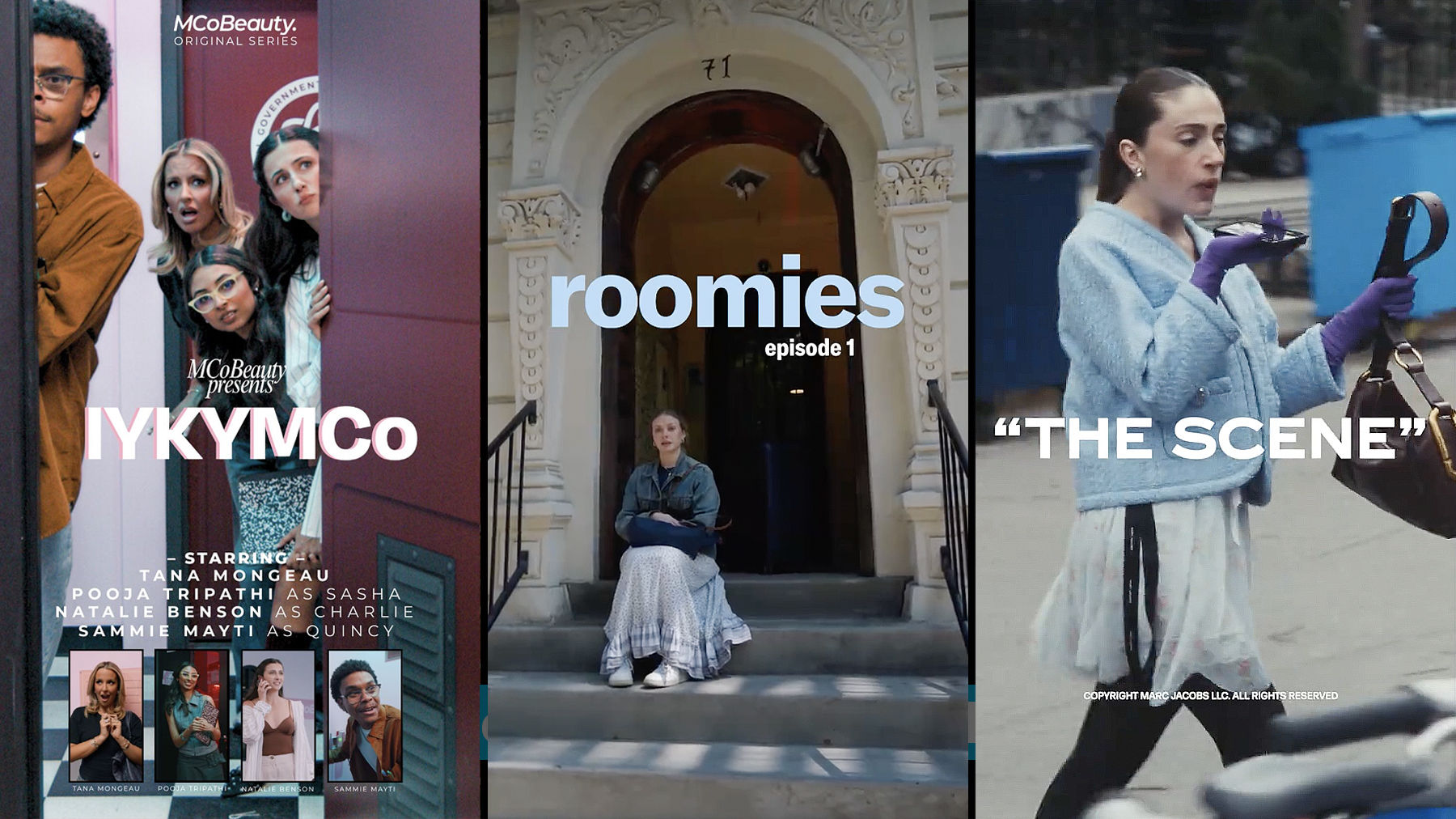
The microdrama format represents a fundamental shift in how e-commerce brands approach customer engagement and content marketing. Ad Age's May 8, 2026 analysis reveals that major brands—Marc Jacobs, Crocs, Bilt, and MCoBeauty—are successfully leveraging short-form scripted video series to capture audience attention with engagement metrics comparable to traditional advertising campaigns. These branded narratives, typically lasting just a few minutes, have generated millions of views and demonstrate that consumer audiences increasingly prefer story-driven content over conventional product advertisements. This trend directly impacts e-commerce sellers' marketing budgets, creative team composition, and platform distribution strategies.
For e-commerce brands and CMOs, microdramas create both immediate opportunities and competitive pressures. The format requires substantial production resources including professional scriptwriting, high-quality video production, and strategic platform optimization—representing a significant shift from static product photography and traditional PPC advertising. Sellers investing in microdramas must allocate 15-25% of their content marketing budgets toward production talent and equipment, compared to 5-10% for conventional social media content. The absence of a standardized playbook means early adopters gain competitive advantages in crowded digital markets, particularly in fashion (Marc Jacobs), footwear (Crocs), and beauty (MCoBeauty) categories where narrative-driven content resonates strongest with target demographics.
Platform-specific opportunities emerge across TikTok, Instagram Reels, YouTube Shorts, and emerging short-form video channels. The microdrama trend reflects broader consumer behavior shifts toward fragmented attention spans across multiple digital channels. Sellers can leverage this format to build emotional connections with audiences, differentiate from competitors relying on traditional advertising, and achieve higher conversion rates through storytelling. The strategic implication is clear: brands that master microdrama production now will establish content moats that competitors struggle to replicate. For sellers in lifestyle, fashion, and beauty categories, this represents a $2-4B content marketing opportunity as brands reallocate budgets from traditional display advertising to narrative video production.
Immediate actions for sellers include auditing current content performance, identifying narrative angles aligned with brand positioning, and building production partnerships. Sellers should analyze which product categories and customer segments respond best to story-driven content, then allocate resources accordingly. The competitive window for establishing microdrama expertise is 6-12 months before the format becomes commoditized and production costs increase. Sellers without in-house production capabilities should consider partnerships with content agencies specializing in short-form video, with typical costs ranging from $3,000-15,000 per 2-3 minute microdrama depending on production quality and talent requirements.
Questions 8
What production partnerships or agencies should sellers consider for microdrama creation?
Sellers have three options: in-house production (requires $50K-100K equipment investment and 1-2 dedicated staff), freelance creators ($1,000-5,000 per video), or specialized video production agencies ($5,000-15,000 per video). For most e-commerce sellers, partnering with agencies specializing in short-form video content offers the best balance of quality and cost-efficiency. Look for agencies with portfolios in your product category and experience with platform-specific optimization. Alternatively, sellers can partner with micro-influencers (10K-100K followers) who create microdramas featuring products, typically costing $500-3,000 per video plus product costs. The key is establishing long-term partnerships (3-6 month contracts) rather than one-off projects to build consistent brand voice and audience familiarity.
How can sellers identify which narrative angles will resonate with their target audience?
Sellers should analyze audience demographics, purchase behavior, and existing content performance to identify narrative themes that align with brand positioning and customer values. For example, Crocs' microdramas likely emphasize comfort and lifestyle versatility, while Marc Jacobs focuses on fashion aspiration and self-expression. Start by surveying your top 20% of customers about what stories inspire their purchases, then test 2-3 narrative angles with short-form content (30-60 seconds) before investing in full microdramas. Monitor engagement rates, shares, and click-through rates to identify winning themes. Sellers should also study competitor microdramas and analyze comments to understand what resonates with similar audiences. This research phase typically takes 4-6 weeks and costs $500-2,000 in testing budget.